
St. Martin. Baai en stad — História e Análise
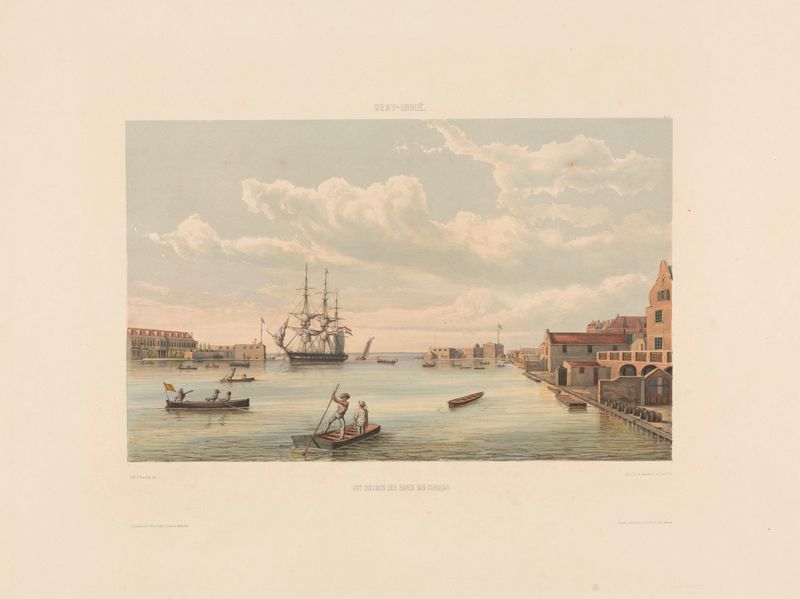
When did color learn to lie? In the delicate dance of hues, reality blurs and weaves into dreams. Every brushstroke whispers the secrets of perception, challenging our deepest assumptions about truth and representation. Focus first on the vibrant blues and greens that breathe life into the canvas; they draw the eye to the shimmering bay, cradled by the gentle curves of the city skyline. Notice how Voorduin’s palette captures the essence of a twilight sky, a transition that evokes both warmth and coolness.
The composition is a harmonious blend of architecture and nature, inviting us to linger as we explore the rhythmic play of light upon water. Yet, within this idyllic scene lies a subtle tension. The vibrant colors seem to sing, but they also hint at a deeper melancholy — the isolation of the structures from the surrounding landscape. The soft reflections on the water surface act as a mirror to the bustling life that might have been, raising questions about the balance between urban development and the serenity of nature.
Each element serves as a commentary on the passage of time, inviting reflection on the impermanence of both beauty and existence. In the early 1860s, during the transition of artistic movements in the Netherlands, Voorduin was deeply influenced by the Romanticism that sought to capture nature's grandeur and the human condition. Working in this period, he was moving away from the rigid structures of Neoclassicism, finding freedom in color as a means of expression. His surroundings and the slow evolution of realism influenced his approach to landscape, offering both a personal narrative and a broader commentary on contemporary life.
Mais obras de Gerard Voorduin
Ver tudo →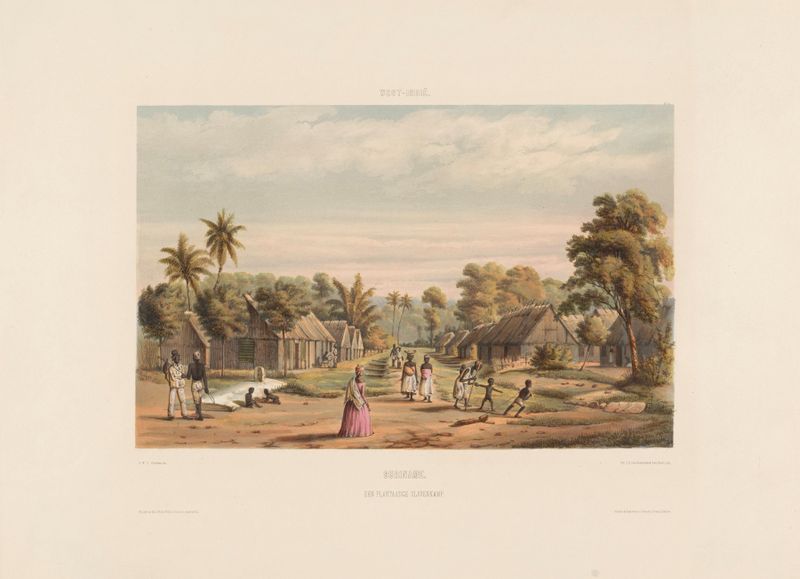
Suriname. Een plantaadge slavenkamp
Gerard Voorduin
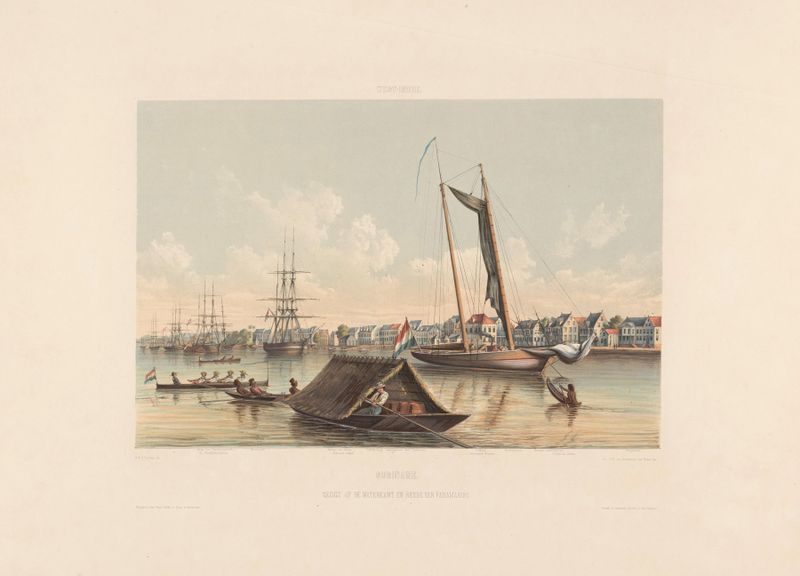
Suriname. Gezigt op de Waterkant en reede van Paramaribo
Gerard Voorduin
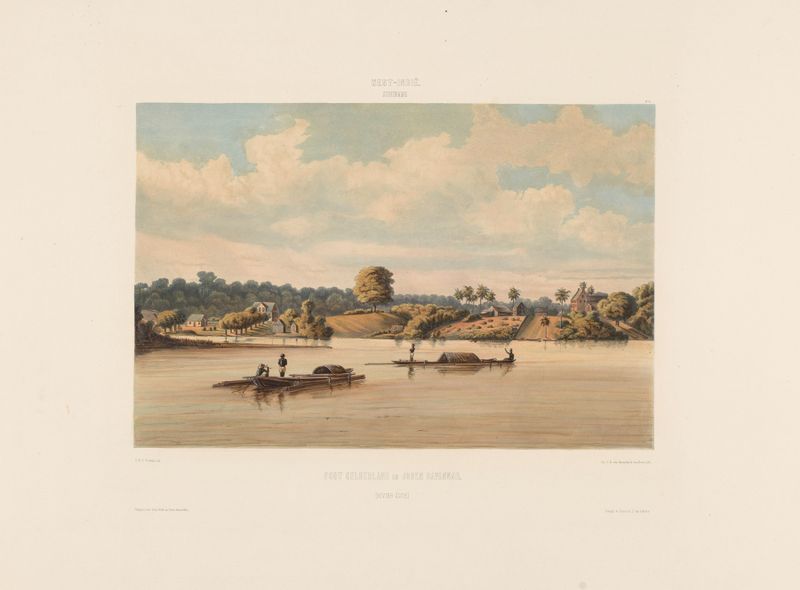
Post Gelderland en Joden Savannah (rivier zijde)
Gerard Voorduin
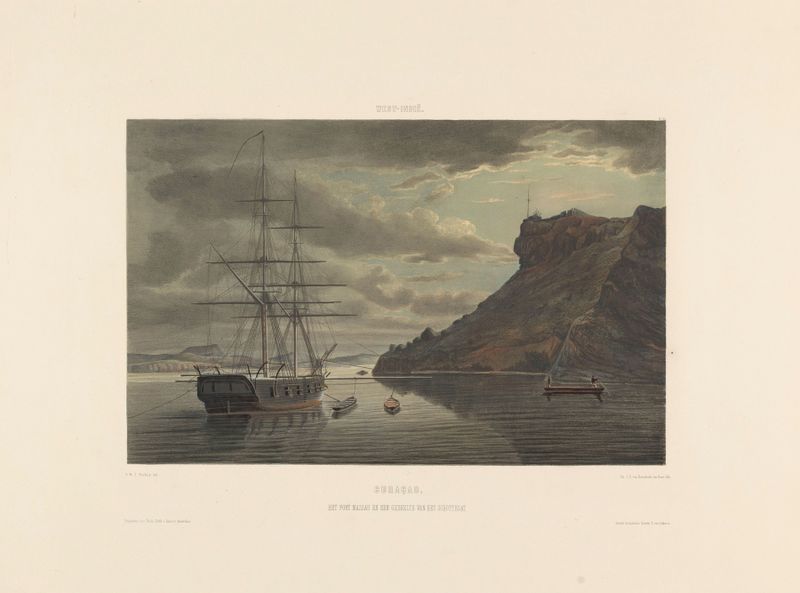
Curaçao. Het Fort Nassau en een gedeelte van het Schottegat
Gerard Voorduin
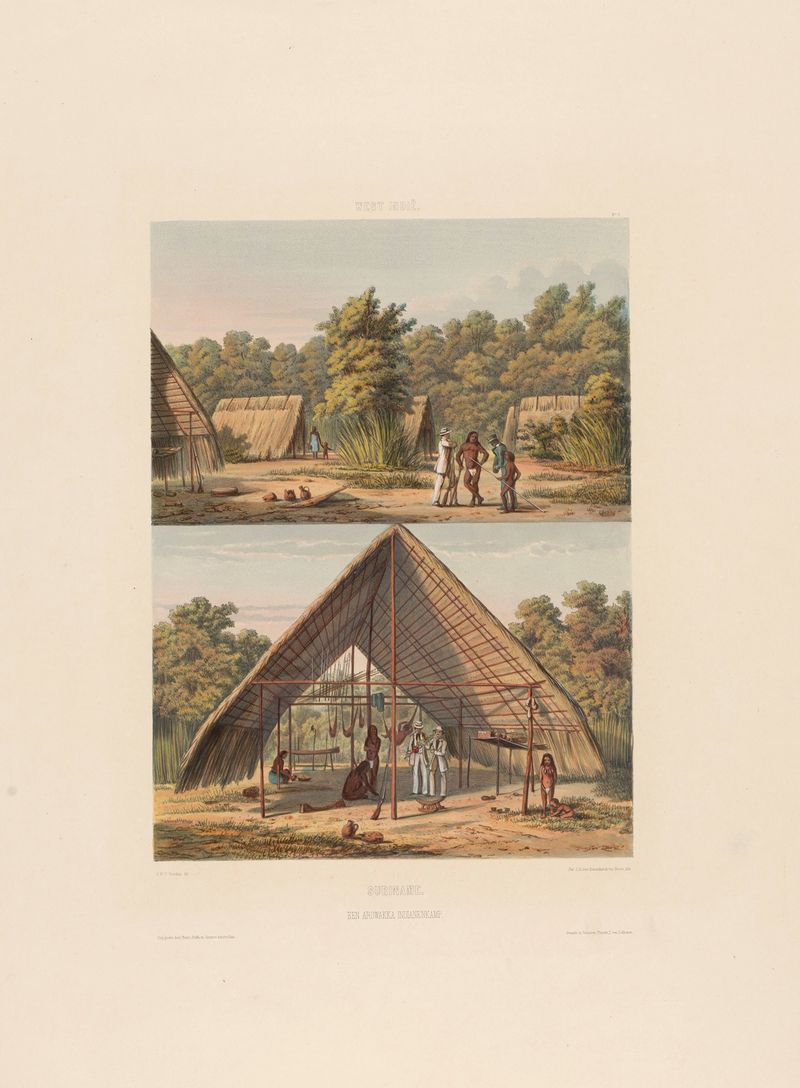
Suriname. Een Arowakka indianenkamp
Gerard Voorduin
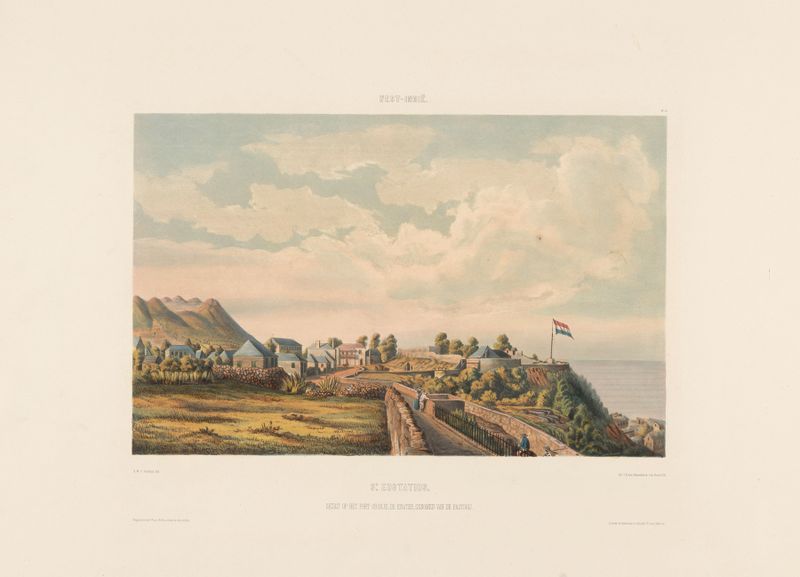
St. Eustatius. Gezigt op het Fort Oranje, de krater, genomen van de pastorij
Gerard Voorduin

Suriname. Gezigt op het Fort Zelandia te Paramaribo
Gerard Voorduin
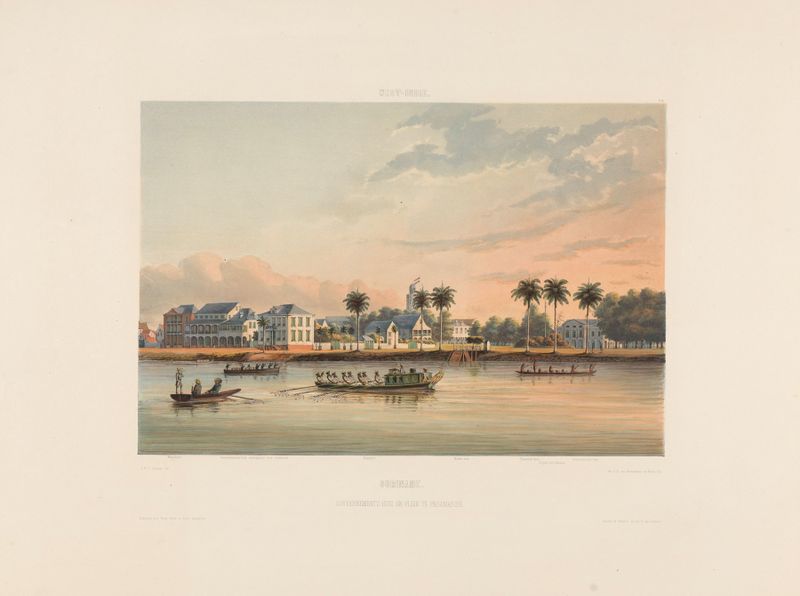
Suriname. Gouvernements-huis en plein te Paramaribo
Gerard Voorduin
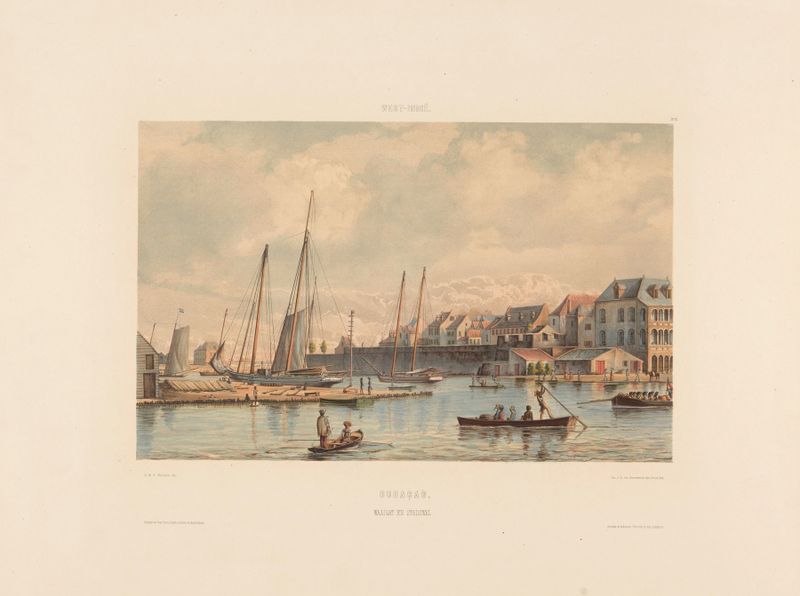
Curaçao. Waaigat en stadswal
Gerard Voorduin
Het inkomen der haven van Curaçao
Gerard Voorduin





