
St. Mary le Strand — História e Análise
When did color learn to lie? In the intricate layers of St. Mary le Strand, hues weave a narrative that transcends mere representation. Look closely at the vibrant sky that looms above the church, a soft wash of blue punctuated by fleeting clouds. The artist skillfully employs a warm palette, leading the eye to the golden stone façade that catches the light, revealing intricate architectural details.
Notice how the brushstrokes create texture, particularly in the foliage that frames the scene, inviting you into a lush, verdant embrace that contrasts with the cool serenity above. Yet, beneath this beauty lies a tension. The juxtaposition of the bright, celebratory colors against the solemnity of the church evokes a dialogue between the sacred and the earthly. The figures, imbued with a quiet reverence, seem to grapple with their own insignificance in the presence of the grand structure; their muted tones emphasize the vibrancy of the environment while hinting at a deeper yearning for connection.
This interplay forces the viewer to ponder the relationship between faith and the vibrancy of life itself. During the years when this piece was created, between 1731 and 1748, Sutton Nicholls was immersed in the burgeoning developments of English landscape painting. The period was marked by a growing interest in urban scenes and a departure from purely pastoral landscapes, reflecting societal changes and the rise of the middle class. As Nicholls navigated this artistic evolution, *St.
Mary le Strand* stood as a testament to both his technical prowess and the shifting cultural values of his time.
Mais obras de Sutton Nicholls
Ver tudo →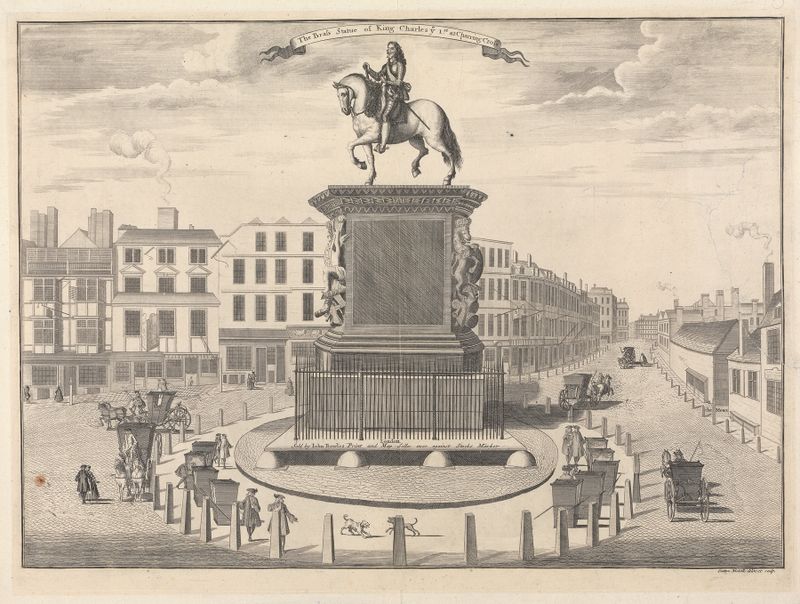
The Brass Statue of King Charles I at Charing Cross
Sutton Nicholls
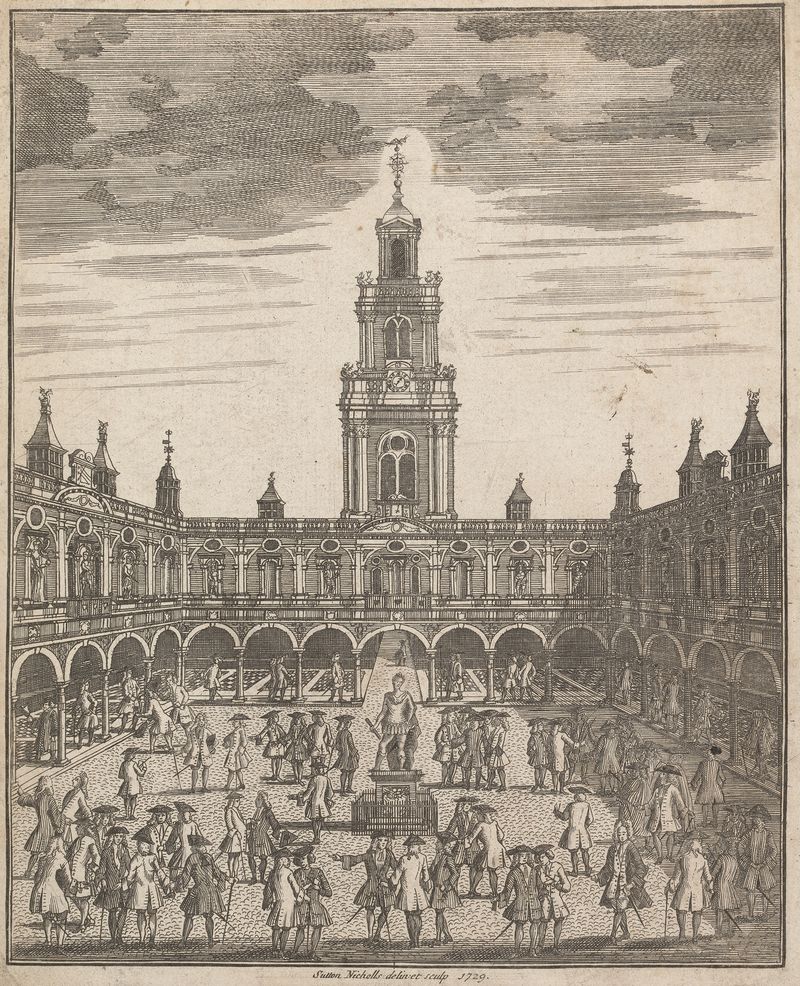
A View of the Royal Exchange Interior Court
Sutton Nicholls
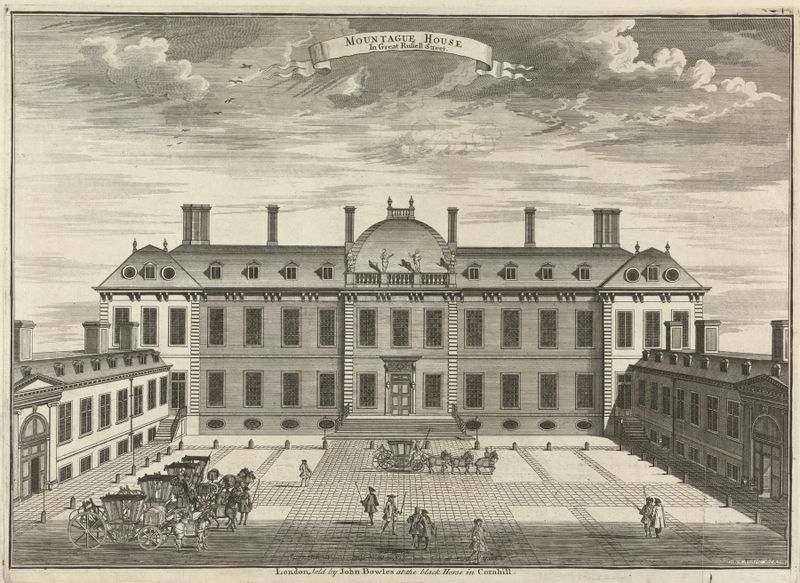
Montague House
Sutton Nicholls
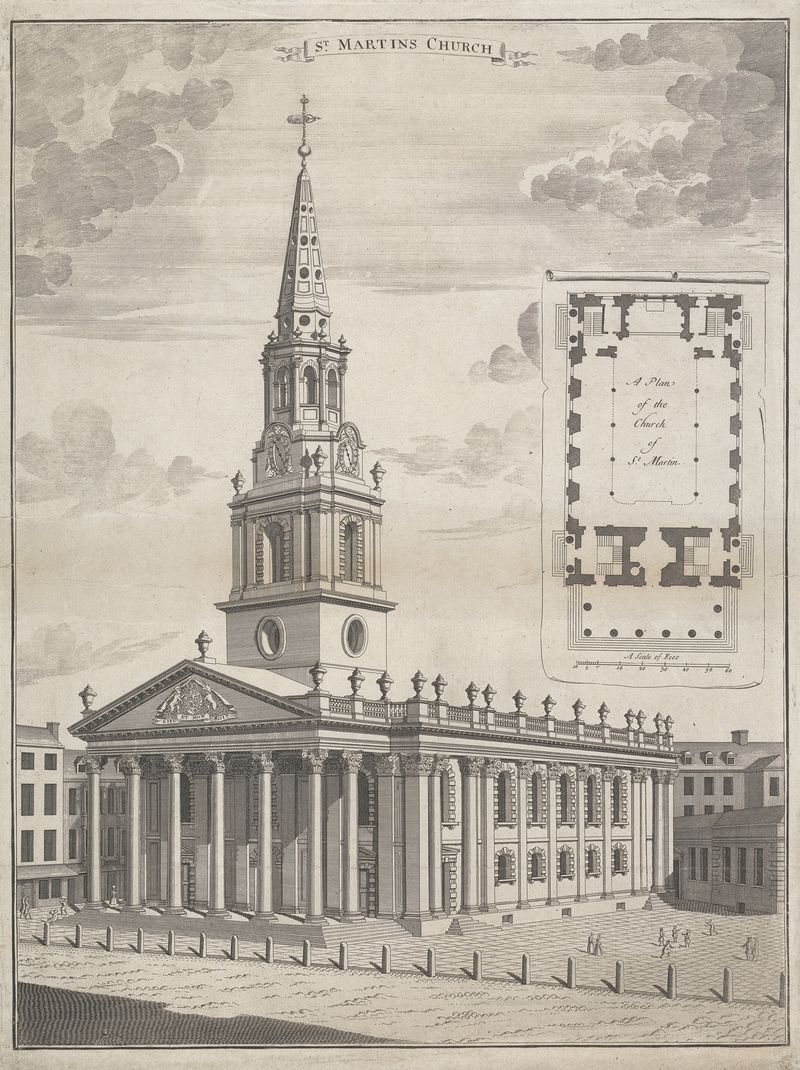
St. Martin’s Church
Sutton Nicholls
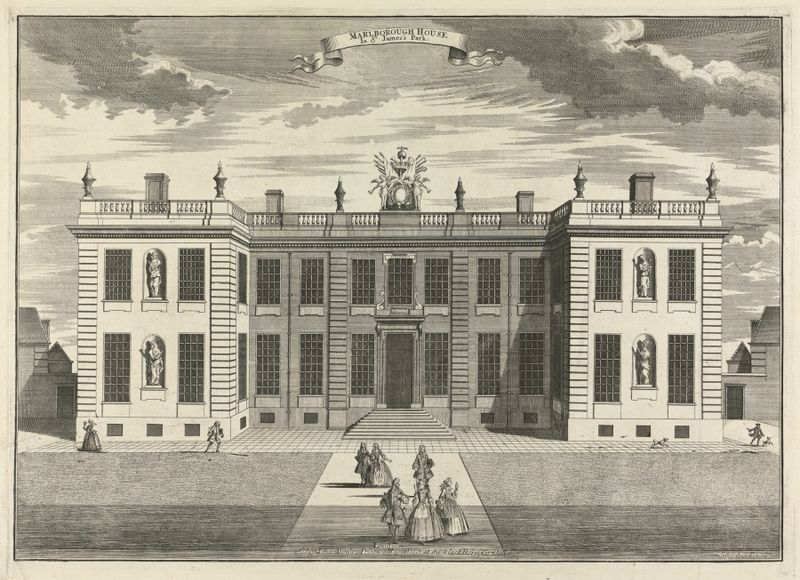
Marlborough House
Sutton Nicholls
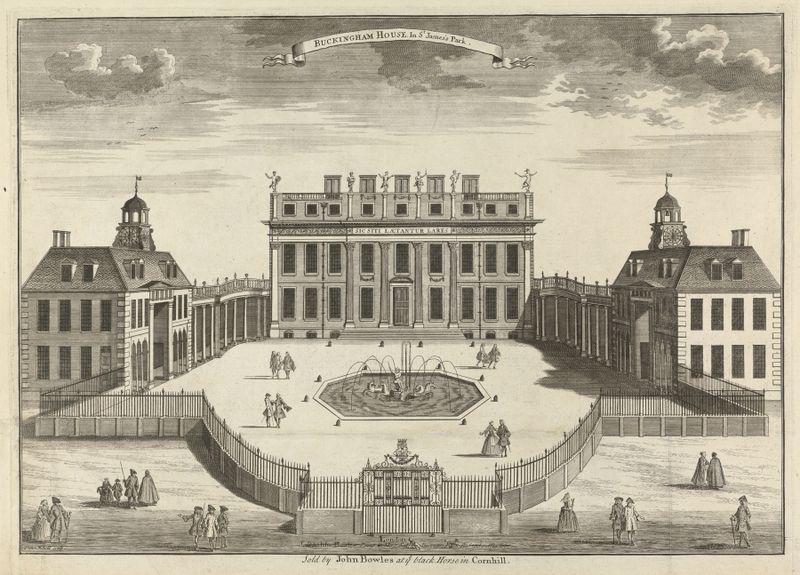
Buckingham House
Sutton Nicholls
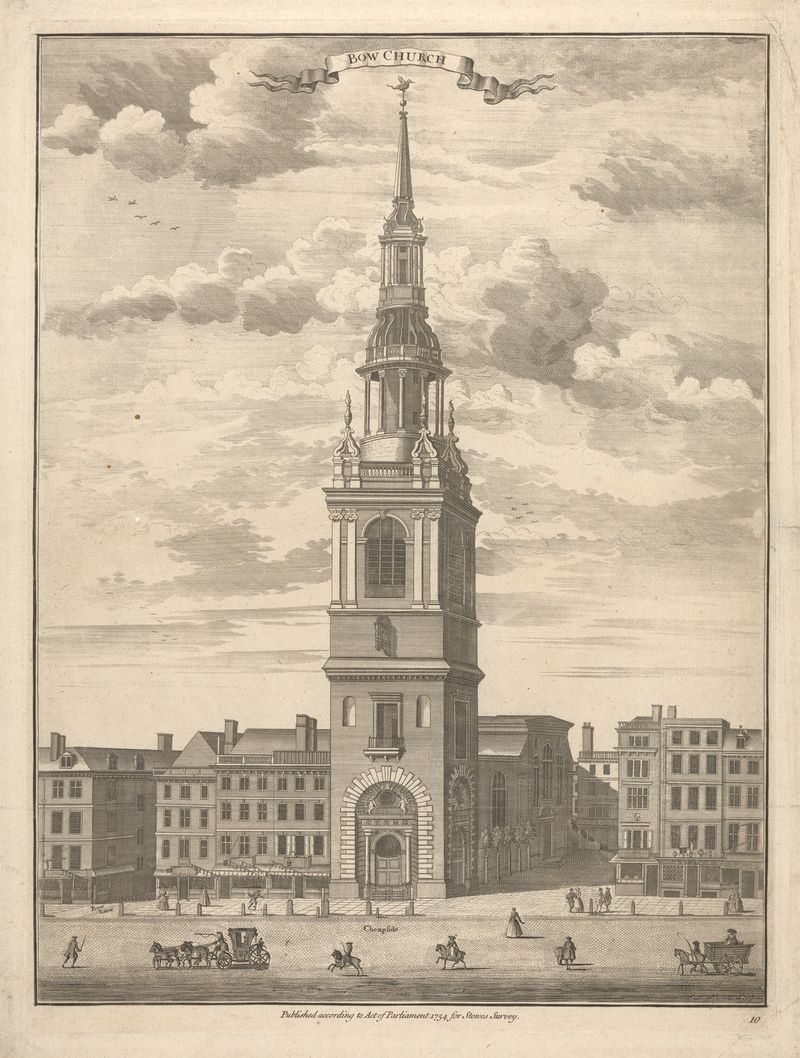
Bow Church
Sutton Nicholls
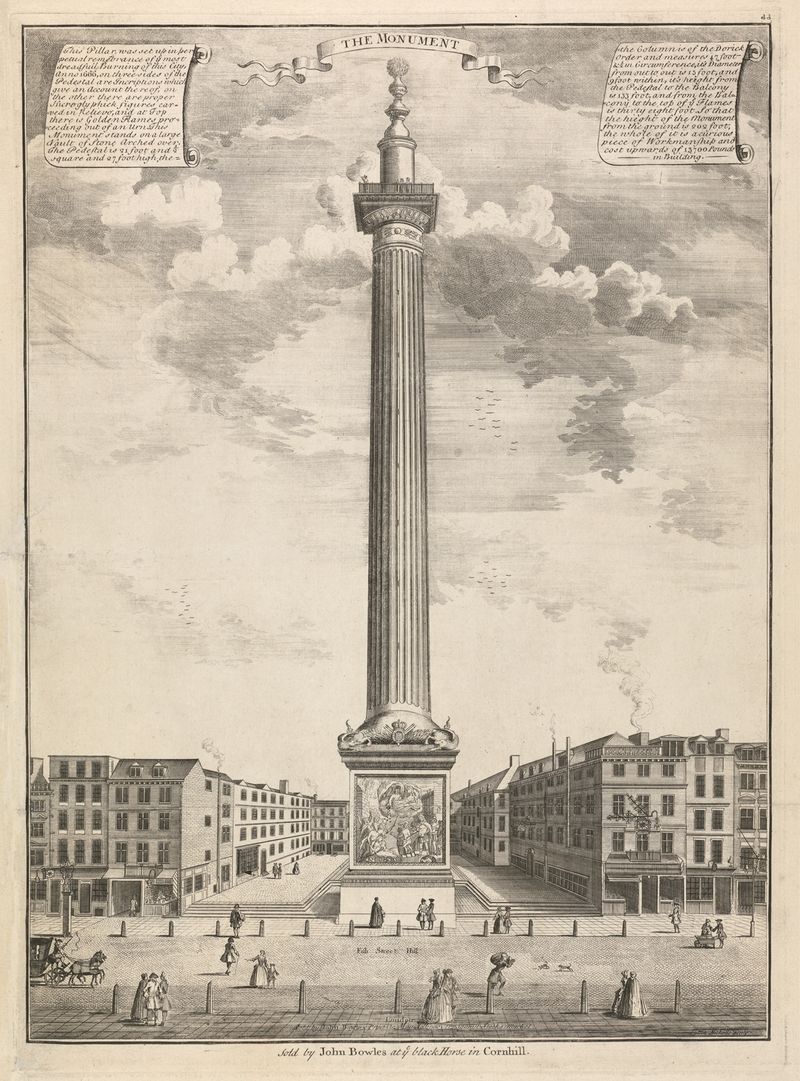
The Monument
Sutton Nicholls
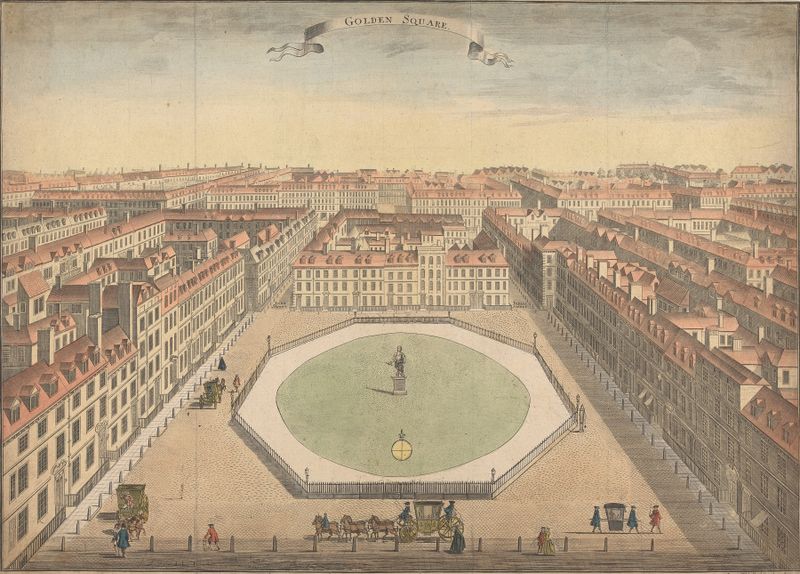
Golden Square
Sutton Nicholls

Charter-House Square for Stowes Surrey
Sutton Nicholls
Mais arte de Arquitetura
Ver tudo →
The statue of Liberty
Frédéric Auguste Bartholdi

View of Houses in Delft, Known as ‘The Little Street’
Johannes Vermeer

View of Houses in Delft, Known as ‘The Little Street’
Johannes Vermeer

The Cathedral in Rouen. The portal, Grey Weather
Claude Monet

The yellow house
Vincent van Gogh

The Church in Auvers-sur-Oise, View from the Chevet
Vincent van Gogh