
St. Severin, Paris — História e Análise
The weight of this truth echoes through the stillness of St. Severin, Paris, a scene where loss delicately entangles with beauty. Look to the left at the intricate details of the cathedral’s façade, where the light filters through stained glass, casting soft hues across the ancient stone. Notice how the artist employs a warm palette, blending ochres and muted greens that evoke reverence and melancholy.
The composition draws the eye upward, as the soaring arches seem to cradle the sky, inviting viewers into a solemn embrace of the sacred. The play of light and shadow creates depth, emphasizing the cathedral’s grandeur while hinting at the passage of time. In the interplay of light and darkness lies a deeper narrative. The vivid contrasts suggest a longing for what has been lost—not merely the physical beauty of the church, but perhaps the spiritual connection to a bygone era.
Each brushstroke feels imbued with an ache for preservation, as if MacLaughlan sought to capture a fleeting moment of grace before it slipped away. The cathedral stands as a monument to both faith and the inevitable decay that all beauty faces. Donald Shaw MacLaughlan painted St. Severin in 1902 during a period marked by artistic exploration in Paris.
He was part of the vibrant community of expatriate artists, grappling with themes of identity and representation. This piece reflects his dedication to capturing the essence of his surroundings, embodying both the allure and the transience of the world he inhabited.
Mais obras de Donald Shaw MacLaughlan
Ver tudo →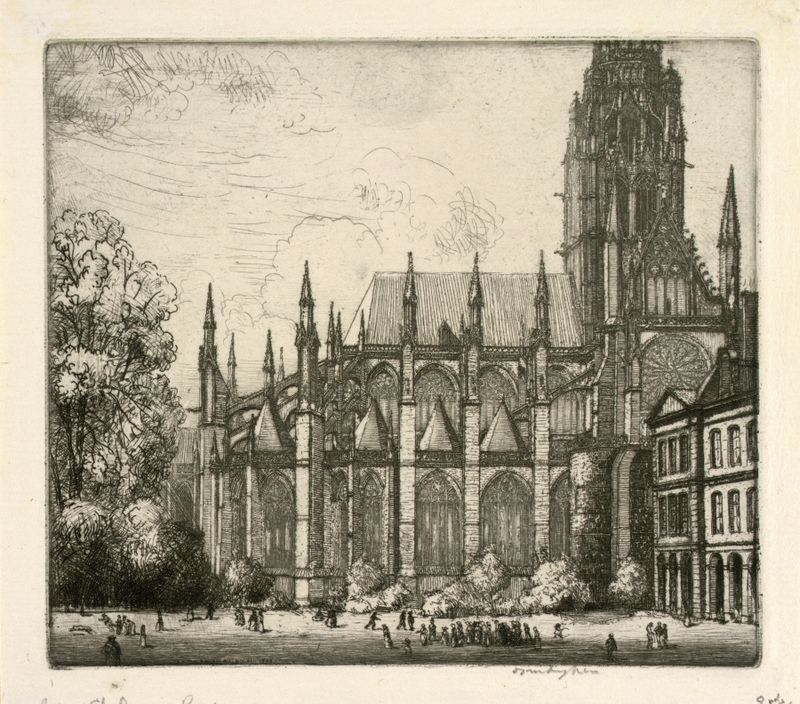
Saint-Ouen, Rouen
Donald Shaw MacLaughlan

Ruelle des Pigeons, Rouen
Donald Shaw MacLaughlan
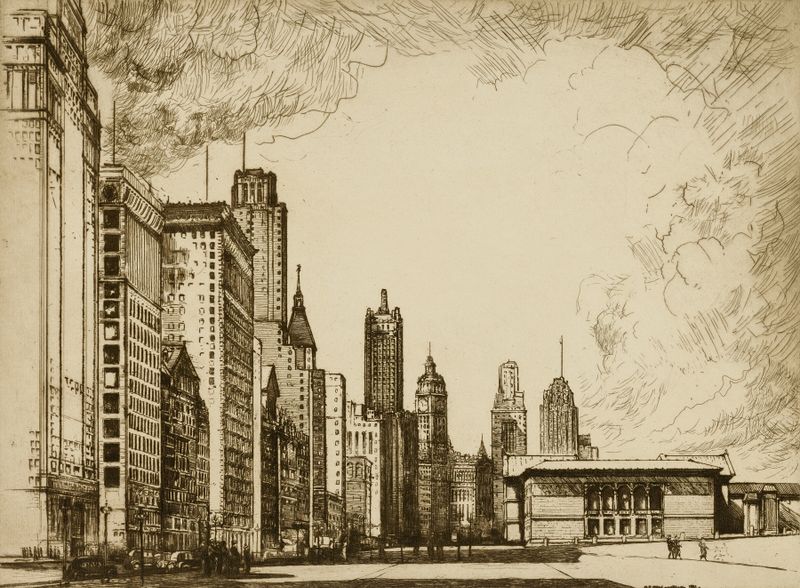
Chicago, Michigan Avenue no. 2
Donald Shaw MacLaughlan
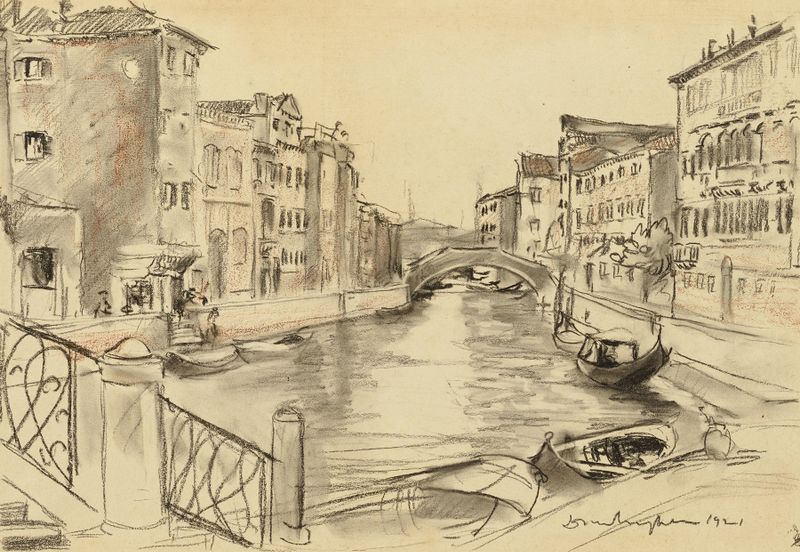
A Canal at Venice
Donald Shaw MacLaughlan
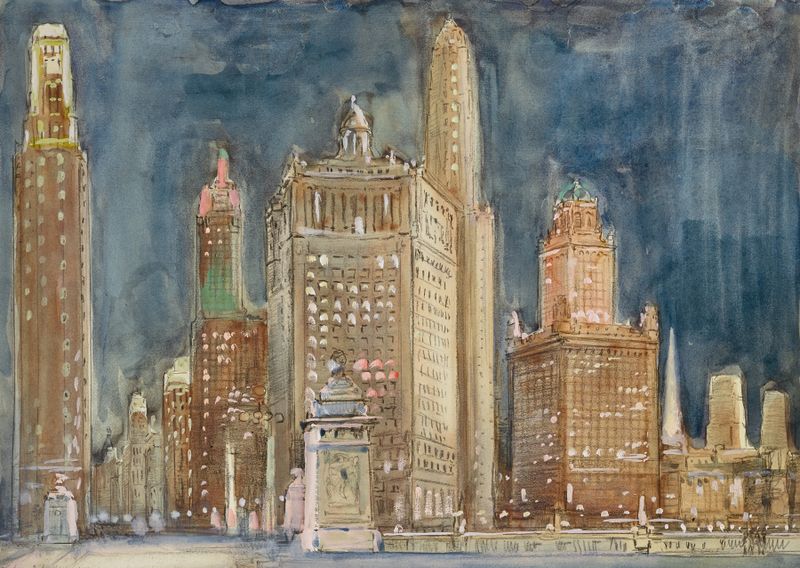
Chicago, London Guaranty Building
Donald Shaw MacLaughlan
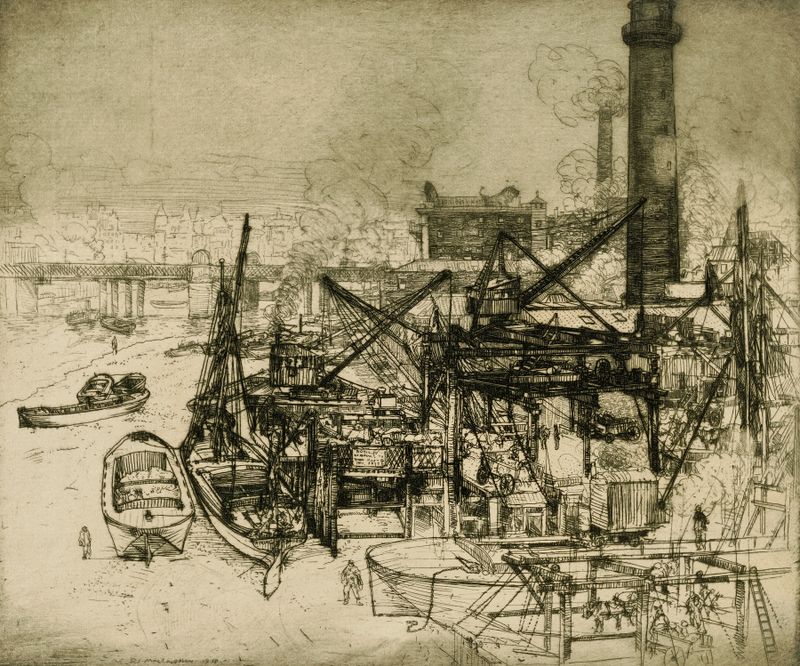
Chimneys and Cranes on the Thames
Donald Shaw MacLaughlan

London on the Thames
Donald Shaw MacLaughlan
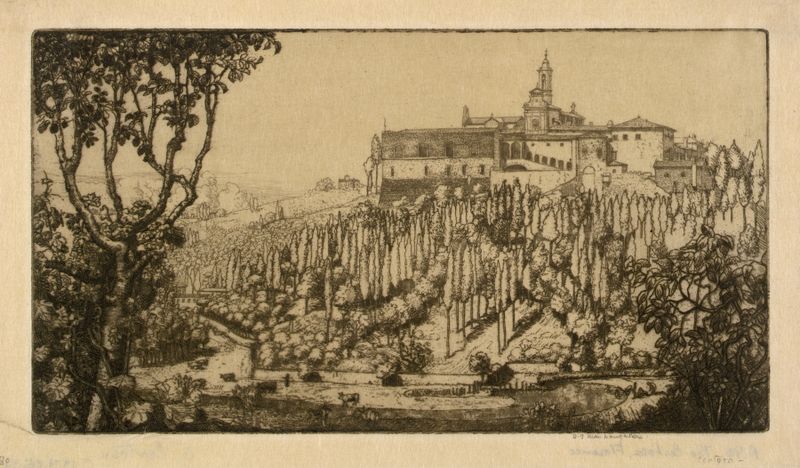
The Certosa, Florence
Donald Shaw MacLaughlan
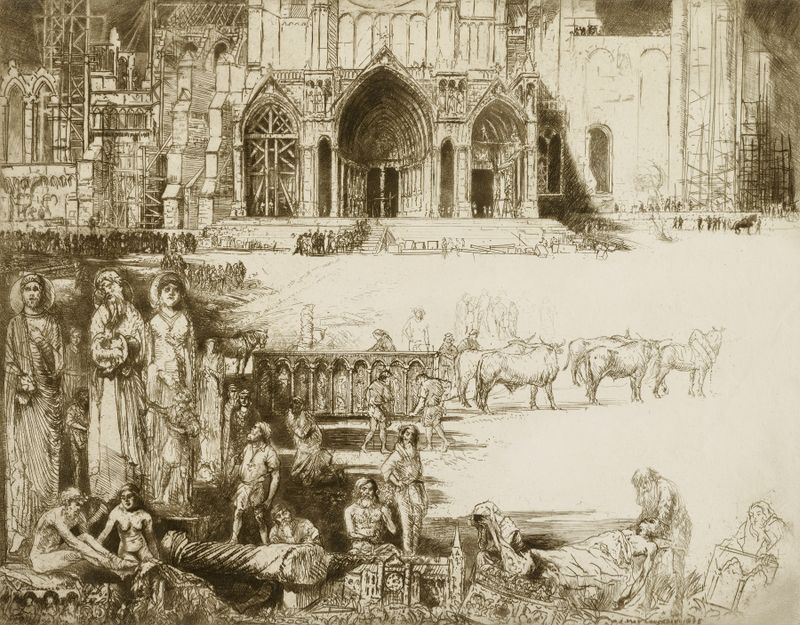
The Builders of Chartres Cathedral
Donald Shaw MacLaughlan

The Canal Life, Venice
Donald Shaw MacLaughlan
Mais arte de Arquitetura
Ver tudo →
The statue of Liberty
Frédéric Auguste Bartholdi

View of Houses in Delft, Known as ‘The Little Street’
Johannes Vermeer

View of Houses in Delft, Known as ‘The Little Street’
Johannes Vermeer

The Cathedral in Rouen. The portal, Grey Weather
Claude Monet

The yellow house
Vincent van Gogh

The Church in Auvers-sur-Oise, View from the Chevet
Vincent van Gogh