
Stiftskirche Stuttgart — História e Análise
When did color learn to lie? The vibrant hues in Stiftskirche Stuttgart evoke both reverence and ambiguity, crafting a dialogue between reality and the imagination. Through the artist's hand, the sacred space transforms into a symphony, not just of stone and glass, but of emotions intertwined with creation. Look to the left where the stained glass glimmers with an array of celestial blues and radiant yellows. The sunlight filters through these intricately designed panes, casting a kaleidoscope of colors onto the stone floor below.
Notice how the light dances and shifts, breathing life into each corner of the church, while the finely rendered details of the architecture draw your gaze upward, inviting contemplation of the heavens. Yet, the brilliance of the colors belies a deeper tension. The interplay between light and shadow reveals not merely a physical space but an emotional landscape, hinting at both the divine and the mortal struggles within its walls. The juxtaposition of the warm lights and cool shadows creates a sense of harmony that masks the complexities of faith, aspiration, and doubt, leaving viewers questioning the nature of truth in spiritual experience. Franz Alt painted Stiftskirche Stuttgart in 1869 during a period marked by both artistic innovation and societal change.
Working in Germany, he was part of a movement that sought to capture the profound beauty of sacred architecture through the lens of natural light. His focus on the interplay of color and form reflected the broader Romantic ideals of the era, emphasizing emotion, individuality, and the connection between humanity and the divine.
Mais obras de Franz Alt
Ver tudo →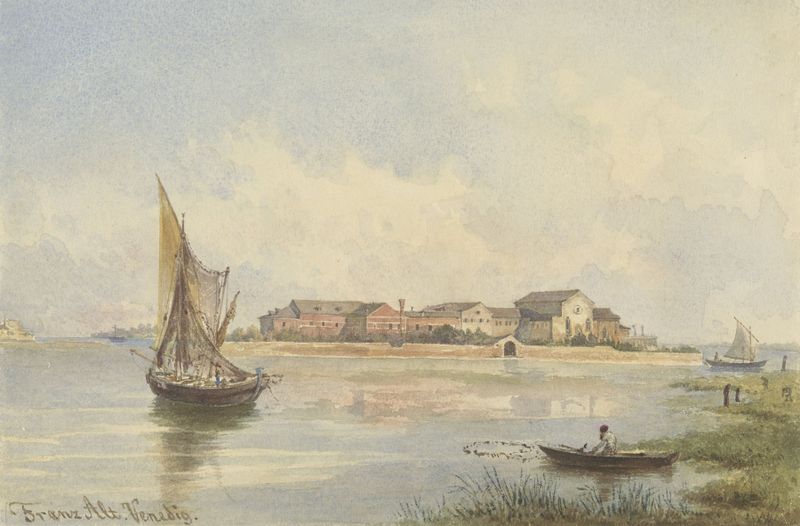
Gezicht op de Lagune te Venetië
Franz Alt
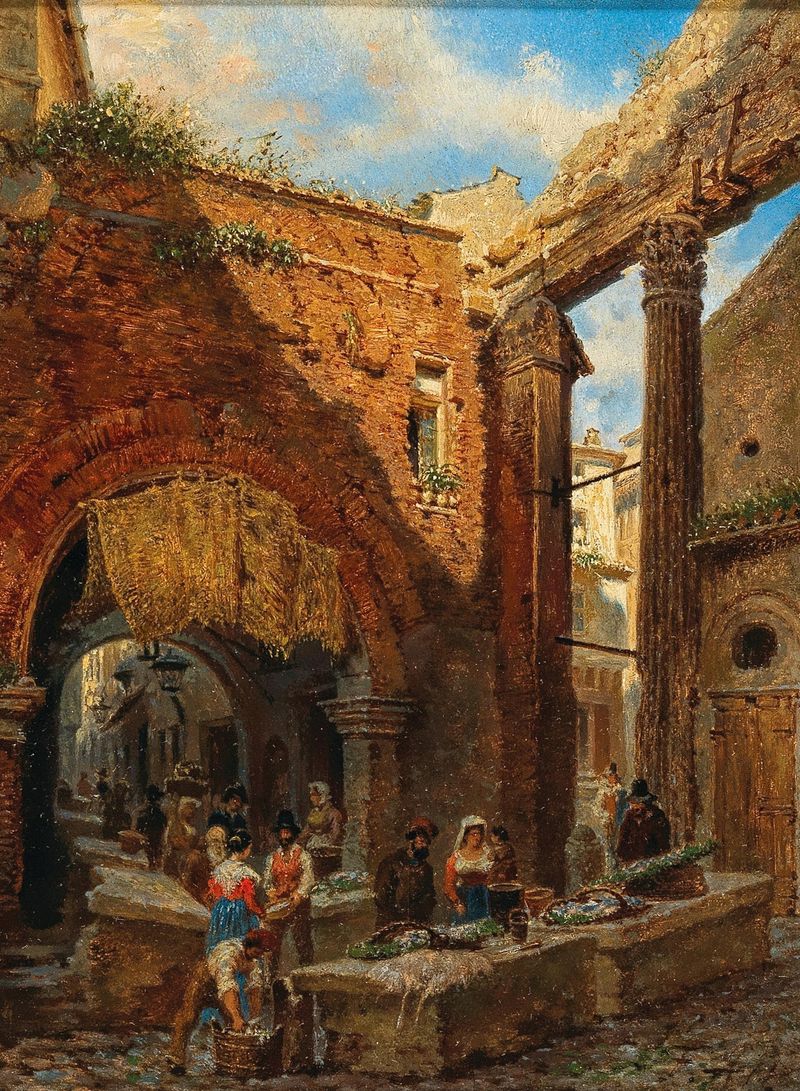
Rom Portico di Ottavia mit dem alten Fischmarkt
Franz Alt
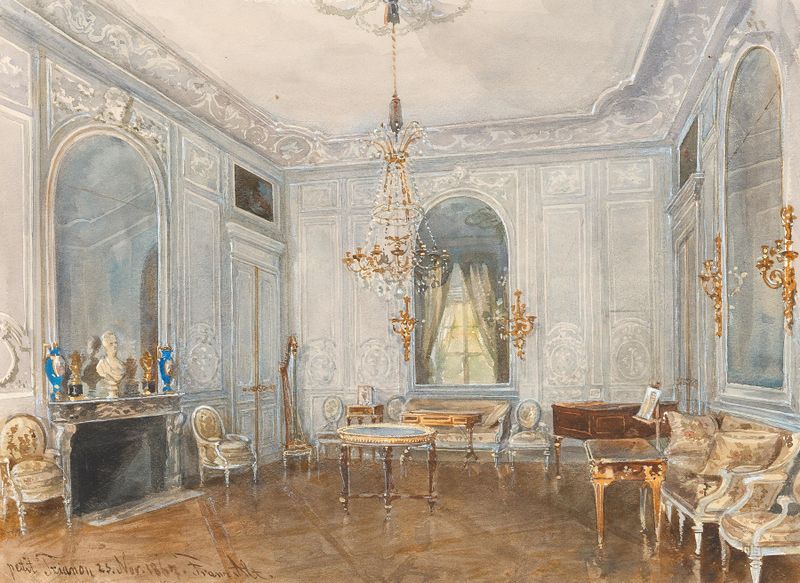
The dining room in the Petit Trianon, Versailles
Franz Alt

Blick in den Mailänder Dom
Franz Alt

Galerie d’Apollon in the Louvre, Paris
Franz Alt
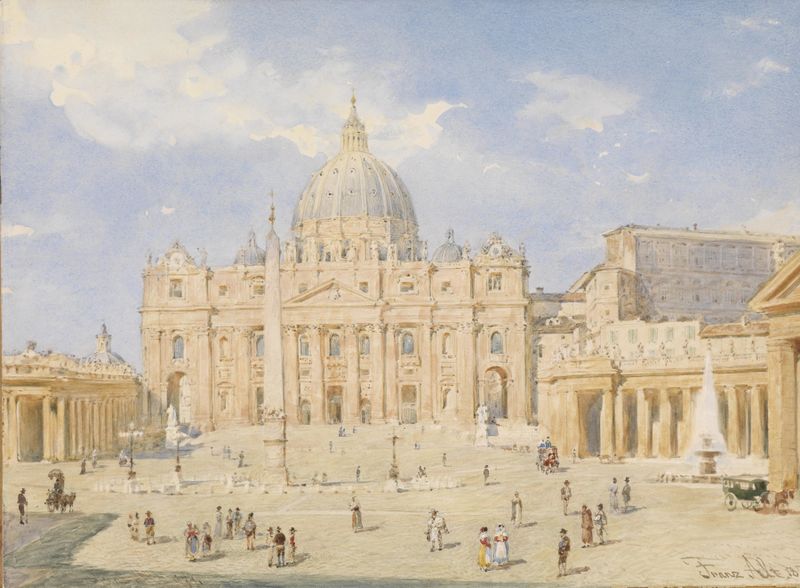
Petersplatz Rom
Franz Alt

Rome, a View of the Portico di Ottavia with the Old Fish Market
Franz Alt
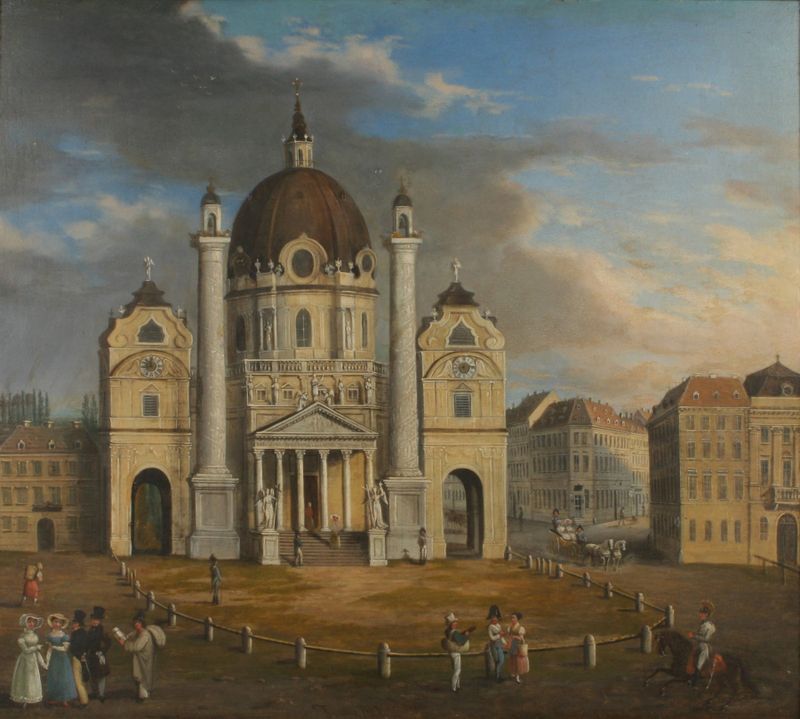
Blick auf die Karlskirche
Franz Alt

Dresden Stiege zur Brühlschen Terrasse
Franz Alt
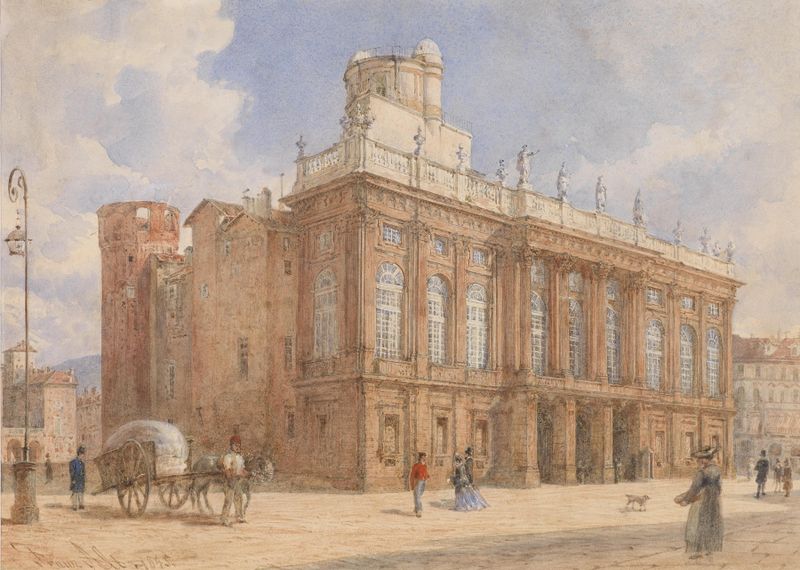
Castello Reale in Turin
Franz Alt
Mais arte de Arquitetura
Ver tudo →
The statue of Liberty
Frédéric Auguste Bartholdi

View of Houses in Delft, Known as ‘The Little Street’
Johannes Vermeer

View of Houses in Delft, Known as ‘The Little Street’
Johannes Vermeer

The Cathedral in Rouen. The portal, Grey Weather
Claude Monet

The yellow house
Vincent van Gogh

The Church in Auvers-sur-Oise, View from the Chevet
Vincent van Gogh