
Strandwagen — História e Análise
In its stillness, it reflects the voids we often avoid, echoing a profound truth about existence and the spaces we inhabit. Look to the left at the skeletal framework of the strandwagen, a beach cart poised for a journey yet no destination in sight. The muted palette of grays and browns creates a sense of desolation, while soft brushstrokes evoke the texture of sand that almost begs to be touched. Notice how the light, diffused and melancholy, filters through the empty spaces, casting elongated shadows that suggest movement but hold stillness, emphasizing the intersection of absence and presence. Each detail imbues the work with layers of meaning—perhaps an exploration of solitude and the fleeting nature of time.
The cart, a symbol of readiness, stands lifeless, reflecting mankind's aspiration against the backdrop of an empty expanse. It conjures a narrative of longing, framed within the broader context of a post-war landscape yearning for revival yet haunted by the repercussions of loss. In 1922, Rudolf Grossmann created this piece against a backdrop of societal upheaval and introspection in Europe. The aftermath of World War I left many grappling with questions of identity and purpose, and Grossmann, influenced by the shifting tides of expressionism, sought to portray the existential struggles of his time.
His work resonates with the search for meaning amidst the silence that envelops the modern human experience.
Mais obras de Rudolf Grossmann
Ver tudo →
Nieuwpoort
Rudolf Grossmann
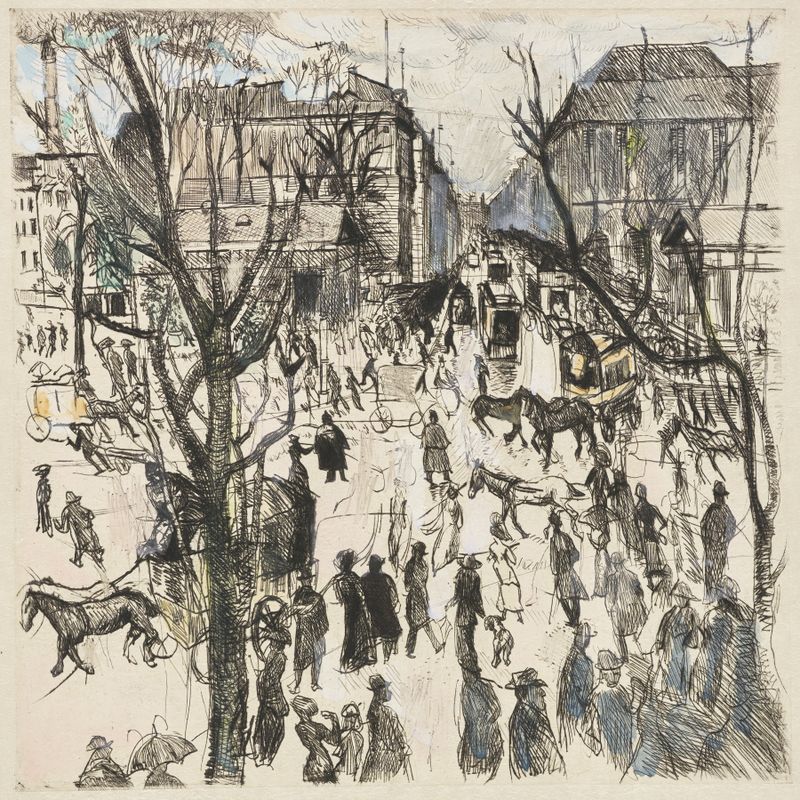
Potsdamer Platz
Rudolf Grossmann
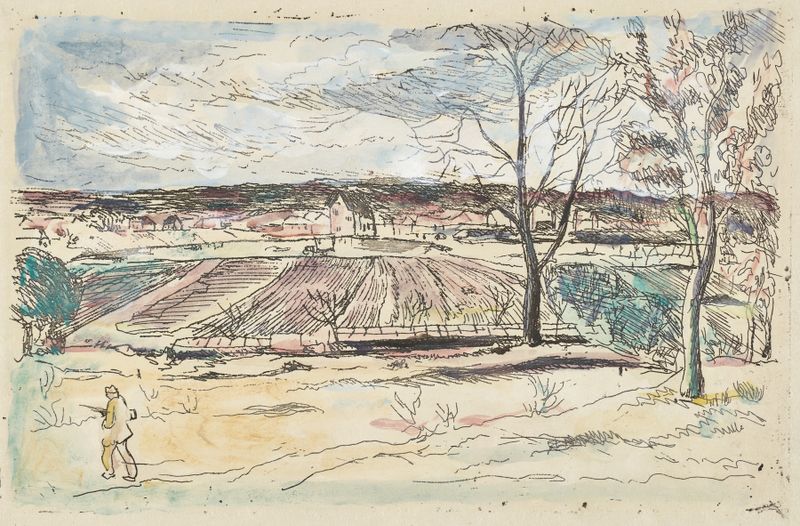
Lichterfelde
Rudolf Grossmann

Street in Autumn
Rudolf Grossmann
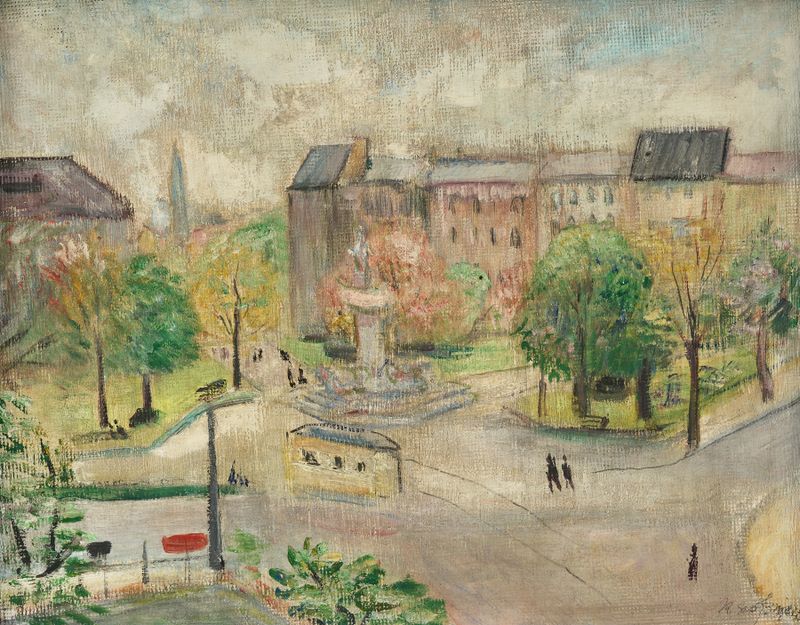
Lützowplatz
Rudolf Grossmann
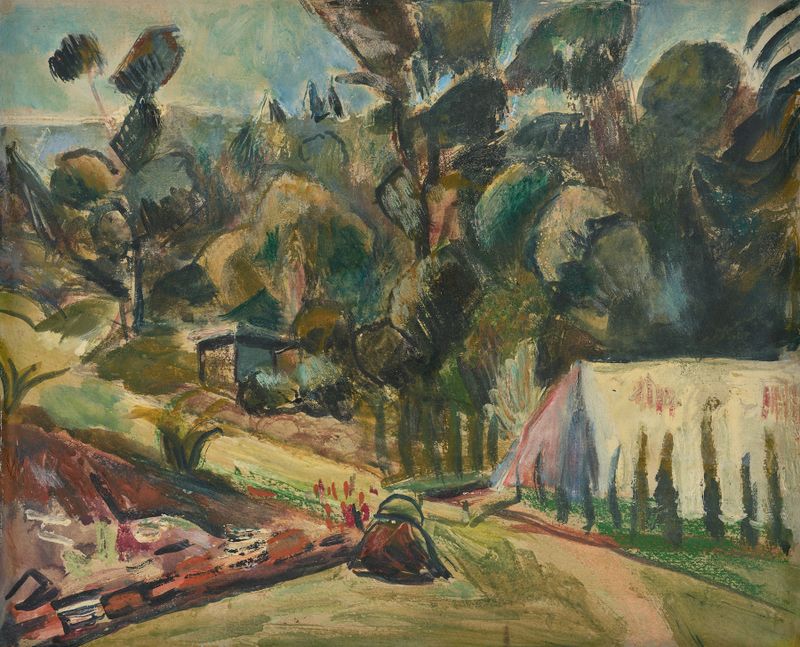
Landschaft mit Zelt
Rudolf Grossmann

Ostend Fish Market
Rudolf Grossmann
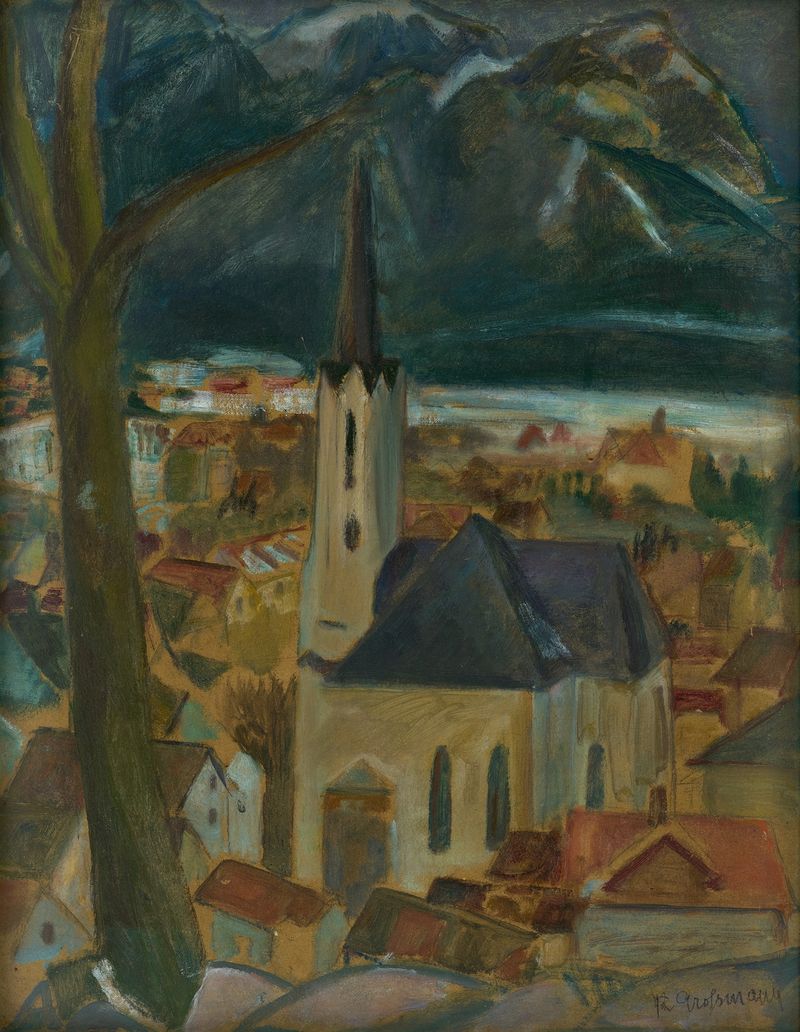
Partenkirchen.
Rudolf Grossmann
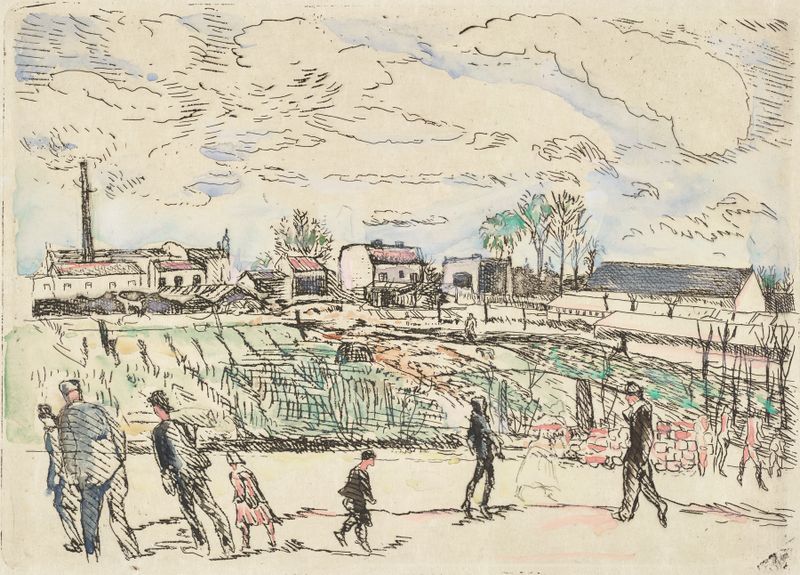
Berliner-Vorstadt Machnow
Rudolf Grossmann
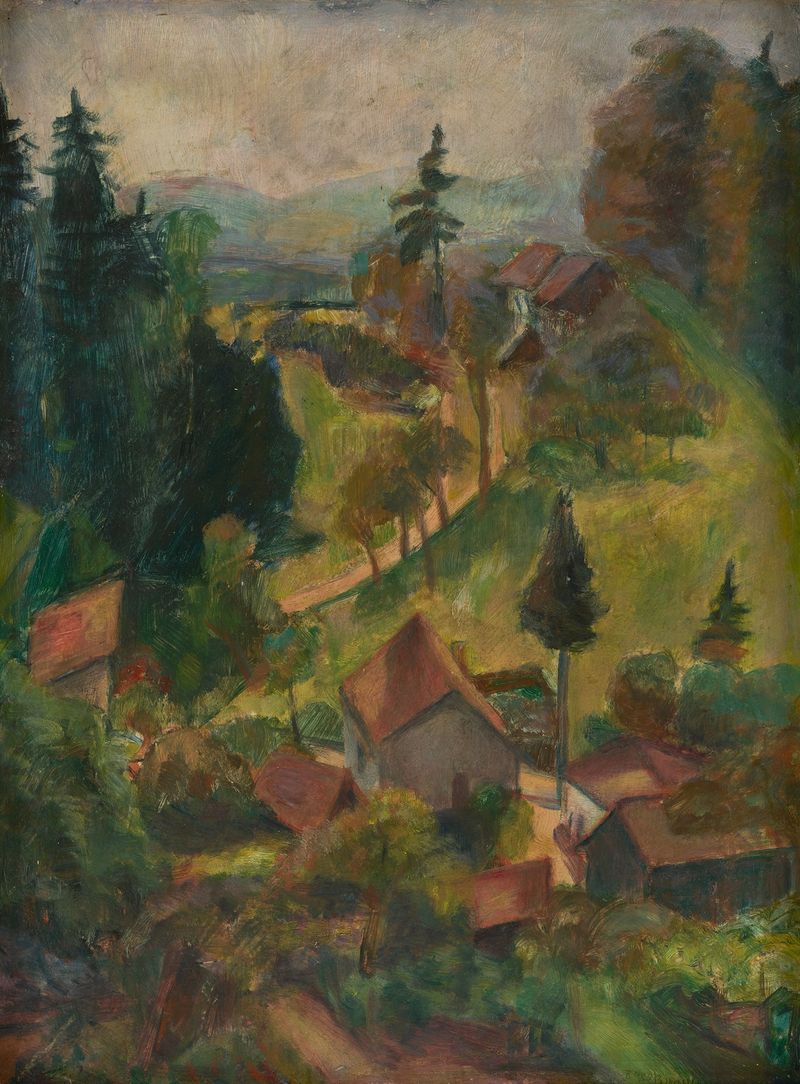
Dorflandschaft
Rudolf Grossmann





