Study — História e Análise
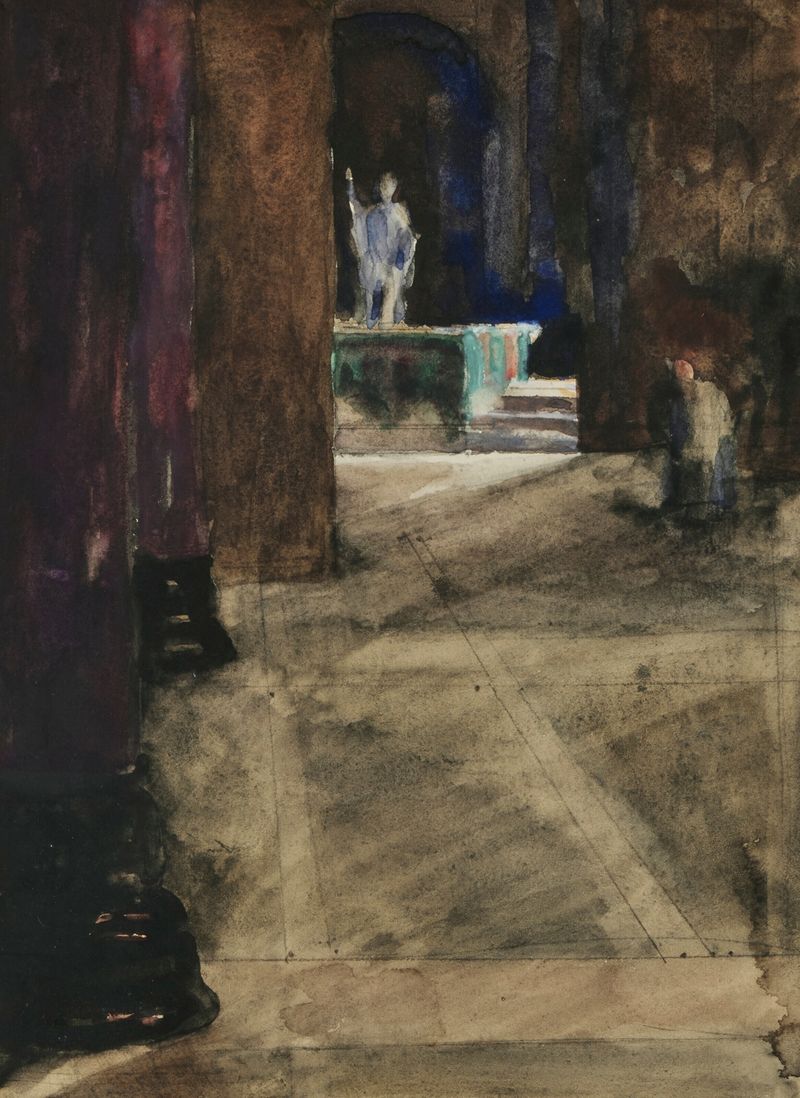
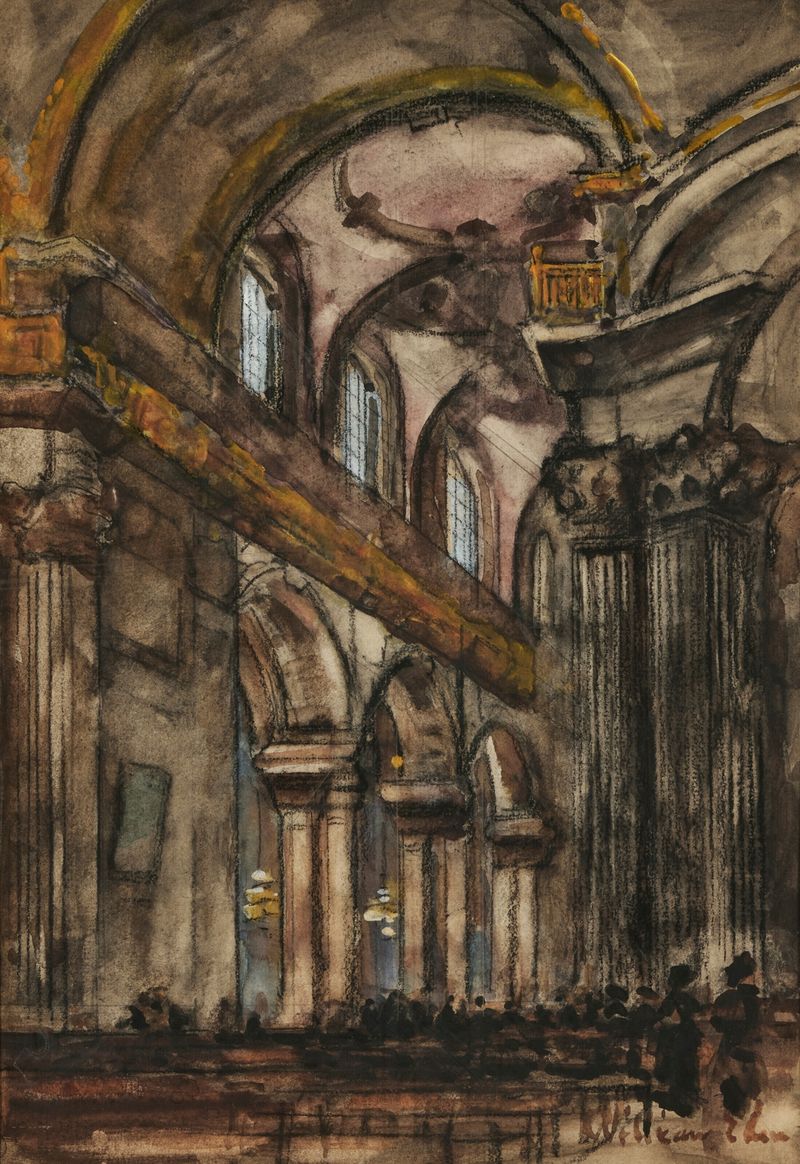
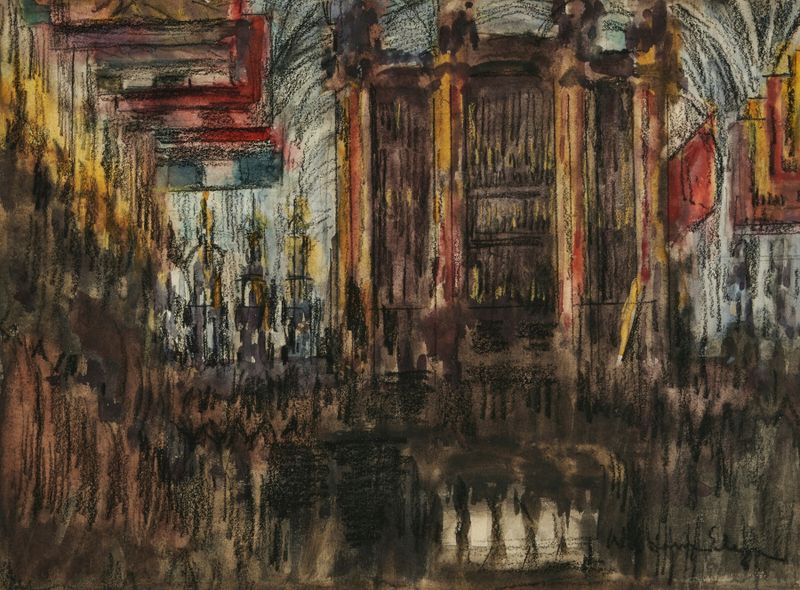
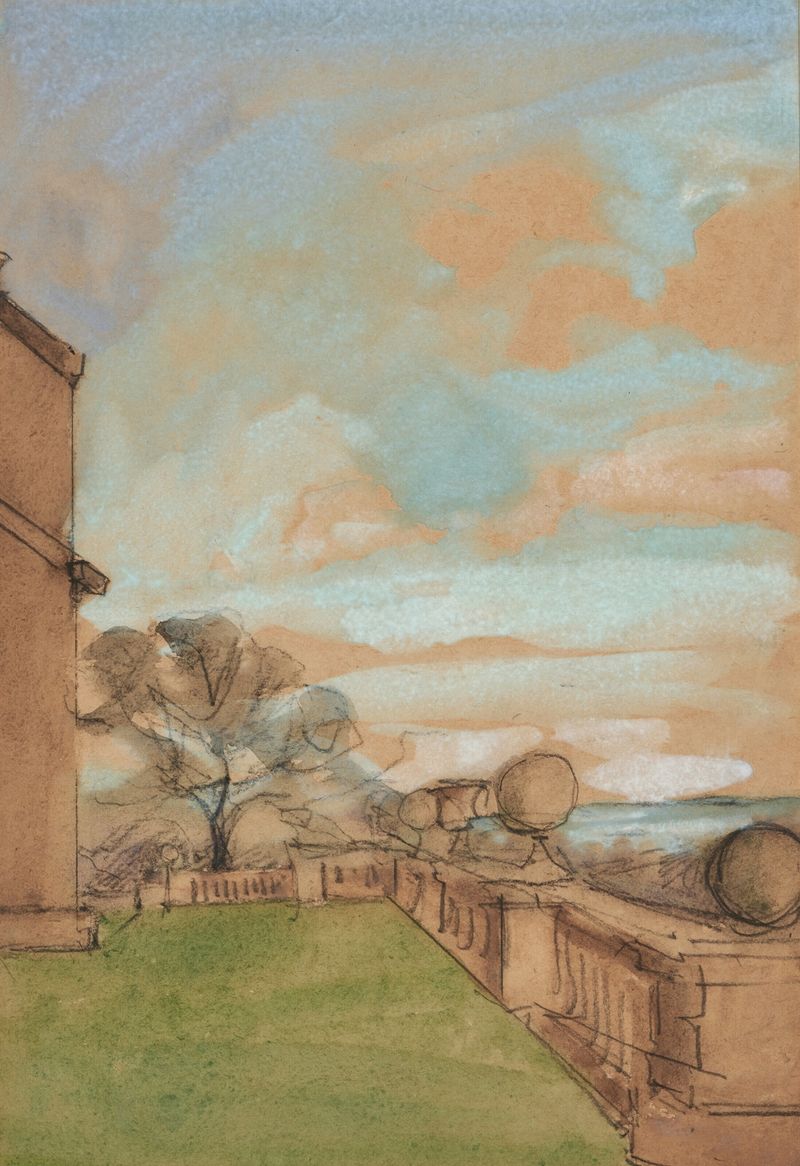
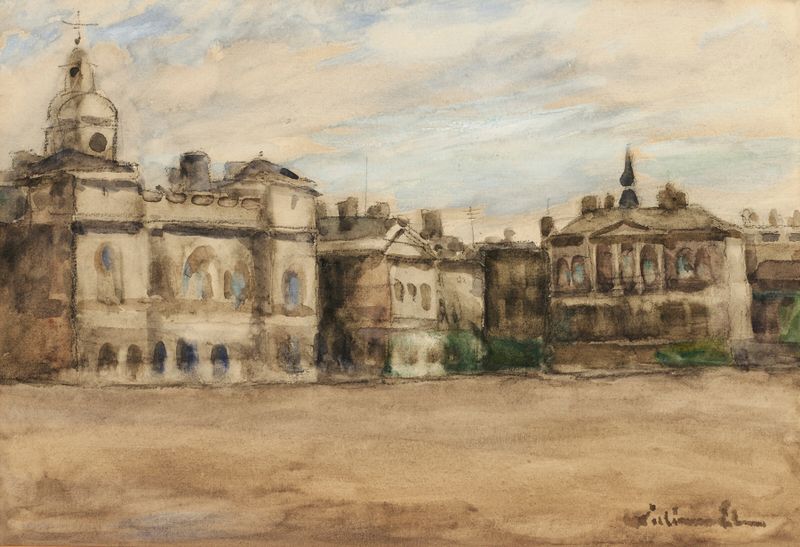
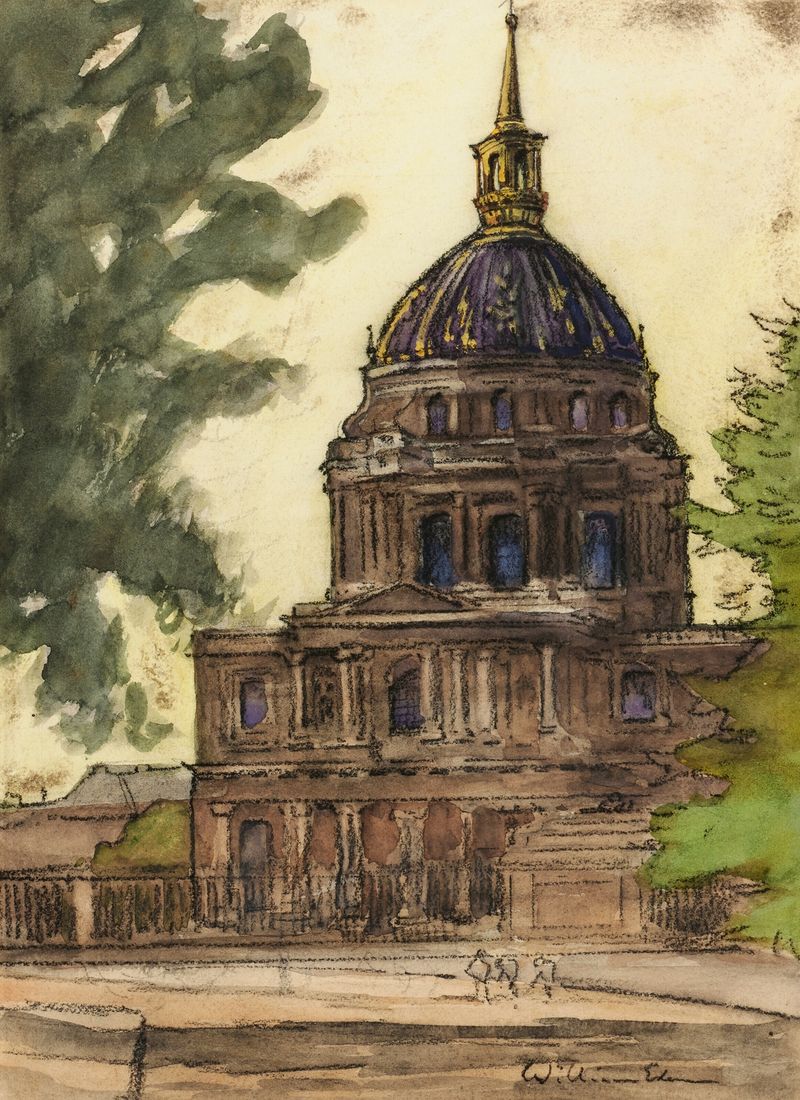
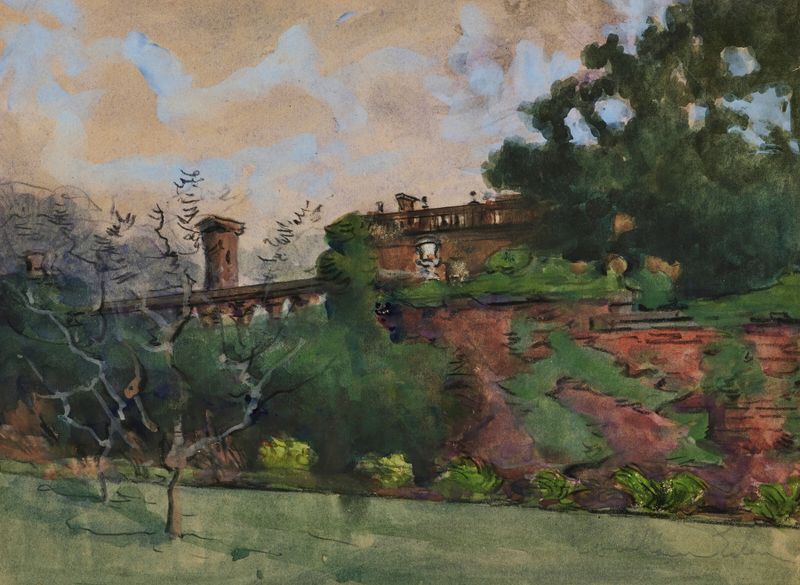
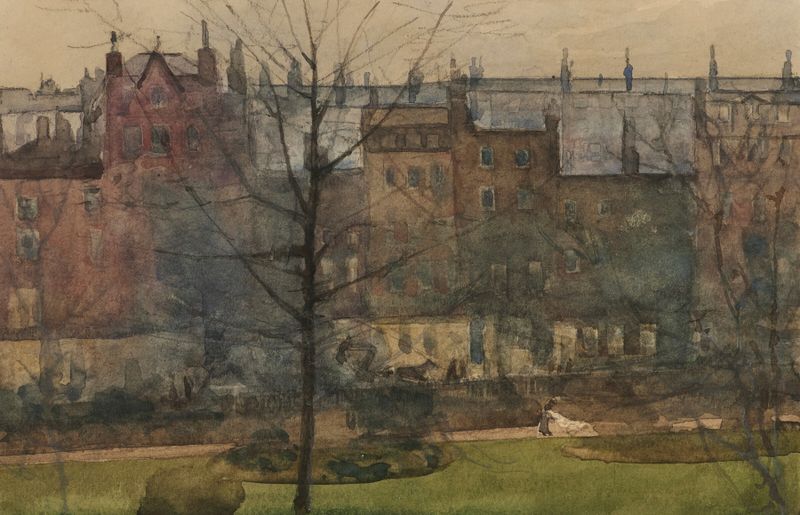
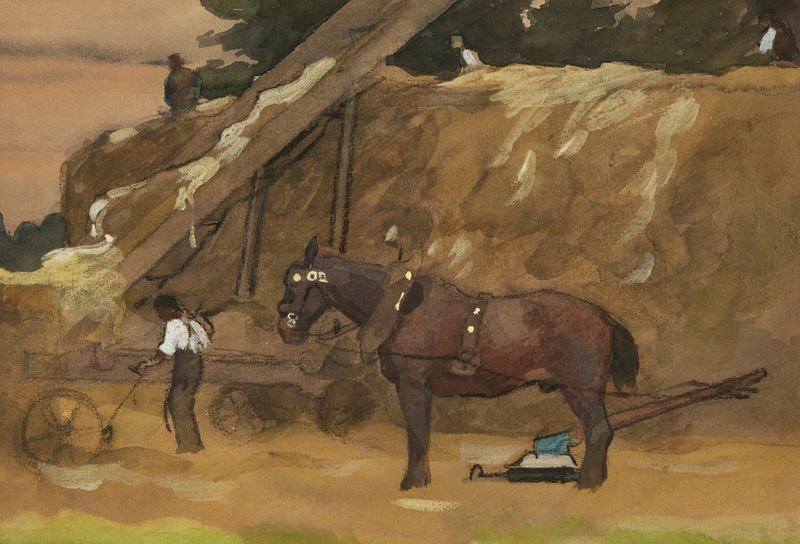
When did color learn to lie? The vibrancy of hues can often deceive, masking the deeper yearnings they embody. In Study, the interplay of light and shade invokes a sense of longing, as if the colors themselves are whispering secrets of unfulfilled desire. Look to the foreground, where rich, deep tones converge into a delicate balance that captures the eye. Notice how the light gently caresses the surface, accentuating the textures and inviting the viewer to explore the depth beyond mere appearance.
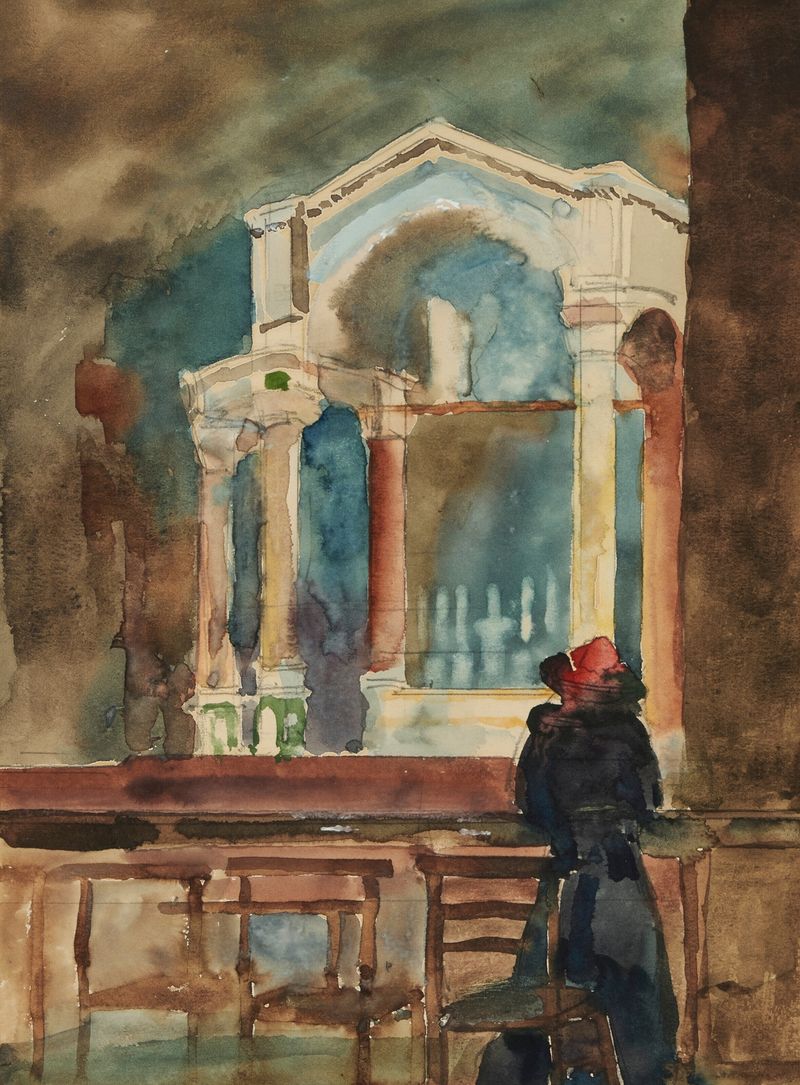
The use of contrasting colors creates a dynamic tension, pulling one into the heart of the piece, while the softer edges suggest fleeting moments, like memories drifting just out of reach. Within the layers of color, there lies an emotional complexity. The vibrant reds and muted blues seem to play a dance of tension, reflecting the duality of passion and melancholy. This juxtaposition resonates with the theme of yearning — a desire for connection, understanding, or perhaps resolution.
Each stroke of the brush reveals a fragment of a story, evoking both beauty and sadness, making the viewer confront their own emotional landscapes. At the time of its creation, Sir William Eden was navigating a world rich with artistic exploration and innovation, likely influenced by the evolving styles around him. The date remains uncertain, yet his works often captured the nuances of the human experience, suggesting a desire to translate the ineffable into tangible form. The art world was shifting, and Study stands as a testament to his engagement with those changes, encapsulating the essence of longing in a formative era.