
Sur La Plage — História e Análise
Could beauty survive in a century of chaos? This question lingers in the air, echoing within the gentle brush strokes and sunlit palettes of serene landscapes. Art, indeed, becomes a refuge, a yearning for moments untouched by turmoil. Look to the warm hues that saturate the canvas, as golden sunlight dances upon the figures gathered by the shore. The soft blues and greens of the sea invite your gaze, drawing you toward the playful waves encroaching upon the beach.
Notice how the light falls upon the figures, casting dappled shadows that suggest a delicate yet vibrant interplay of life and nature. In every detail, there exists an emotional contrast—between the stillness of the figures and the rhythmic pulse of the ocean. The carefree laughter of the beachgoers juxtaposes the distant, unyielding horizon, hinting at both joy and an underlying melancholy. The artist captures a fleeting moment, a celebration of leisure that hints at a deeper yearning for connection, tranquility, and escape from the outside world's chaos. Henri Lebasque painted this scene in the early 20th century, a time marked by significant changes in society and art.
Working primarily in France, he was influenced by the post-impressionist movement, which emphasized color and light. As the world braced for the upheaval of the Great War, he sought solace in capturing moments of bliss, creating a timeless reminder of beauty amid uncertainty.
Mais obras de Henri Lebasque
Ver tudo →
Sur les bords de la Marne
Henri Lebasque

Le Jardin Fleuri
Henri Lebasque

Voiliers dans le port de Saint-Tropez
Henri Lebasque
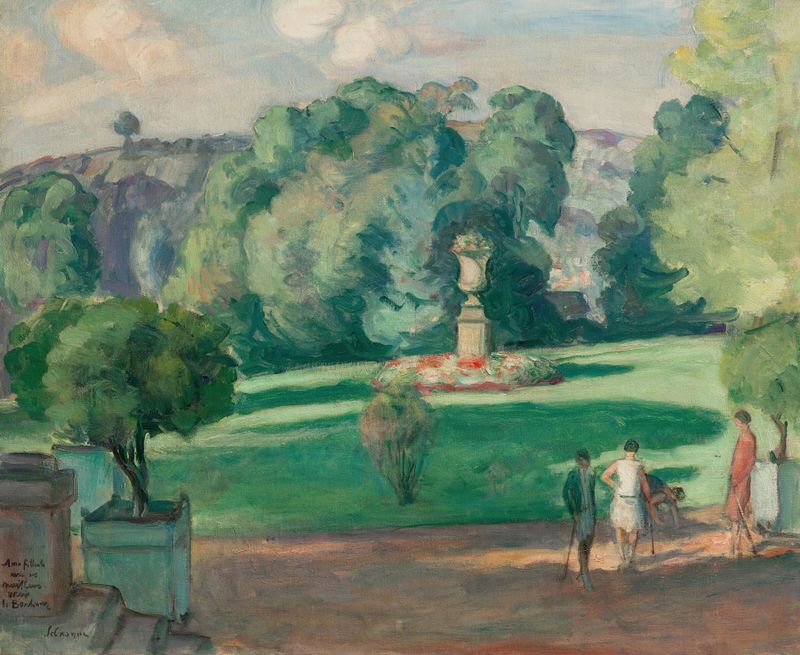
Joueurs de criket dans un parc
Henri Lebasque

Paysage de neige aux environs de Paris
Henri Lebasque
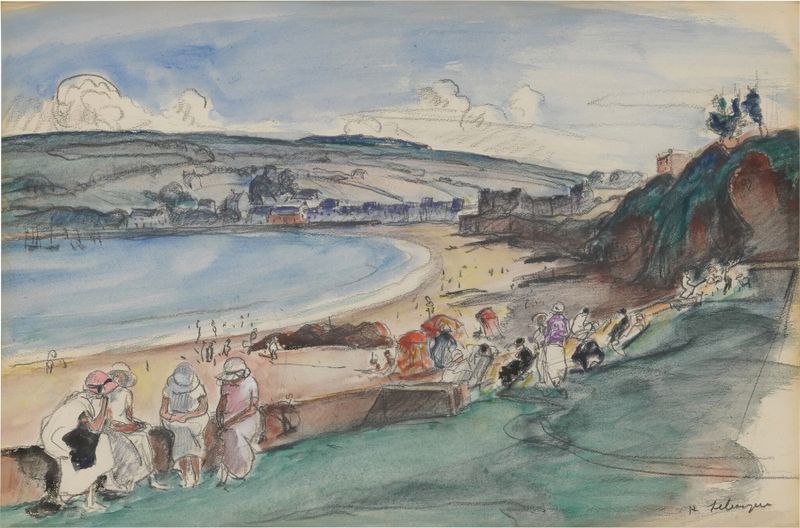
Paysage
Henri Lebasque

Jeunes Femmes Et Fillettes Dans Un Paysage
Henri Lebasque

Saint-Tropez, deux jeunes filles à la fontaine
Henri Lebasque

Le Repos sous les arbres
Henri Lebasque
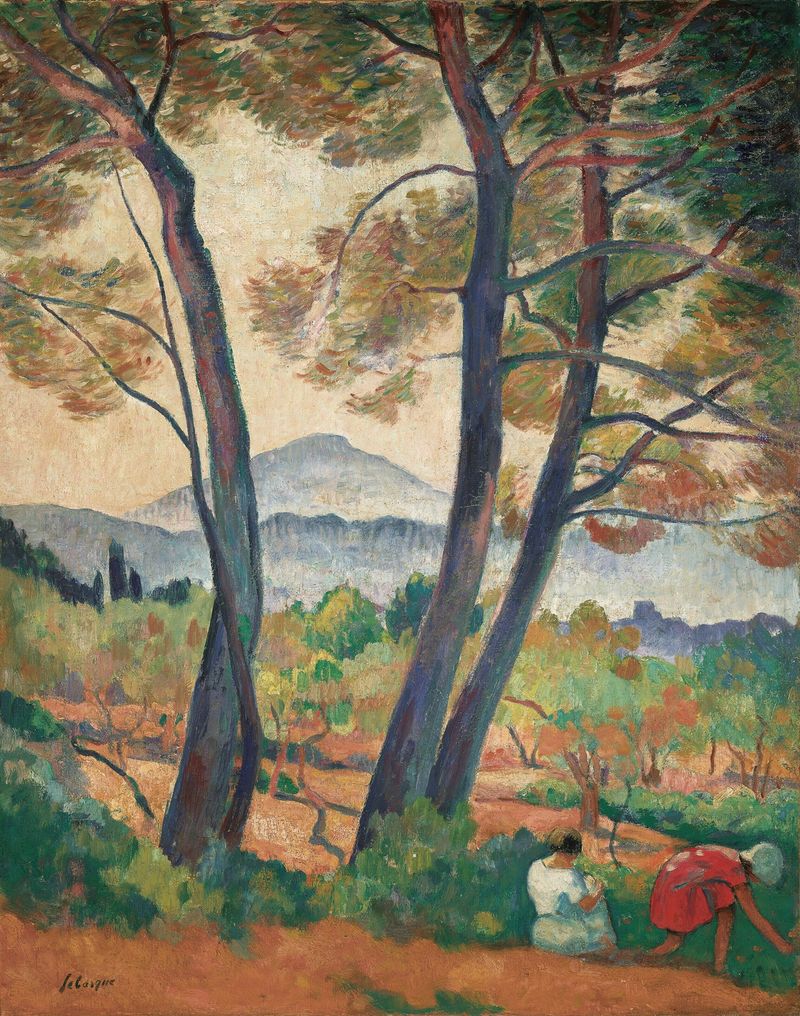
Sanary, vue sur le Cap Sicié
Henri Lebasque





