
Sur les rives du Bosphore — História e Análise
Who listens when art speaks of silence? The delicate interplay between light and shadow in Sur les rives du Bosphore evokes a sense of fragility, whispering stories of a world caught between past and present. Look to the horizon where the tranquil waters meld with the soft blush of dawn. The palette of gentle pastels invites you in, while the brushstrokes create a dreamlike quality, blurring the line between reality and imagination. Notice how Ziem captures the quiet ripples of the Bosphorus, where reflections dance like memories on the surface, beckoning the viewer to contemplate the ephemeral nature of existence. Hidden within the serene beauty are reminders of impermanence.
The slight tilt of the horizon suggests unease, a tension that belies the picturesque landscape. Shadows lengthen and deepen, hinting at stories untold—perhaps of longing or nostalgia—as the viewer is drawn into a moment suspended in time. Each stroke hints at the fragility of both nature and human emotion, encouraging reflection on the delicate balance of life itself. Félix Ziem created this piece amidst a period of artistic transition in the late 19th century, when Impressionism was gaining momentum.
Working primarily in Paris, he was influenced by the changing perceptions of light and color, seeking to bridge the gap between realism and abstraction. This painting reflects not only his mastery of landscapes but also a broader artistic dialogue about the fleeting nature of beauty in a rapidly modernizing world.
Mais obras de Félix Ziem
Ver tudo →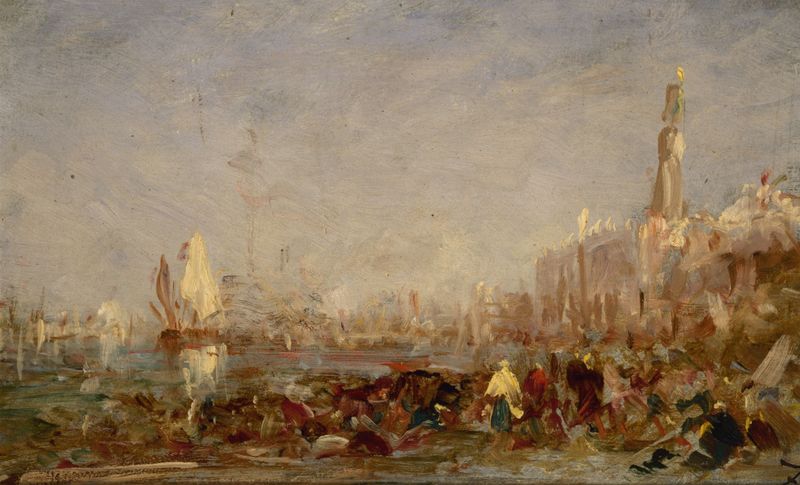
Venise
Félix Ziem
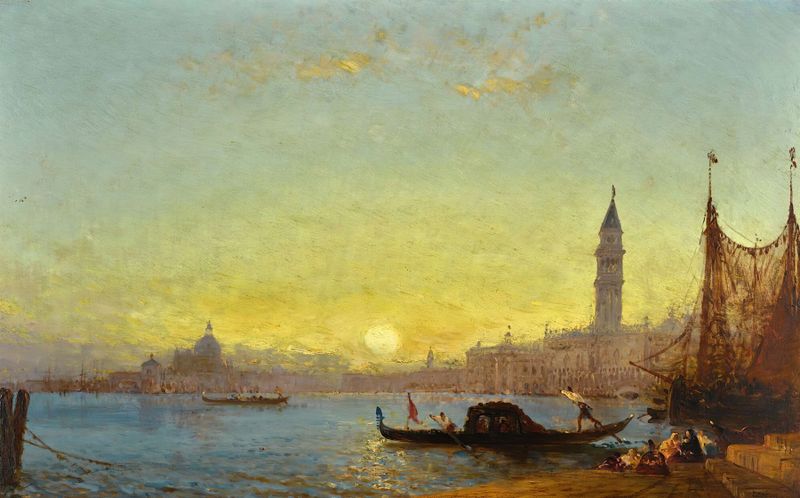
Coucher De Soleil À Venise
Félix Ziem
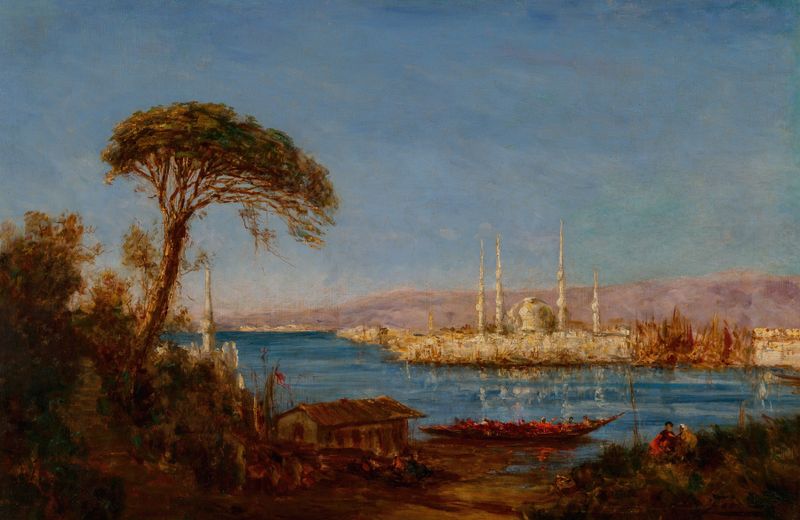
Constantinople
Félix Ziem
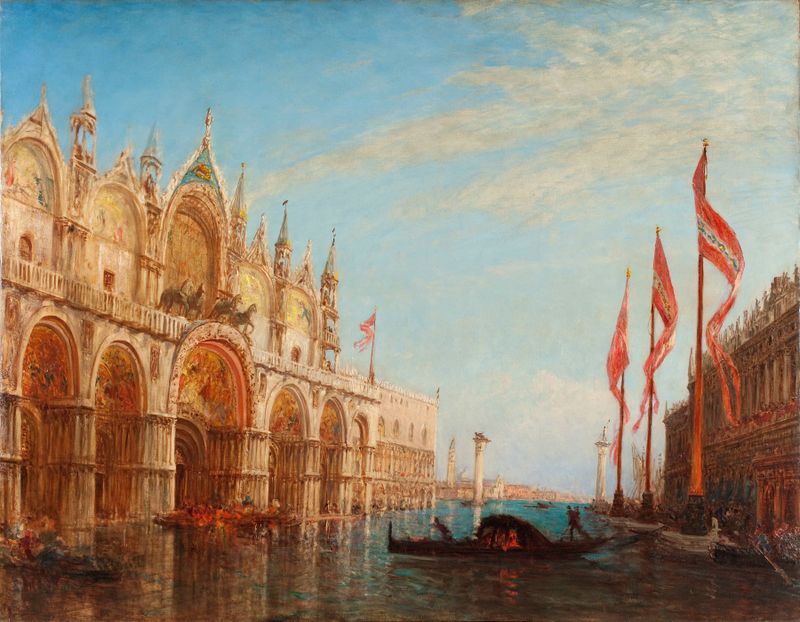
La place Saint-Marc, inondation de 1863
Félix Ziem
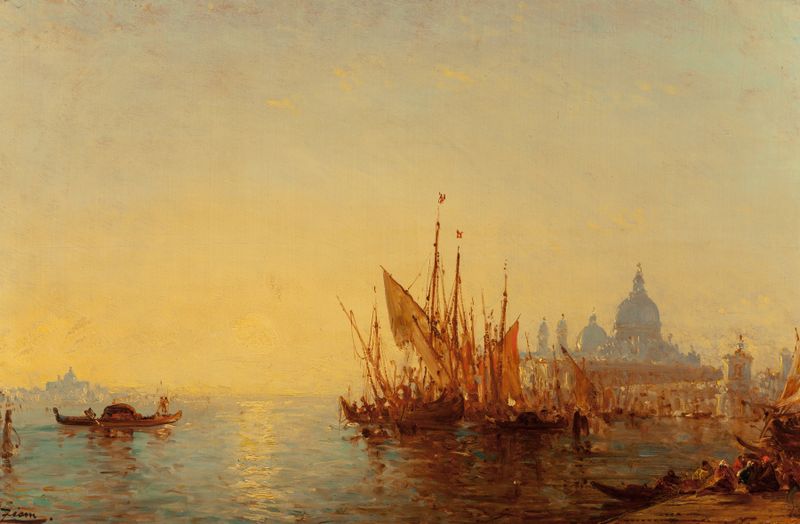
Bacino di San Marco
Félix Ziem
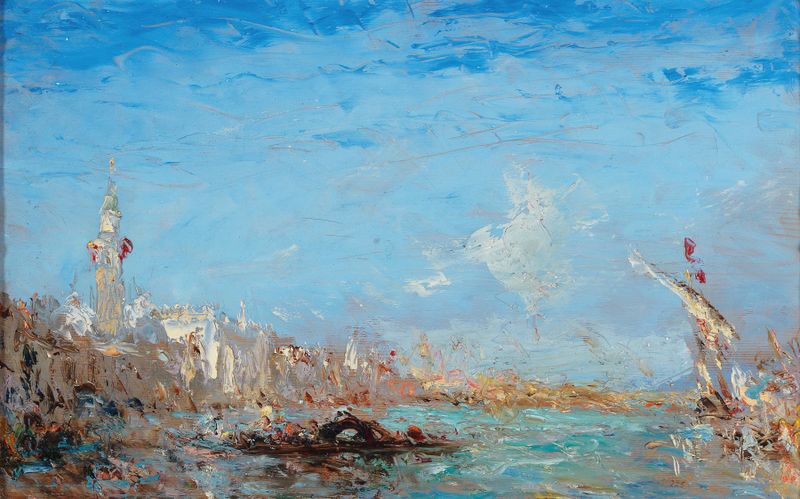
Canal Grande
Félix Ziem
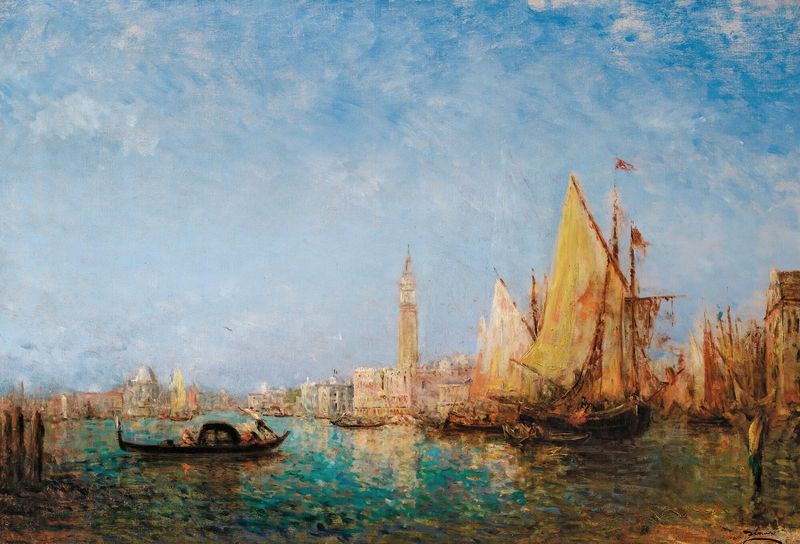
Le Palais Du Doge, Venise
Félix Ziem
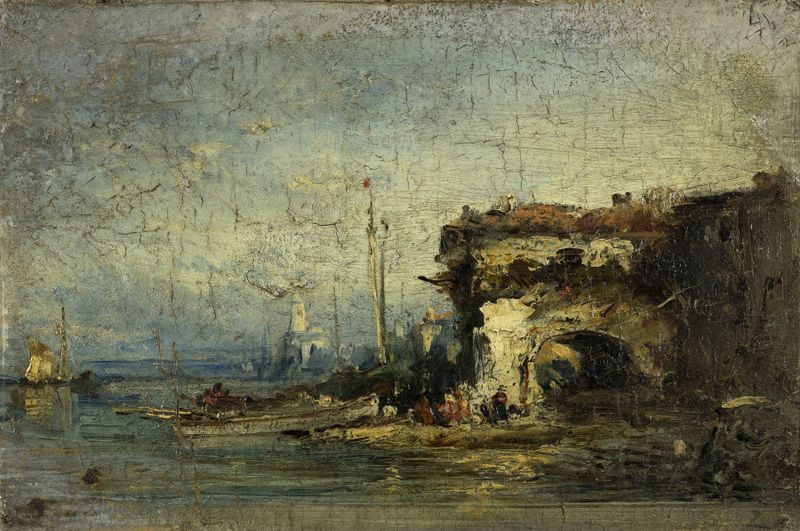
Vue d’Italie; la vieille porte
Félix Ziem
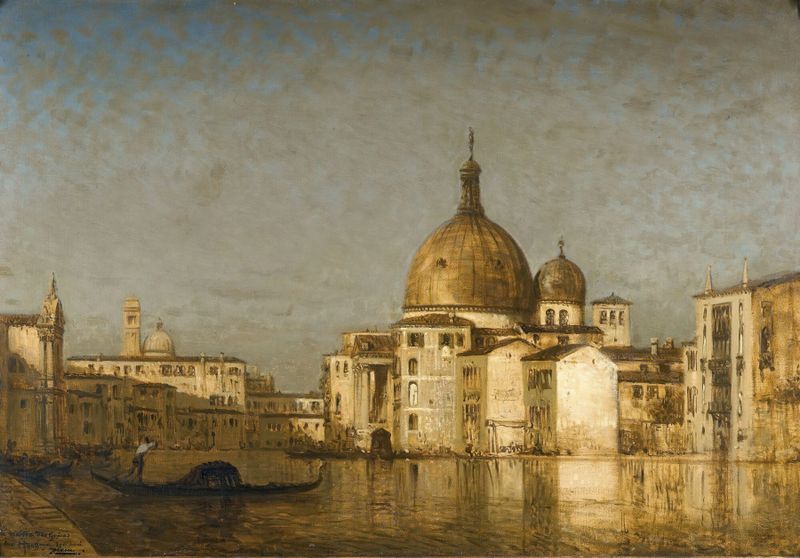
San Simeone Piccolo Au-Delà Du Grand Canal, Venis
Félix Ziem
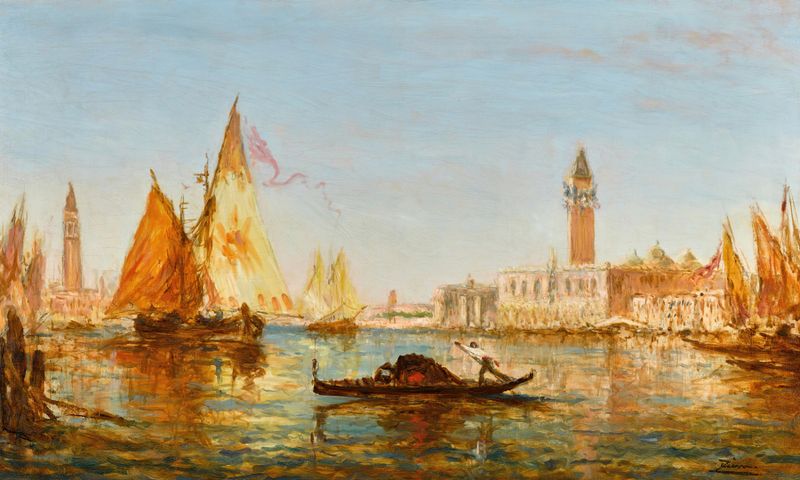
Venise, gondole et voiliers devant le Palais des doges et San Giorgio Maggiore
Félix Ziem





