
Taku Glacier, Evening — História e Análise
Could a single brushstroke hold eternity? In Taku Glacier, Evening, the essence of faith is captured in the nuances of light and shadow, inviting contemplation on nature's majesty and the transient beauty of existence. Look to the upper left where the sun dips below the horizon, casting a warm golden hue across the icy expanse. Notice how the artist deftly blends soft blues and whites to depict the glacier's shimmering surface, creating a striking contrast with the vibrant sky. The meticulous layering of paint creates depth, inviting the viewer's eye to wander through the atmospheric interplay of colors, evoking a sense of both wonder and tranquility. Beneath the surface beauty lies a tension between permanence and impermanence.
The looming glacier, steadfast yet ever-changing, symbolizes the duality of nature's grandeur and its fragility. Each stroke conveys Richardson’s reverence for the sublime, inviting viewers to reflect on their own place within this grand tapestry of life, where faith in nature’s cycles becomes a profound contemplation of existence. Theodore J. Richardson painted Taku Glacier, Evening in the 19th century, amidst a burgeoning interest in landscape painting that sought to capture the sublime beauty of the natural world.
During this time, explorers were revealing previously uncharted territories, fueling both artistic and scientific curiosity. Richardson, influenced by the Romantic movement, aimed to evoke emotional responses, capturing not only the physical landscape but also the spiritual essence found in nature’s grandeur.
Mais obras de Theodore J. Richardson
Ver tudo →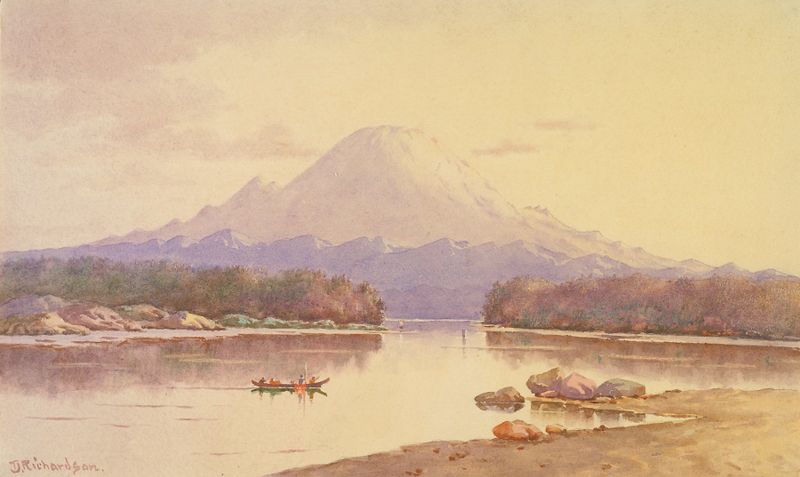
Mount Rainier
Theodore J. Richardson
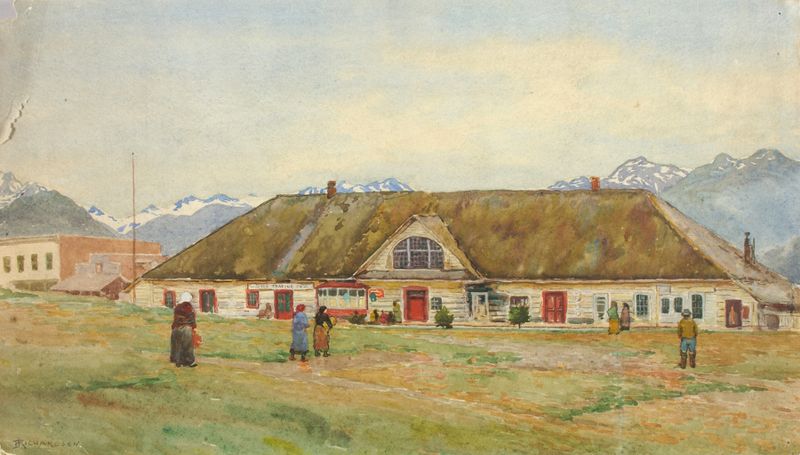
Old Russian Trading Post, Sitka
Theodore J. Richardson

The Ranch Native Village, Sitka, 1884
Theodore J. Richardson

Rear View Of Greek Church, Sitka, 1888
Theodore J. Richardson

St. Elias Alps
Theodore J. Richardson

Drying Blankets Over Canoes
Theodore J. Richardson

In The Old Quarter, Sitka, 1900
Theodore J. Richardson
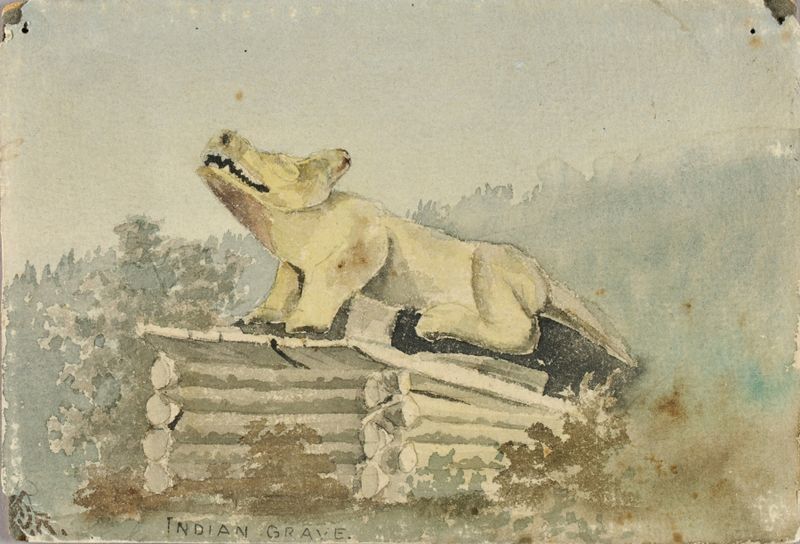
Indian Grave. Wolf Totem Over Medicine Man Grave, Wrangell
Theodore J. Richardson
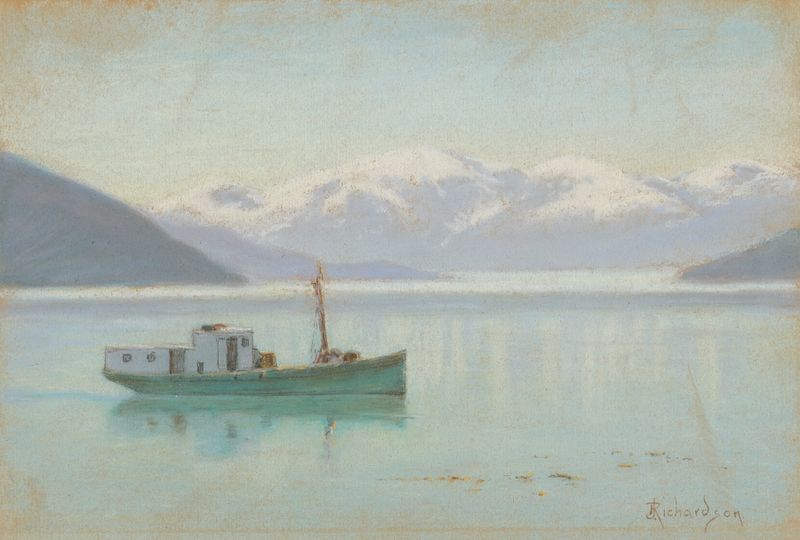
Jack Mantle’s Boat
Theodore J. Richardson

Morning at Muir Glacier
Theodore J. Richardson





