
Tamme olifant — História e Análise
The delicate interplay between fragility and elegance dances beneath the surface of this exquisite work, inviting contemplation on themes of rebirth and transformation. Focus on the fine details in the foreground, where intricate patterns swirl around the subject, drawing the eye into a world that seems to pulse with life. Notice how the golden hues shimmer, highlighting the textures that Hollar meticulously crafted. The balance of light and shadow creates a sense of depth, allowing the viewer to explore the complex layers of meaning within the composition, as if the gold itself holds the key to a deeper truth. At first glance, the visual splendor can distract from the underlying emotions.
The juxtaposition of the vibrant gold against the muted tones hints at a struggle between beauty and decay, reflecting the transient nature of existence. Each line and curve whispers of rebirth, suggesting that even amidst suffering, there lies a potential for renewal, a reminder that beauty often emerges from the shadows of despair. In 1629, Wenceslaus Hollar created this work during a period of personal upheaval, marked by his exile from the Bohemian lands amidst the Thirty Years' War. Living in England, he navigated the complexities of a shifting artistic landscape while striving to find his voice.
Tamme olifant emerged from this tumult, capturing not only Hollar’s technical mastery but also the poignant emotions of his time, encapsulating a moment of fragile beauty amidst chaos.
Mais obras de Wenceslaus Hollar
Ver tudo →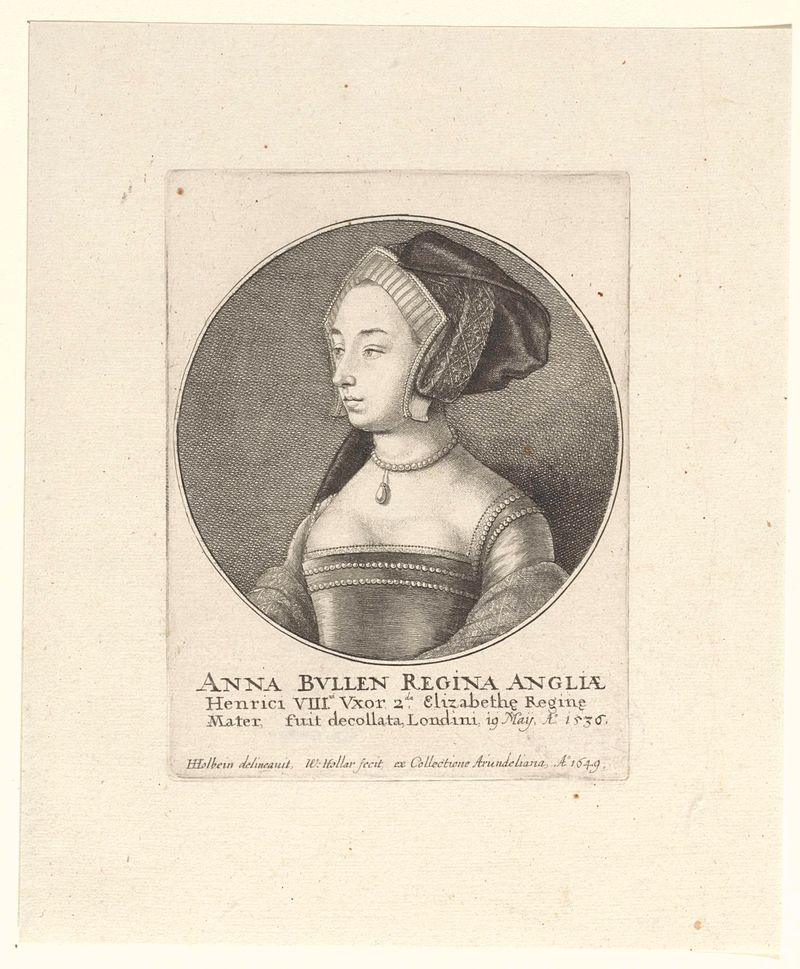
Portret van Anna Boleyn, koningin van Engeland
Wenceslaus Hollar
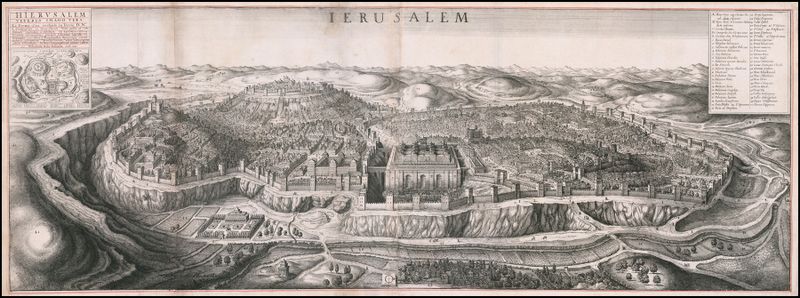
Bird’s eye view of Jerusalem
Wenceslaus Hollar
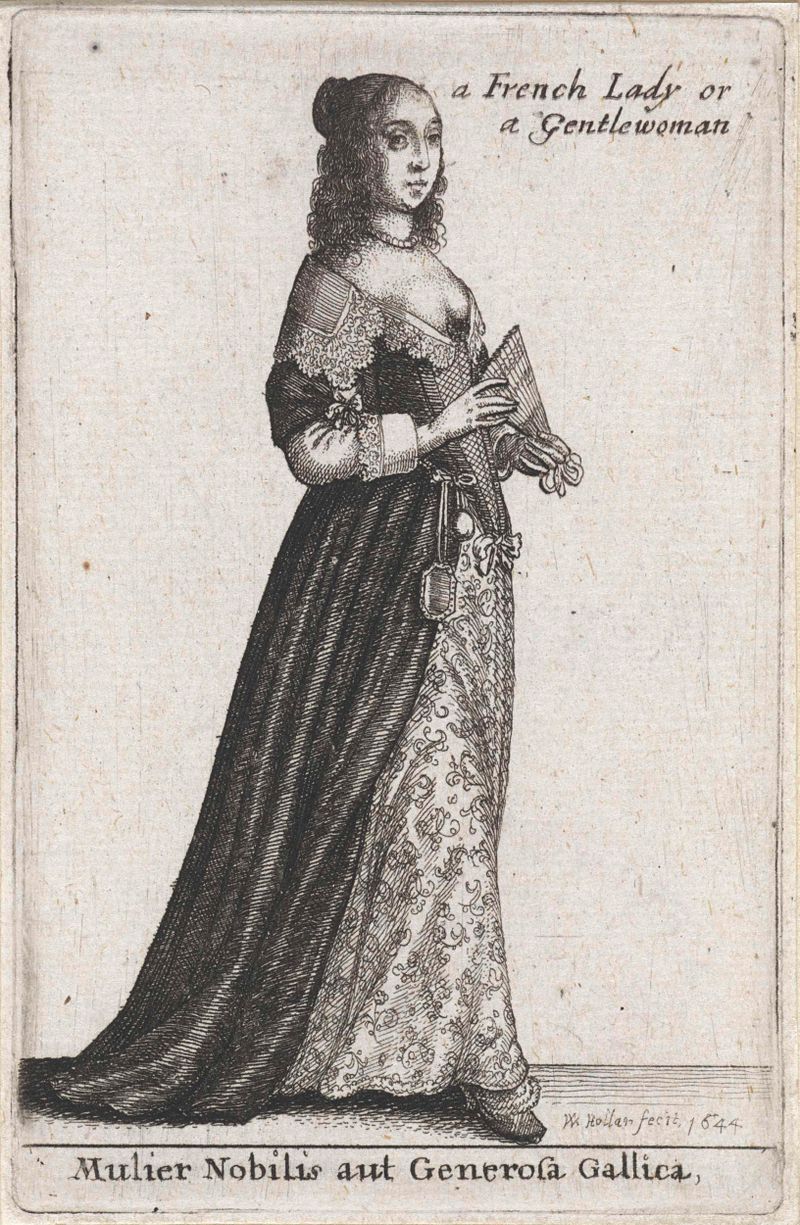
Mulier Nobilis aut Generosa Gallica / a French Lady or Gentlewoman
Wenceslaus Hollar
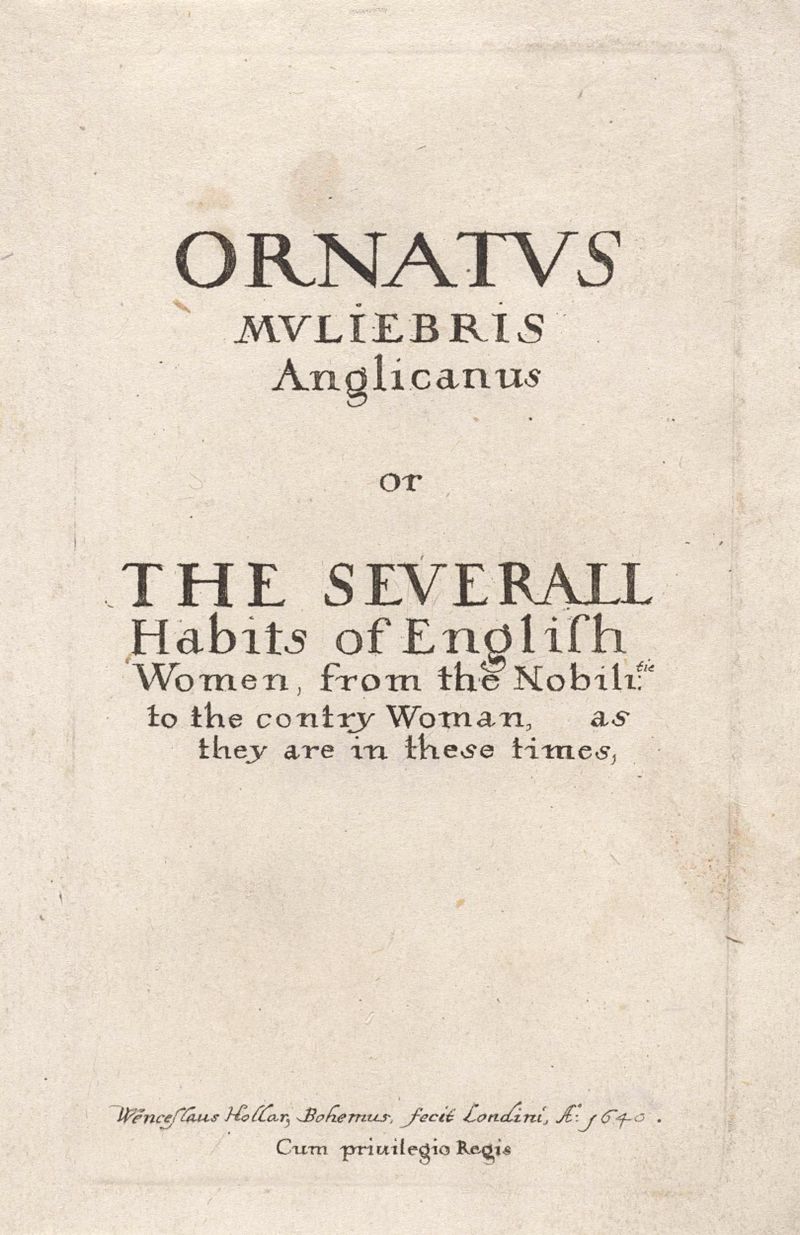
Titelprent voor: Ornatus Muliebris Anglicanus
Wenceslaus Hollar
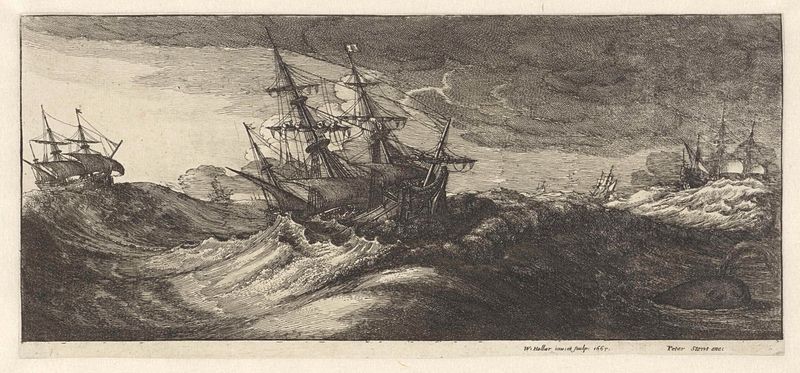
Oorlogsschepen en een walvis in een zeestorm
Wenceslaus Hollar
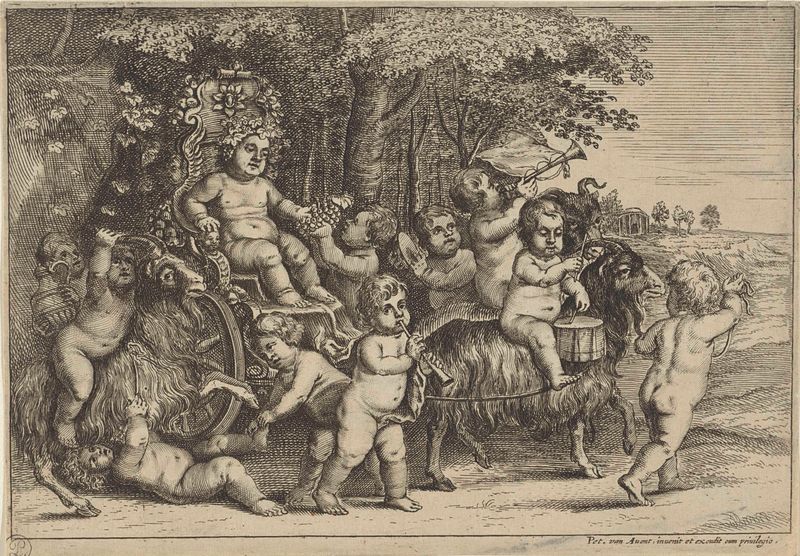
Optocht van bacchant en jongetjes op geiten
Wenceslaus Hollar
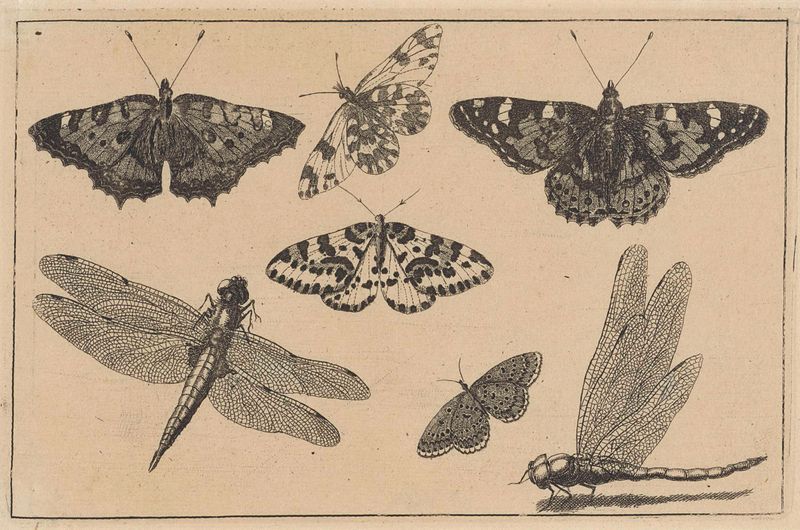
Twee libellen en vijf vlinders
Wenceslaus Hollar
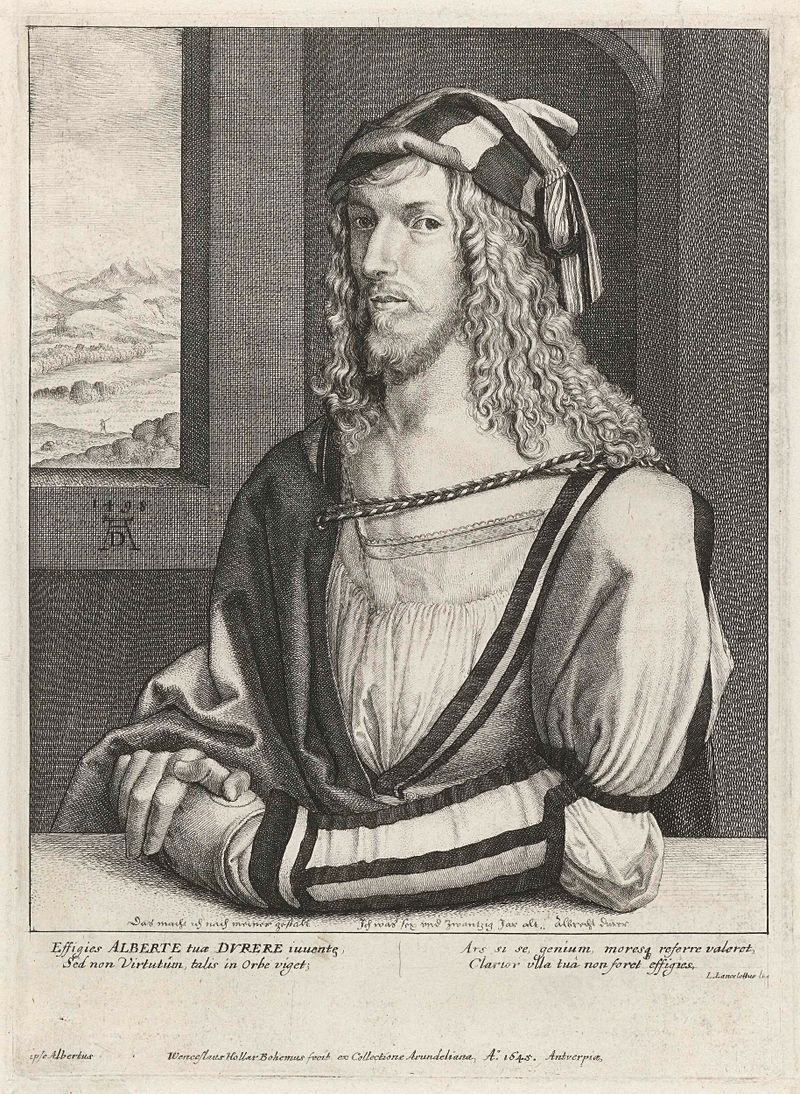
Portret van Albrecht Dürer
Wenceslaus Hollar
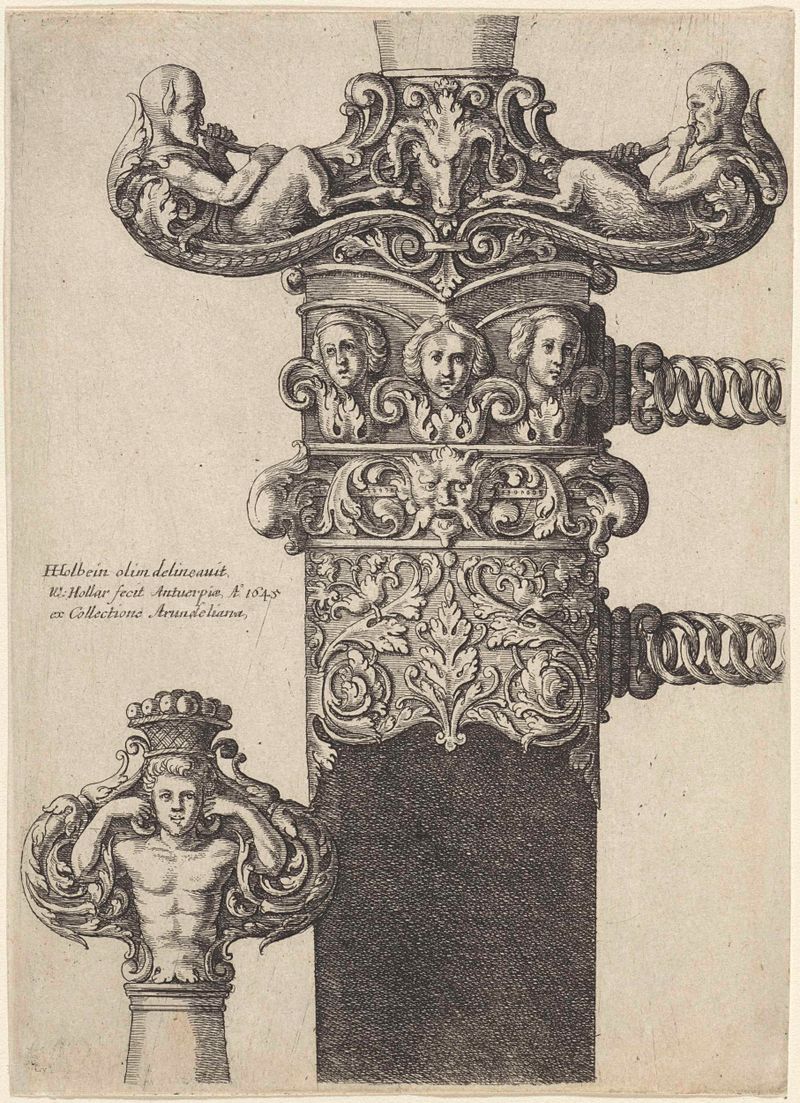
Ornamenteel ontwerp voor een dolk
Wenceslaus Hollar
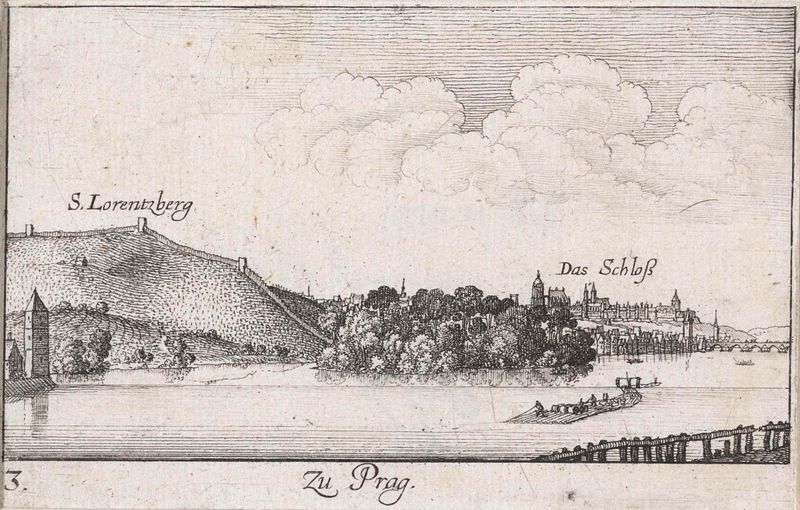
Gezicht op Praag vanaf de Moldau
Wenceslaus Hollar





