
Tęczyn – Zamek — História e Análise
In the hushed depths of silence, ecstasy is found not in loud colors but in the quiet nuances of memory, where every stroke tells a story long buried beneath layers of time. Look closely at the castle’s robust silhouette, standing proud against a melancholic sky. Notice how the muted palette of blues and grays envelops the architecture, imbuing it with a sense of both grandeur and solitude. The soft touches of light create an illusion of ethereal grace, dancing across the surfaces, inviting you to explore the interplay of shadow and form that breathes life into the stone.
Each detail draws you deeper into the artist's vision, where the castle is more than mere structure; it embodies the weight of history. In this work, emotional tensions arise from the juxtaposition of the castle's strength against the ephemeral light. The somber colors evoke nostalgia, while hints of vibrant brushwork suggest life that once thrived within those walls. The viewer senses a longing, as if the very stones echo with whispers of joy and sorrow, encapsulating the fleeting nature of existence.
It becomes a meditation on the balance between permanence and decay, capturing the essence of ecstasy hidden beneath melancholy. The artist painted this piece in 1923, during a period of significant personal exploration and cultural change in Poland. Emerging from the shadows of World War I, the nation was striving to reclaim its identity. Oleś, influenced by the burgeoning modernist movements, sought to capture the spirit of his homeland through his art, embodying nostalgia for a past intertwined with a hopeful gaze toward the future.
Mais obras de Andrzej Zygmunt Oleś
Ver tudo →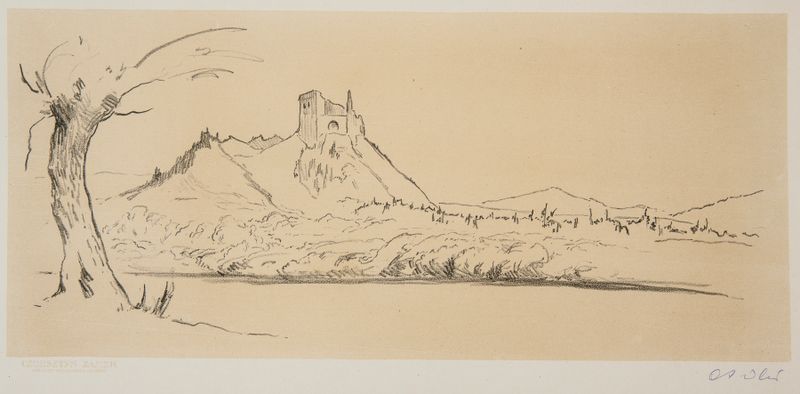
Czorsztyn – Zamek
Andrzej Zygmunt Oleś
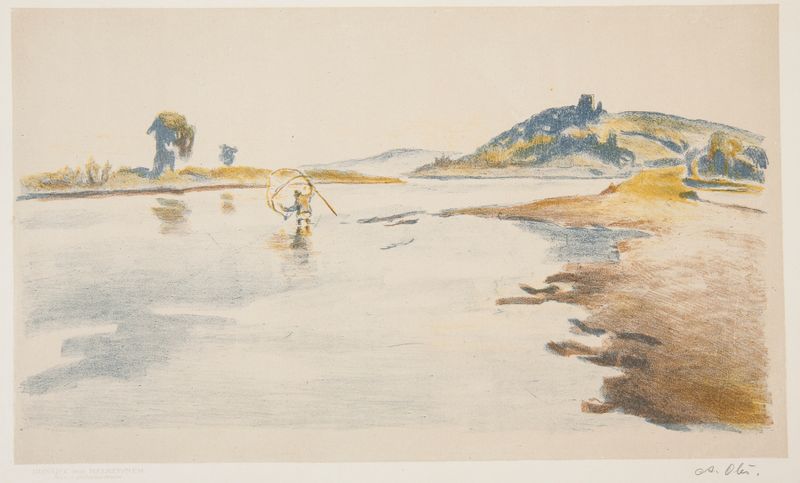
Dunajec pod Melsztynem
Andrzej Zygmunt Oleś
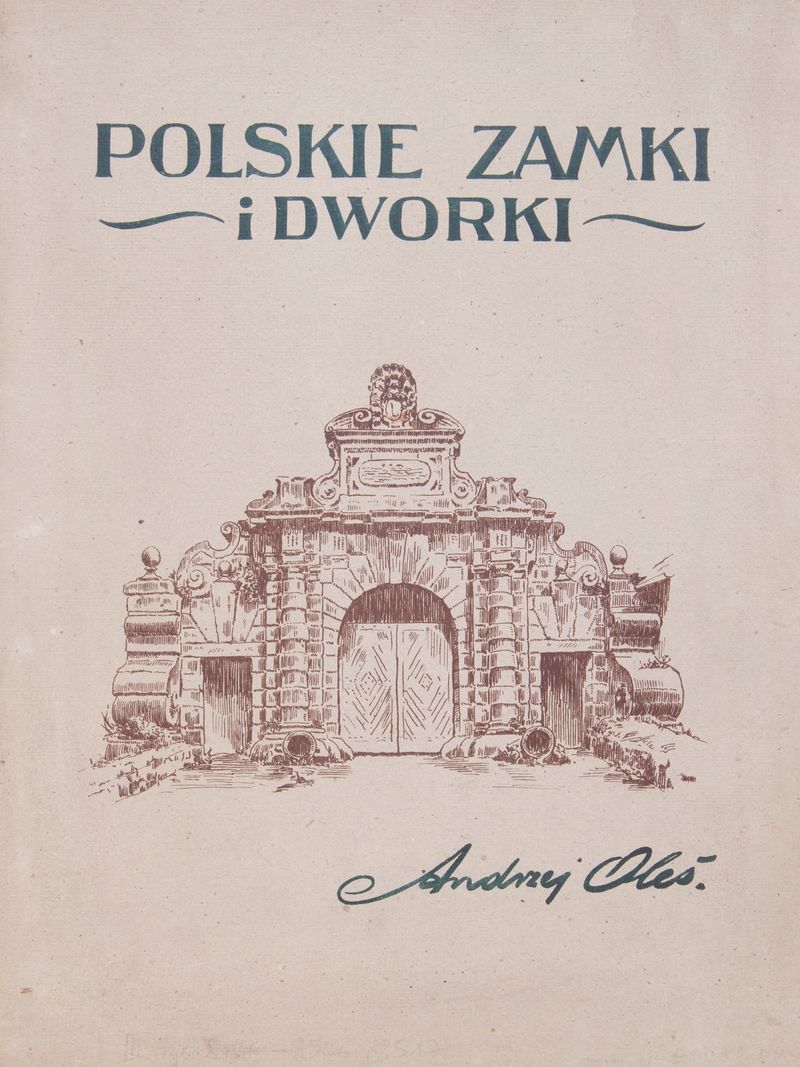
Polskie zamki i dworki – cover
Andrzej Zygmunt Oleś
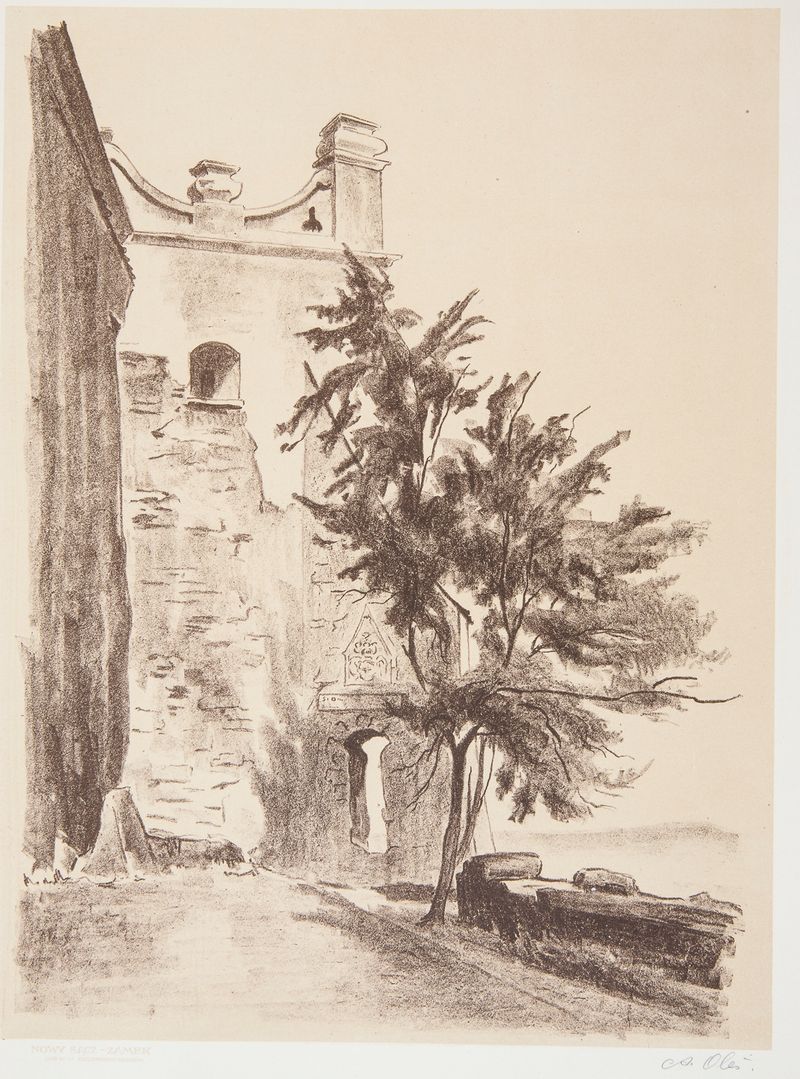
Nowy Sącz – Zamek
Andrzej Zygmunt Oleś
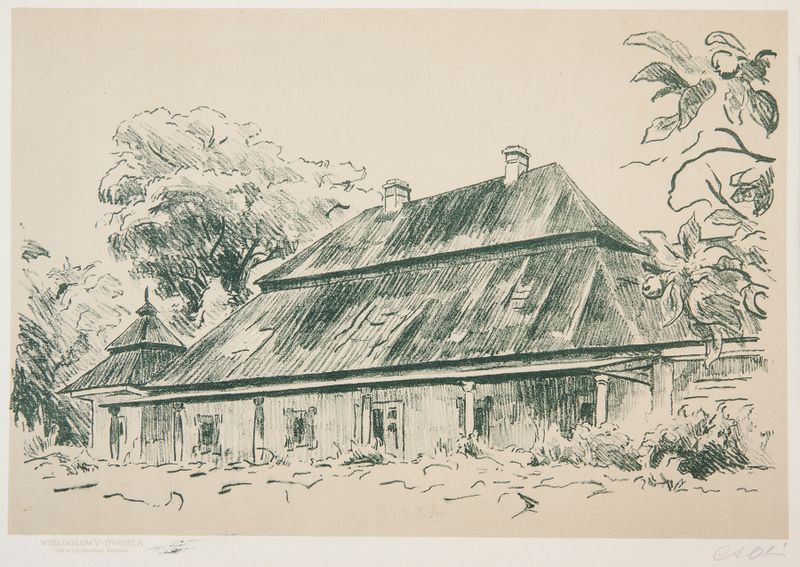
Wielogłowy – Dworek
Andrzej Zygmunt Oleś

Wiśnicz – Zamek
Andrzej Zygmunt Oleś
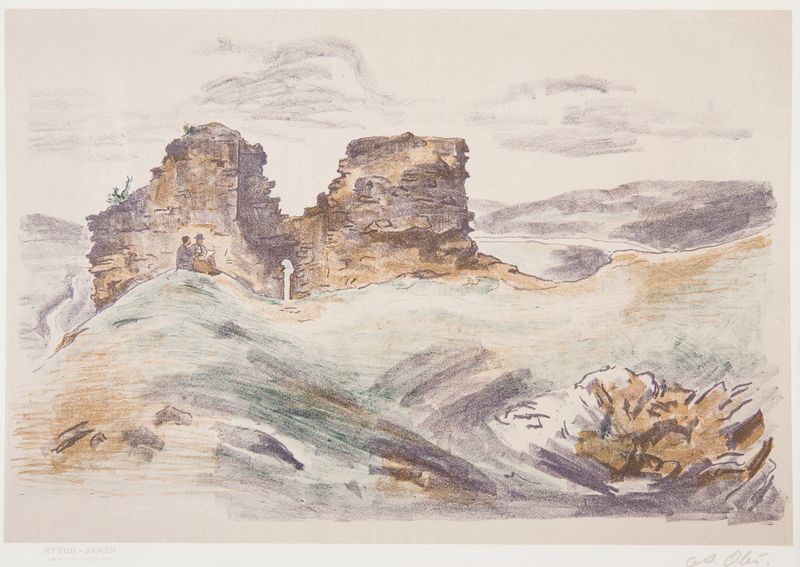
Rytro – Zamek
Andrzej Zygmunt Oleś
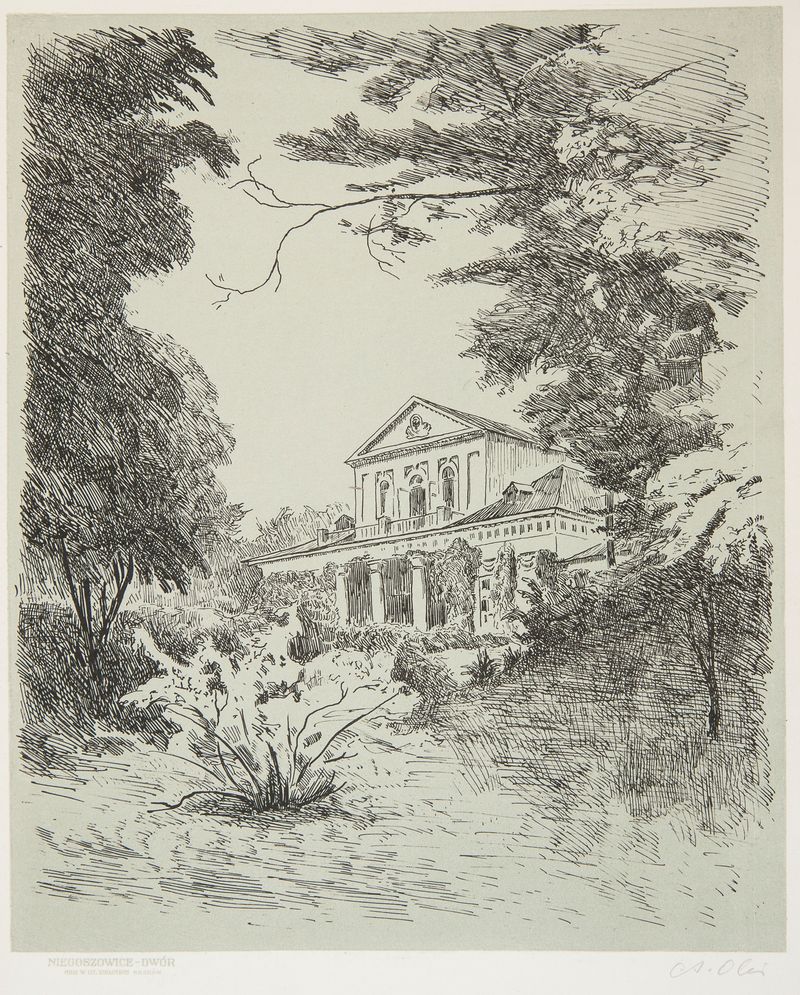
Niegoszowice – Dwór
Andrzej Zygmunt Oleś
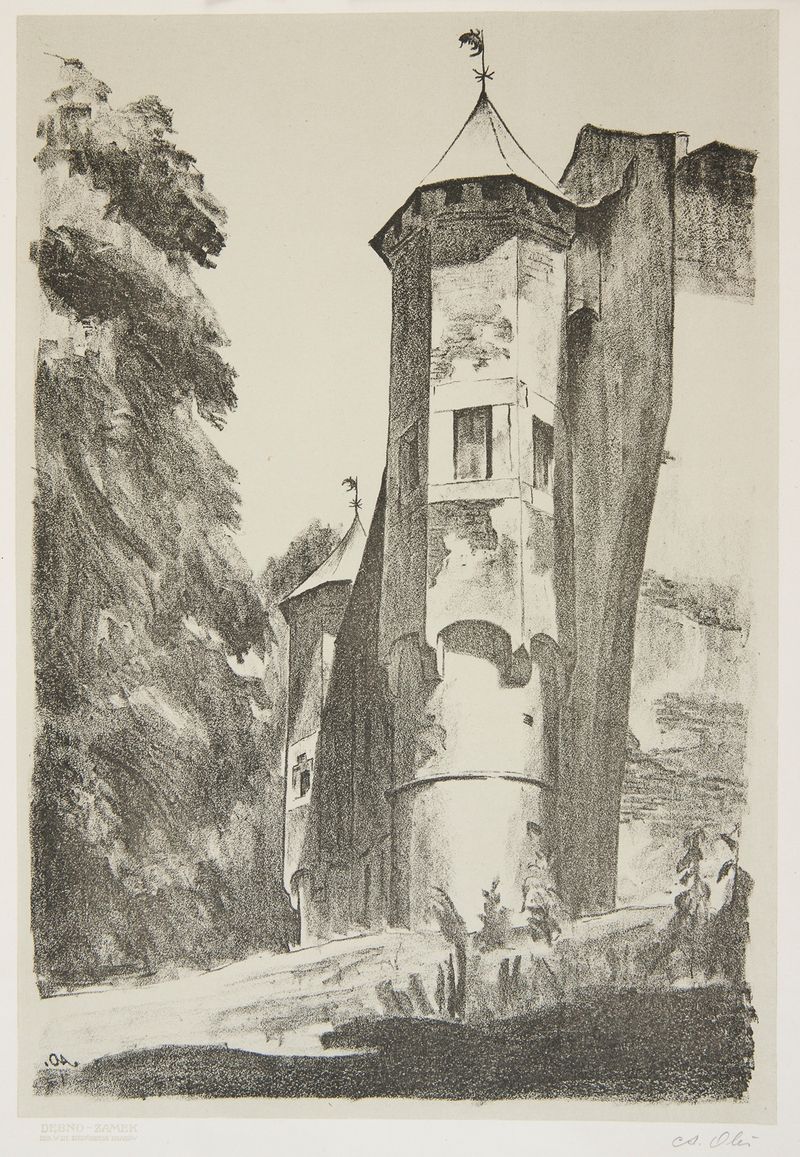
Dębno – Zamek
Andrzej Zygmunt Oleś

Niedzica – Zamek
Andrzej Zygmunt Oleś
Mais arte de Arquitetura
Ver tudo →
The statue of Liberty
Frédéric Auguste Bartholdi

View of Houses in Delft, Known as ‘The Little Street’
Johannes Vermeer

View of Houses in Delft, Known as ‘The Little Street’
Johannes Vermeer

The Cathedral in Rouen. The portal, Grey Weather
Claude Monet

The yellow house
Vincent van Gogh

The Church in Auvers-sur-Oise, View from the Chevet
Vincent van Gogh