Teapot with powder blue and pearl chasing dragons in gold — História e Análise
When did color learn to lie? The shimmering surface of this exquisite teapot begs the question, inviting us to ponder the nature of beauty and perception through its intricate design. Look to the sweeping curves of the teapot’s form, where powder blue and pearl chase each other across the porcelain like whispers of wind. Notice how the gold detailing of the dragons catches the light, creating a dance of reflections that draws your eye into the artistry. The delicate interplay of colors not only enhances the physical qualities of the porcelain but also evokes an ethereal quality, suggesting a world where fantasy and reality entwine. Delve deeper, and the dragons reveal their layered significance: symbols of power and protection, they remind us of the cultural narratives woven into everyday objects.
The choice of colors, soft yet striking, highlights a contrast between fragility and resilience, embodying the duality of existence. It is as if the artist invites contemplation on the roles beauty and strength play in our lives, urging us to look beyond surface splendor to the stories beneath. This piece emerged around 1700, a time when the world was awakening to the artistry and craftsmanship of porcelain. Though the artist remains unknown, the work reflects a period of innovation in decorative arts, where luxury items were prized for their intricate designs.
The teapot stands as a testament to a burgeoning appreciation for color and form, capturing a fleeting moment in an era sparked by curiosity and exploration.
Mais obras de Unknown Artist
Ver tudo →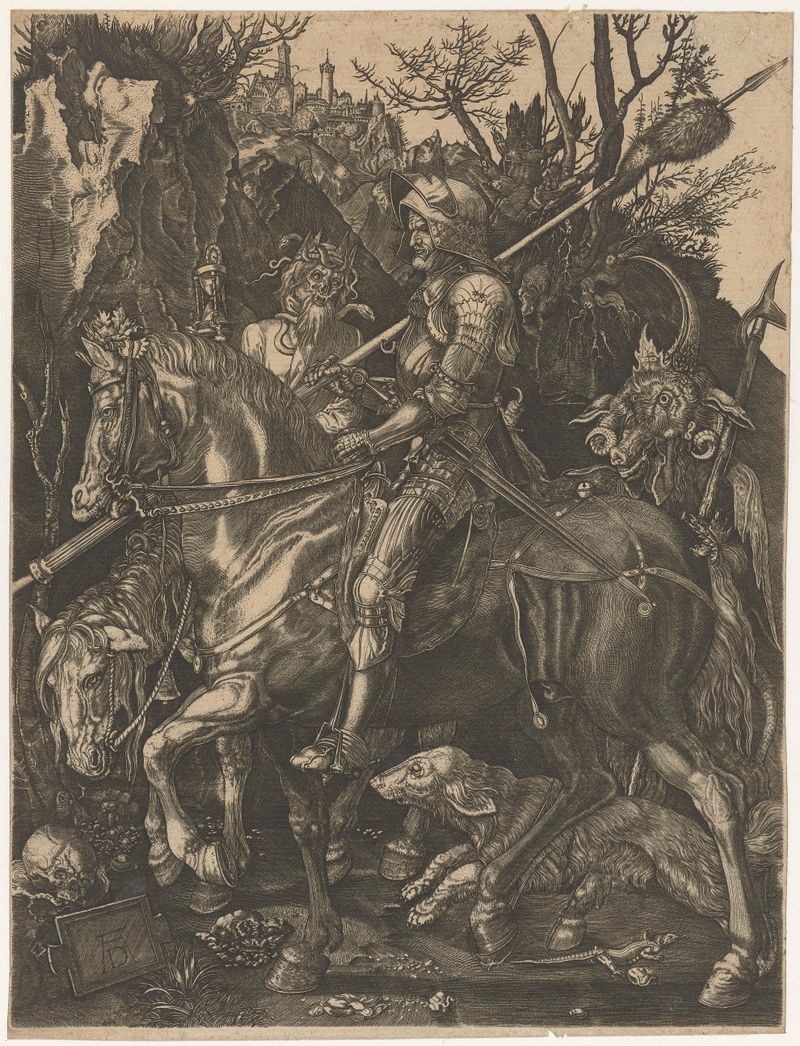
Ridder, Dood en Duivel
Unknown Artist
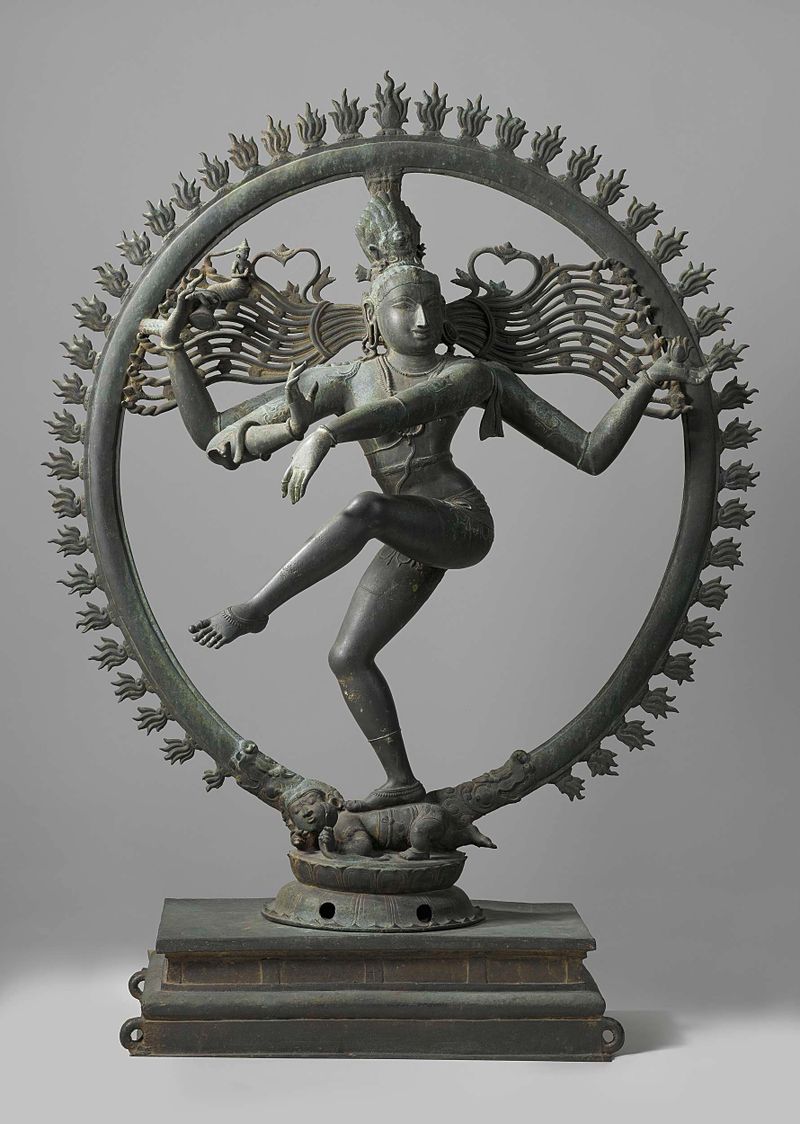
Shiva Nataraja
Unknown Artist
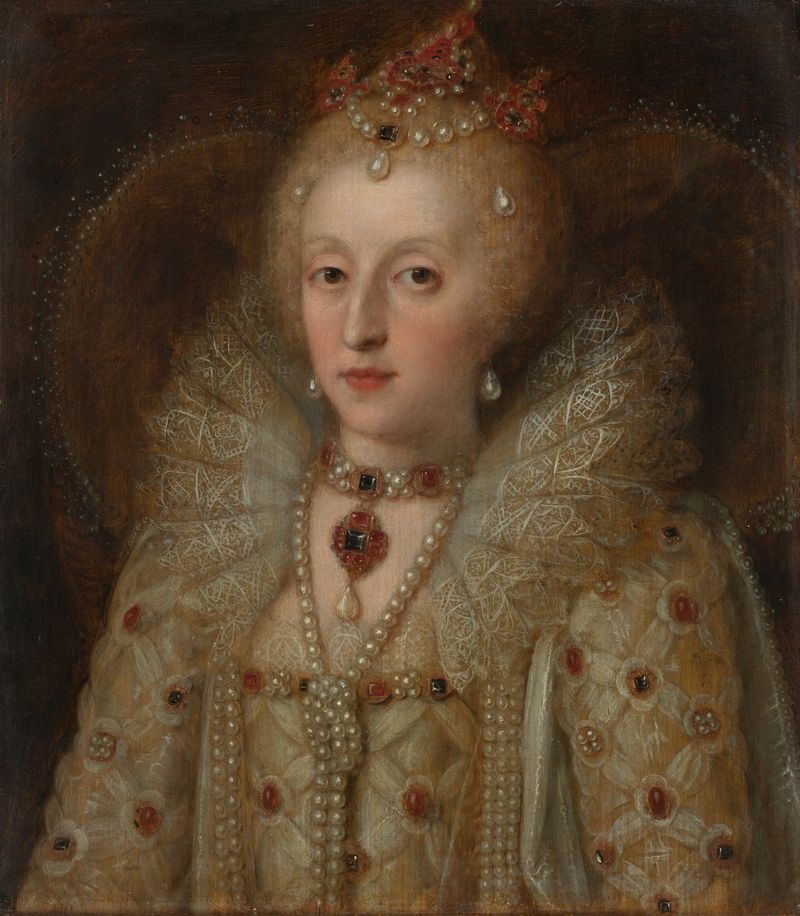
Portrait of Elizabeth I, Queen of England
Unknown Artist
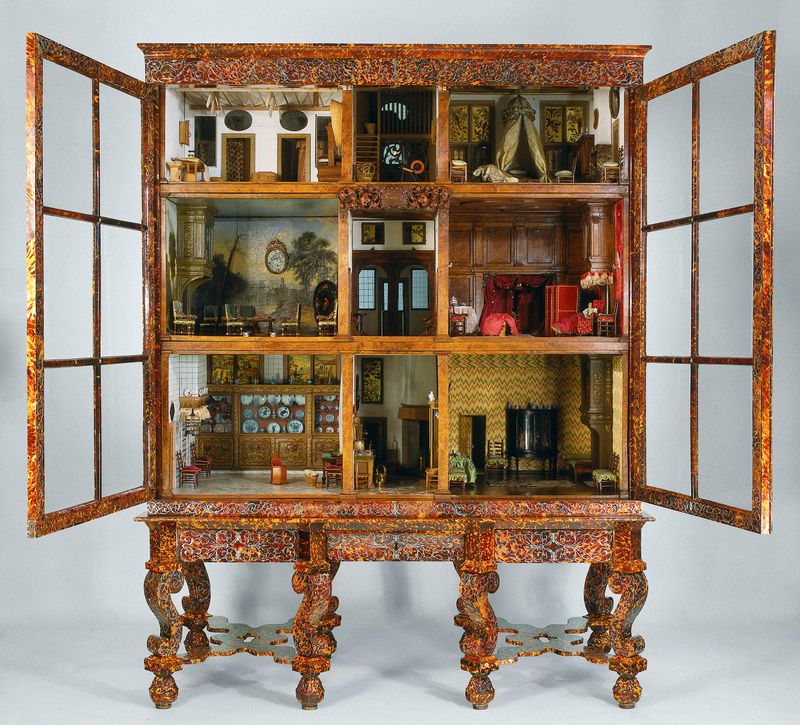
Dolls’ house of Petronella Oortman
Unknown Artist
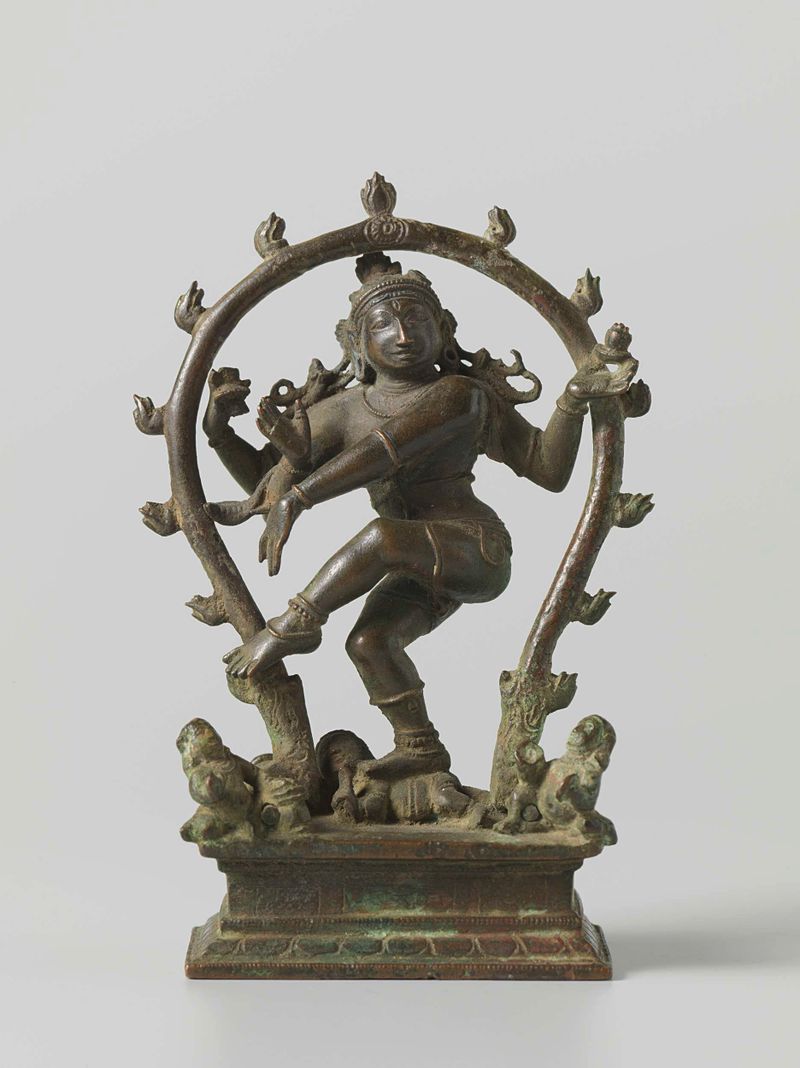
Shiva Nataraja
Unknown Artist

The Tale of Genji
Unknown Artist

The Tale of Genji
Unknown Artist
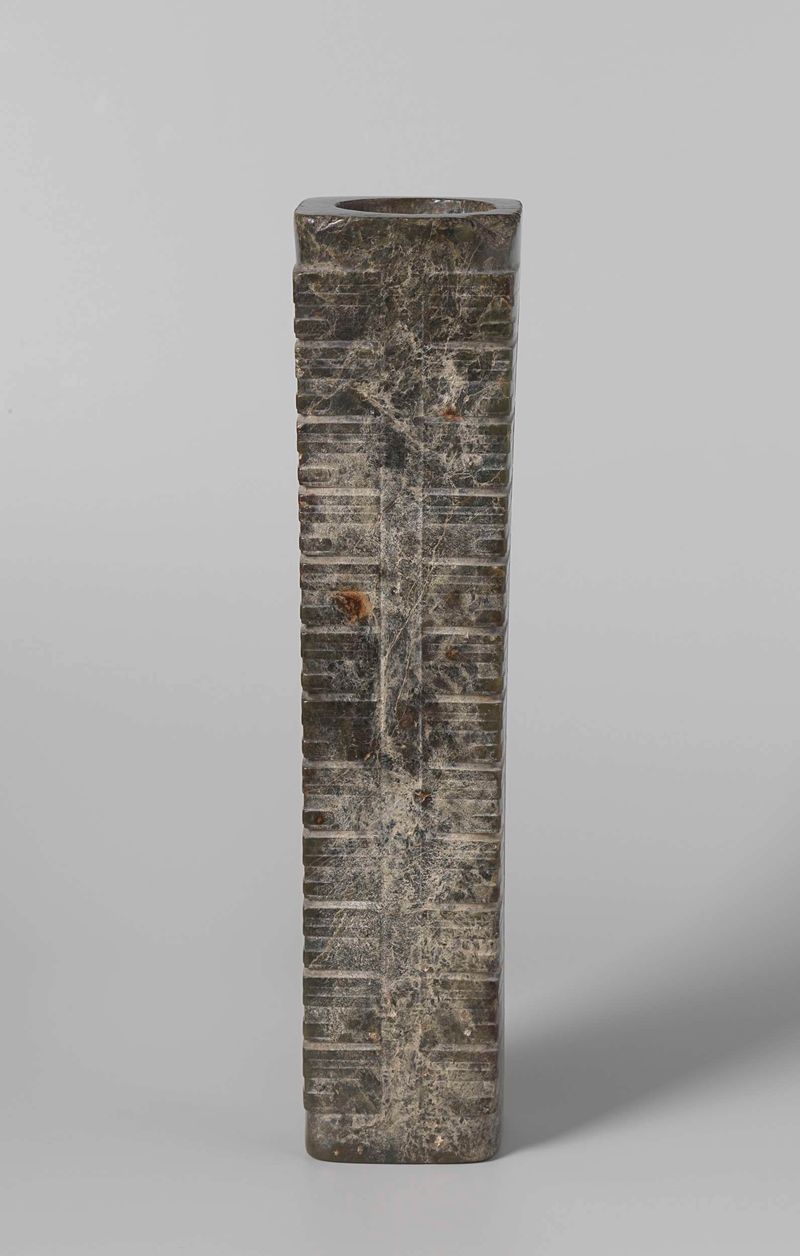
Cong
Unknown Artist
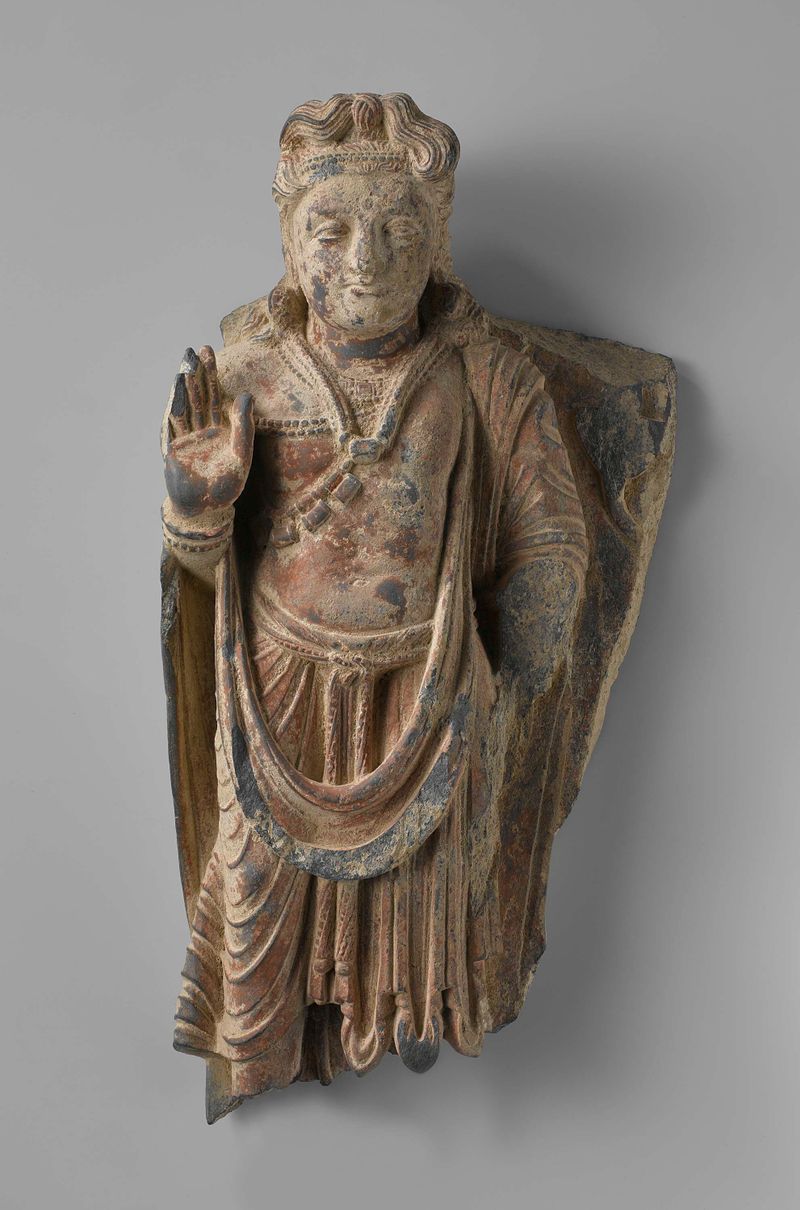
The bodhisattva Maitreya
Unknown Artist
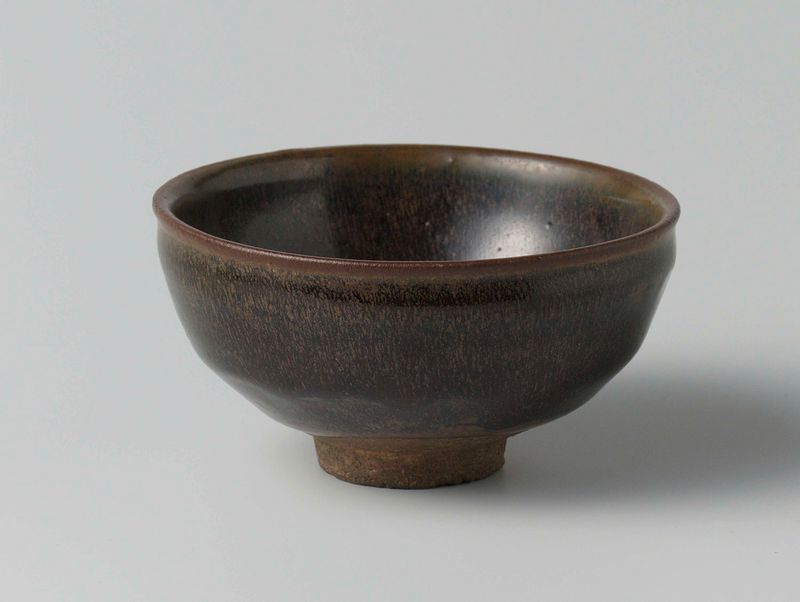
Teabowl with a 'hare's fur' glaze
Unknown Artist