
Tegelwerk van de schoorsteen Huydecoperhuis — História e Análise
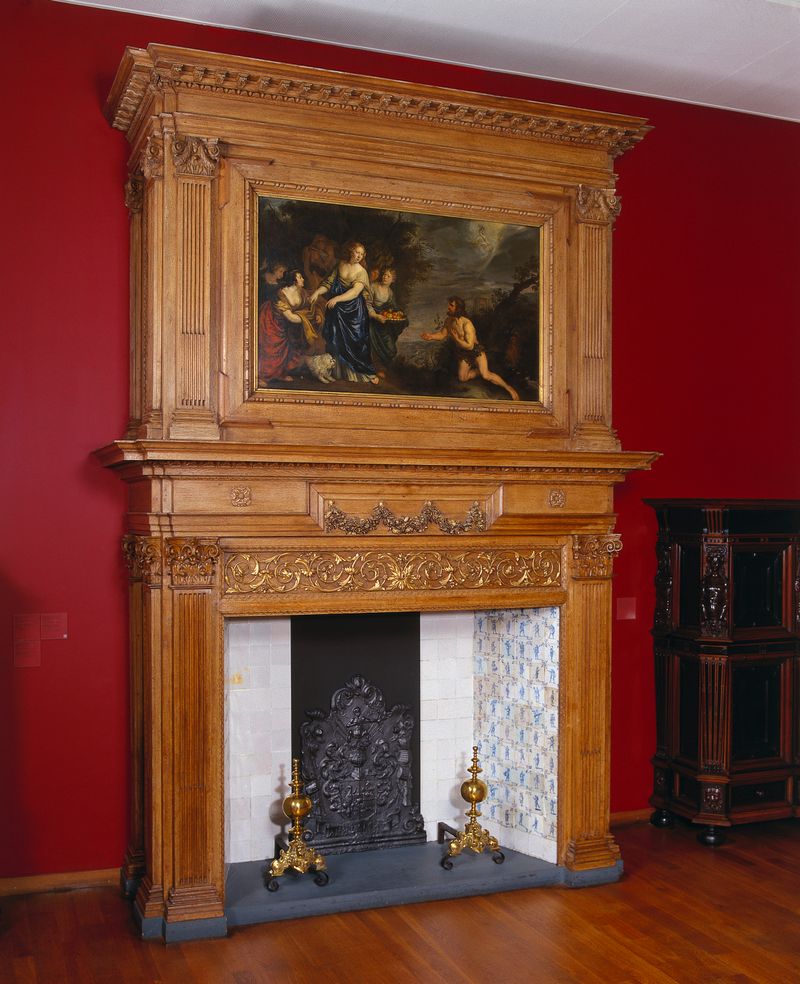
In a world where time stretches and bends, a stillness reigns, enveloping the viewer in an invitation to reflect on the passage of moments captured within the frames of existence. Look to the intricate tiles that form the focal point of the composition. The meticulous designs are imbued with a sense of life; their delicate patterns whisper stories of the past. Notice how the earthy tones of ochre and muted greens harmonize, drawing your gaze toward the rustic warmth of the hearth.
The light gently caresses the tiles, illuminating their textures and revealing the art of craftsmanship that speaks to both utility and beauty. Every inch of the painting invites contemplation, as if it were a window into an era defined by its craftsmanship. Within the arrangement lies a contrast between the solidity of the architecture and the ephemeral nature of time. The tiled surface, with its enduring presence, juxtaposes the fleeting shadows cast by the flickering flame of the hearth.
This duality reflects not only a physical space but also the artist’s meditation on permanence versus transience, urging viewers to ponder what is meant to last and what is swallowed by time. Each tile may represent a memory, a moment that resists oblivion while embracing its inevitable decay. Created in 1639, this work emerged during a period of burgeoning artistic exploration in the Netherlands, where Vinckboons found himself amidst the fervor of the Baroque style. Living in a time where the arts flourished, he was influenced by the intricate detail and richness of life around him.
The era’s preoccupation with both the everyday and the sublime is palpable in this piece, a testament to the artist’s desire to capture the essence of both the physical world and the fleeting nature of time itself.
Mais obras de Philips Vinckboons II
Ver tudo →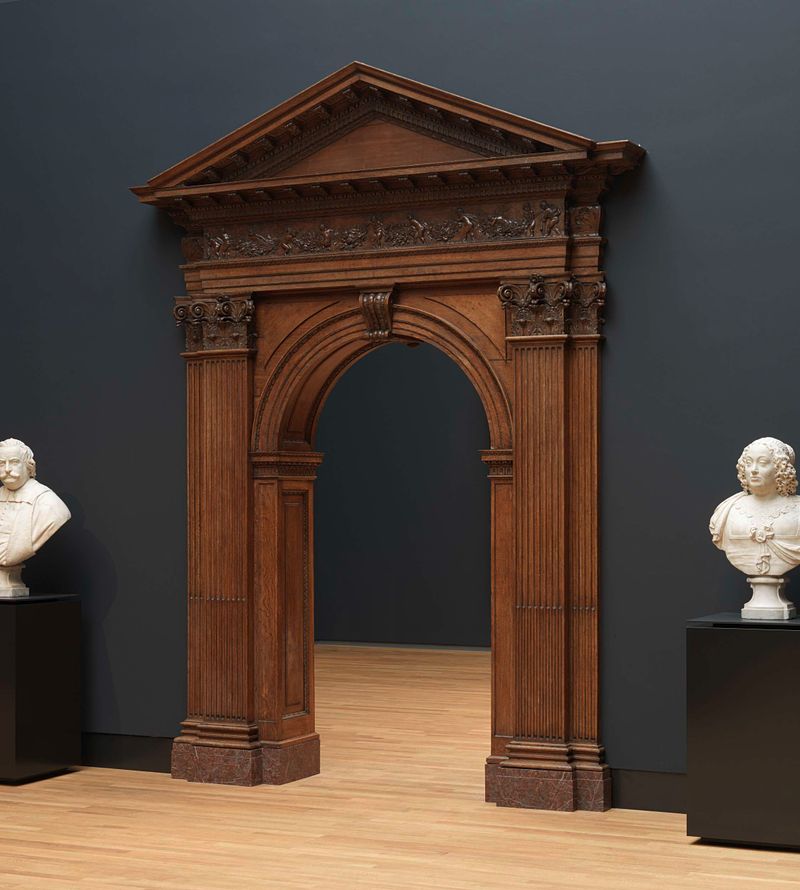
Portico and pediment from the Huydecoper house
Philips Vinckboons II
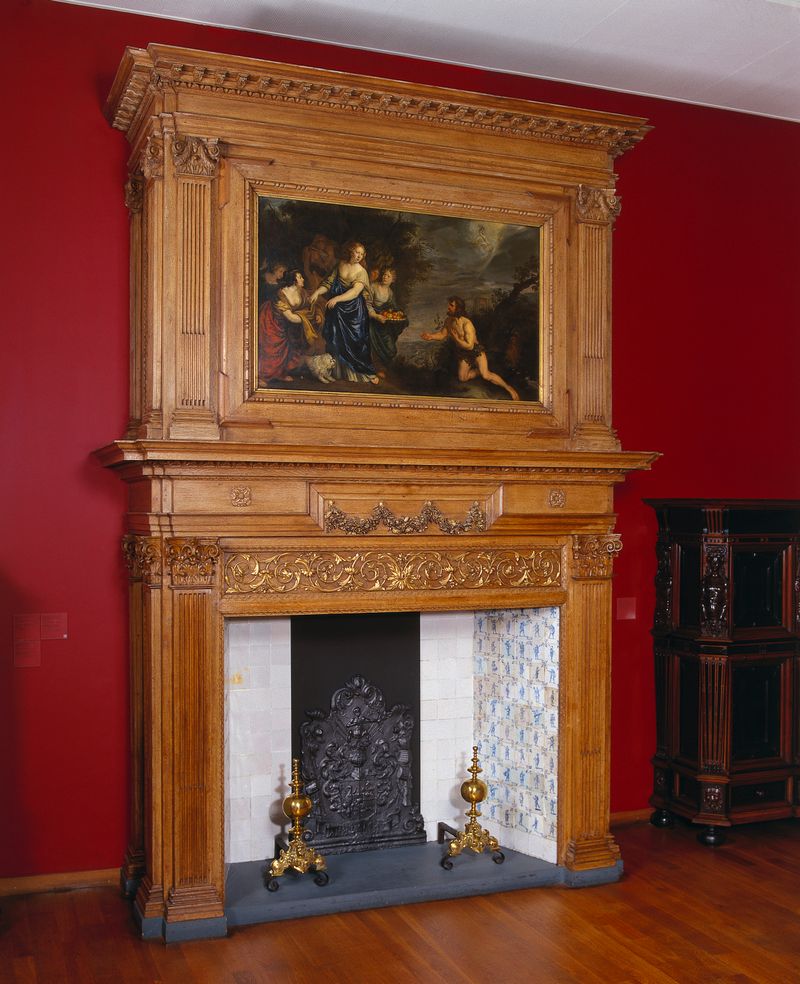
Linker zijpaneel boven behorend bij de schoorsteen van het Huydecoperhuis
Philips Vinckboons II
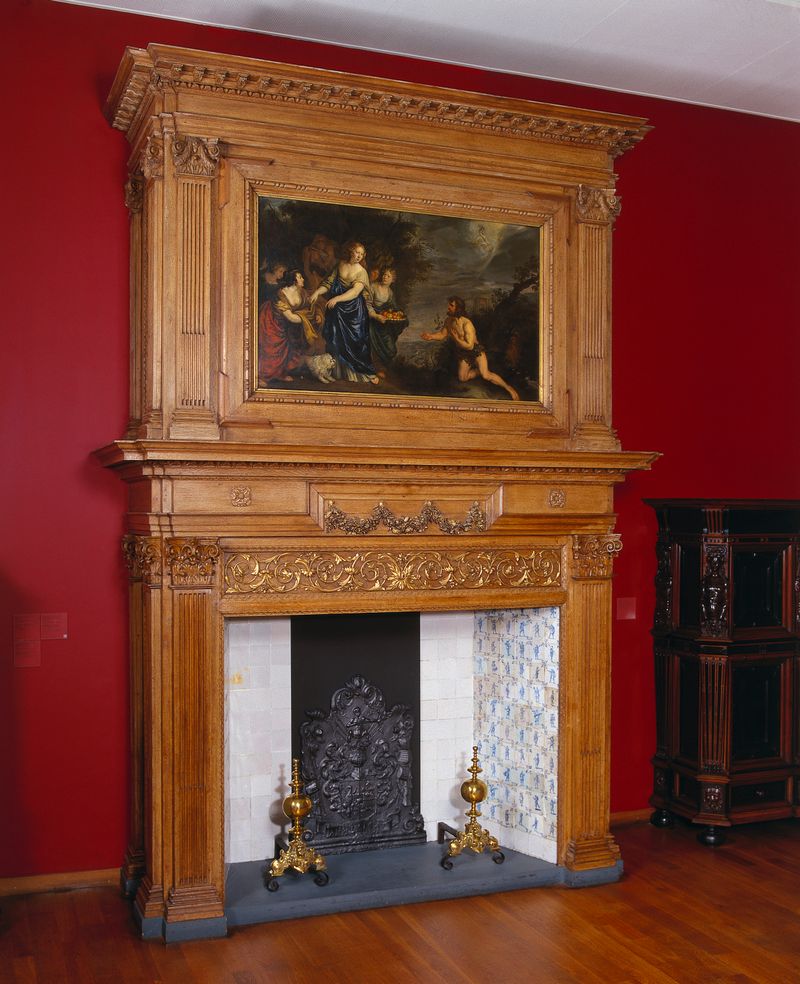
Onderdeel schouw van het Huydecoperhuis
Philips Vinckboons II
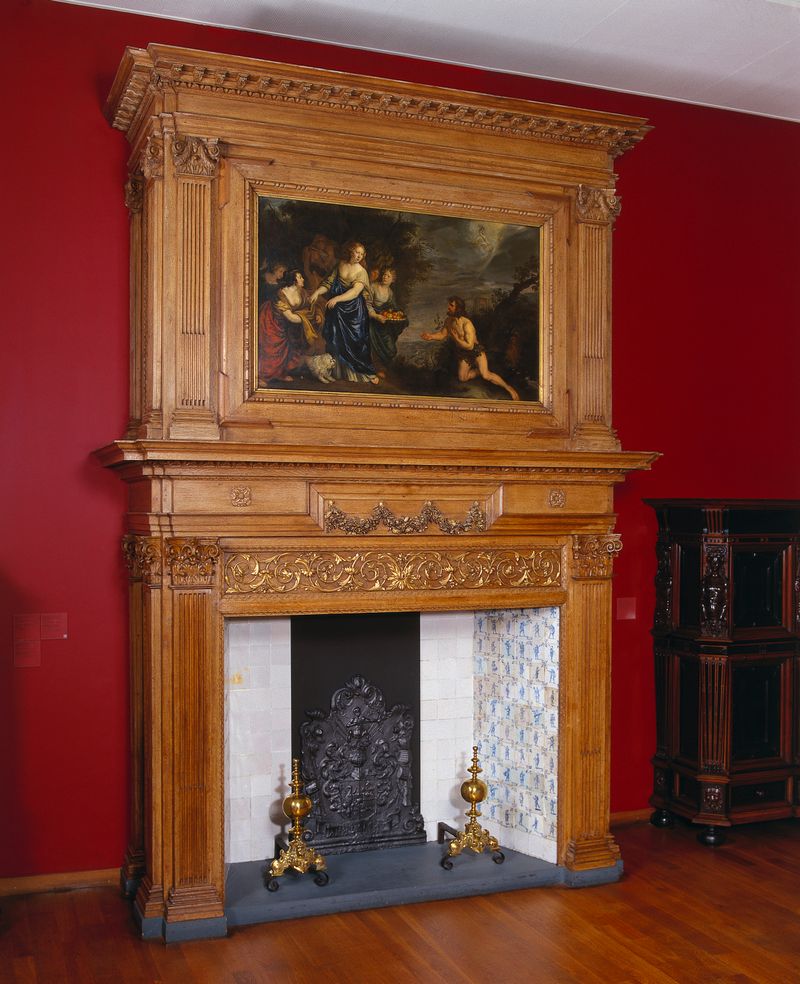
Linker tegelwerk van de schoorsteen Huydecoperhuis
Philips Vinckboons II
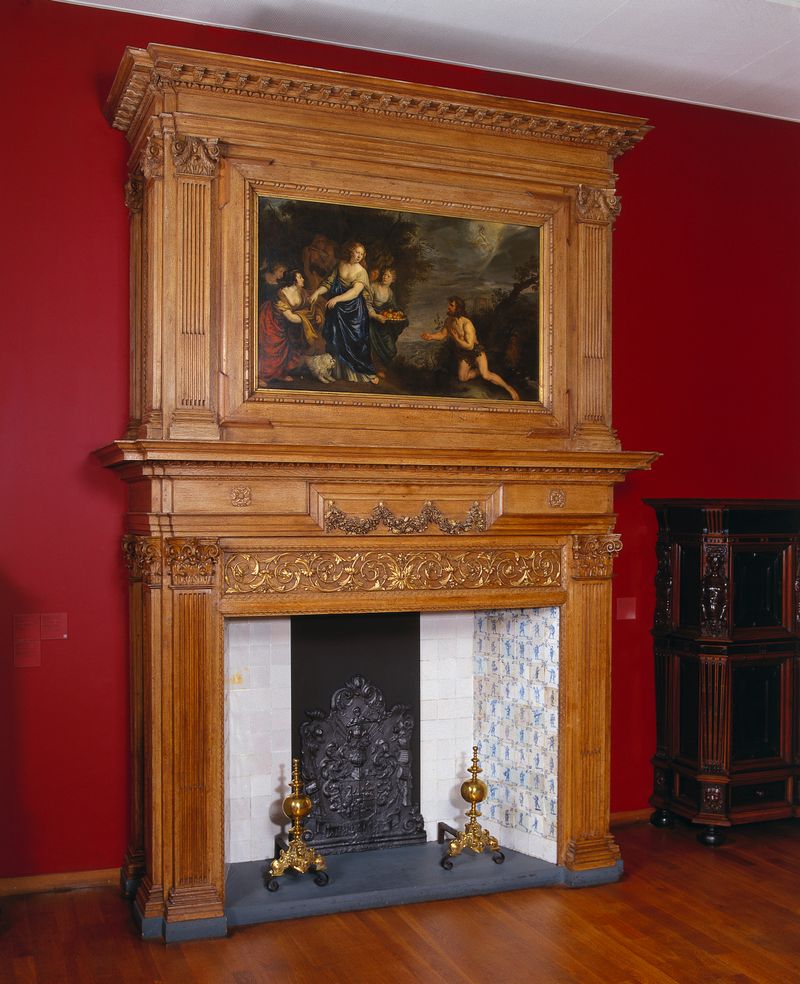
Midden tegelwerk van de schoorsteen van het Huydecoperhuis
Philips Vinckboons II
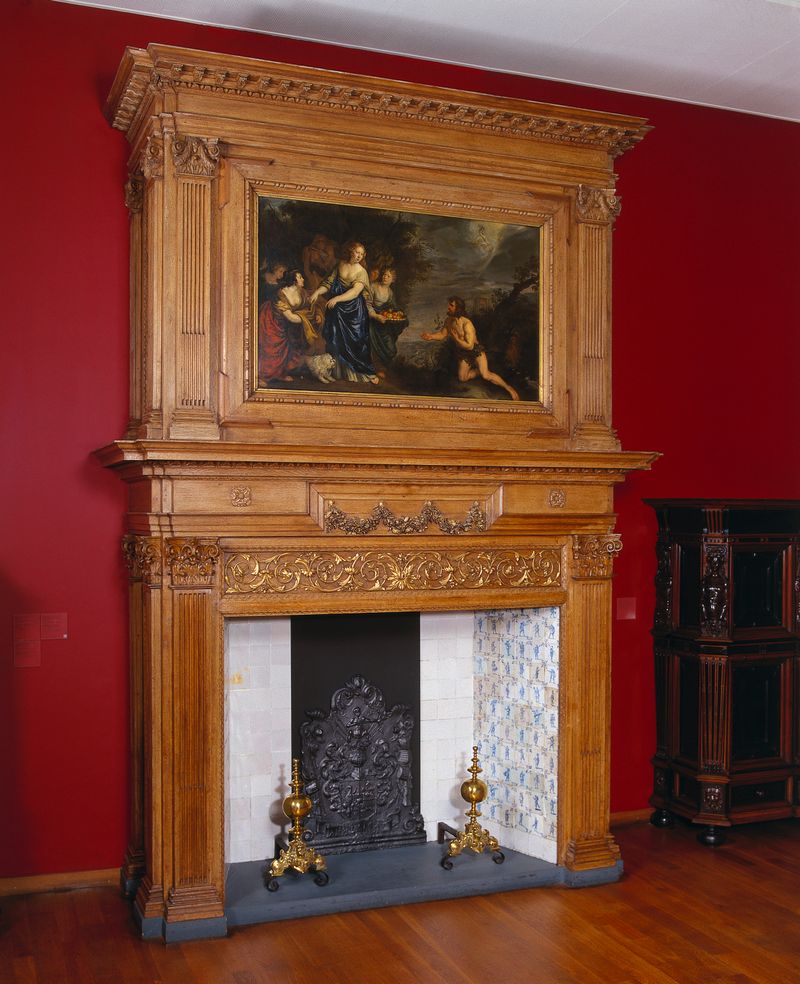
Linker zijpaneel van de schoorsteen van het Huydecoperhuis
Philips Vinckboons II
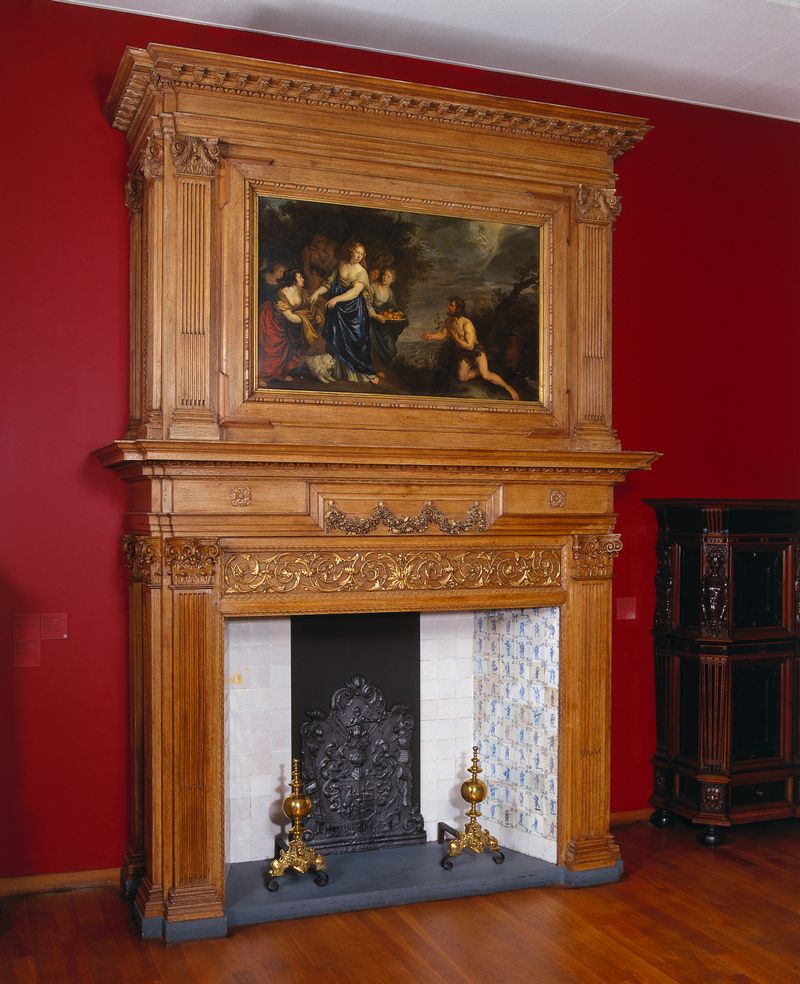
Onderdeel schouw van het Huydecoperhuis
Philips Vinckboons II
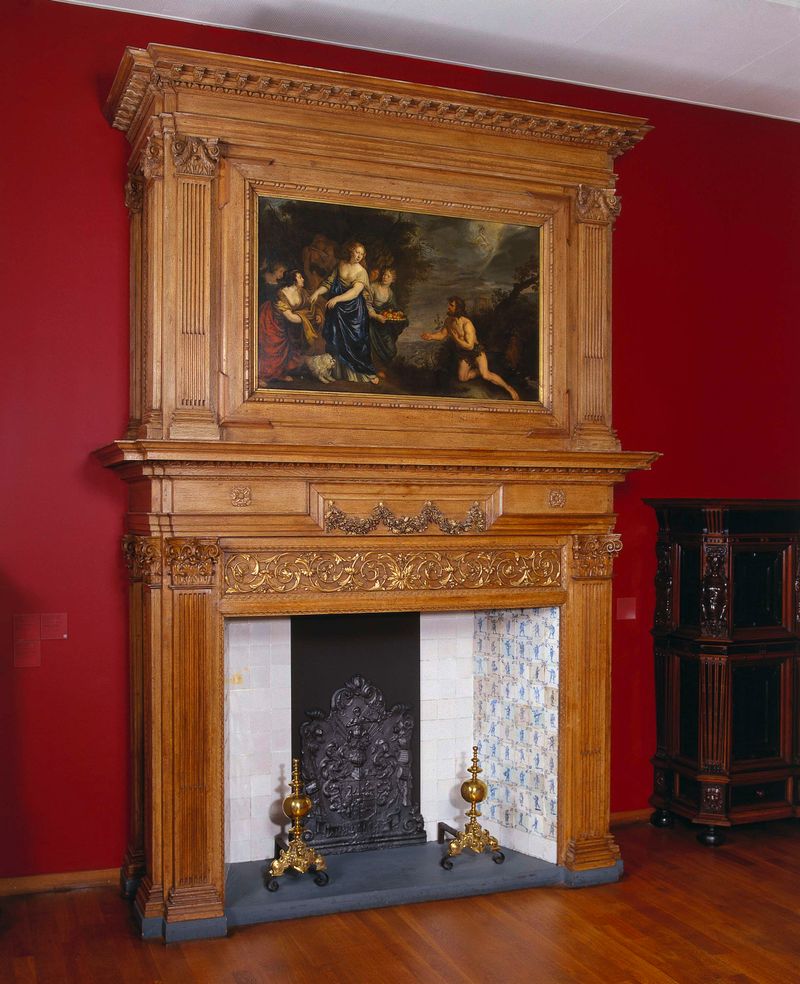
Chimney piece with representation of Odysseus and Nausicaa
Philips Vinckboons II
Rechter zijpaneel boven behorend bij de schoorsteen van het Huydecoperhuis
Philips Vinckboons II

Rechter zijpaneel van de schoorsteen van het Huydecoperhuis
Philips Vinckboons II
Mais arte de Arquitetura
Ver tudo →
The statue of Liberty
Frédéric Auguste Bartholdi

View of Houses in Delft, Known as ‘The Little Street’
Johannes Vermeer

View of Houses in Delft, Known as ‘The Little Street’
Johannes Vermeer

The Cathedral in Rouen. The portal, Grey Weather
Claude Monet

The yellow house
Vincent van Gogh

The Church in Auvers-sur-Oise, View from the Chevet
Vincent van Gogh