
Temple de l’Amitié, 20 rue Jacob où habita Adrienne Lecouvreur — História e Análise
What secret hides in the quiet of the canvas? In a world forever shifting, transformation often lurks beneath the surface, waiting to be unveiled. Look to the center, where a stately building rises, framed by delicate greenery. The architectural lines of the structure are softened by the dappled light filtering through the trees, casting intricate shadows. Notice how the colors bleed into one another — the greens are alive and vibrant, contrasting with the muted tones of the façade.
The brushwork speaks of spontaneity, yet there is a careful precision in the way the leaves seem to sway ever so slightly, bringing the scene to life. As you delve deeper, consider the contrast between the permanence of the temple and the ephemeral nature of the surrounding flora. There’s a tension between the solidity of brick and the whispering leaves, suggesting an interplay of memory and the passage of time. The scene evokes a sense of nostalgia, perhaps for the lost elegance of the past, while the gentle light hints at renewal — the promise that, like the seasons, life will continue to transform. Created in 1909, this piece emerged from Manesse’s Parisian studio, a time when the art world was embracing Impressionism’s legacy.
He was deeply influenced by the changing landscape of the city, where tradition met modernity. The atmosphere of artistic innovation was palpable, as artists sought new ways to capture the essence of their surroundings, reflecting the dynamic cultural shifts of the early 20th century.
Mais obras de Georges-Henri Manesse
Ver tudo →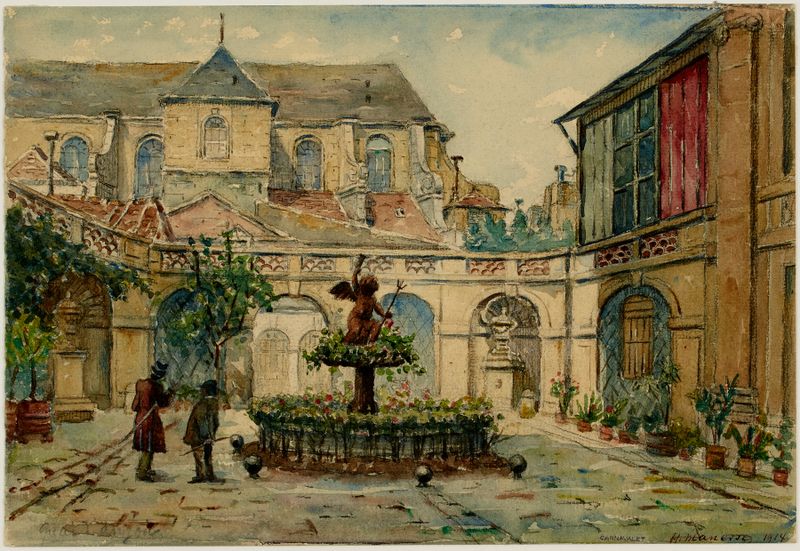
Cour intérieure de l’Hôtel Hesselin, 24 quai de Béthune
Georges-Henri Manesse
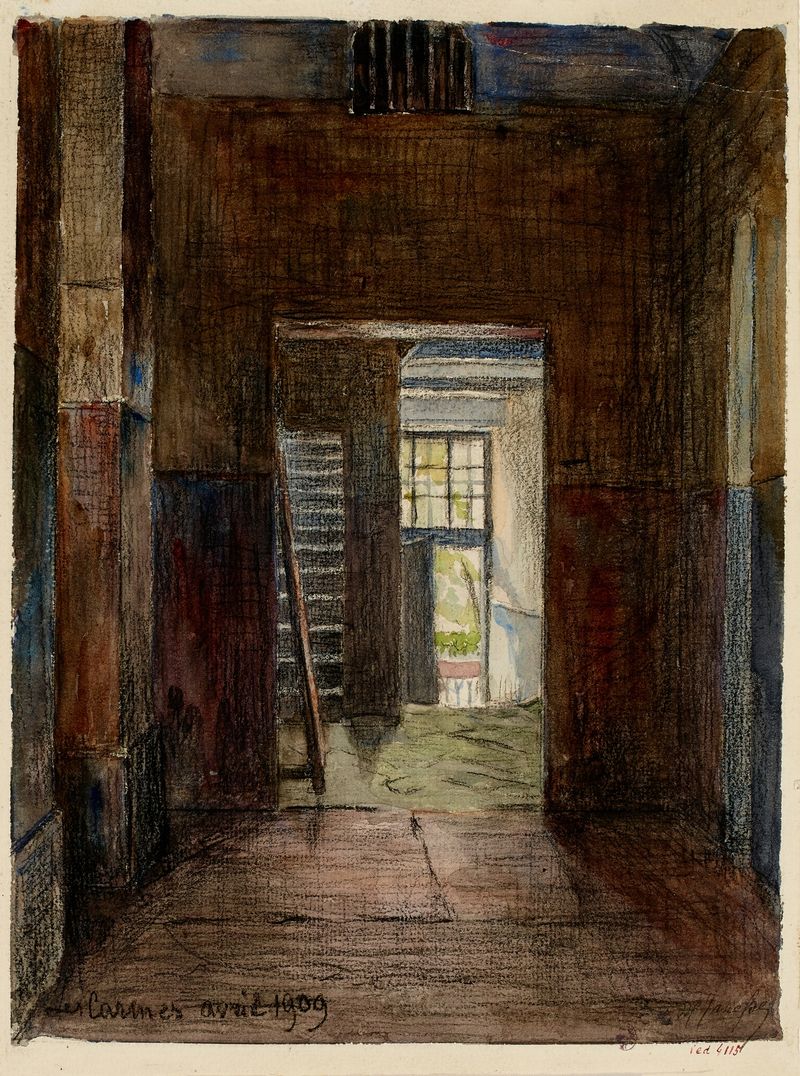
Intérieur du couvent des Carmes, rue de Vaugirard
Georges-Henri Manesse
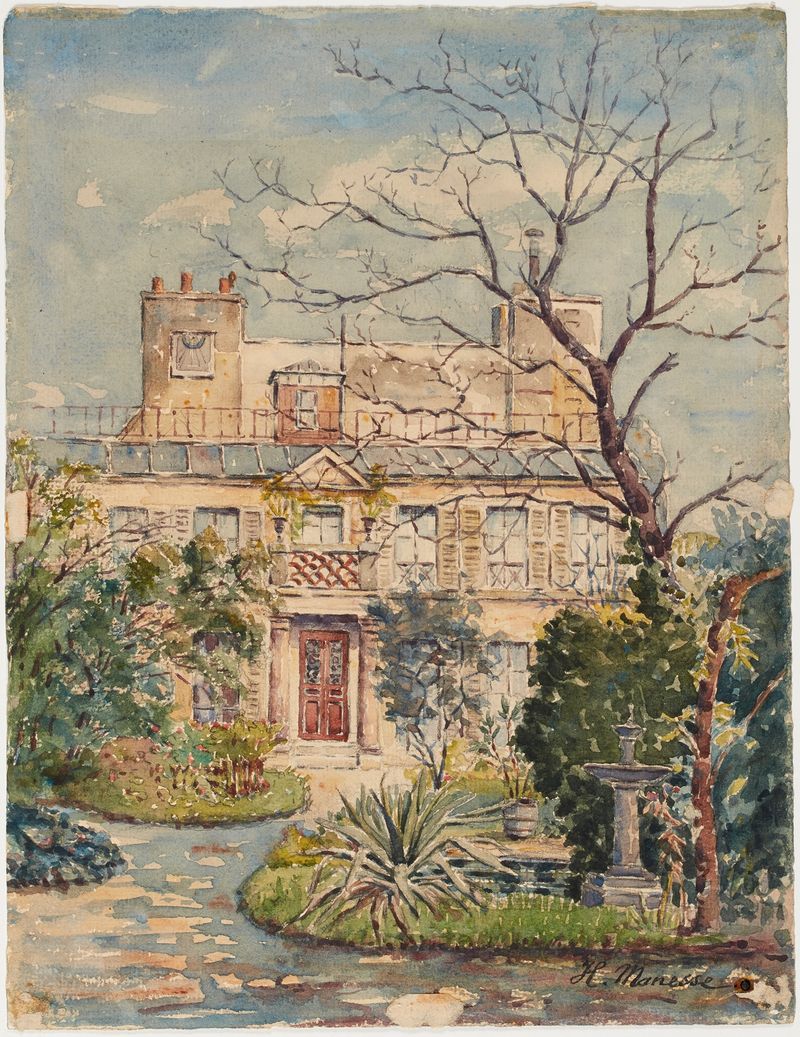
Maison de Victor Hugo, rue du Cherche-Midi
Georges-Henri Manesse
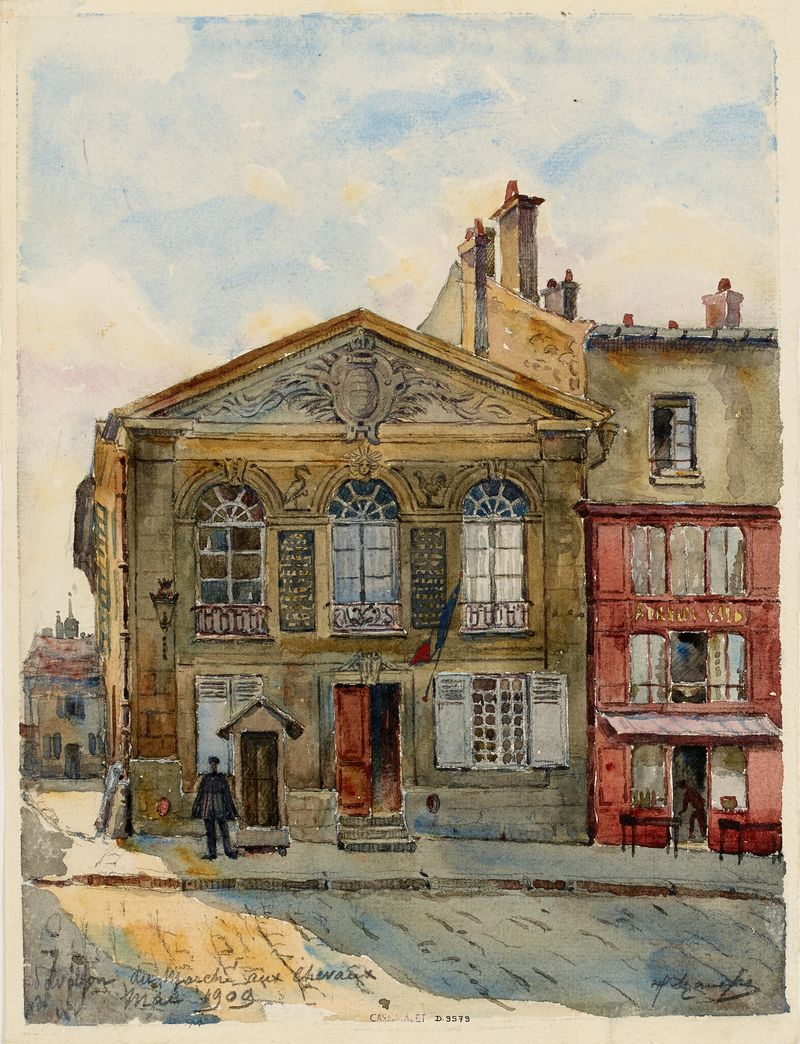
Le pavillon de police du Marché aux chevaux, rue Geoffroy Saint Hilaire
Georges-Henri Manesse

Passerelle des Arts
Georges-Henri Manesse

Vieille maison du XVè siècle, 6 rue Boutebrie
Georges-Henri Manesse
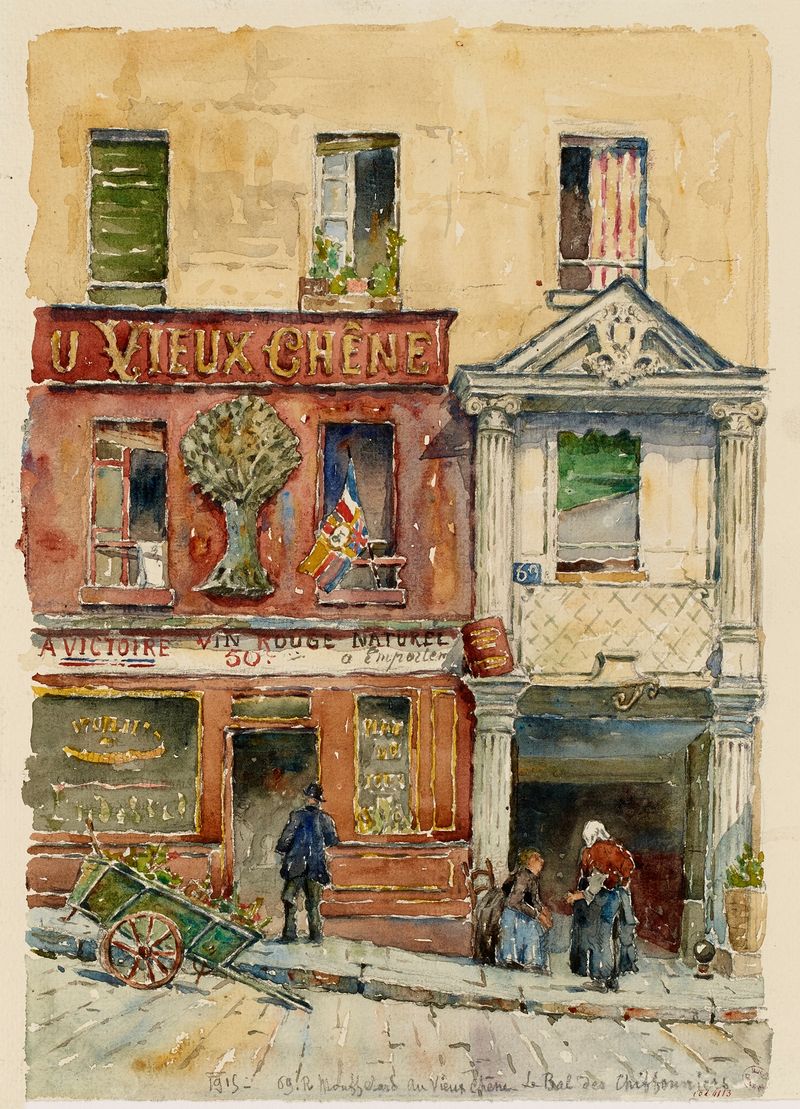
69, rue Mouffetard Boutique de vins à l’enseigne du Vieux chêne
Georges-Henri Manesse
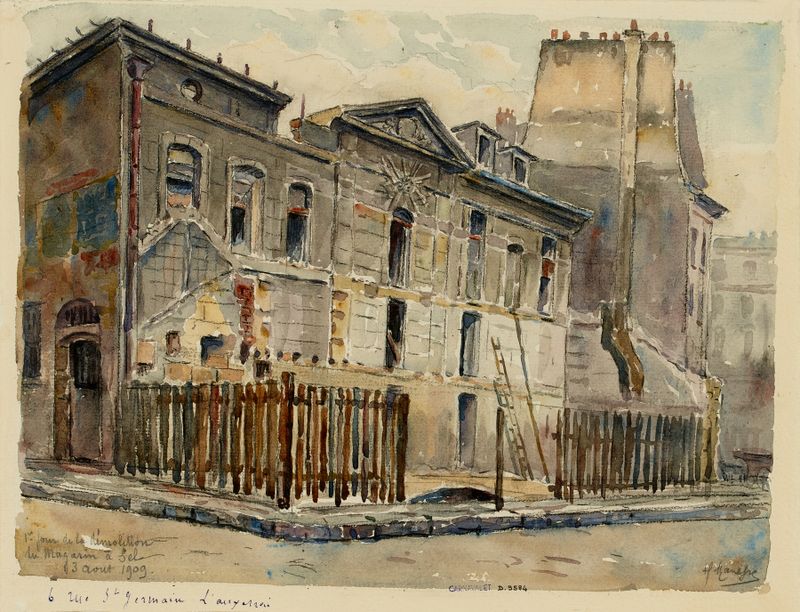
Premier jour de la démolition du magasin à sel, 6 rue Saint Germain de l’Auxerrois
Georges-Henri Manesse

Maison de campagne de Jean-Jacques Rousseau, 20 quai de Passy
Georges-Henri Manesse
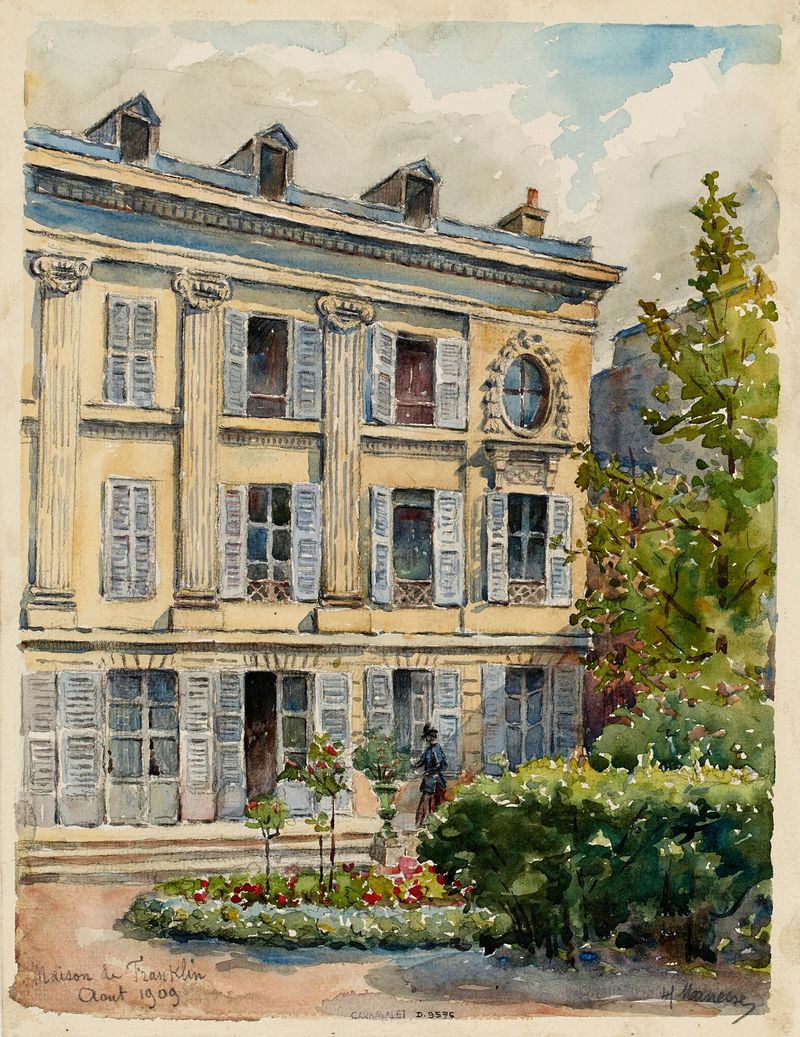
Maison de Franklin, rue raynouard à Passy
Georges-Henri Manesse
Mais arte de Arquitetura
Ver tudo →
The statue of Liberty
Frédéric Auguste Bartholdi

View of Houses in Delft, Known as ‘The Little Street’
Johannes Vermeer

View of Houses in Delft, Known as ‘The Little Street’
Johannes Vermeer

The Cathedral in Rouen. The portal, Grey Weather
Claude Monet

The yellow house
Vincent van Gogh

The Church in Auvers-sur-Oise, View from the Chevet
Vincent van Gogh