
Temple to Maha Deo at Puttugotta (Puttergotta) — História e Análise
In the shadow of the temple, the air is thick with unspoken stories, whispering of the past and unearthing betrayal’s roots. The intricate architecture stands solemnly, a monument to faith yet encased in a veil of secrets. Look to the right at the ornate carvings that grace the temple’s façade, their delicate details illuminated by the dappled sunlight filtering through the trees. Notice how the earthy tones of ochre and deep sienna contrast with the vibrant greens of the surrounding foliage.
Each brushstroke reveals the artist's meticulous attention to the interplay of light and shadow, evoking a sense of depth that invites contemplation of the temple’s sacred and secretive nature. As you absorb the scene, consider the juxtaposition of grandeur and neglect. The temple evokes a sense of reverence yet hints at abandonment, suggesting a story of faith once vibrant that has now succumbed to silence. The surrounding foliage appears to encroach upon the sacred space, representing nature's slow reclaiming, while the weathered stone whispers of the betrayals that may have echoed within its walls. Created between 1777 and 1809, the work emerged during a significant period for Samuel Davis, who was captivated by India’s landscapes and architecture.
While living in the tumultuous backdrop of colonial encounters, his renderings served not only as artistic expressions but also as a lens into the complex cultural exchanges and conflicts of the time, embodying a world at the intersection of awe and treachery.
Mais obras de Samuel Davis
Ver tudo →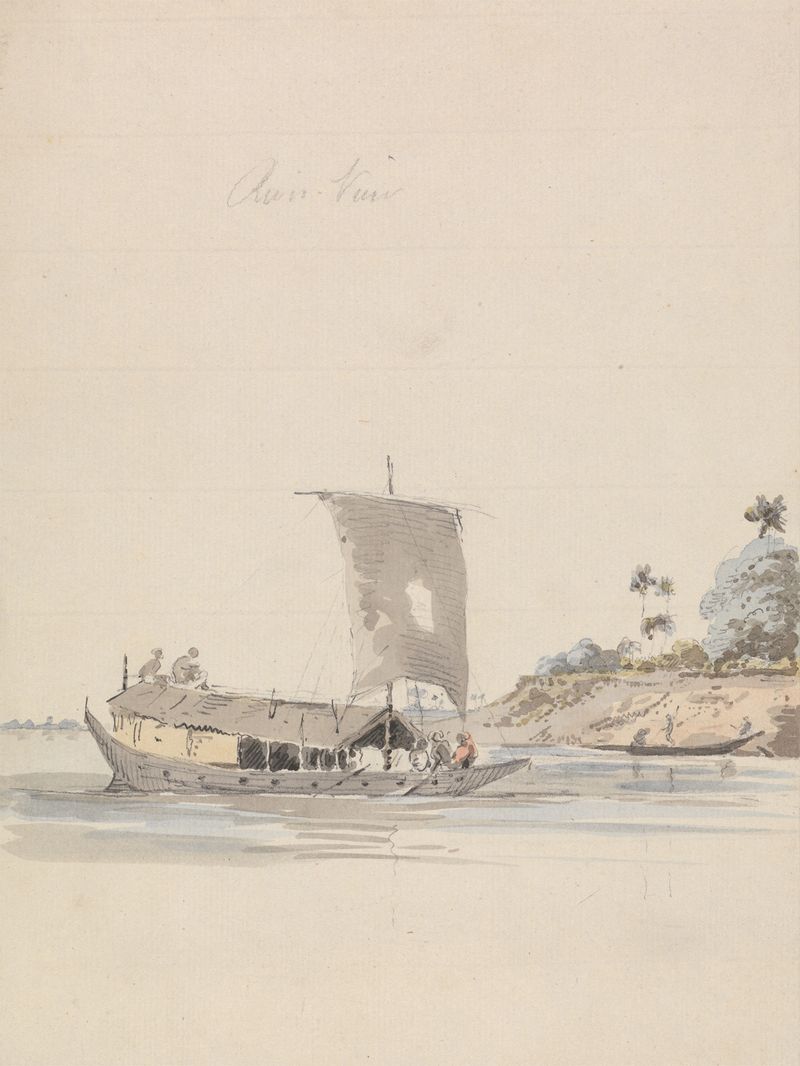
River View with a Junk (near Rajmahal)
Samuel Davis
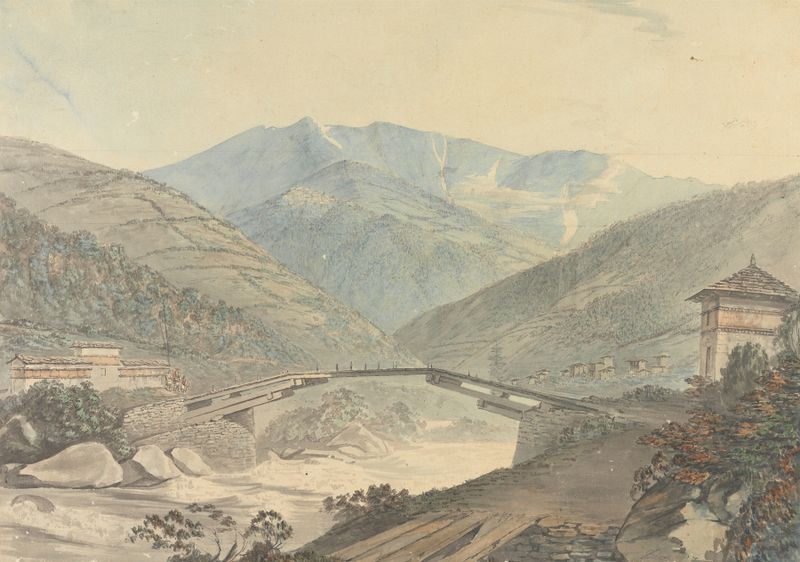
View near Tassisudon [Tashicho Dzong] in Bhutan
Samuel Davis
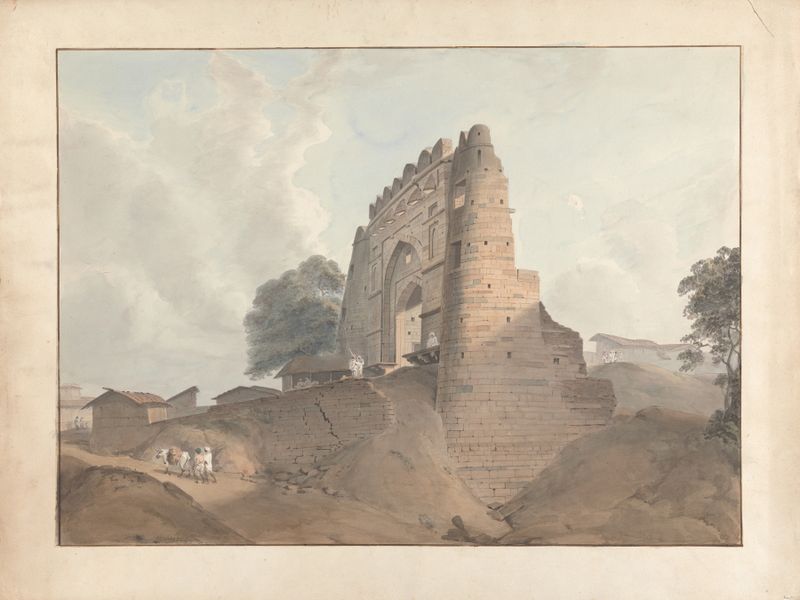
Gate of the Old Fort at Old Benares
Samuel Davis
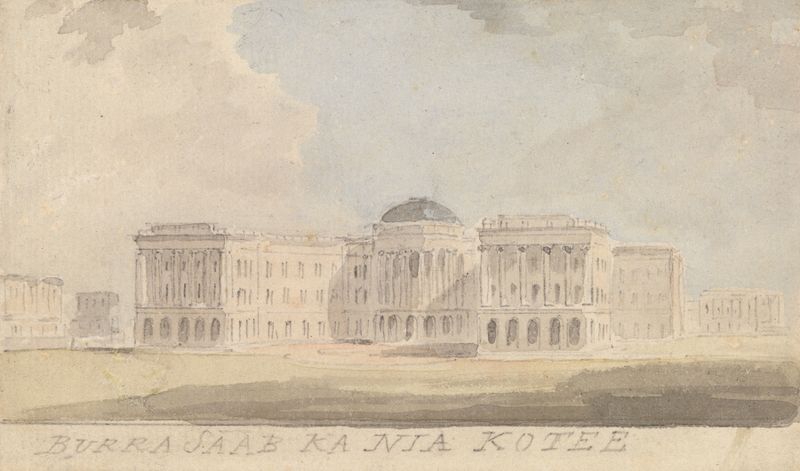
New Government House at Calcutta
Samuel Davis
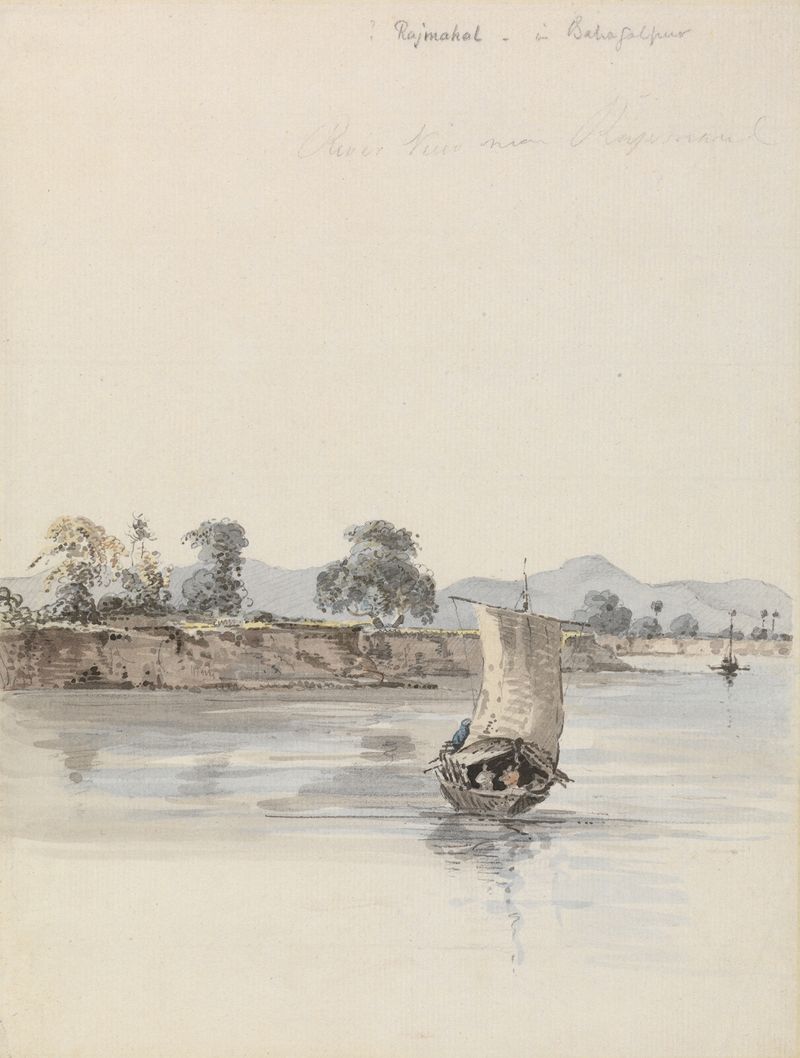
River View near Rajmahal
Samuel Davis
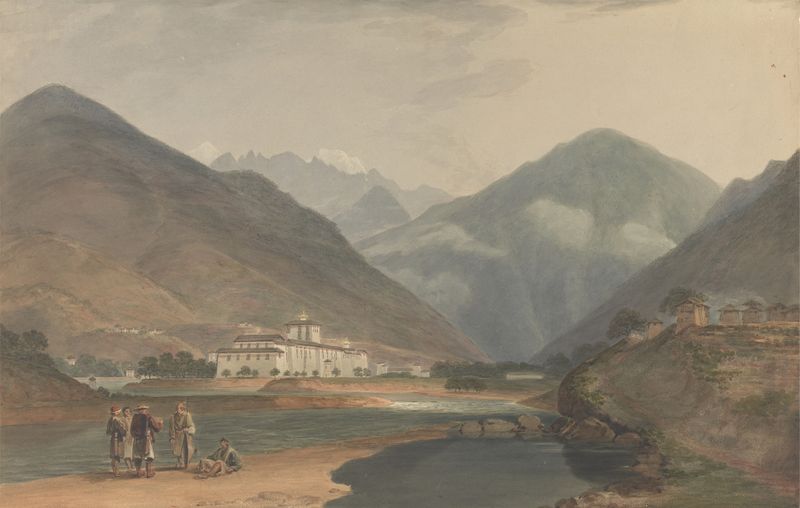
The Former Winter Capital of Bhutan at Punakha Dzong
Samuel Davis
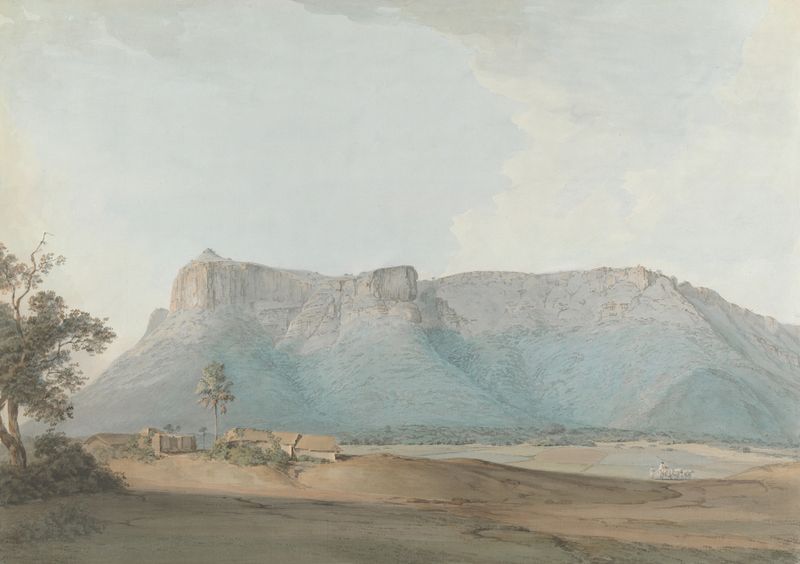
Rhotas from Akberpore
Samuel Davis
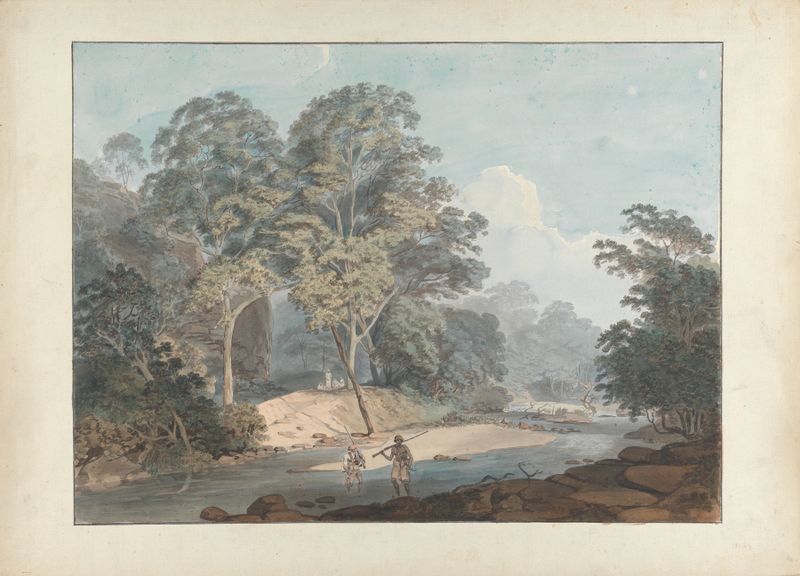
Rocky River Scene with Sepoys
Samuel Davis
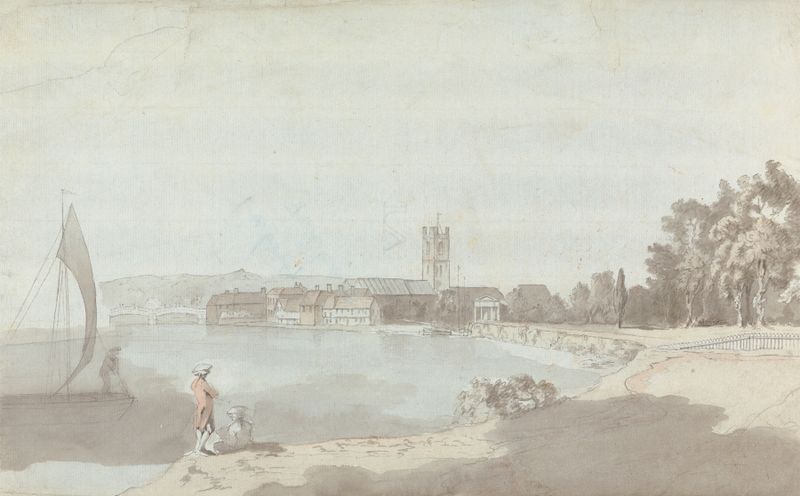
West Country Town by a River
Samuel Davis
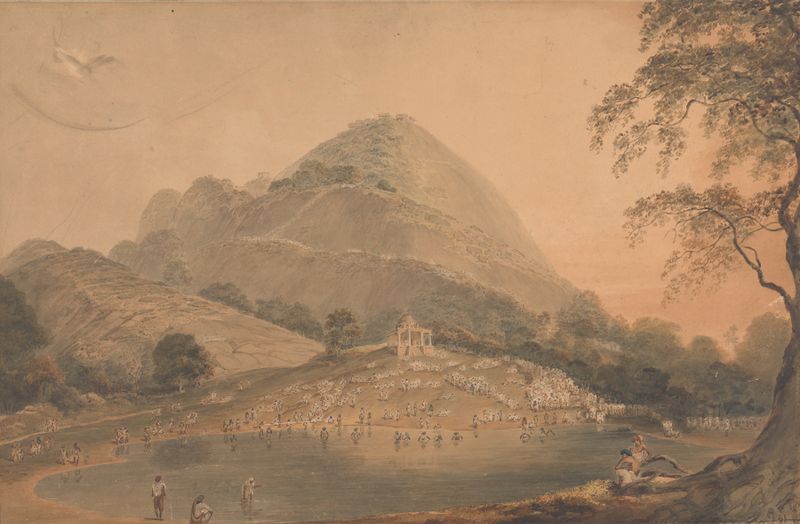
The Annual Resort of Hindoos to Mundar Hill near Bhagulpore [Bhagalpur]
Samuel Davis
Mais arte de Arquitetura
Ver tudo →
The statue of Liberty
Frédéric Auguste Bartholdi

View of Houses in Delft, Known as ‘The Little Street’
Johannes Vermeer

View of Houses in Delft, Known as ‘The Little Street’
Johannes Vermeer

The Cathedral in Rouen. The portal, Grey Weather
Claude Monet

The yellow house
Vincent van Gogh

The Church in Auvers-sur-Oise, View from the Chevet
Vincent van Gogh