
Thaw — História e Análise
In Thaw, the invisible thread of obsession weaves through the winter landscape, inviting contemplation of nature’s slow yet relentless transformation. Look to the left at the delicate interplay of colors where the icy remnants of winter begin to yield to the soft blush of emerging spring. Notice how the muted blues and whites fade gently into warm browns and greens, suggesting a delicate balance between life and decay. The artist's use of light is remarkable; it spills softly across the canvas, illuminating patches of thawing ground while casting long shadows, evoking the hush of a moment caught between seasons. Within the quiet expanse, there's an emotional tension that speaks to the cyclical nature of existence.
The stark contrast between the remnants of ice and the budding earth symbolizes the struggle between lethargy and vitality, echoing an obsession with renewal. The way the landscape is almost personified invites viewers to contemplate their own battles with time—between longing and acceptance, stagnation and growth. At the turn of the 20th century, Laurits Andersen Ring found inspiration amid a changing artistic landscape in Denmark, midway through a life marked by his deep commitment to realism. In 1901, as the art world slowly gravitated toward modernism, he embraced the natural world, reflecting both personal and collective awakenings.
This period of his life was characterized by a deep exploration of nature's rhythms, capturing the fragile beauty of transitions—a theme that resonates deeply in Thaw.
Mais obras de Laurits Andersen Ring
Ver tudo →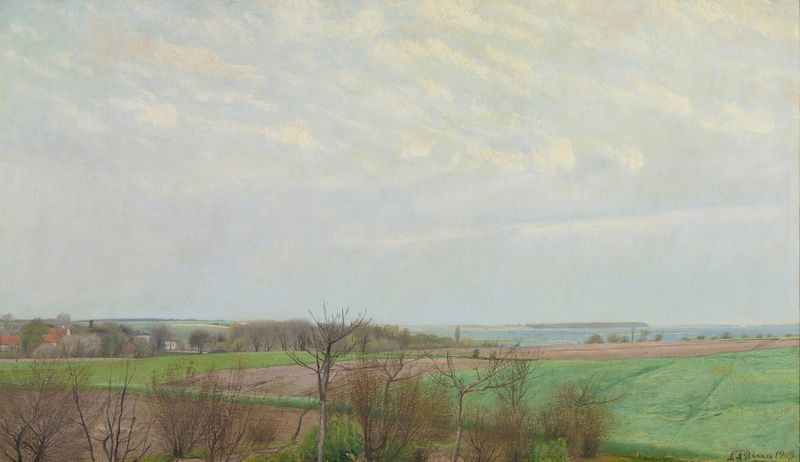
View Of Roskilde Fjord, Early Spring
Laurits Andersen Ring
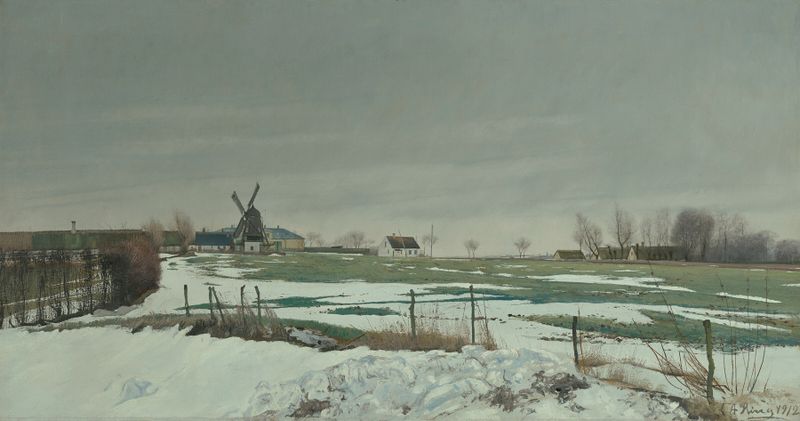
Winter landscape with a windmill
Laurits Andersen Ring
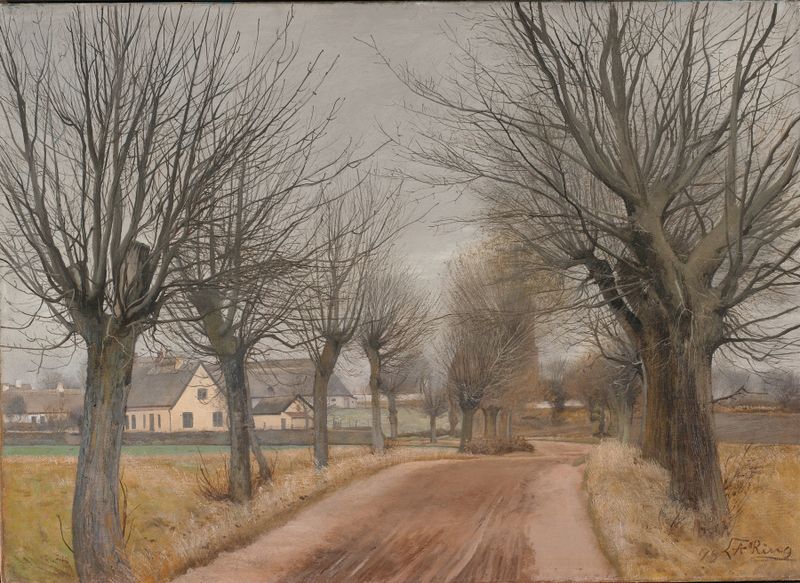
A Road near Vinderød, Zealand
Laurits Andersen Ring
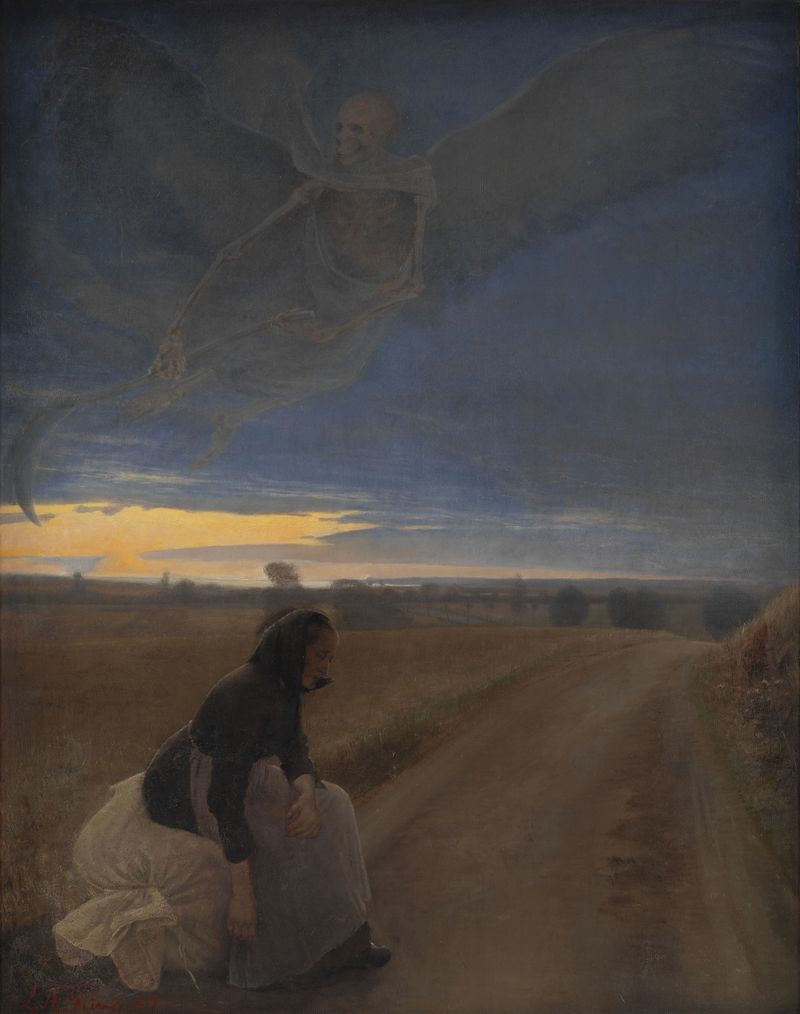
Evening
Laurits Andersen Ring
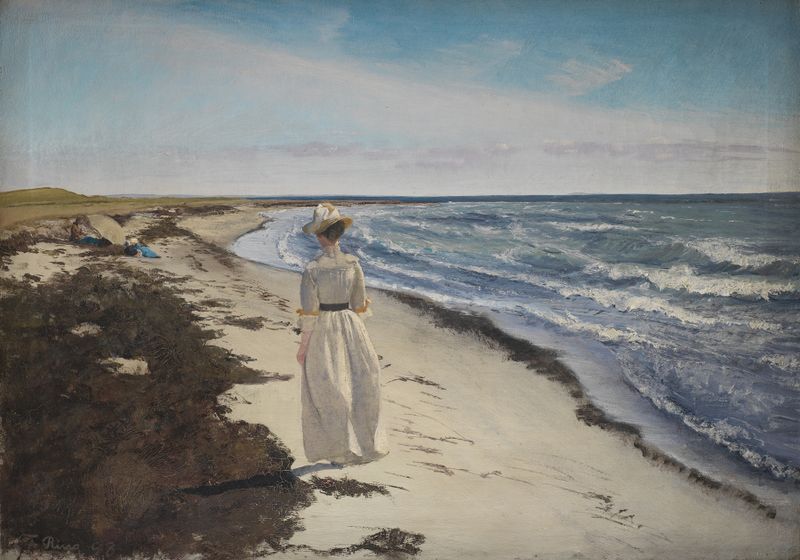
Lady at Karrebæksminde Beach, Zealand
Laurits Andersen Ring
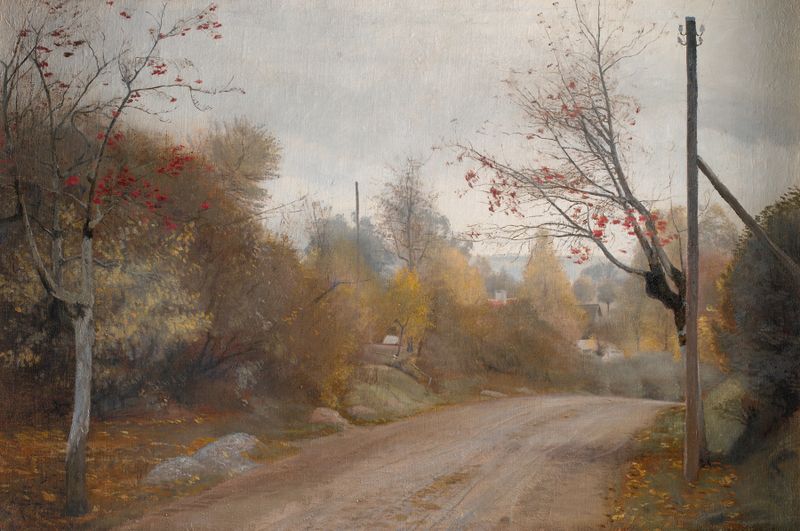
The Road at Mogenstrup, Zealand. Autumn
Laurits Andersen Ring
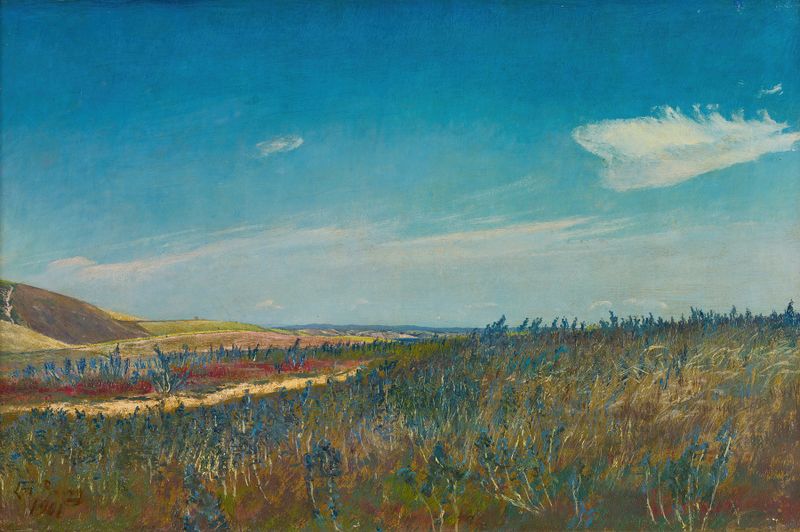
View Near Karrebaeksminde In North Zealand
Laurits Andersen Ring
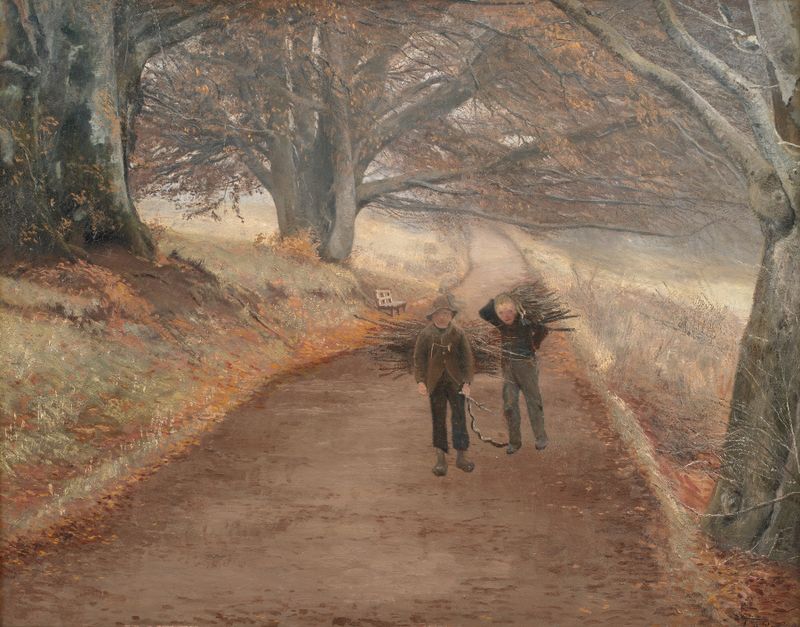
Footpath near Herlufsholm, Zealand
Laurits Andersen Ring
After Sunset
Laurits Andersen Ring
Foggy Winter Day. To the Left a Yellow House. Deep Snow.
Laurits Andersen Ring





