
The Basilica of Maxentius and Constantine in Rome — História e Análise
Can paint confess what words never could? In The Basilica of Maxentius and Constantine in Rome, nostalgia breathes life into stone and shadow, evoking the weight of history and the passage of time. Look to the center of the canvas, where the grand arches stretch towards the heavens, their crumbling surfaces whispering of ancient glory. Notice how the soft, golden light bathes the remnants, imbuing them with a warmth that contrasts sharply with the cool shadows lurking in the corners. The careful strokes emphasize the textured decay of the structure, creating a sense of reverence and melancholy that invites the viewer to linger. Delve deeper, and you’ll find a juxtaposition between the solidity of the architecture and the ephemeral quality of memory.
The interplay of light and dark not only highlights the monumental scale but also evokes a sense of loss—what once stood proud is now a testament to time's relentless march. The scattered clouds above hint at a forgotten past, reminding us that while the basilica may be silent, it holds stories of grandeur, faith, and change within its walls. Josephus Augustus Knip painted this scene between 1809 and 1812, during a time of burgeoning Romanticism in art, where the sublime and the emotional took precedence. Living in Rome, Knip was surrounded by the remnants of ancient civilizations, which fueled his fascination with capturing their essence.
This work reflects the artistic dialogue of the period, where artists sought to evoke deep feelings through landscapes and architecture, emphasizing the passage of time and the resonance of history.
Mais obras de Josephus Augustus Knip
Ver tudo →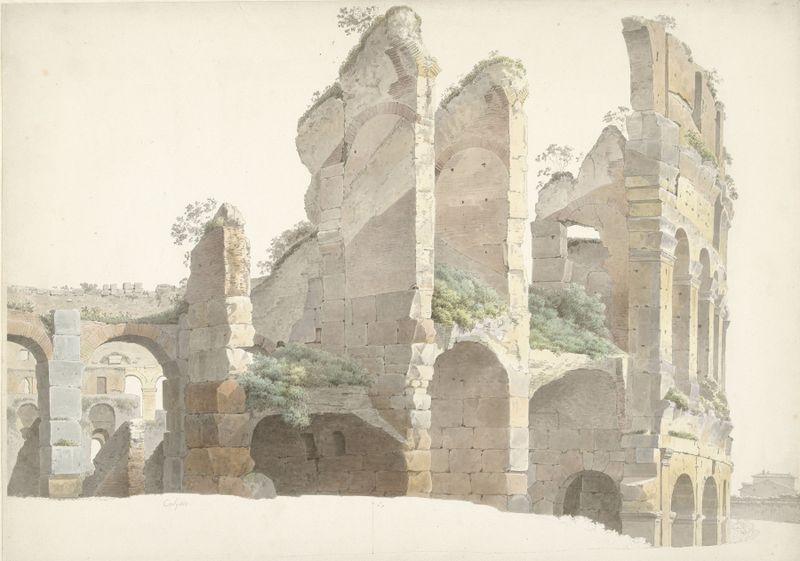
Het Colosseum te Rome
Josephus Augustus Knip
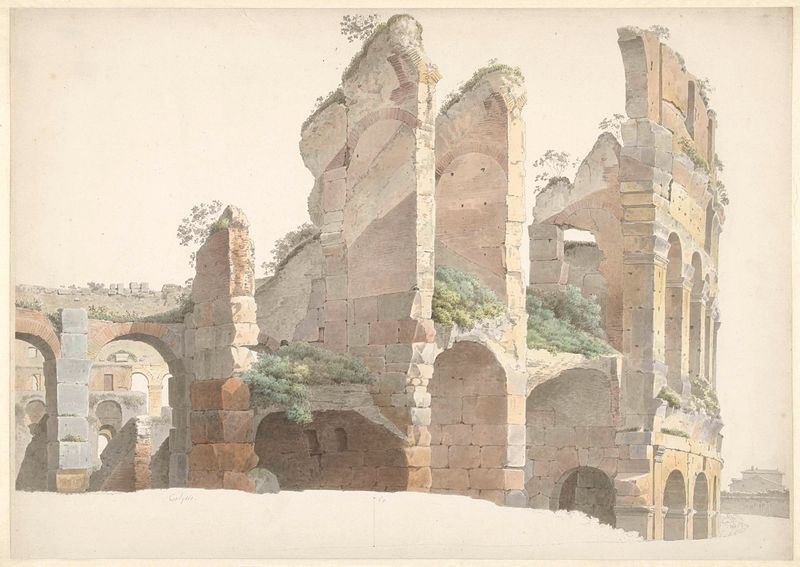
Het Colosseum te Rome
Josephus Augustus Knip
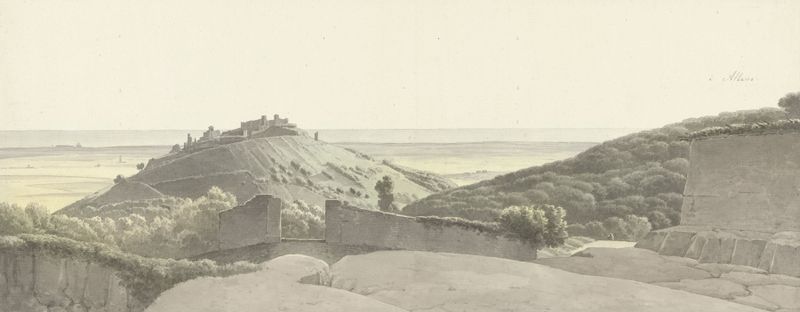
Landscape around Albano Laziale
Josephus Augustus Knip

View of Ariccia from Genzano
Josephus Augustus Knip
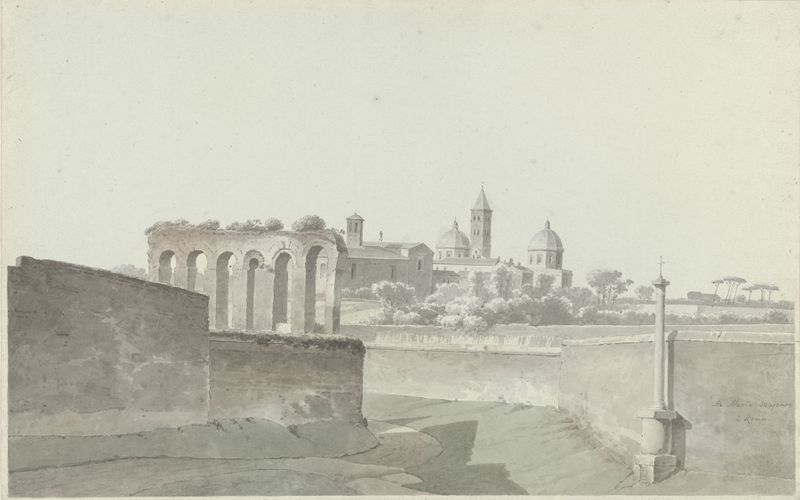
The Basilica of Santa Maria Maggiore in Rome
Josephus Augustus Knip
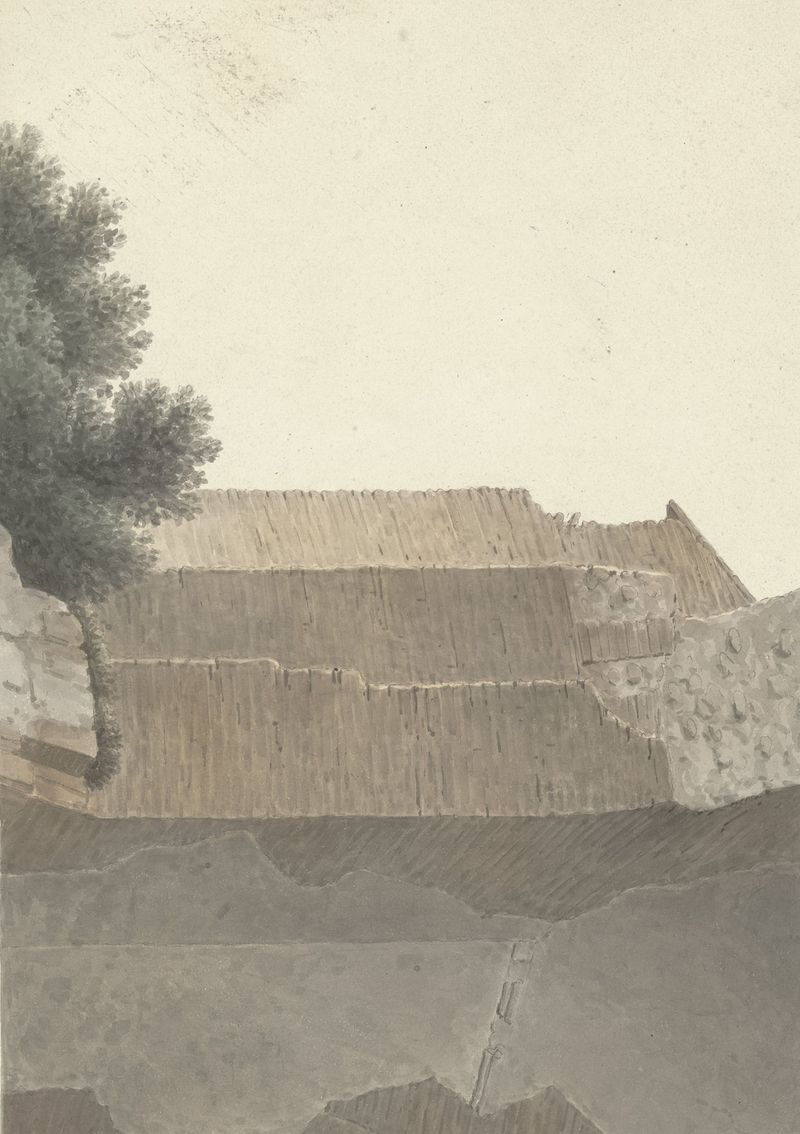
Part of the Vault of the Temple of Minerva Medica in Rome
Josephus Augustus Knip
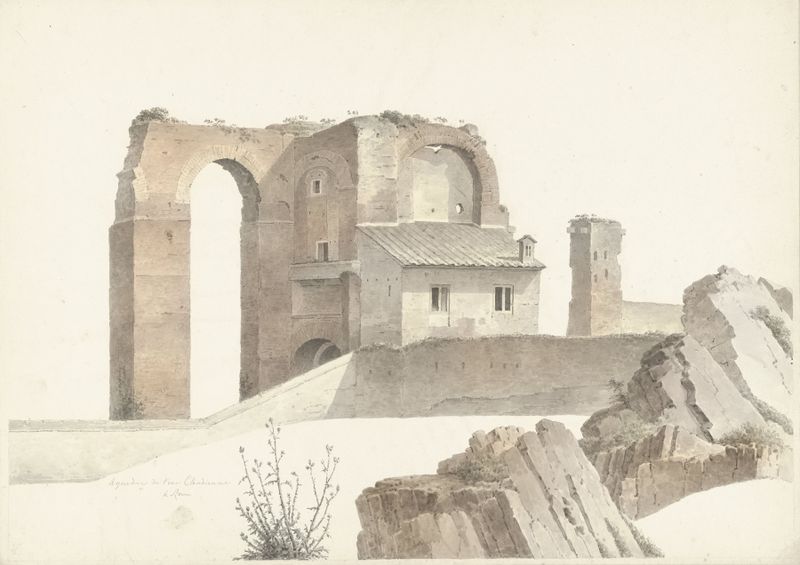
The Aqua Claudia in Rome
Josephus Augustus Knip
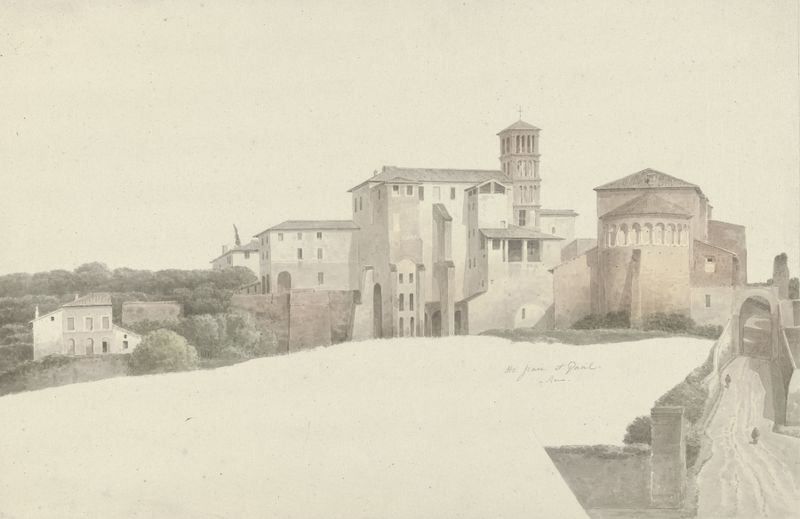
Basilica and Monastery of Santi Giovanni e Paolo in Rome
Josephus Augustus Knip
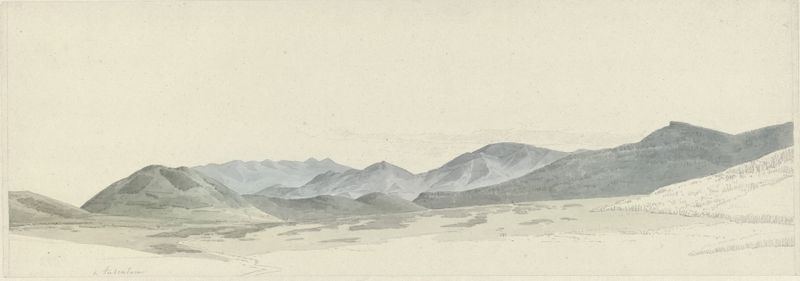
Mountain Landscape at Tusculum
Josephus Augustus Knip
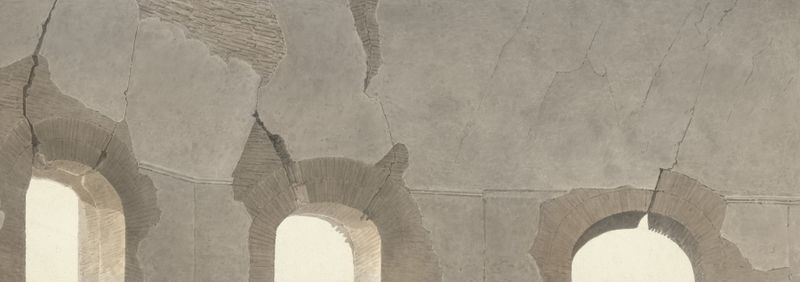
Part of the Vault of the Temple of Minerva Medica in Rome
Josephus Augustus Knip
Mais arte de Arquitetura
Ver tudo →
The statue of Liberty
Frédéric Auguste Bartholdi

View of Houses in Delft, Known as ‘The Little Street’
Johannes Vermeer

View of Houses in Delft, Known as ‘The Little Street’
Johannes Vermeer

The Cathedral in Rouen. The portal, Grey Weather
Claude Monet

The yellow house
Vincent van Gogh

The Church in Auvers-sur-Oise, View from the Chevet
Vincent van Gogh