
The Breaking Waves, Tide of September 1901 — História e Análise
Can beauty exist without sorrow? As the waves crash violently against the shore, an ethereal interplay of color reveals both the tumult and tranquility that reside within nature's rhythm. Look to the center of the canvas, where sweeping strokes of deep blues and frothy whites collide, capturing the energy of the breaking waves. Notice how the artist employs a palette that transitions from dark, stormy hues to lighter, more vibrant shades, evoking a sense of movement and chaos juxtaposed against the serene sky. The textured brushwork invites the viewer to feel the spray of the sea, as if they are standing on the cusp of its power. Beneath the visibly tumultuous surface, layers of meaning unfold.
The contrasting colors symbolize the tension between beauty and turmoil, suggesting that moments of peace often emerge from chaos. The soft edges of the clouds reflect a fleeting calmness that hints at hope, while the relentless waves remind us of nature's fierce, unpredictable temperament. This duality encapsulates the essence of existence itself—a delicate balance between joy and despair. In 1901, when this piece was created, the artist was entrenched in the Post-Impressionist movement in France, where expressive color and emotional resonance were taking precedence over realism.
The world was witnessing a transition in artistic expression, emphasizing individual perception and the emotional depth of color. Lepère's work reflects both his response to this artistic evolution and the tumultuous events of his contemporary society, capturing a moment that echoes through time.
Mais obras de Auguste Louis Lepère
Ver tudo →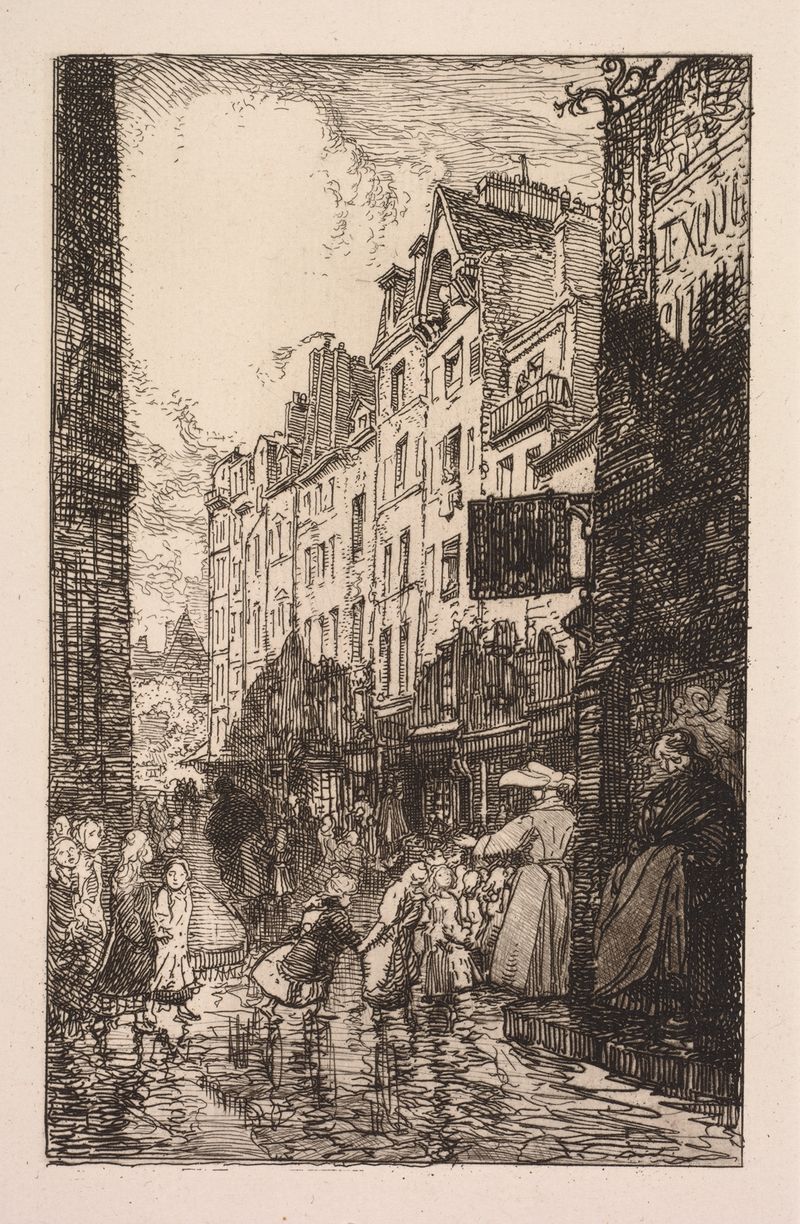
La Rue des Prêtres Saint-Séverin
Auguste Louis Lepère
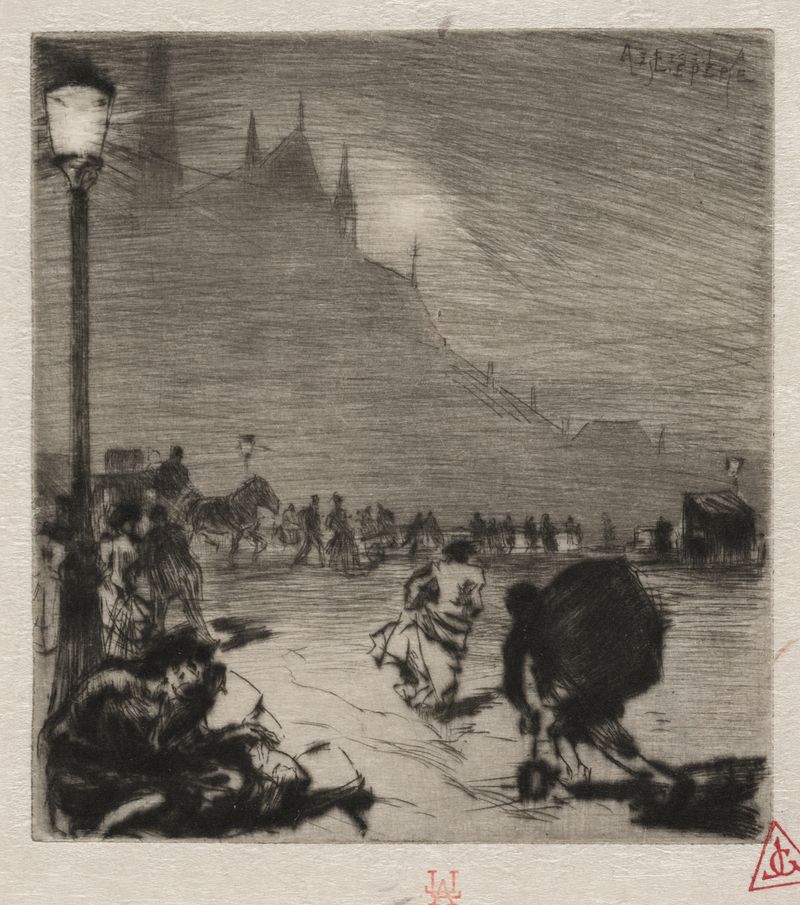
Au Coin du Pont-aux-Doubles
Auguste Louis Lepère
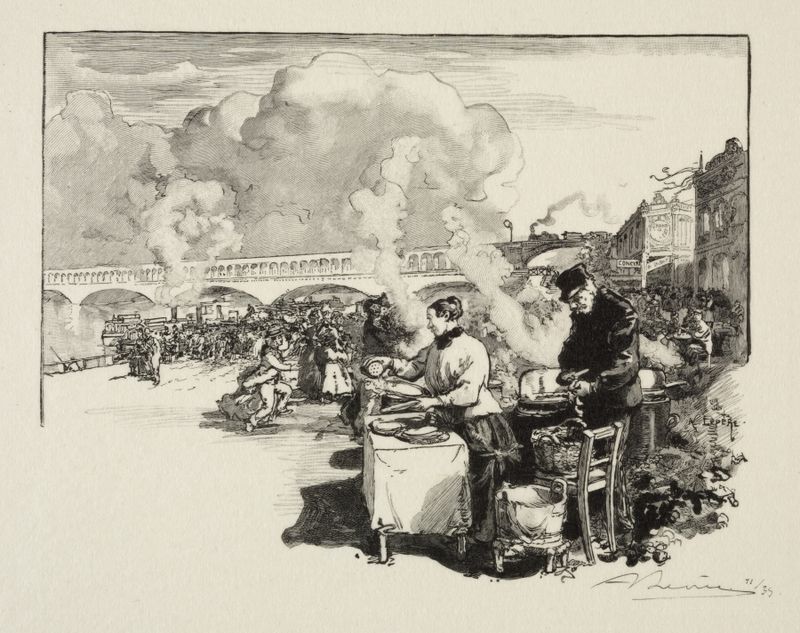
Debarcadère des bateaux-omnibus
Auguste Louis Lepère

La Seine, au quai de la Rapée
Auguste Louis Lepère
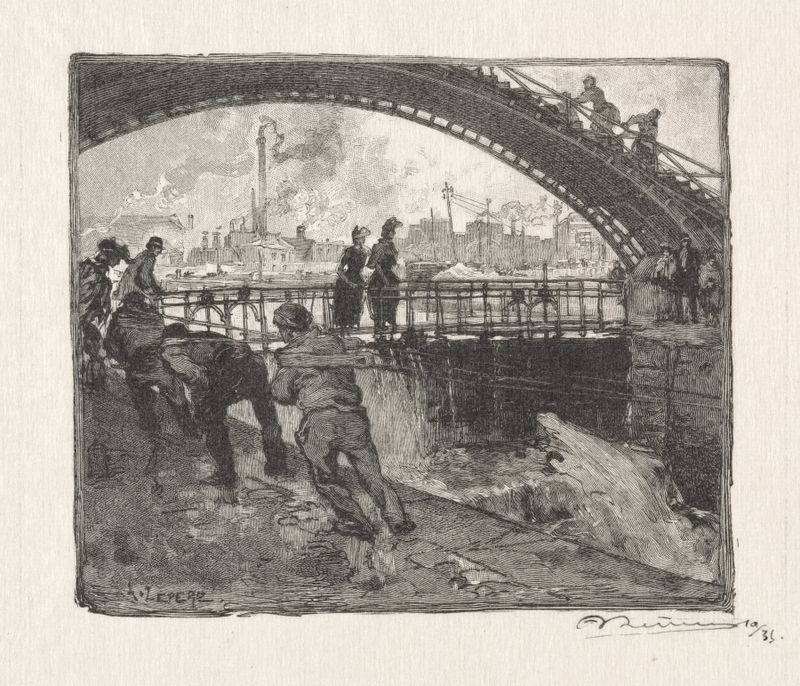
L’Ecluse du Canal St. Martin
Auguste Louis Lepère

Le Boulevard Montmartre, le Soir
Auguste Louis Lepère

Une Chasse au Mont Gérard
Auguste Louis Lepère
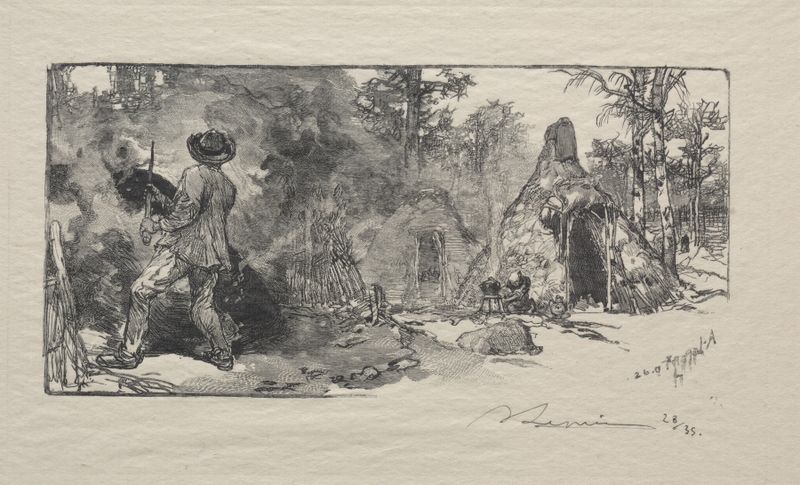
Les Charbonniere
Auguste Louis Lepère
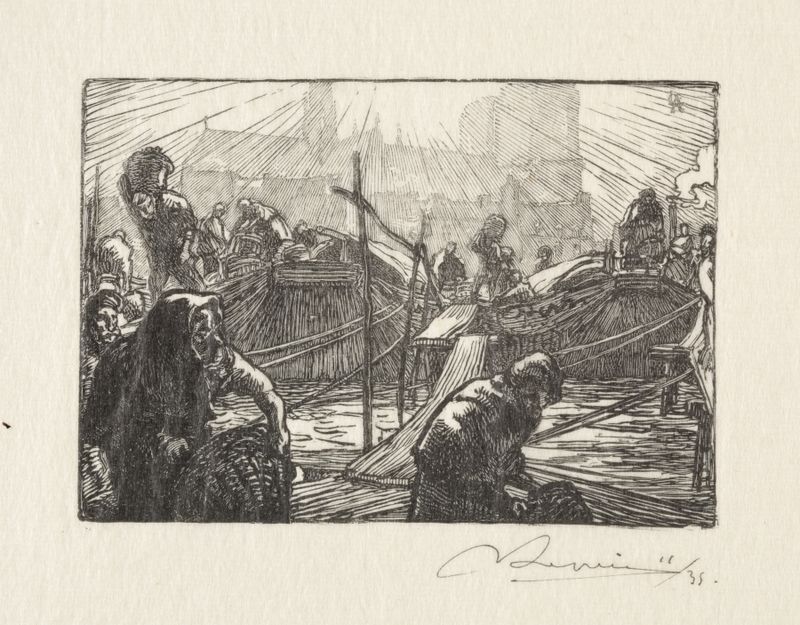
Notre Dame vue du Marché aux pommes
Auguste Louis Lepère

Le Palais des Arts Liberaux, Intèrieur
Auguste Louis Lepère





