
The Bridge — História e Análise
Could a single brushstroke hold eternity? In The Bridge, the tension of violence and tranquility collides, inviting viewers to ponder the delicate balance of nature and human intervention. Look to the left at the imposing, dark structure of the bridge arching over the water, its silhouette dominating the canvas. The interplay of soft blues and grays creates a moody atmosphere, while the translucent reflections in the water add depth to the scene. Notice how the brushstrokes vary in intensity, from the sharp lines of the bridge to the gentle, almost ethereal waves below, suggesting a juxtaposition between man-made strength and the subtle, chaotic forces of nature. Delve deeper into the emotional undercurrents of the work.
The bridge, a symbol of connection, hints at the violence inherent in progress and urbanization; it looms over the serene water, a testament to humanity’s relentless advance. The fragmented reflections evoke a sense of unrest, as though the environment itself is disturbed by the presence of this massive structure. This contrast enhances the painting’s emotional weight, forcing viewers to confront the duality of creation and destruction. In 1886, Whistler created this piece while living in London, a city undergoing significant industrial growth.
He was part of the Aesthetic Movement, which prioritized beauty over narrative, yet The Bridge subtly critiques the changing landscape of his time. This period also saw Whistler experimenting with tonal harmony, aiming to capture the essence of a moment rather than a straightforward representation, a technique that would define his legacy.
Mais obras de James Abbott McNeill Whistler
Ver tudo →
Nocturne in Blue and Silver
James Abbott McNeill Whistler
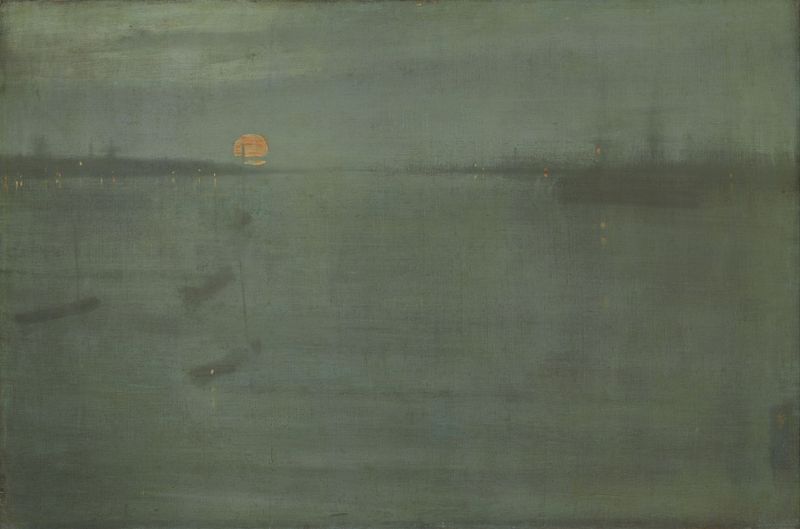
Nocturne: Blue and Gold–Southampton Water
James Abbott McNeill Whistler
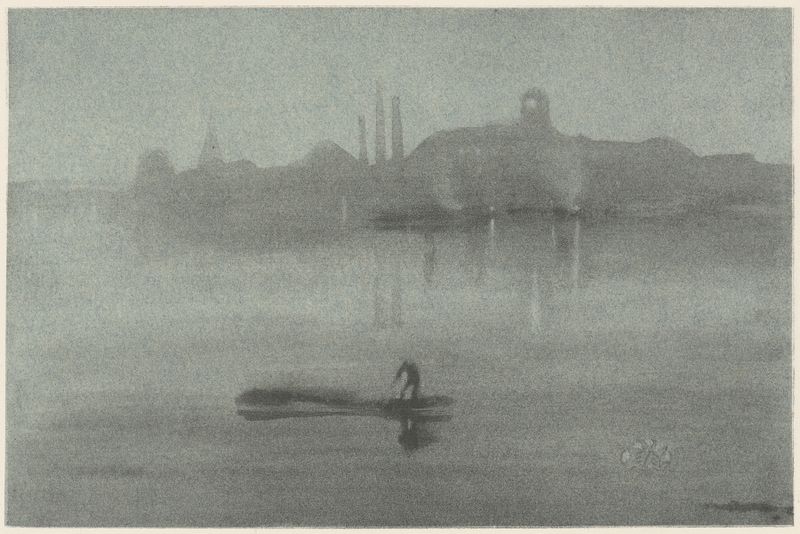
Nocturne
James Abbott McNeill Whistler
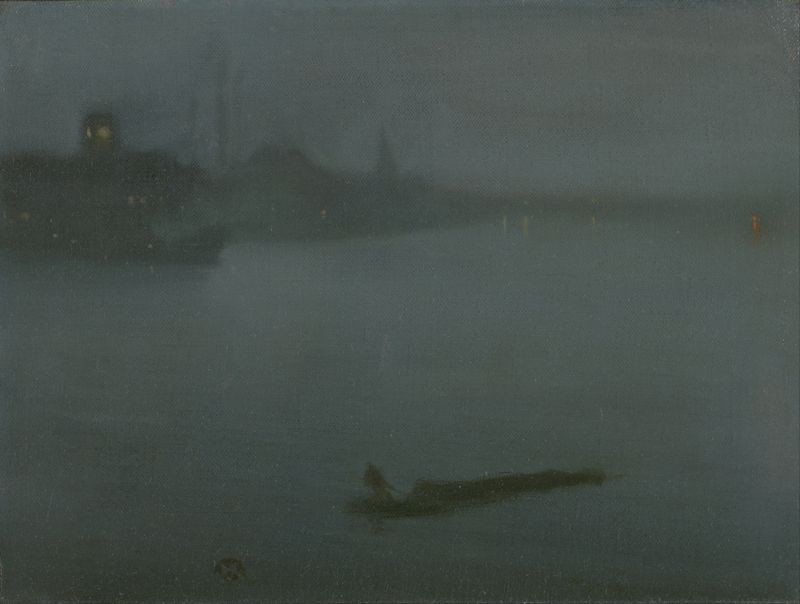
Nocturne in Blue and Silver
James Abbott McNeill Whistler
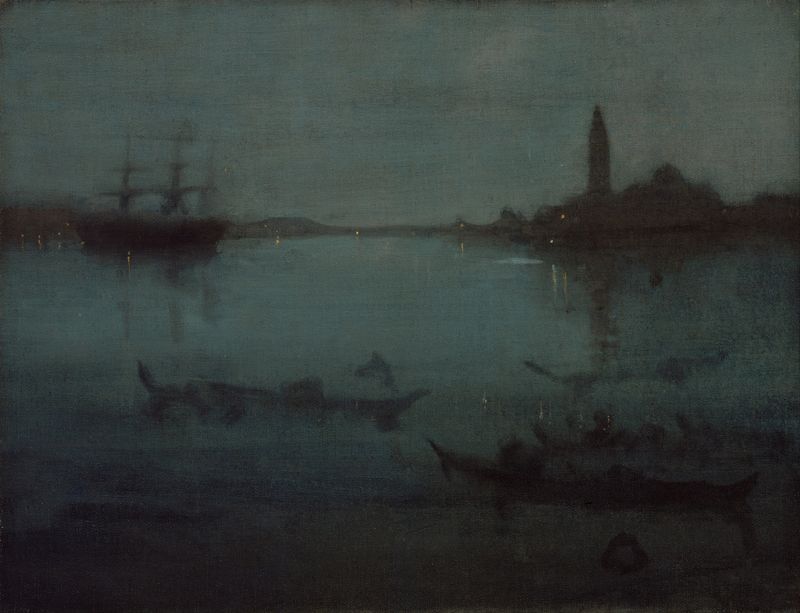
Nocturne in Blue and Silver- The Lagoon, Venice
James Abbott McNeill Whistler
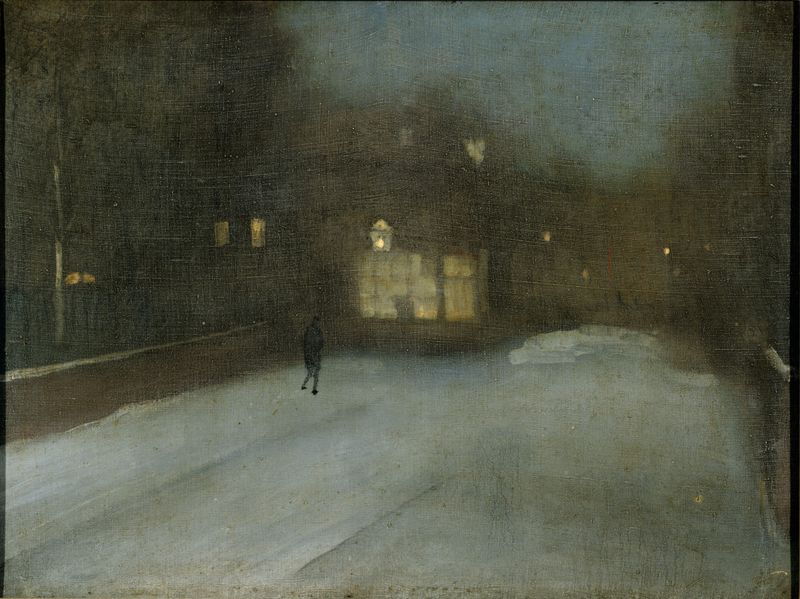
Nocturne in Grey and Gold: Chelsea Snow
James Abbott McNeill Whistler
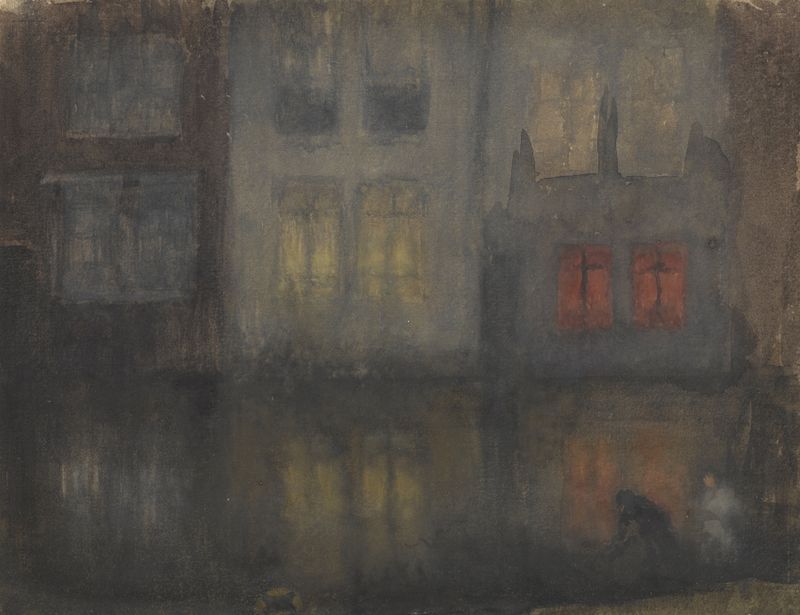
Nocturne: Black and Red—Back Canal, Holland
James Abbott McNeill Whistler
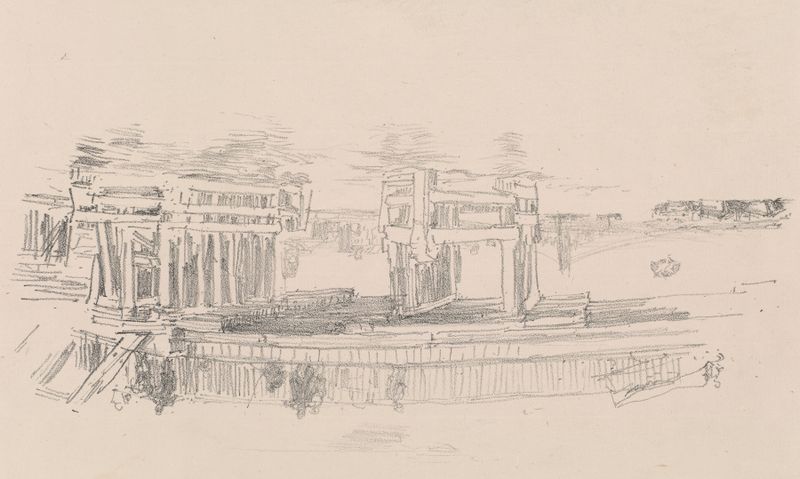
Old Battersea Bridge
James Abbott McNeill Whistler

Nocturne: Blue and Silver–Battersea Reach
James Abbott McNeill Whistler
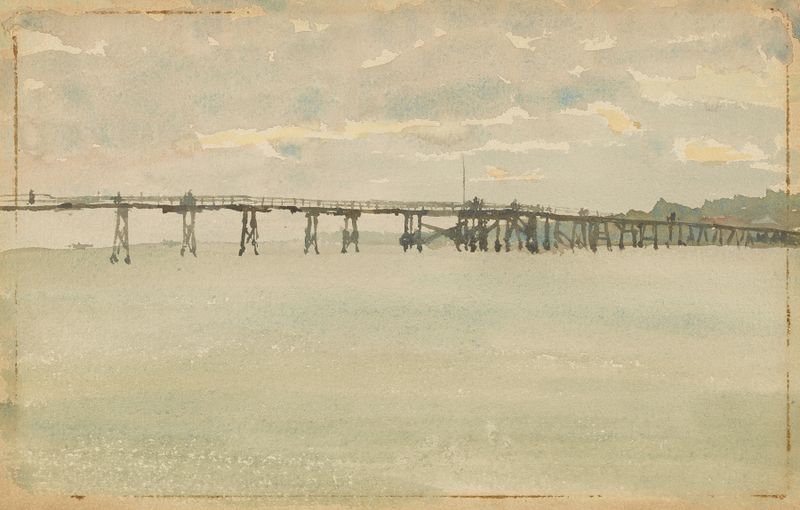
Grey and Silver–Pier, Southend
James Abbott McNeill Whistler





