
The Chapel Saint-Michel at L’Estre — História e Análise
Time suspended, the essence of fleeting moments lingers in the air, whispering secrets only the walls can hear. Look to the bottom left where the chapel’s weathered stones rise, a testament to both faith and the relentless passage of years. Notice how light dances softly across the textured surface, illuminating the rich hues of ochre and subtle grays, creating a serene contrast against the deepening shadows. The composition draws the viewer’s eye upward, inviting contemplation of the ethereal sky painted in delicate blues and whites, hinting at both dawn and dusk, a visual metaphor for the cycles of life. The emotional tension lies in the juxtaposition of the chapel's steadfastness against the ephemeral nature of time.
Each crack in the stone and gentle folding of clouds speaks to the relentless march of history, while the tranquil landscape envelops it in a sense of peace. There is a poignant stillness that evokes nostalgia and introspection, as if the scenery itself is a witness to countless prayers and unvoiced thoughts, echoing through the ages. In 1881, Buhot was deeply immersed in the Impressionist movement, residing in France where artists were exploring new representations of light and atmosphere. This period marked a significant transition in his work, as he sought to capture not just the physical essence of his subjects, but their emotional resonance.
The chapel, a familiar motif, reflects both his personal reflections and the broader artistic dialogue of his time, encapsulating the interplay of permanence and transience.
Mais obras de Félix Hilaire Buhot
Ver tudo →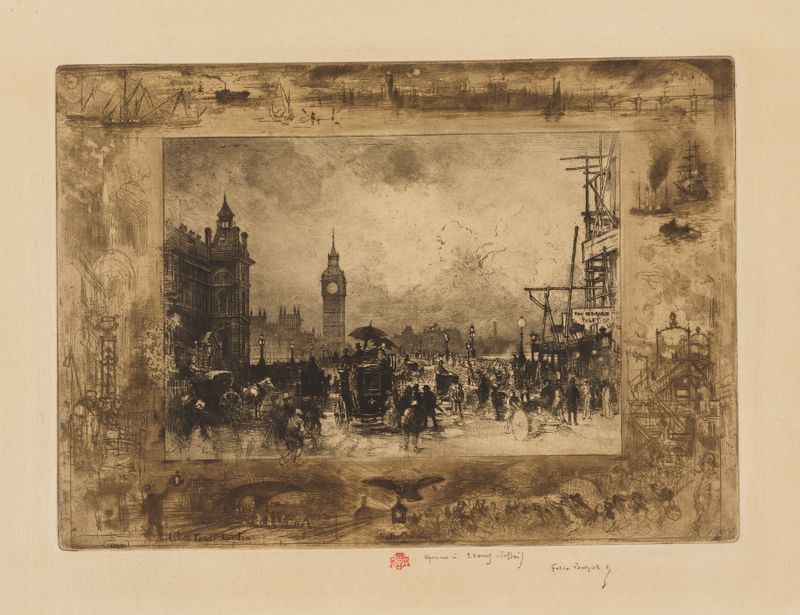
Westminster Bridge, or Westminster Clock Tower
Félix Hilaire Buhot
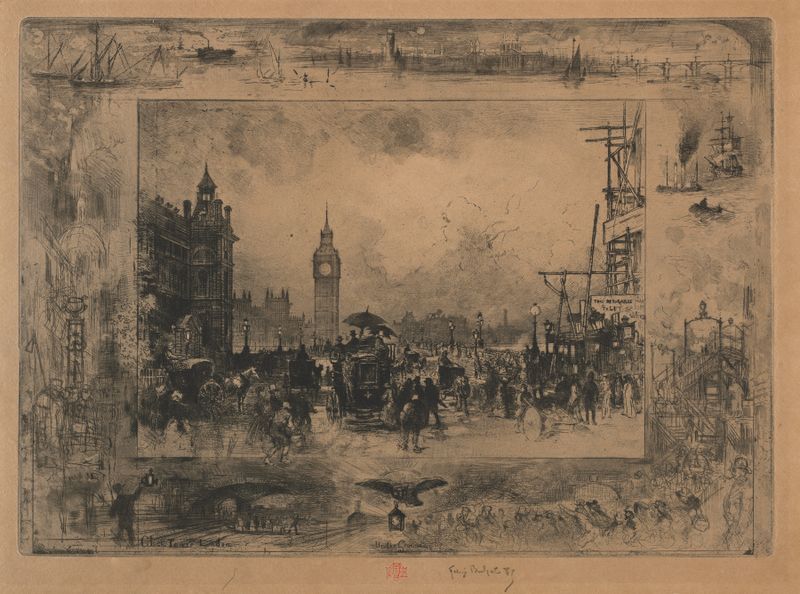
Westminster Bridge, or Westminster Tower
Félix Hilaire Buhot
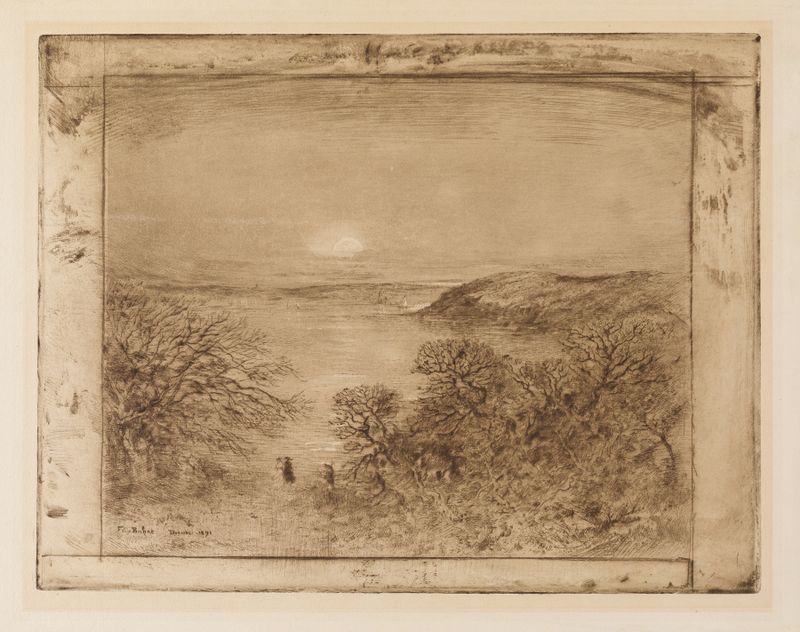
Moonrise at Dinard
Félix Hilaire Buhot
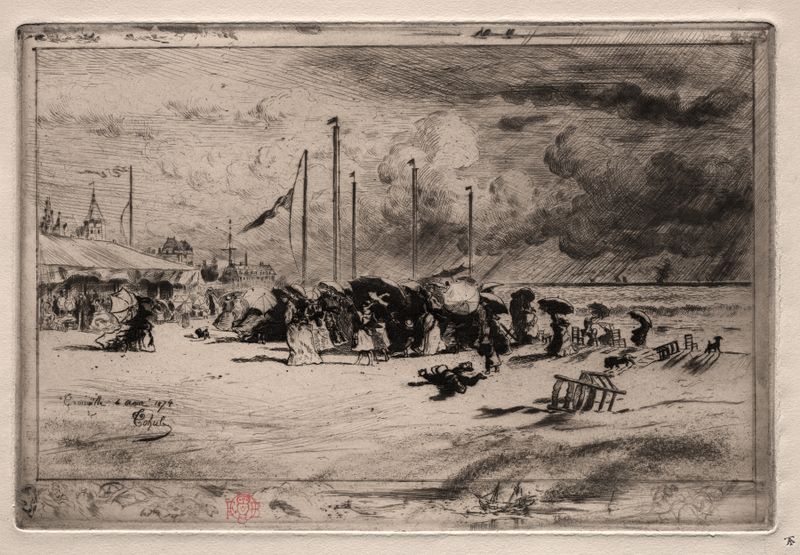
A Squall at Trouville
Félix Hilaire Buhot
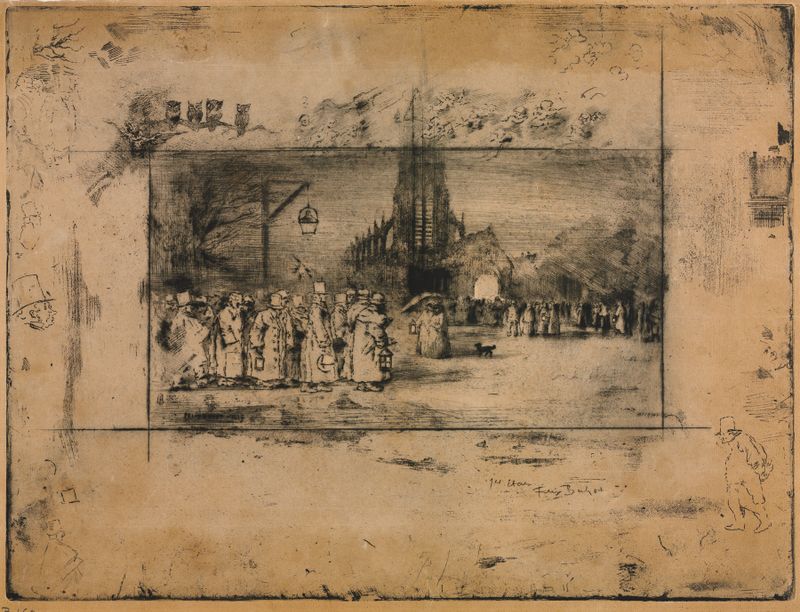
The Midnight Mass
Félix Hilaire Buhot
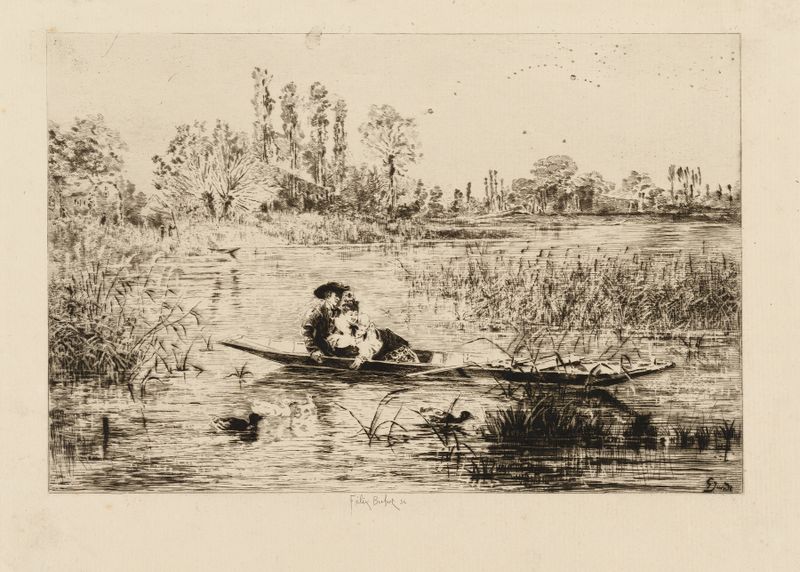
On the Thread of the Water
Félix Hilaire Buhot
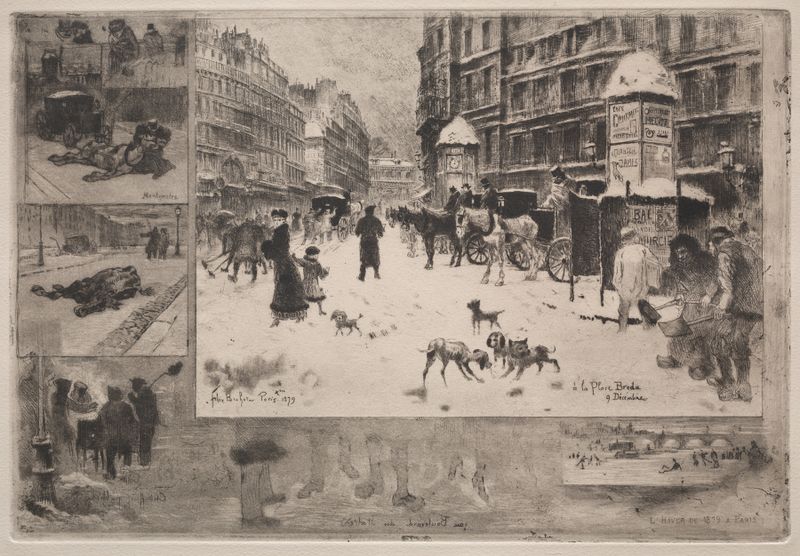
Winter in Paris
Félix Hilaire Buhot
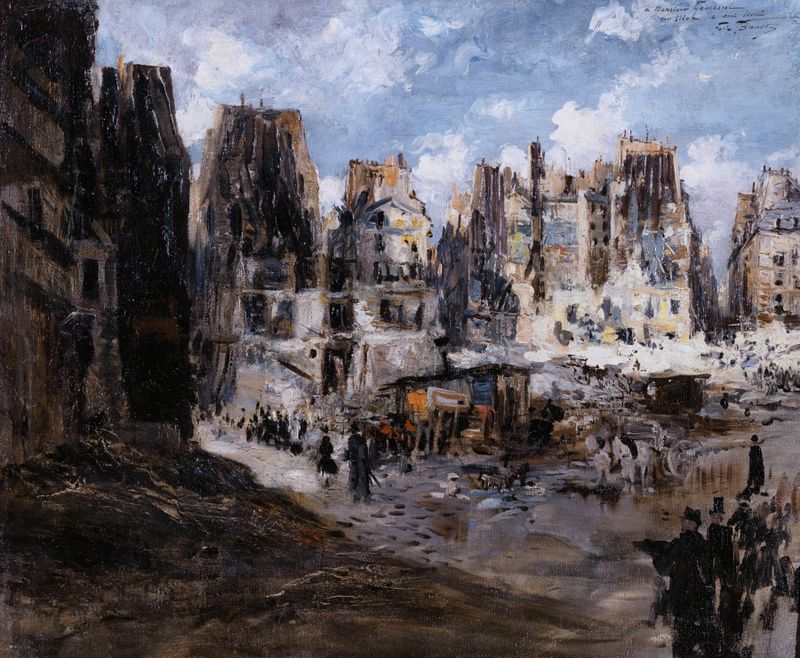
Le percement de l’avenue de l’Opéra.
Félix Hilaire Buhot
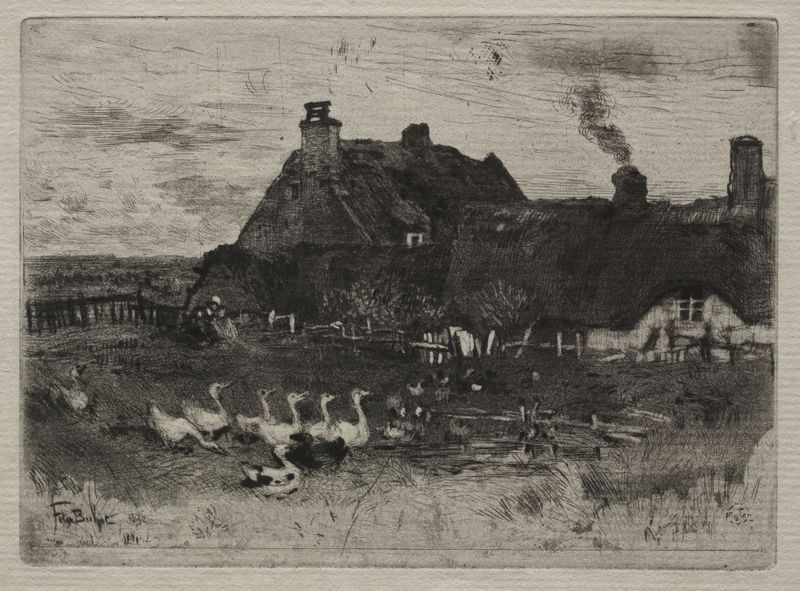
Thatched Cottages
Félix Hilaire Buhot
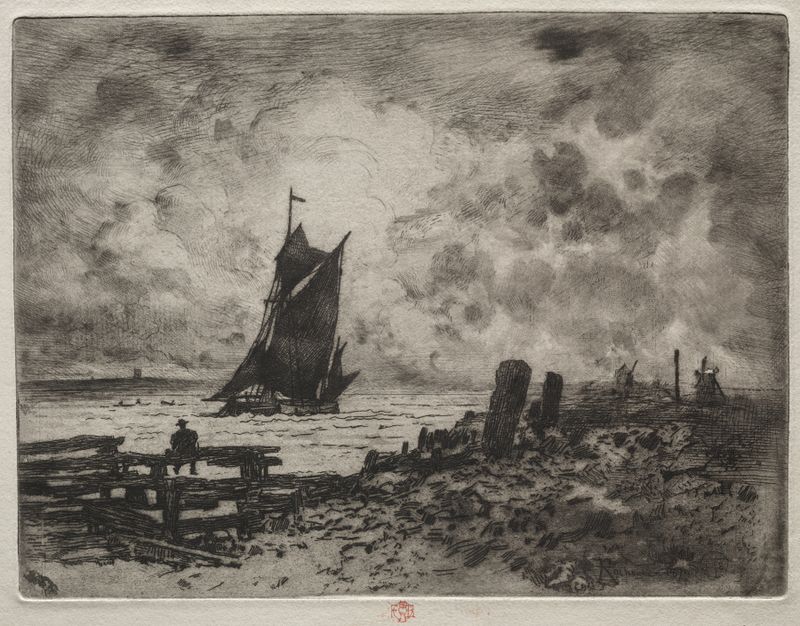
The Little Marine; Souvenir of Medway
Félix Hilaire Buhot
Mais arte de Arquitetura
Ver tudo →
The statue of Liberty
Frédéric Auguste Bartholdi

View of Houses in Delft, Known as ‘The Little Street’
Johannes Vermeer

View of Houses in Delft, Known as ‘The Little Street’
Johannes Vermeer

The Cathedral in Rouen. The portal, Grey Weather
Claude Monet

The yellow house
Vincent van Gogh

The Church in Auvers-sur-Oise, View from the Chevet
Vincent van Gogh