
The Cirque of Long-Rocher — História e Análise
In The Cirque of Long-Rocher, serenity unfolds amidst the tumult of nature, revealing a tranquil sanctuary nestled within a rugged landscape. Look to the center of the painting, where the gentle curve of the river draws your gaze through the composition. The vibrant greens of the foliage contrast beautifully with the soft blues of the sky, inviting you to explore the hidden depths of the scene. Notice how the artist's deft application of brushstrokes creates a sense of movement in the trees, almost as if they sway gently in a whispering breeze, while the dappled light dances on the water’s surface, reflecting the harmony of this secluded haven. Hidden meanings lie in the juxtaposition of the wild and the serene, as the towering cliffs stand as silent sentinels over the flowing river, echoing life's relentless passage.
The interplay of light and shadow creates a meditative quality, suggesting a moment of pause amid the chaos of existence. This artwork captures not just a landscape, but a profound emotional landscape—a reminder that tranquility can be found even in the most untamed corners of the world. In 1890, Auguste Louis Lepère painted this piece while residing in France, influenced by the emerging Impressionist movement. At the time, he was exploring new techniques in etching and watercolor, aiming to capture the essence of nature, which reflected the changing tides of artistic expression throughout Europe.
This period marked a shift towards more personal and emotive interpretations of the landscape, a theme that resonates deeply within this work.
Mais obras de Auguste Louis Lepère
Ver tudo →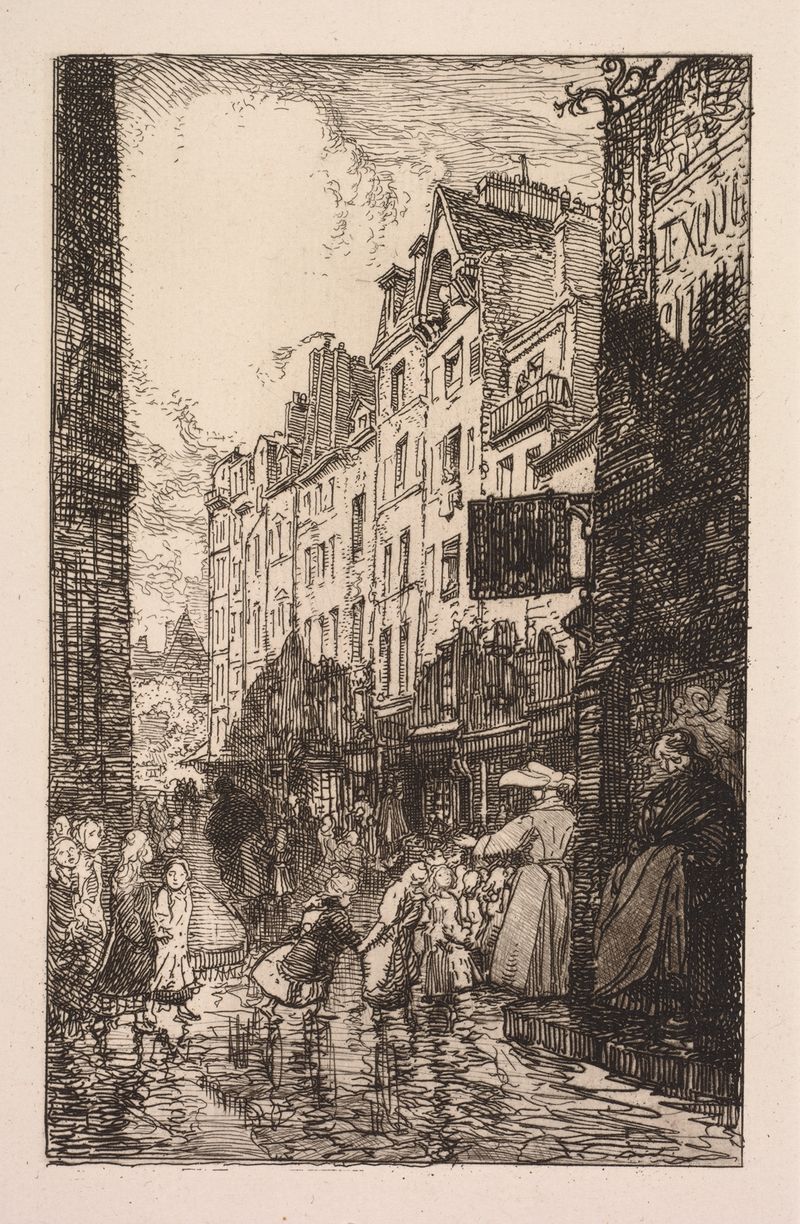
La Rue des Prêtres Saint-Séverin
Auguste Louis Lepère
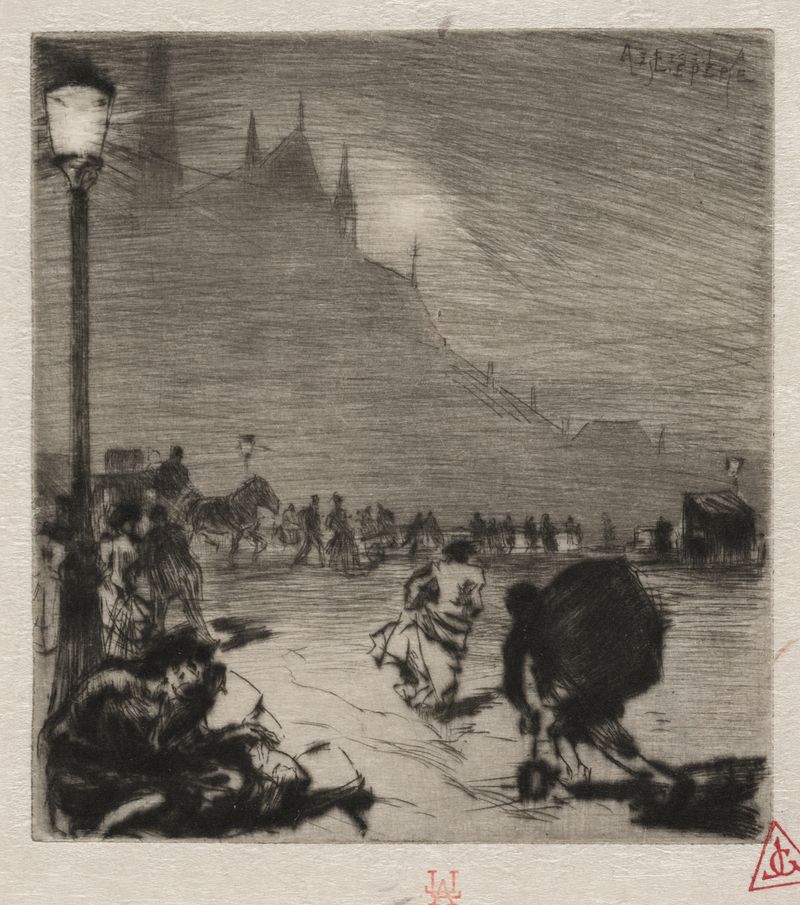
Au Coin du Pont-aux-Doubles
Auguste Louis Lepère
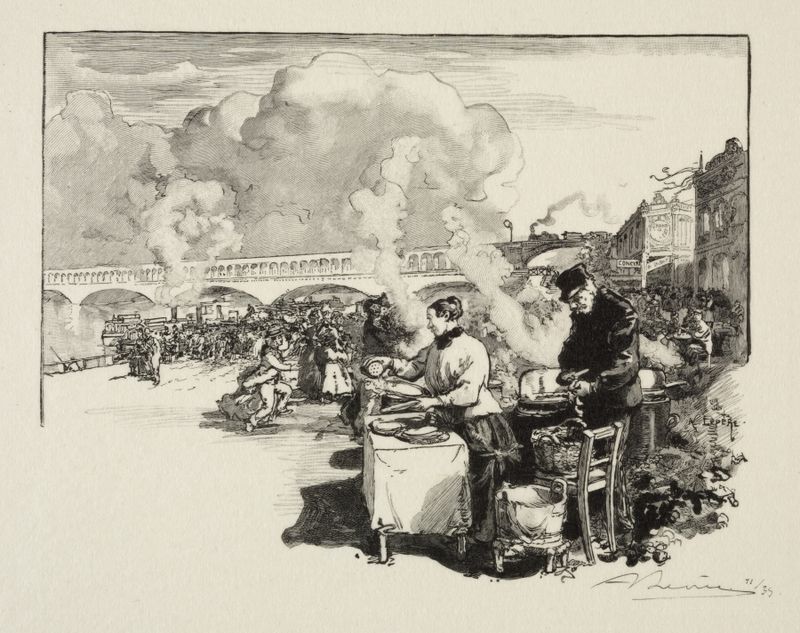
Debarcadère des bateaux-omnibus
Auguste Louis Lepère

La Seine, au quai de la Rapée
Auguste Louis Lepère
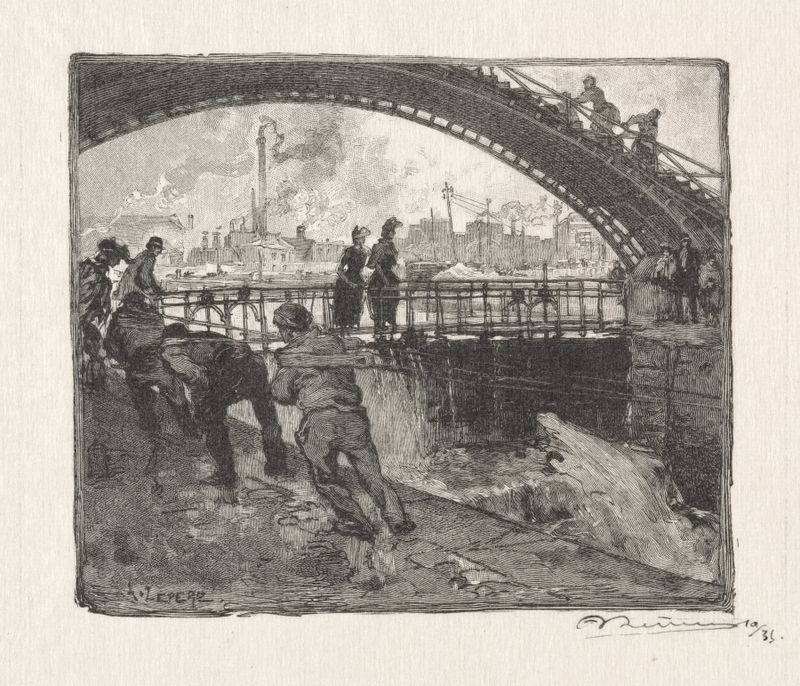
L’Ecluse du Canal St. Martin
Auguste Louis Lepère

Le Boulevard Montmartre, le Soir
Auguste Louis Lepère

Une Chasse au Mont Gérard
Auguste Louis Lepère
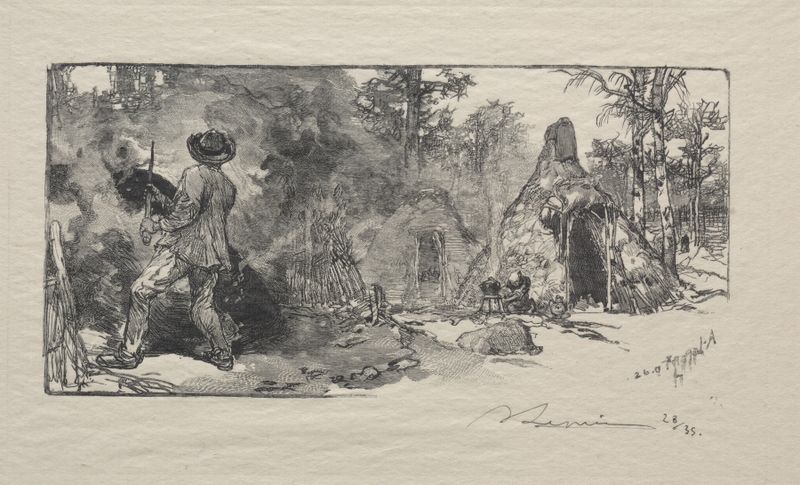
Les Charbonniere
Auguste Louis Lepère
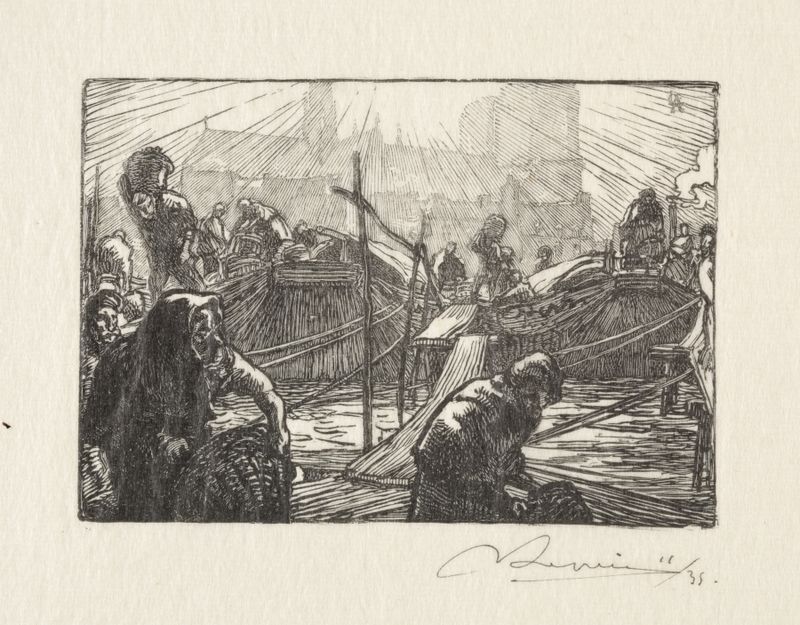
Notre Dame vue du Marché aux pommes
Auguste Louis Lepère

Le Palais des Arts Liberaux, Intèrieur
Auguste Louis Lepère





