
The Devil’s Tower, Norwich Oct. 1841 — História e Análise
In a world that often feels static, movement can be an elusive beauty, a pulse beneath the surface of stillness. Focus first on the swirling clouds that dominate the upper region of the canvas. Their tumultuous forms, painted in shades of grey and blue, seem to dance above the tower, conveying a sense of foreboding yet dynamism. The tower itself, a resolute structure of muted earth tones, stands in contrast, its solidity framing the fleeting moods of the sky.
The movement of the brushstrokes captures wind and atmosphere, while the light filters through the clouds, bathing the scene in an otherworldly glow, inviting viewers to dwell in its tension. Upon closer inspection, the interactions between the tower and the surrounding landscape evoke a profound narrative. The tower, though steadfast, appears to be a solitary witness to the flight of time, suggesting both permanence and isolation. The undulating forms of the clouds create a dialogue with the solidity of the stone, underscoring a tension between the ephemeral and the enduring.
Here, nature’s chaotic beauty takes on a haunting elegance, as if to remind us of the constancy of change. In October 1841, the artist created this piece during a period of personal and professional exploration, seeking to capture the essence of the English landscape. Living in Norwich, Cotman was deeply influenced by the Romantic movement, which celebrated emotion and nature’s sublime qualities, marking a pivotal shift in his artistic approach. At this time, Britain was grappling with industrialization, and the clash between nature and progress painted a complex backdrop for his work.
Mais obras de Miles Edmund Cotman
Ver tudo →
From the Garden front of my Father’s House at Thorpe next Norwich
Miles Edmund Cotman

Study of Trees on the Banks of the Yare
Miles Edmund Cotman

Col. Harvey’s Meadow Thorpe and Norwich Oct. 2nd 1841
Miles Edmund Cotman

Mousehold Heath–The Lane to the Left above Col. Harveys House
Miles Edmund Cotman
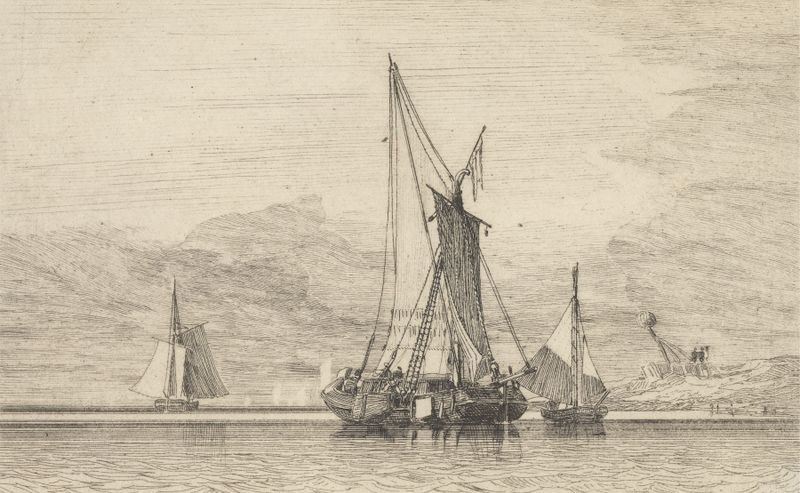
On the Medway
Miles Edmund Cotman

Itteringham Nov. 12th 1841
Miles Edmund Cotman
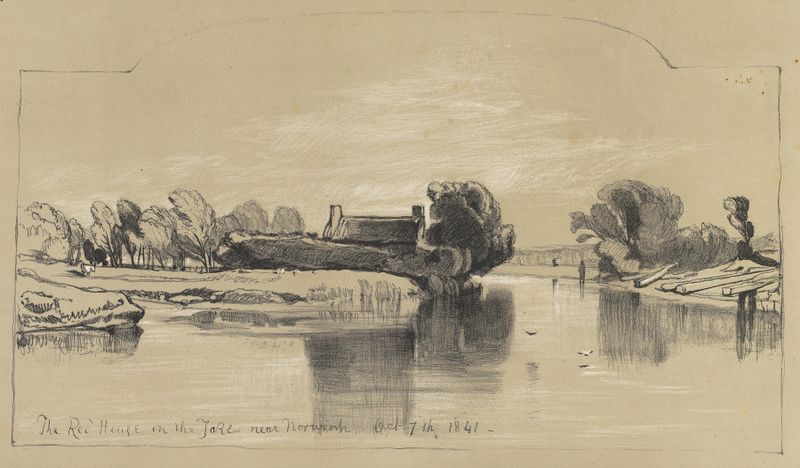
The Red House on the Lake near Norwich Oct. 7th, 1841
Miles Edmund Cotman
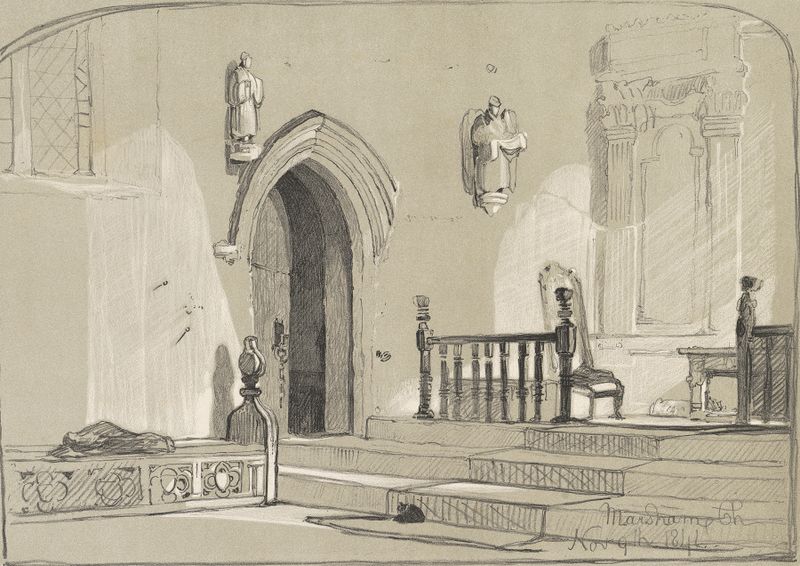
Marsham Ch. Nov. 9th 1841.
Miles Edmund Cotman

French Fishing Boat off the Shears
Miles Edmund Cotman
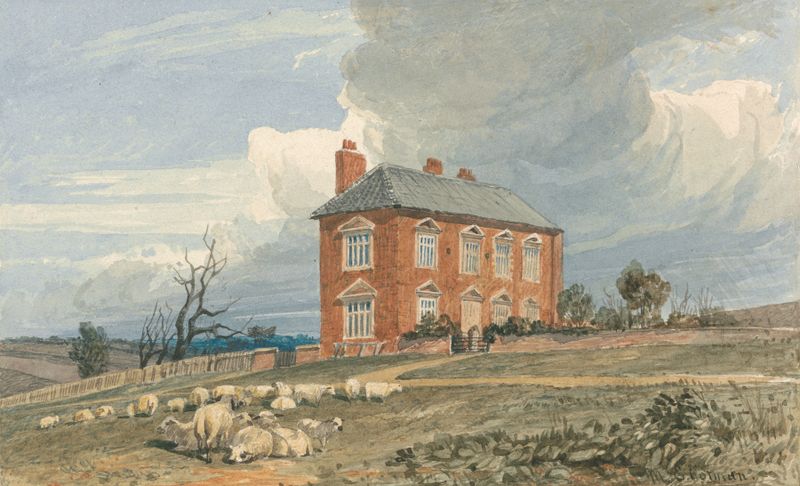
Irmingland Hall, Norfolk
Miles Edmund Cotman





