The Fall of Icarus — História e Análise
Could beauty survive in a century of chaos? In The Fall of Icarus, the scene teeters on the edge of myth and reality, encapsulating both the brilliance of human ambition and the ache of its inevitable downfall. Look to the bottom left, where the legs of Icarus vanish beneath the water, his once-spirited flight now silenced by fate. The fisherman, with his weathered hands, is absorbed in his task, while the plowman in the field to the right tends to his chores, a testament to the indifference of daily life. The muted tones of the landscape contrast with the soft hues of the sky, creating a fragile balance that whispers of loss amidst labor—a poignant reminder that tragedy often unfolds unnoticed. Delve deeper, and you’ll find the tension between aspiration and reality.
Icarus's struggle becomes a quiet echo of human ambition, overshadowed by the mundanity of existence. The chaos of this world, marked by the simple, unyielding labor of everyday people, collides with the sublime tragedy of flight. In the backdrop, the sun rises, symbolizing the unyielding passage of time, ever indifferent to individual grief. In the late 16th century, Verhaecht painted this piece during a period marked by religious strife and political upheaval across Europe.
Emerging from the turmoil of the Reformation, he sought to infuse timeless themes into his work, reflecting on human folly and resilience. This painting, created around 1586-1590, serves as a testament to the enduring clash between aspiration and the oft-overlooked realities of life.
Mais obras de Tobias Verhaecht
Ver tudo →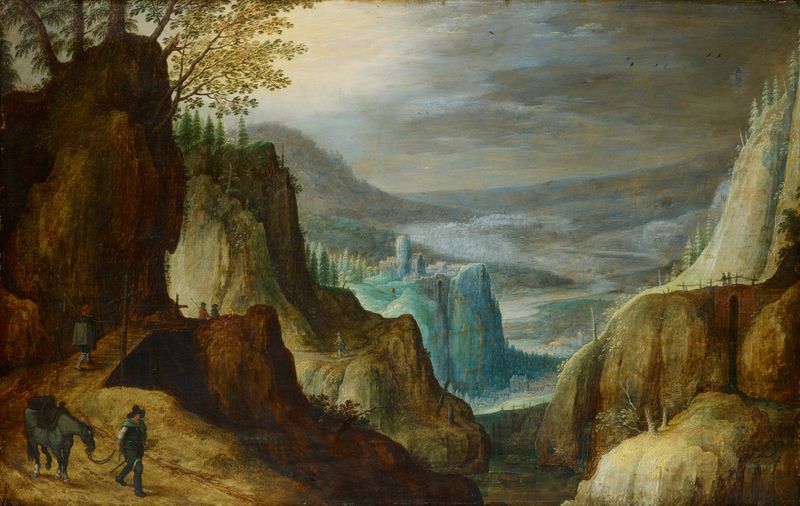
Fantastic Mountainous Landscape
Tobias Verhaecht
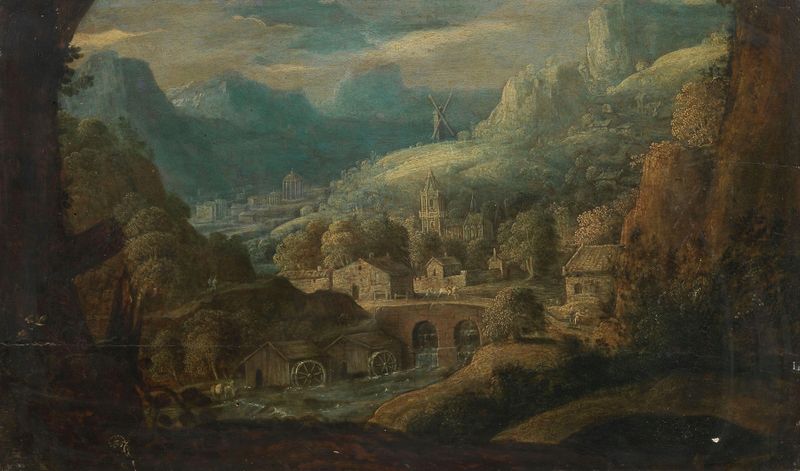
A mountainous river landscape, with water mills and a village beyond
Tobias Verhaecht

River Landscape
Tobias Verhaecht
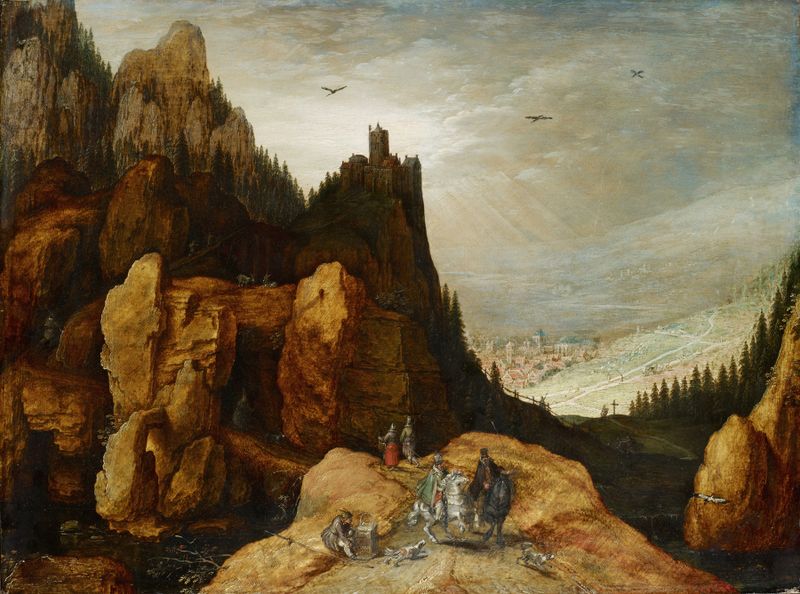
Alpine Landscape with Castle
Tobias Verhaecht
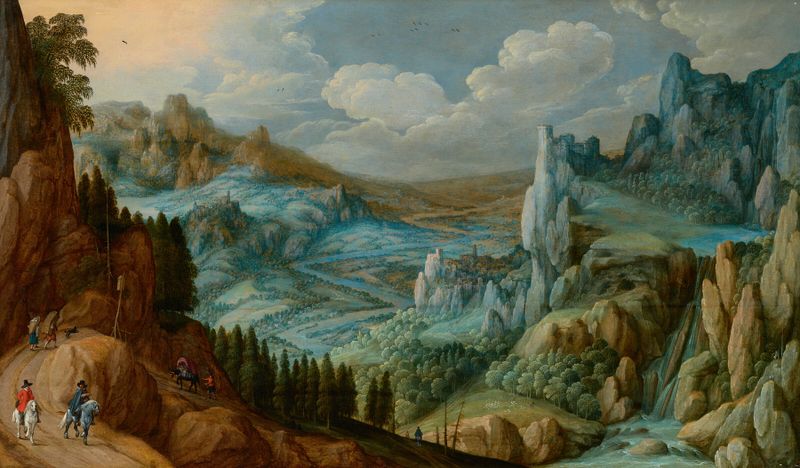
An extensive mountainous landscape with travellers on a path
Tobias Verhaecht
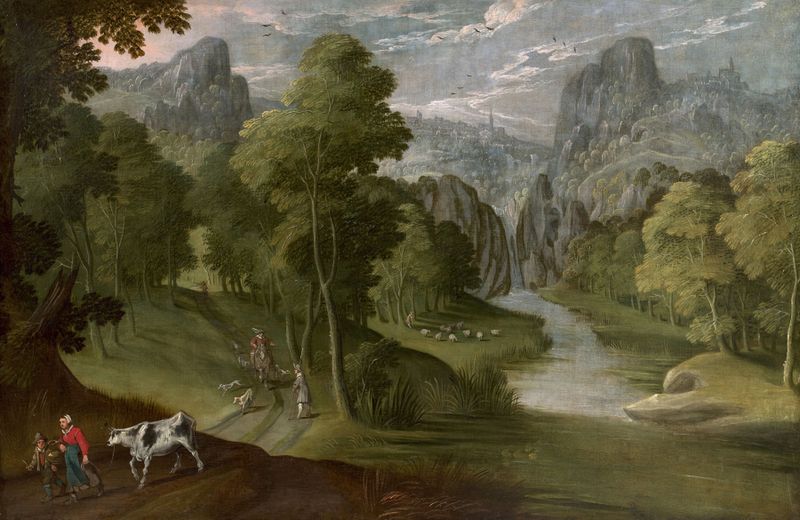
Mountainous landscapes with figures
Tobias Verhaecht