The Petite Creuse River — História e Análise
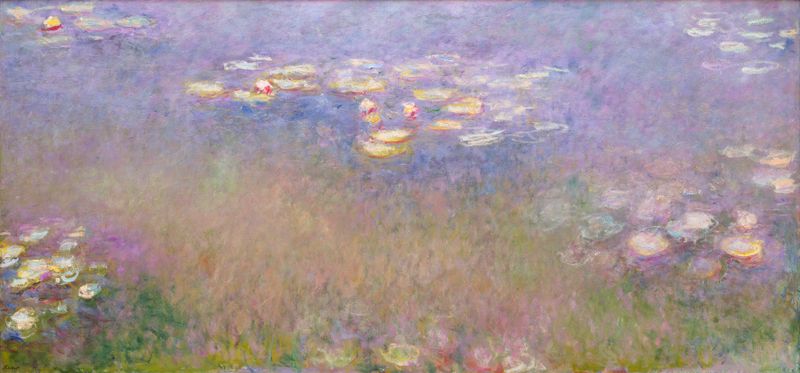
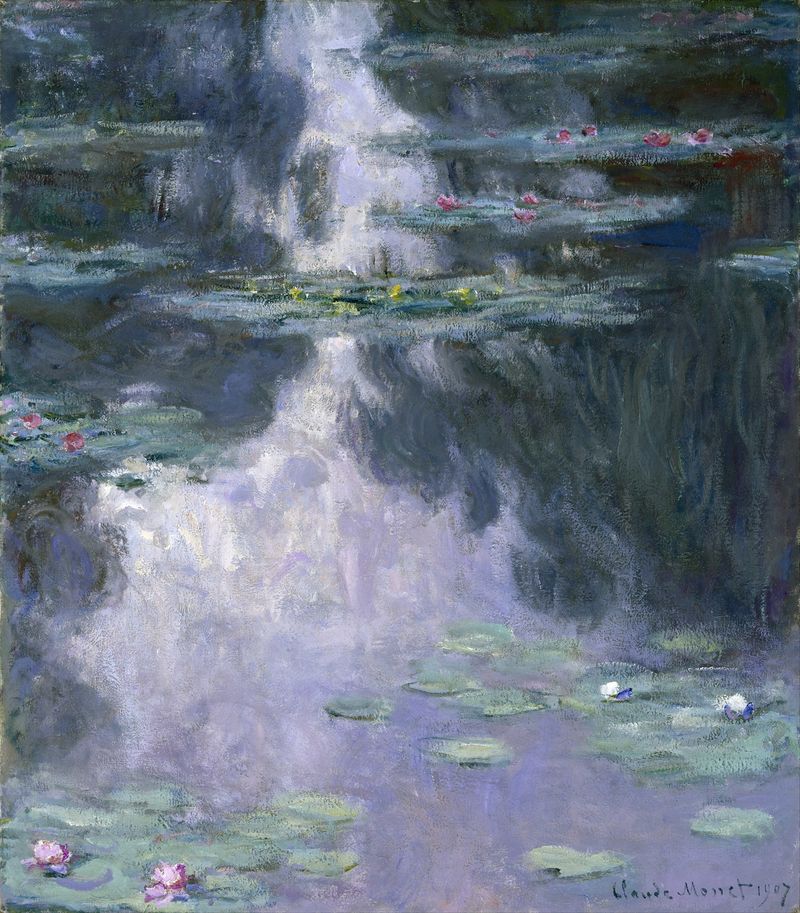
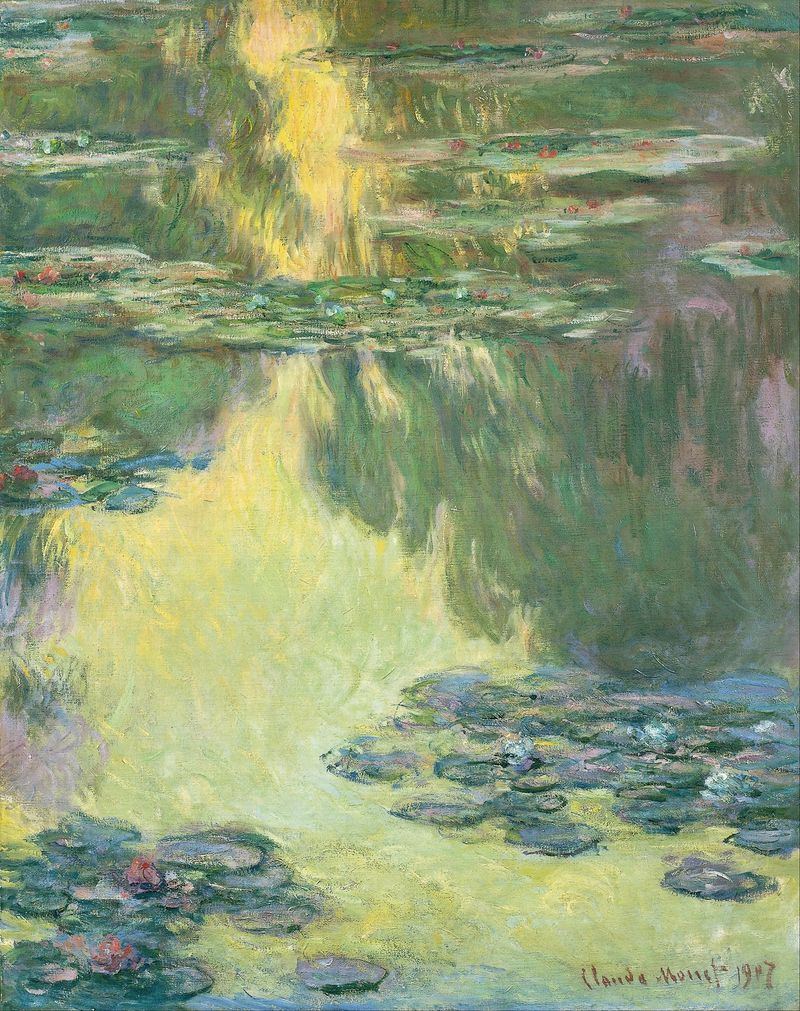
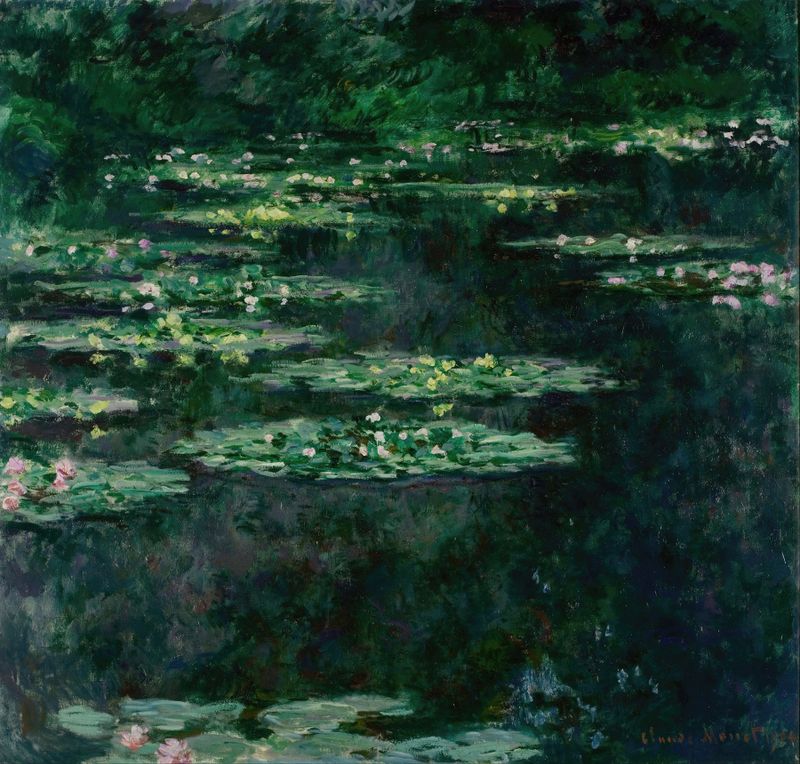
In the delicate dance of light and water, a dream emerges, inviting the viewer to step into a world of serene beauty. Look to the center of the canvas where the Petite Creuse River meanders, its surface shimmering with dappled reflections of the surrounding flora. The strokes of vivid blues and greens blend seamlessly, creating a fluidity that pulls the eye along the water's edge. Notice how the light falls upon the ripples, each brushstroke breathing life into the flowing water, while the hints of gold and lavender in the sky suggest a fleeting moment at dusk. As you delve deeper, observe the juxtaposition between the vibrant colors of the riverbank and the tranquil water, evoking a sense of peaceful contemplation.
The interplay of light and shadow reveals layers of emotion—whispers of nostalgia and yearning that echo in each ripple. The gentle arching of the trees, characterized by their lush leaves, serves as a reminder of nature's embrace, guiding the viewer through both the landscape and the artist’s internal world. In 1889, during a period of personal and professional evolution, Monet found inspiration along the banks of the Petite Creuse River in France. This painting emerged when he was embracing Impressionism's principles more fully, at a time when the art world was shifting towards capturing ephemeral beauty.
Monet’s life was marked by both the joys of artistic discovery and the sorrows of loss, reflecting a rich tapestry of experiences that informed his work and his vision.