
The phoenix or the statue overthrown — História e Análise
This notion resonates profoundly in the realm of innocence, where the subtle interplay of light and shadow can unveil deeper narratives beneath the surface. Look to the center, where a figure stands in the midst of turmoil, embodying both the fragility and strength of human spirit. The muted palette speaks volumes; rich browns and ochres enfold the scene, creating an atmosphere that is as somber as it is contemplative. Notice how the light gently caresses the contours of the figure, illuminating the delicate features that evoke a sense of vulnerability, while the surrounding darkness hints at the chaos that threatens to engulf them. As you delve deeper, the emotional tensions become palpable.
The contrast between the striking innocence of the figure and the ominous shadows surrounding them evokes a sense of impending loss. The statue, a symbol of permanence and triumph, provides a jarring juxtaposition against the fleetingness of life, questioning whether true resilience lies in the ability to rise like a phoenix or to endure the weight of overwhelming despair. In 1658, Rembrandt painted this work during a turbulent period in his life, marked by personal loss and financial strife. The art world was shifting, moving toward more dramatic expressions, yet he remained dedicated to exploring the profound depths of human experience.
In The phoenix or the statue overthrown, he confronts the essence of innocence and the biting reality of existence, capturing a moment that transcends time and speaks to the heart of humanity.
Mais obras de Rembrandt van Rijn
Ver tudo →
The Night Watch Militia Company of District II under the Command of Captain Frans Banninck Cocq
Rembrandt van Rijn

The Return of the Prodigal Son
Rembrandt van Rijn

The Hundred Guilder Print: the figures leaning on the wall in the centre left
Rembrandt van Rijn

The Hundred Guilder Print: the central piece with Christ preaching, the plate arched
Rembrandt van Rijn

Isaac and Rebecca, Known as ‘The Jewish Bride’
Rembrandt van Rijn
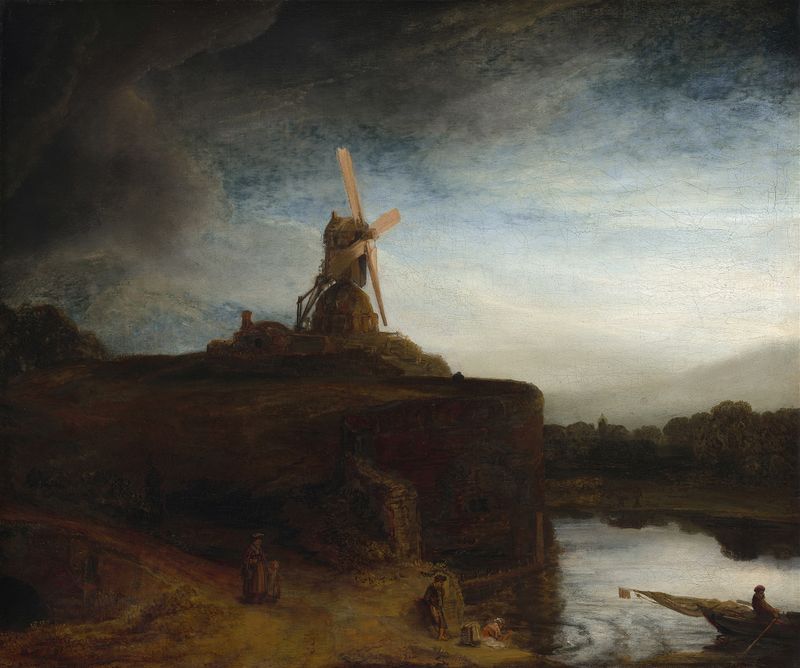
The Mill
Rembrandt van Rijn

The Sampling Officials of the Amsterdam Drapers’ Guild, Known as ‘The Syndics’
Rembrandt van Rijn

The return of the prodigal son
Rembrandt van Rijn
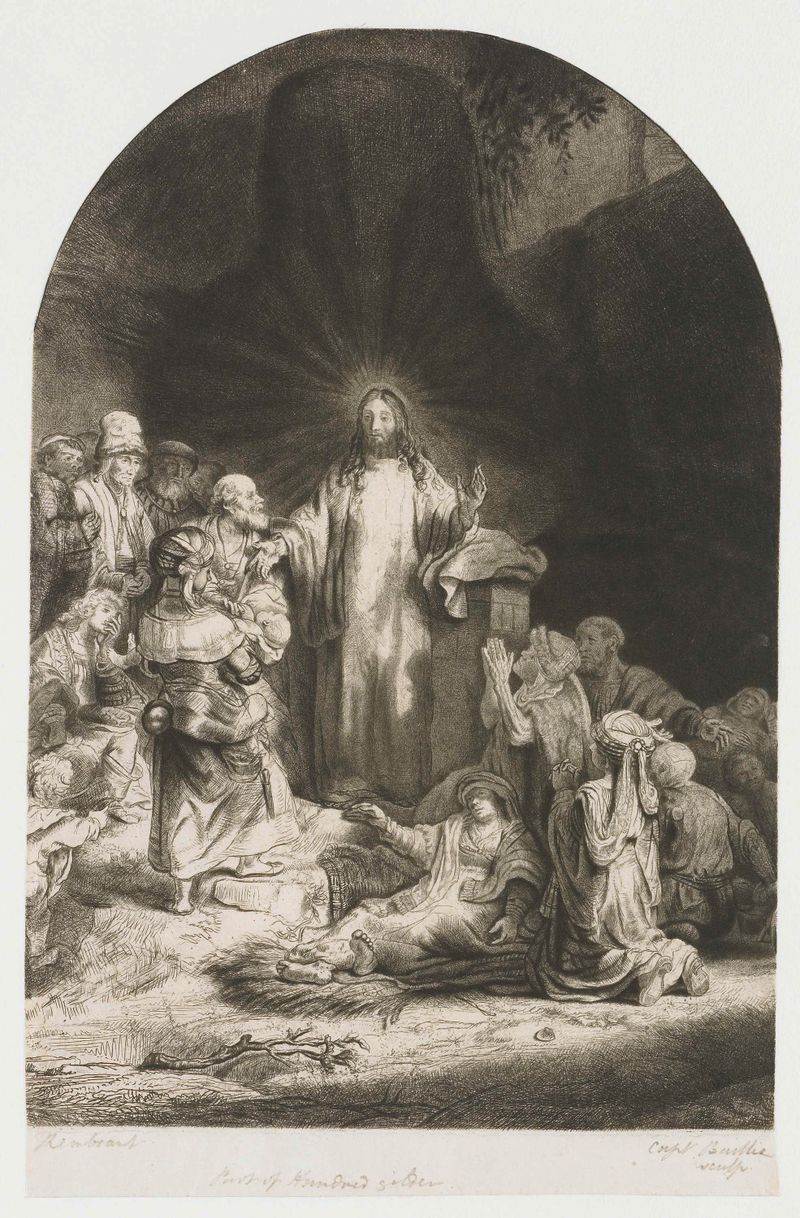
The Hundred Guilder Print: the central piece with Christ preaching, the plate arched
Rembrandt van Rijn

The Hundred Guilder Print: the man seen on the back in the lower left corner
Rembrandt van Rijn




