
The Ramparts of Arras — História e Análise
Can paint confess what words never could? In The Ramparts of Arras, desire lingers in the air, transforming landscape into longing. Look to the foreground, where soft, verdant fields stretch out, converging at the fortified walls in the background. Notice how the delicate brushwork captures every blade of grass, while the sky above dances in a palette of blues and whites, evoking both tranquility and tension. The interplay of light and shadow reveals the texture of ancient stones, suggesting a storied past that whispers secrets of longing and resilience. As you absorb the scene, consider the contrasts at play: the solid, unyielding ramparts stand in stark opposition to the soft, ephemeral nature surrounding them.
This juxtaposition speaks to the tension between permanence and the fleeting moments of desire. The warmth of the landscape invites contemplation, while the imposing fortifications signify barriers—both physical and emotional—that the heart grapples with. In 1852, Corot painted this work during a transformative period in his life while working in Paris. The mid-19th century was a time of artistic exploration, with the rising impressionist movement challenging traditional techniques.
Immersed in this shifting landscape, Corot sought to capture the essence of the scenes before him, using his unique approach to light and color to evoke the feelings that words often fail to convey.
Mais obras de Jean-Baptiste-Camille Corot
Ver tudo →
View of Genoa
Jean-Baptiste-Camille Corot
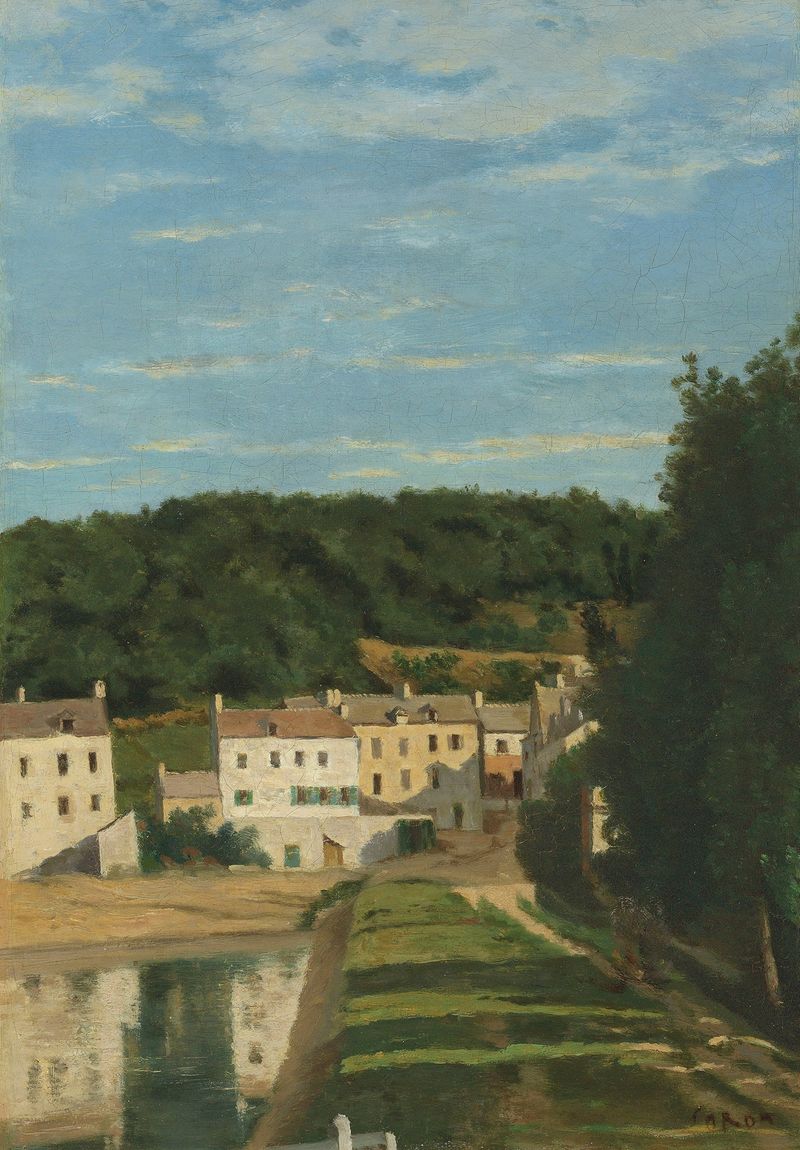
Les Maisons Cabassud À Ville D’avray
Jean-Baptiste-Camille Corot

La solitude. Souvenir de Vigen (Limousin)
Jean-Baptiste-Camille Corot
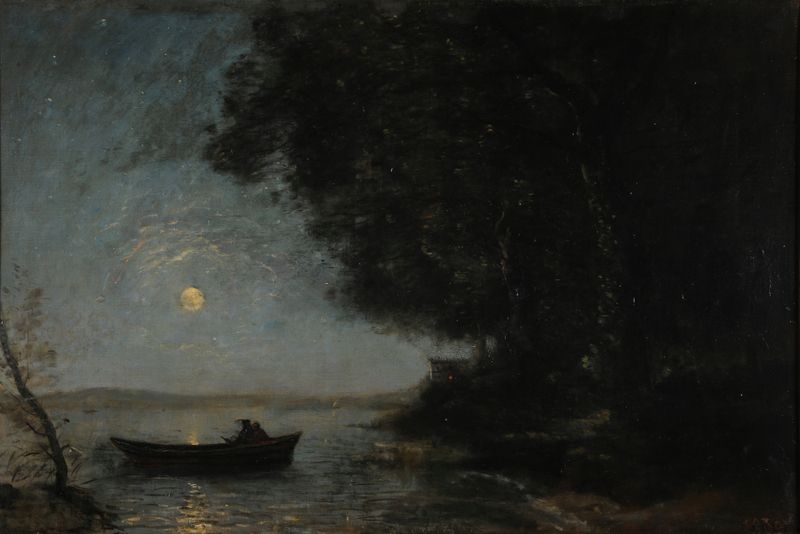
Le lac ; effet de nuit
Jean-Baptiste-Camille Corot
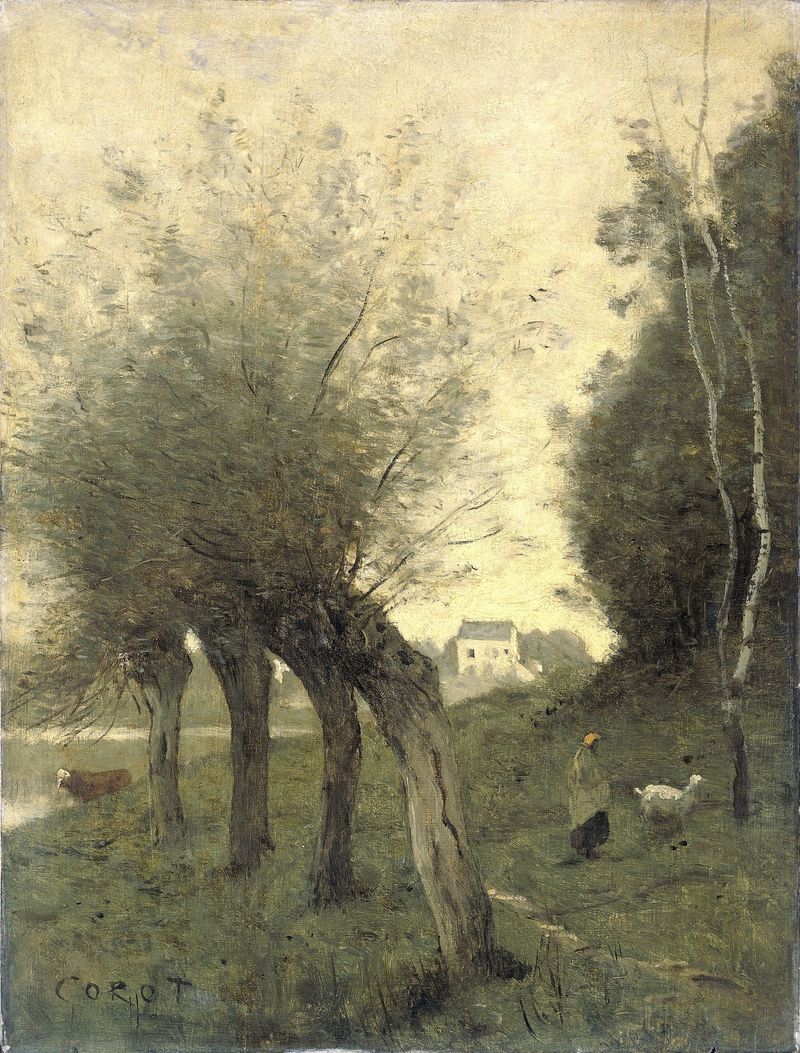
Landscape with Pollard Willows
Jean-Baptiste-Camille Corot
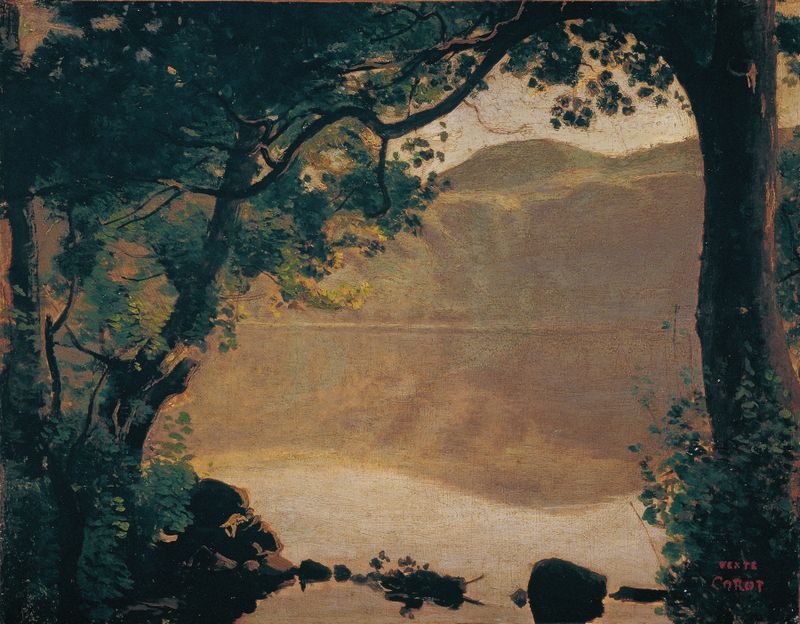
Der Nemisee
Jean-Baptiste-Camille Corot
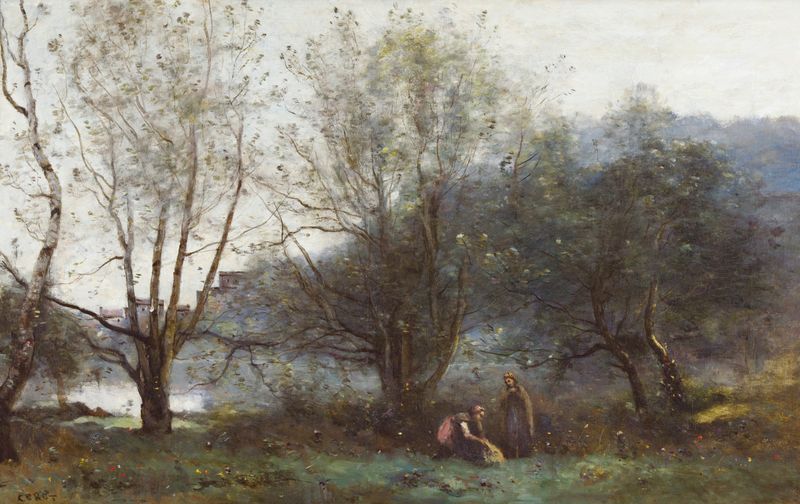
Les Étangs De Ville D’avray
Jean-Baptiste-Camille Corot
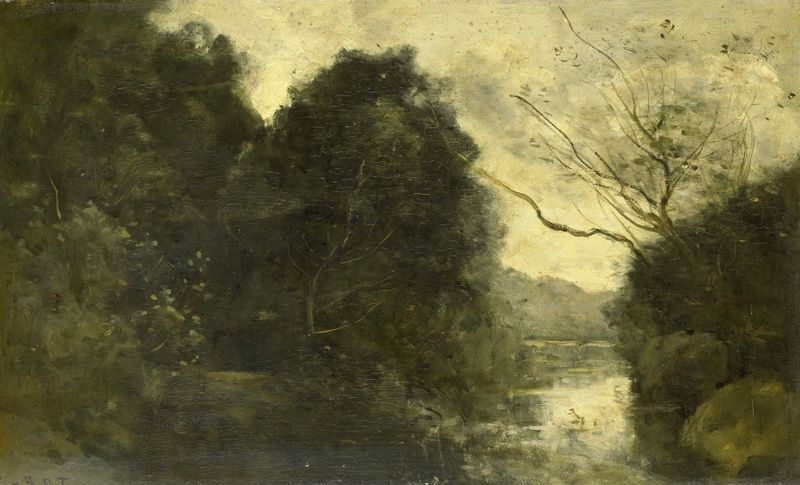
Pond in the Woods
Jean-Baptiste-Camille Corot
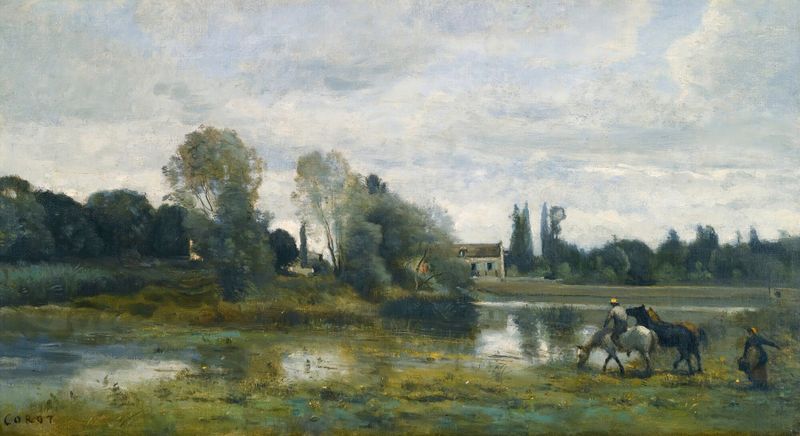
Ville D’avray; L’abreuvoir Des Chevaux
Jean-Baptiste-Camille Corot
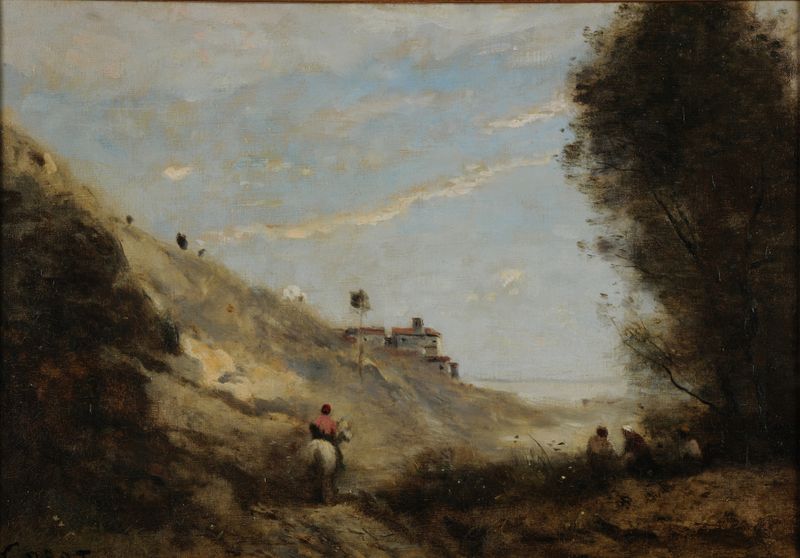
Le vallon au cavalier
Jean-Baptiste-Camille Corot





