
The Return to the Cottage — História e Análise
In a world where trust can be shattered, the echoes of betrayal linger in the quiet spaces of a forgotten cottage. Look closely at the dark silhouette of the cottage nestled among the trees, its exterior worn and weary. The muted earth tones envelop it like a shroud, while splashes of green and brown breathe life into the surrounding landscape. This contrast draws your eye immediately to the somber structure, inviting contemplation about the stories it holds within its walls.
Notice how Legros employs soft, diffused light to create an atmosphere of nostalgia, casting long shadows that hint at secrets buried in the past. Within the simplicity of this scene lies profound emotional tension. The cottage, both a refuge and a reminder of sorrow, embodies the weight of memories that may have once been joyful but are now tainted by the sting of betrayal. The encroaching foliage suggests nature reclaiming what is lost, as if to symbolize the inevitability of change.
The stillness of the moment invites reflection on the fragility of relationships and the haunting presence of what once was. Alphonse Legros painted The Return to the Cottage during a transformative period between 1857 and 1911, a time when he was deeply engaged with themes of memory and loss. Residing in England after leaving France, he found himself navigating the complexities of identity and belonging in a foreign land. The art world was shifting around him, embracing new movements, yet he held onto the delicate threads of realism, architecting intimate narratives that resonate with the human experience.
Mais obras de Alphonse Legros
Ver tudo →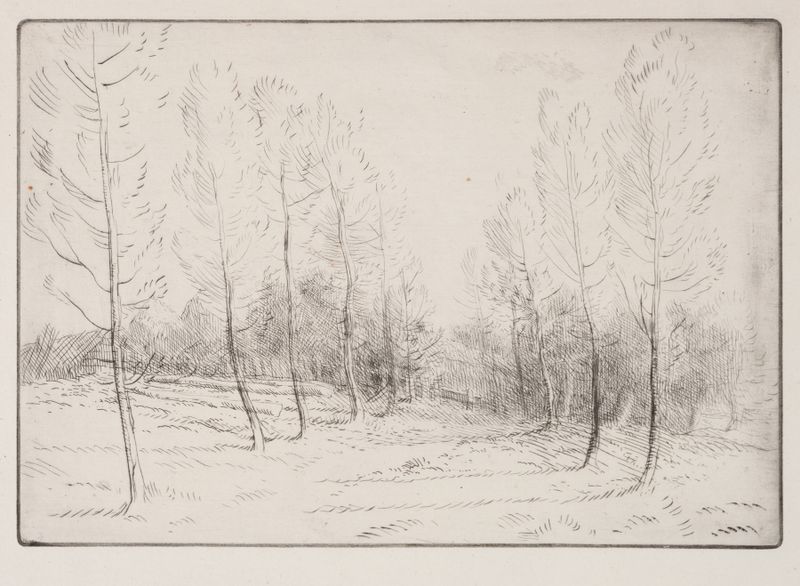
Avenue of Poplars
Alphonse Legros
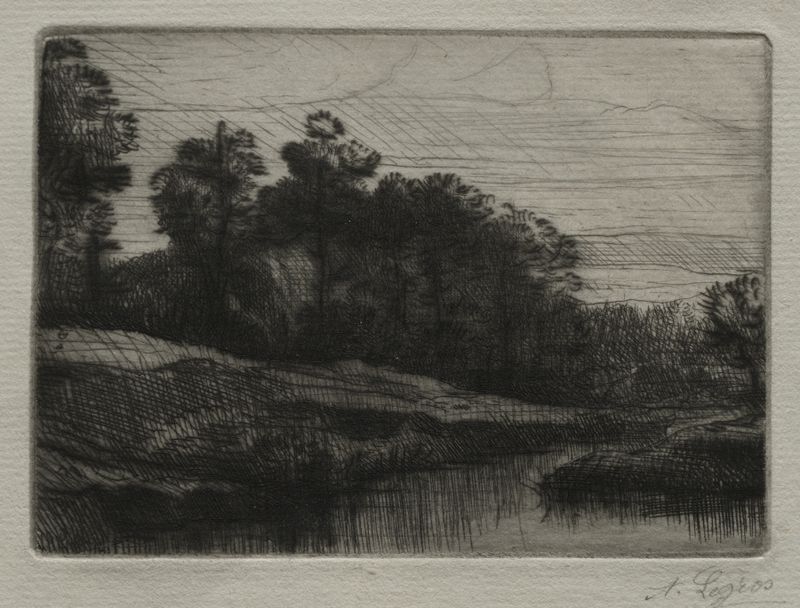
Evening
Alphonse Legros

The Fish in the Hoop Net
Alphonse Legros

The Little Beggar
Alphonse Legros
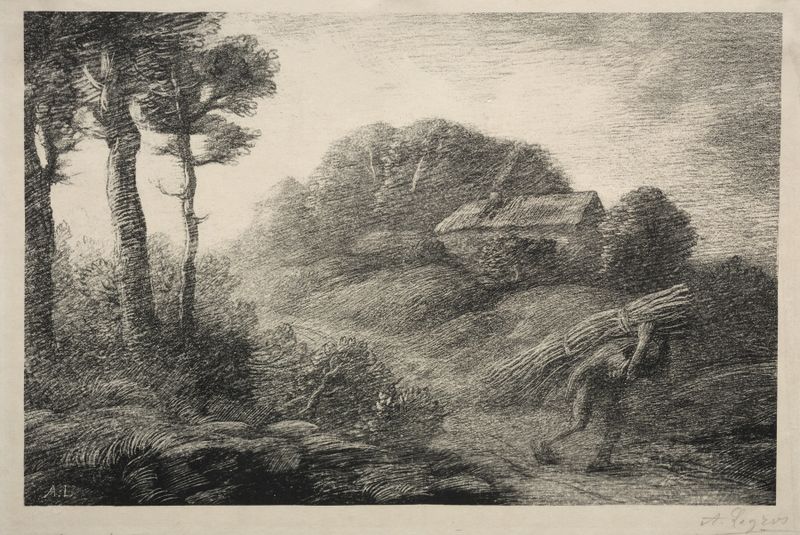
The Return of the Fagot Gatherer
Alphonse Legros

Storm
Alphonse Legros
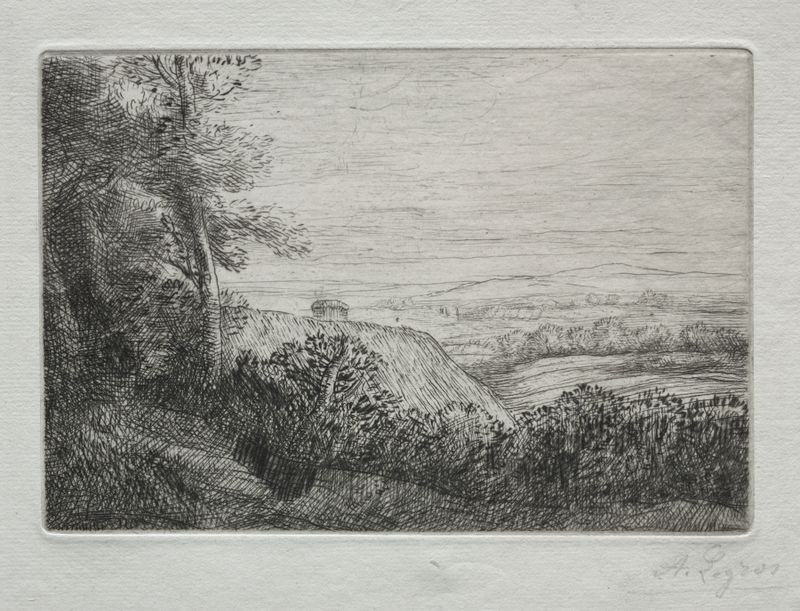
Les dernière Rayons de Soleil
Alphonse Legros
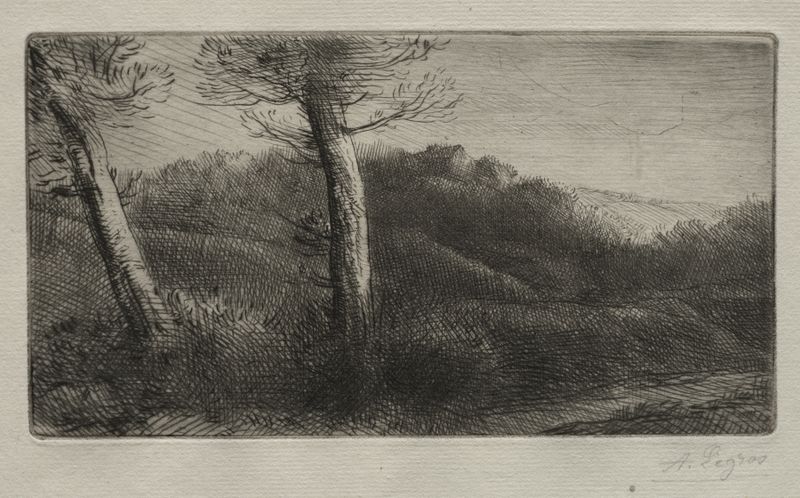
The Traveler Stretched out on the Grass
Alphonse Legros
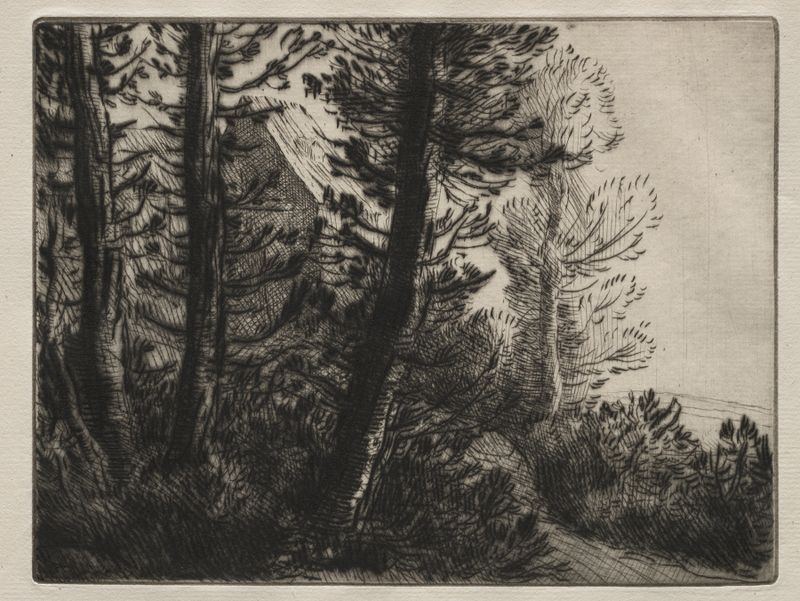
Guard House
Alphonse Legros

Death of a Vagabond
Alphonse Legros





