
The Rhine near Stein (Rhineshore at Dusk) — História e Análise
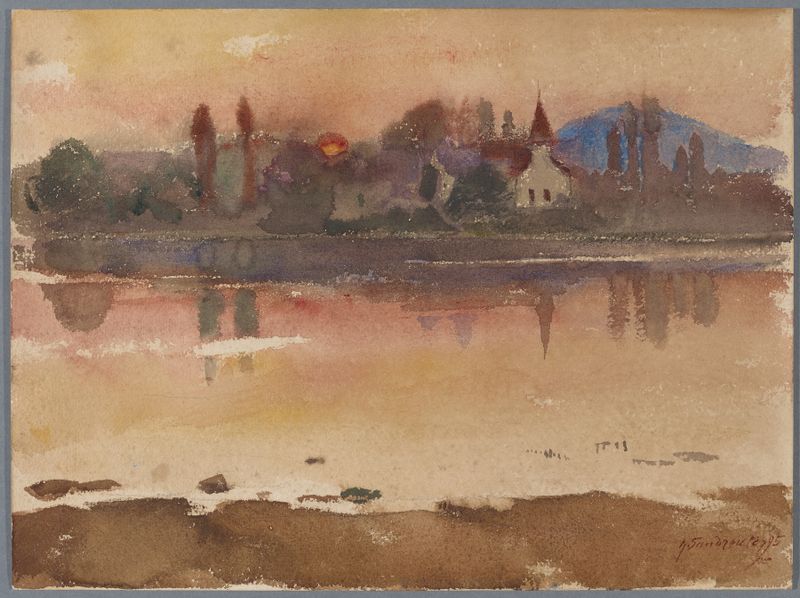
In the delicate hues of twilight, the interplay of color reveals a haunting truth beneath the serene surface of nature. The juxtaposition of light and shadow invites contemplation, prompting a reflection on the fragility of beauty itself. Look to the left at the soft blush of the sky, where shades of lavender and peach bleed into one another, marking the end of day. The river, glistening under the fading light, draws the eye across the canvas, while the silhouettes of trees stand resolute against the horizon.
Note the meticulous brushwork that captures the fluidity of water, contrasting with the stable forms of nature, creating a dynamic tension that echoes the emotional weight of the scene. Beneath the tranquil facade lies an exploration of duality—nature's beauty intertwined with its fleeting existence. The tranquil waters suggest calm, yet the encroaching night hints at an inevitable end. The shimmering colors reflect not just the scene before us, but also the deep sense of longing and melancholy, as if the artist is grasping at moments of beauty that are transient and elusive. In 1895, shortly after moving to the picturesque Rhine region, Hans Sandreuter crafted this evocative piece, immersing himself in the beauty of his surroundings while grappling with personal challenges.
At a time when the art world was evolving, embracing Impressionism's influence, he sought to marry traditional landscape painting with modern sensibilities, encapsulating the essence of a fleeting moment in nature’s cycle.
Mais obras de Hans Sandreuter
Ver tudo →
The Rhine near Basel (View toward Upper Rhine Valley)
Hans Sandreuter

Interior of a Forest
Hans Sandreuter

Summer Day
Hans Sandreuter
Sonnenuntergang
Hans Sandreuter

Chestnut Forest near Bignasco
Hans Sandreuter
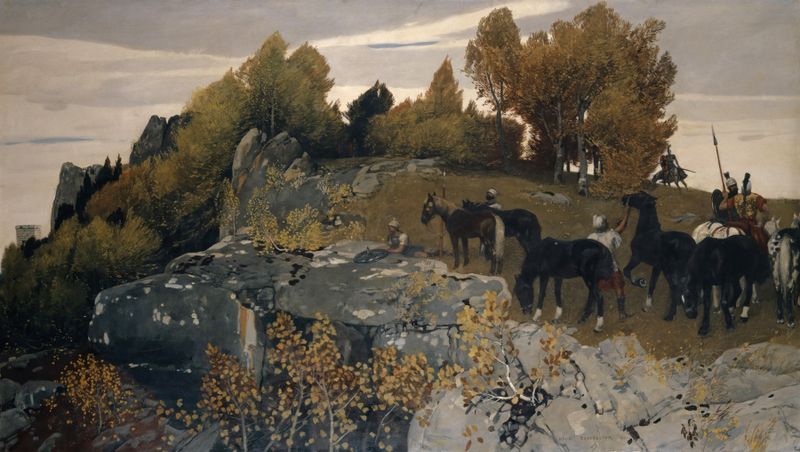
Roman Outpost on a Lofty Height
Hans Sandreuter
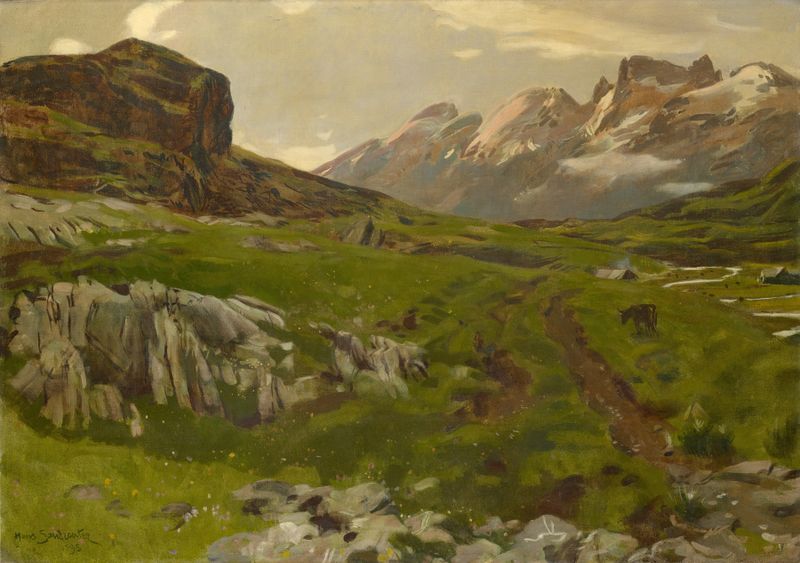
View from Frutt toward the Titlis
Hans Sandreuter
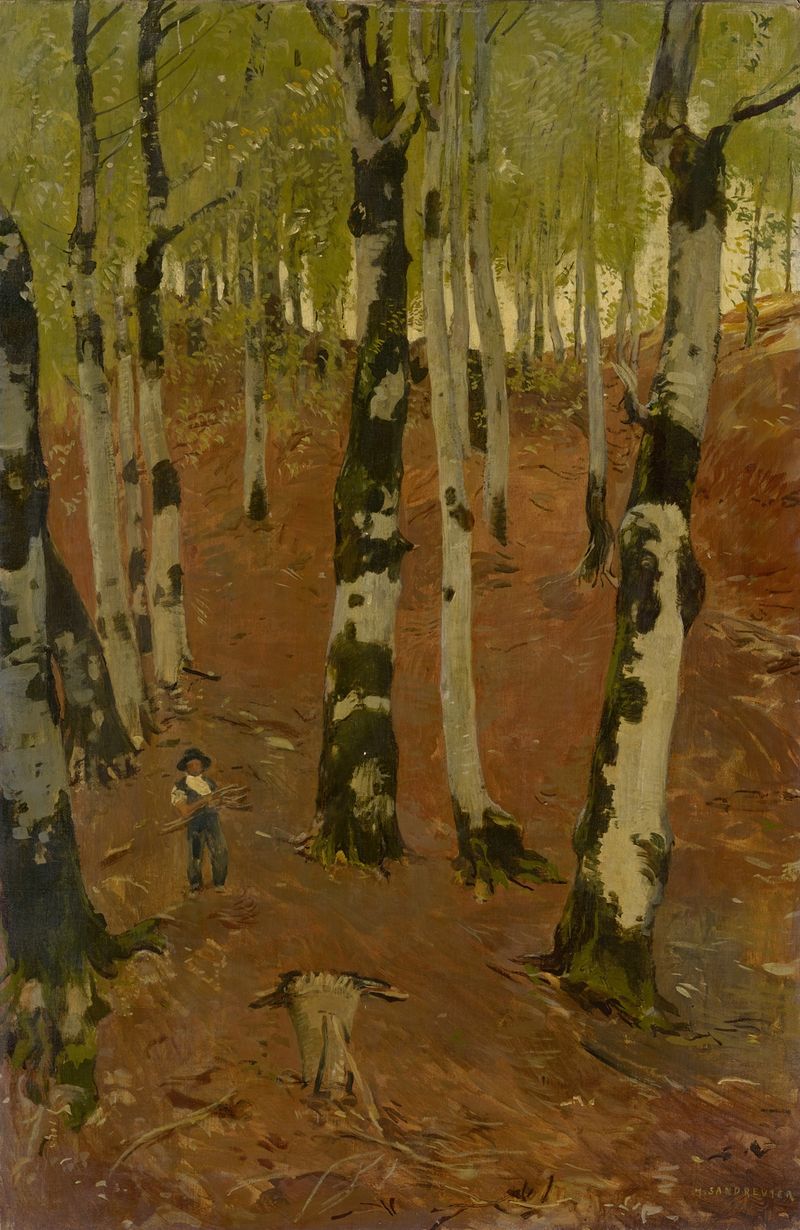
(Gruyères)Beech Grove with Wood Gatherer
Hans Sandreuter

Seashore
Hans Sandreuter

Chapel near Contra
Hans Sandreuter





