
The silvery Thames at Ditton — História e Análise
Who listens when art speaks of silence? In The Silvery Thames at Ditton, stillness envelops the water, yet an undercurrent of movement flows through every brushstroke. Look to the foreground where the river stretches wide, its surface shimmering under the gentle caress of daylight. Notice how the artist captures the delicate dance of light reflecting off the water, merging hues of silver and blue. The composition draws the eye to the horizon, where the distant trees stand as silent sentinels, their foliage softly rustling in the breeze, whispering secrets to the viewer. Within this serene tableau lies a juxtaposition of tranquility and vitality.
The quiet water contrasts with the subtle rhythms of nature — the hints of wildlife skimming the surface or the fluttering leaves overhead. Each stroke evokes a sense of fleeting moments, inviting contemplation on the passage of time and the ephemeral quality of existence. The painting suggests movement not through action but through the very stillness that cradles the scene. Alfred de Bréanski painted this work during a time when impressionist techniques were gaining prominence, reflecting a growing fascination with capturing light and atmosphere.
Operating primarily in England, de Bréanski focused on landscapes, often portraying the beauty of rivers and the countryside. This period marked a transition in the art world, as artists began to embrace outdoor scenes, depicting nature with heartfelt emotion and a nuanced understanding of light.
Mais obras de Alfred de Bréanski
Ver tudo →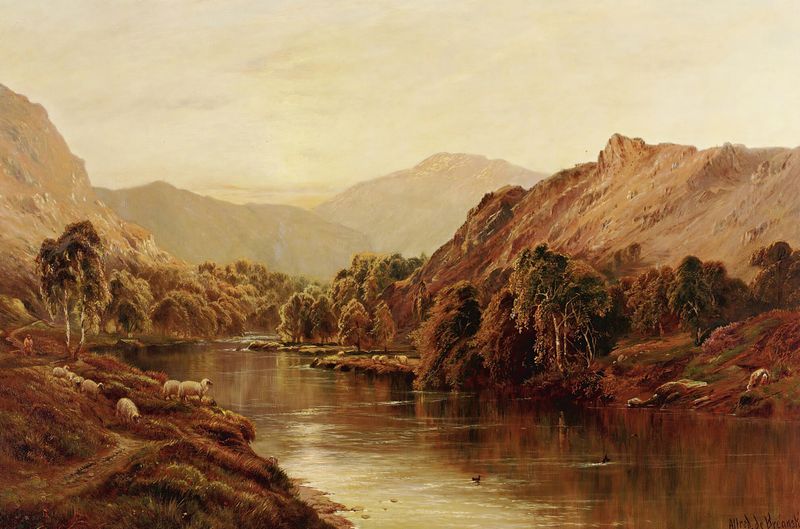
The Dee Near Balmoral
Alfred de Bréanski
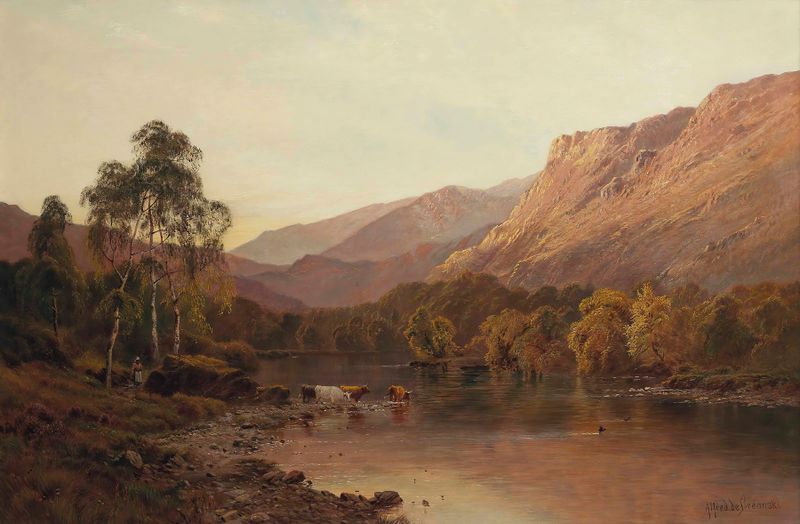
The Valley Of Borrowdale
Alfred de Bréanski
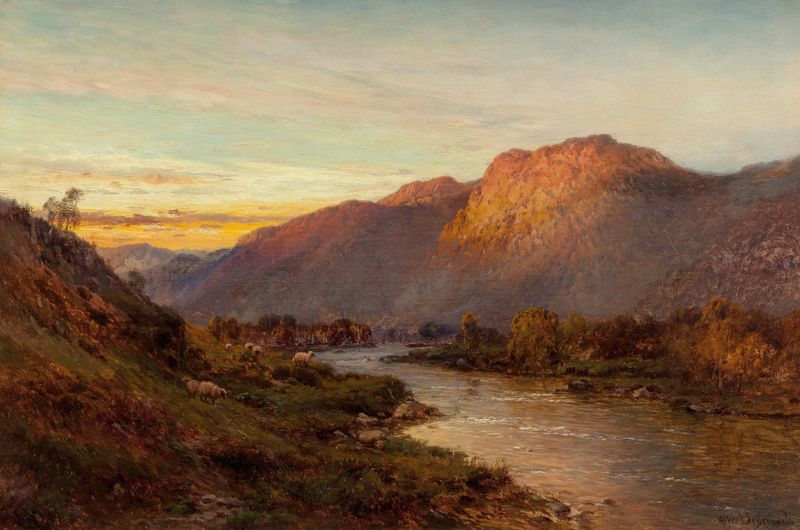
Below the Falls of Glenfinlas, Scotland
Alfred de Bréanski
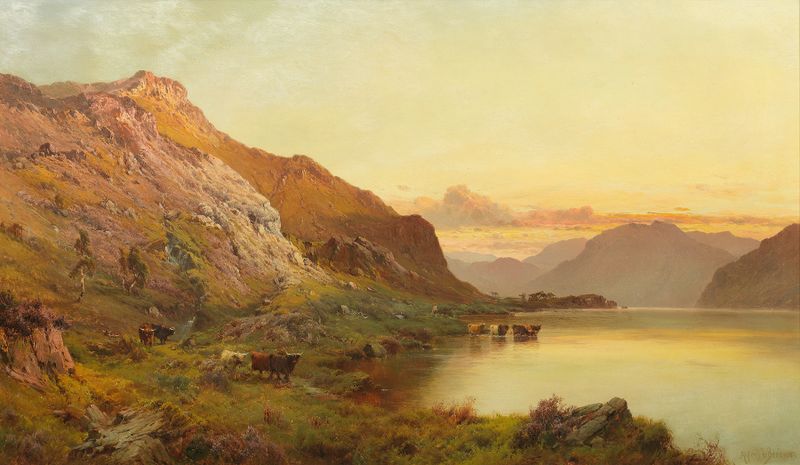
At the foot of Ben Nevis, N.B.
Alfred de Bréanski
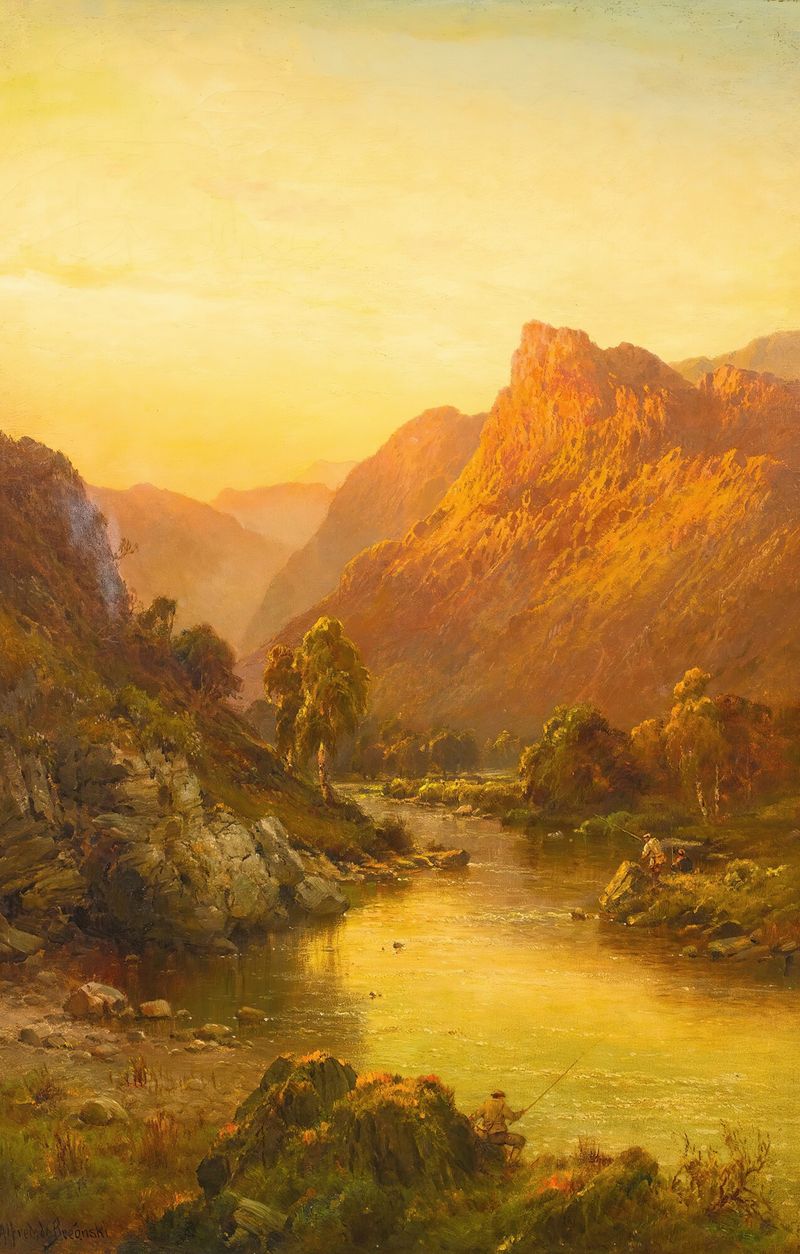
The Vale of Ben-Lawers
Alfred de Bréanski

Ben Lomond
Alfred de Bréanski
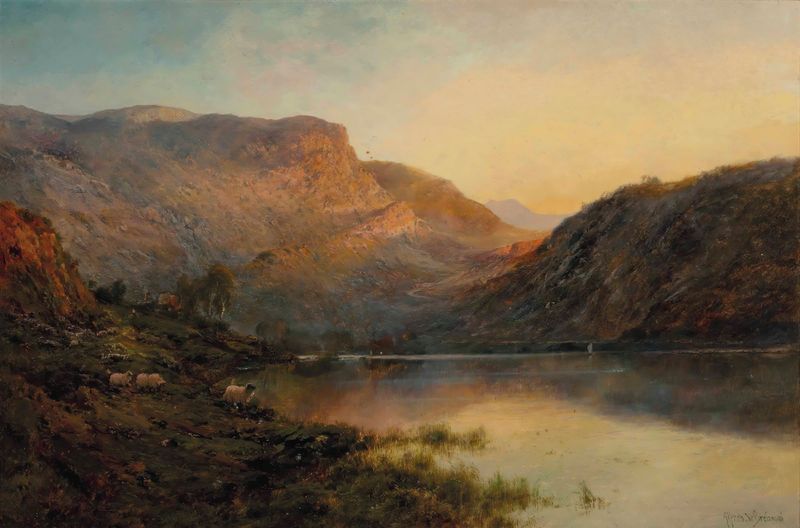
The Evening Glow, Vale Of Eagle, Loch Lomond
Alfred de Bréanski
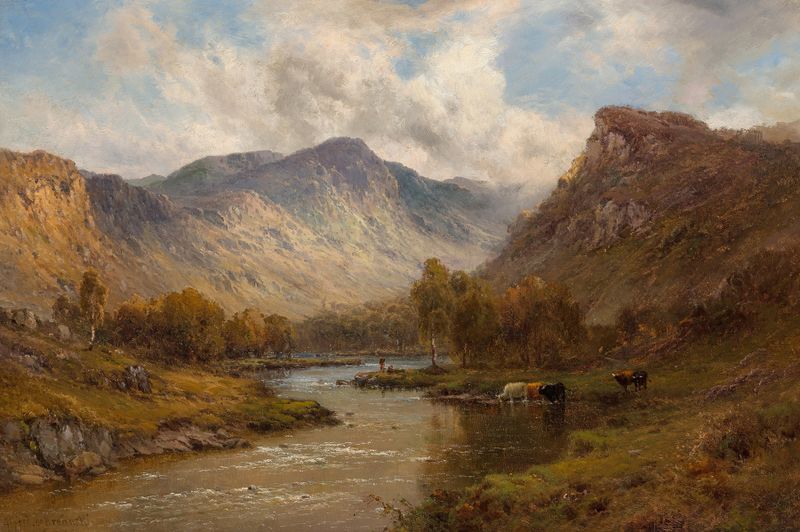
The Tay near Dunkeld, Scotland
Alfred de Bréanski

The Dee at Balmoral
Alfred de Bréanski

Highland landscape
Alfred de Bréanski





