
Tintern Abbey — História e Análise
Can paint confess what words never could? In Tintern Abbey, a haunting stillness permeates the landscape, capturing our deepest fears and reveries in a single frame of time. Look to the left at the shadowed ruins of the abbey, their weathered stones standing defiantly against the encroaching wilderness. The artist masterfully uses chiaroscuro; sunlight filters through the trees, illuminating patches of vibrant green and casting intricate shadows that dance across the ground. The muted palette whispers of decay and nostalgia, while the delicate brushwork evokes a sense of movement within the stillness, inviting us to explore the juxtaposition of the man-made and the natural. Amidst the serene beauty lies an undercurrent of tension.
The abbey's crumbling walls symbolize the passage of time and the inescapable fear of mortality, while the surrounding foliage suggests nature's reclamation of human endeavors. The tranquil surface belies an emotional depth, revealing feelings of loss and longing—echoes of a past that linger, haunting yet profoundly beautiful. In 1805, as the Romantic movement flourished, the artist created this work while deeply engaged with themes of nature, emotion, and spirituality. Living in Britain during a time of societal change and upheaval, de Loutherbourg was influenced by the growing interest in the sublime—the awe and terror found in nature's grandeur.
This painting not only reflects his personal struggles but also resonates with a broader cultural introspection, capturing the essence of a world caught between the familiar comforts of civilization and the looming unknown of the wild.
Mais obras de Philip James de Loutherbourg
Ver tudo →
Iron Works, Colebrook Dale
Philip James de Loutherbourg
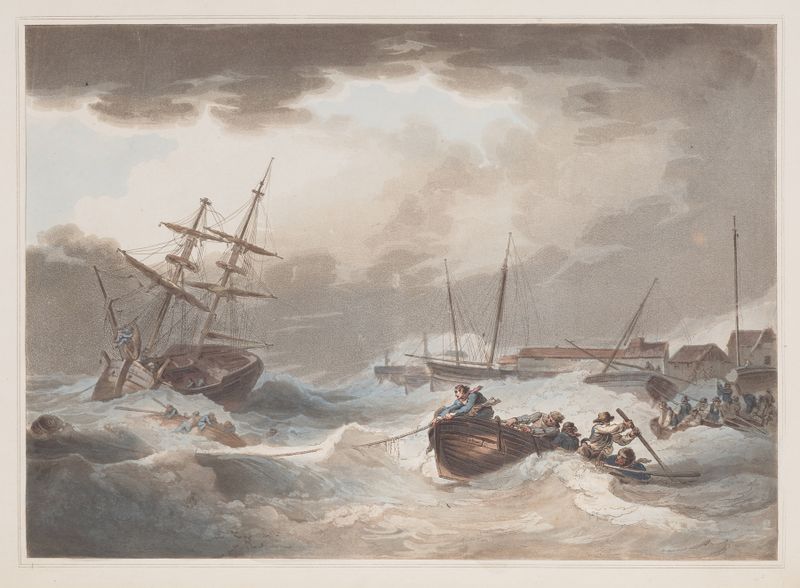
Storm off Margate
Philip James de Loutherbourg
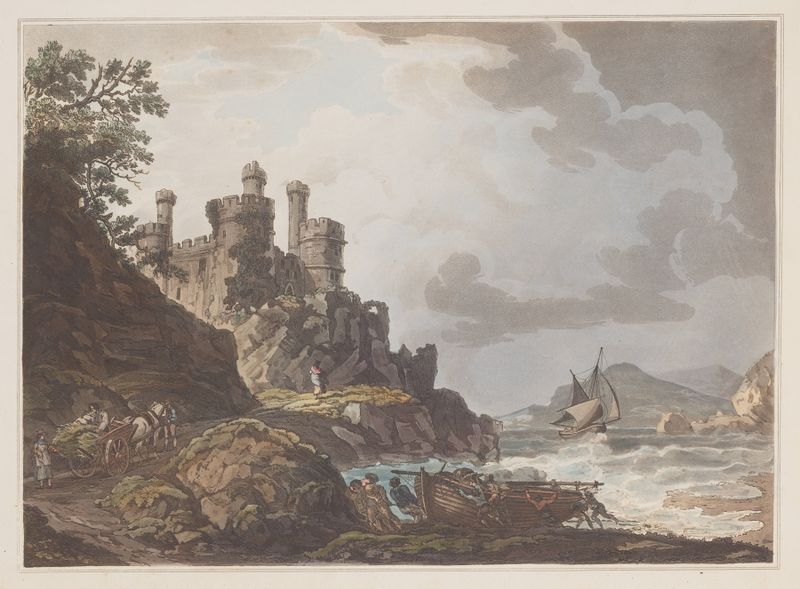
Conway Castle
Philip James de Loutherbourg
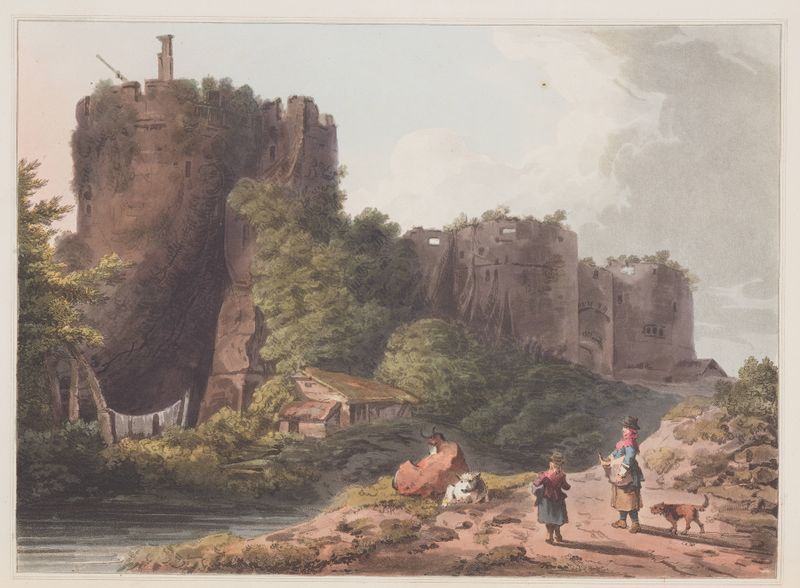
Chepstow Castle in Monmouthshire
Philip James de Loutherbourg
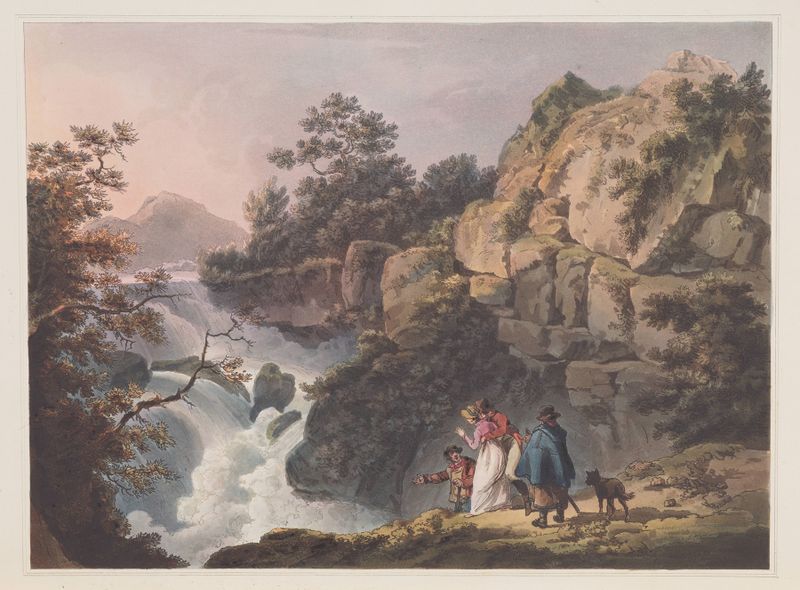
Cataract on the Llugwy
Philip James de Loutherbourg
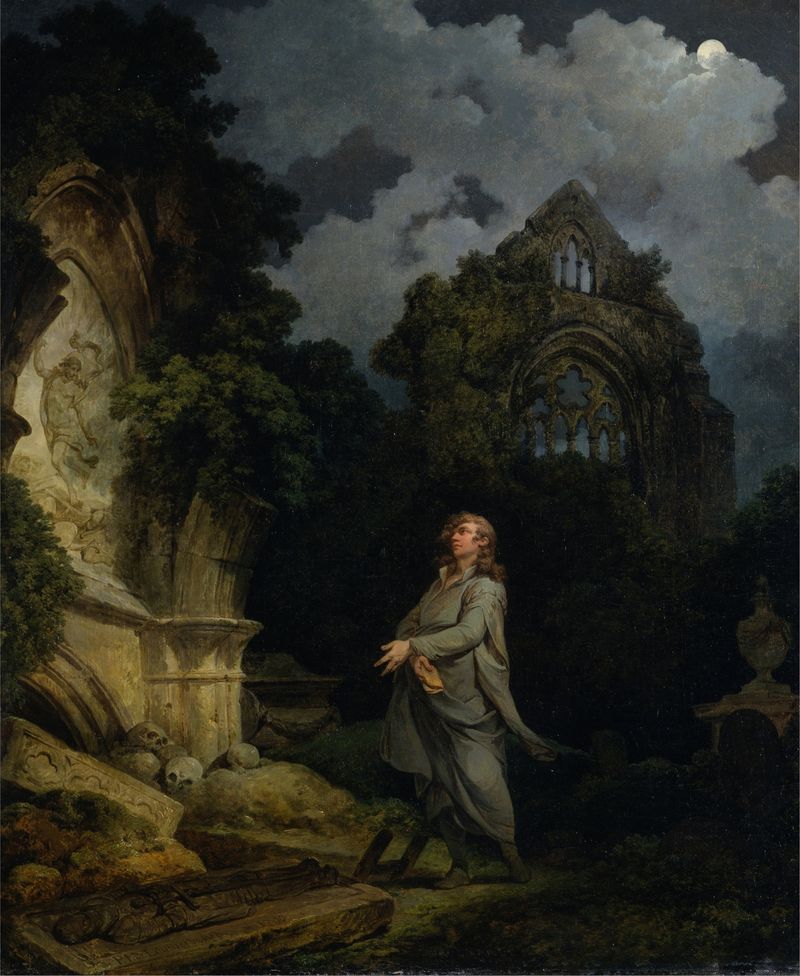
Visitor to a Moonlit Churchyard
Philip James de Loutherbourg

A Storm at the Entrance of a Mediterranean Port
Philip James de Loutherbourg
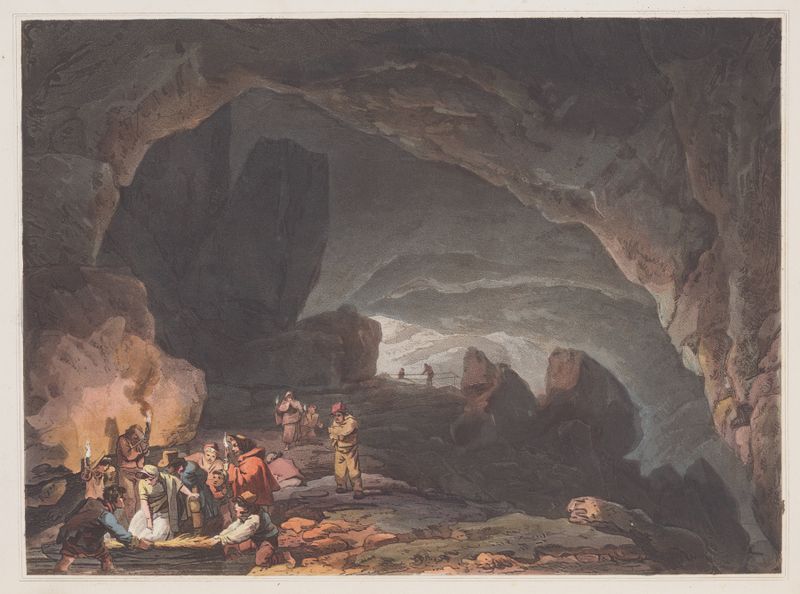
Peak’s Hole, Derbyshire
Philip James de Loutherbourg
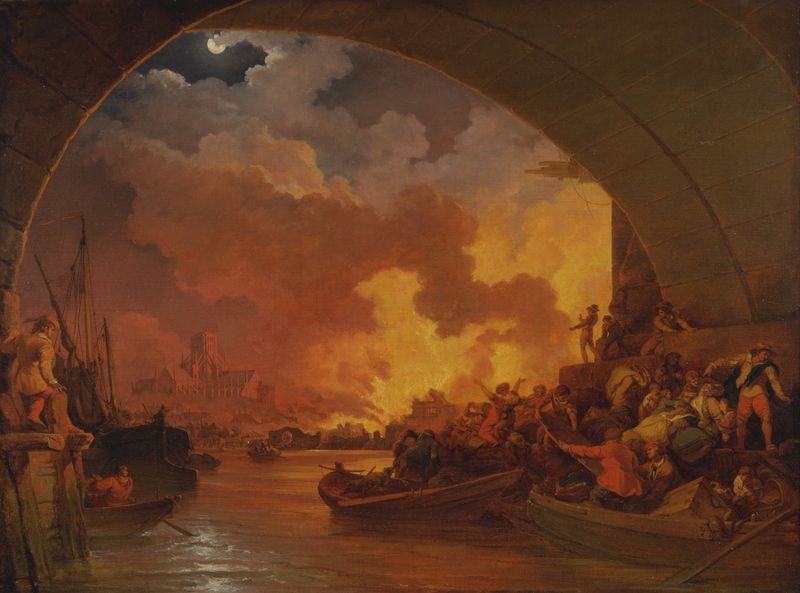
The Great Fire of London
Philip James de Loutherbourg
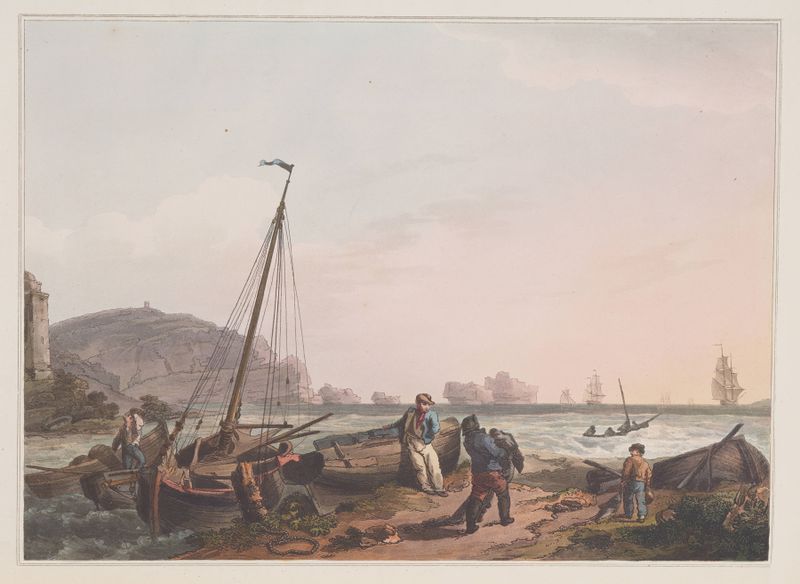
The Needles. Isle of Wight
Philip James de Loutherbourg





