
Tomb in the Valley of Jehoshaphat — História e Análise
What if beauty was never meant to be finished? The haunting stillness of a tomb unfolds beneath a vast, azure sky, inviting contemplation on the ephemeral nature of existence and creation. Look to the foreground where intricate stone carvings emerge from the earth, their details capturing both decay and artistry. The warm ochres and soft greens blend seamlessly, painting a lush, natural frame around the somber monument. Notice how the light caresses the tomb's surface, casting shadows that whisper of time's passage, while the surrounding landscape beckons with its wild, untamed beauty, creating a contrast between human craftsmanship and nature's relentless grasp. Within this composition lies a rich interplay of life and death.
The tomb, a symbol of finality, coexists with the verdant valley, suggesting the cyclical essence of creation and decay. The juxtaposition of the meticulously carved stone against the organic, flowing landscape speaks to the tension between human impermanence and nature's eternal rhythm. Each detail, from the weathered stone to the vibrant foliage, invites reflections on what it means to create and to leave a legacy. In 1804, Luigi Mayer painted this evocative scene during a period of exploration and romantic fascination with ancient history and landscapes.
Living in London at the time, he was influenced by the rise of neoclassicism and the Romantic movement, which sought to capture not only the grandeur of classical antiquity but also the sublime beauty of nature. This work reflects his artistic intent to bridge the past with contemporary sensibilities, using the valley as a metaphor for the human experience itself.
Mais obras de Luigi Mayer
Ver tudo →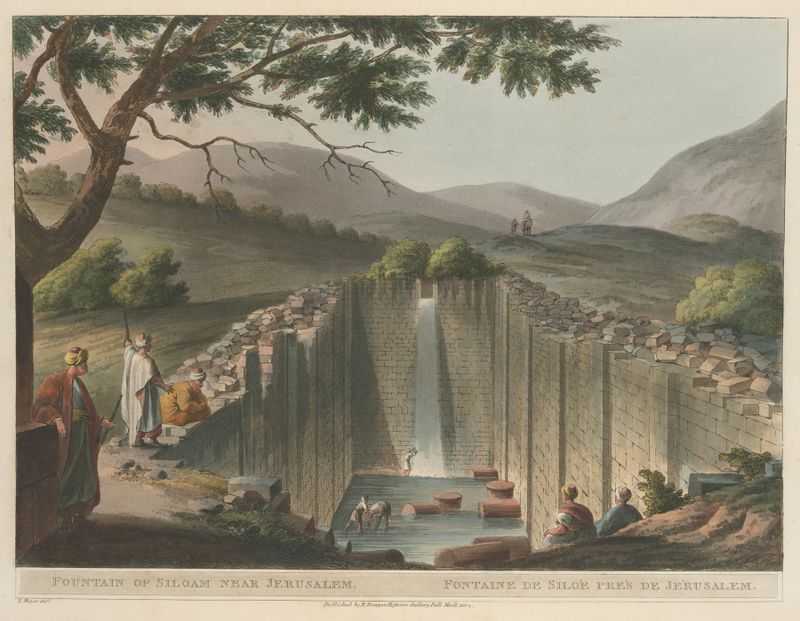
Fountain of Siloam Near Jerusalem
Luigi Mayer

View of the Dardanelles
Luigi Mayer
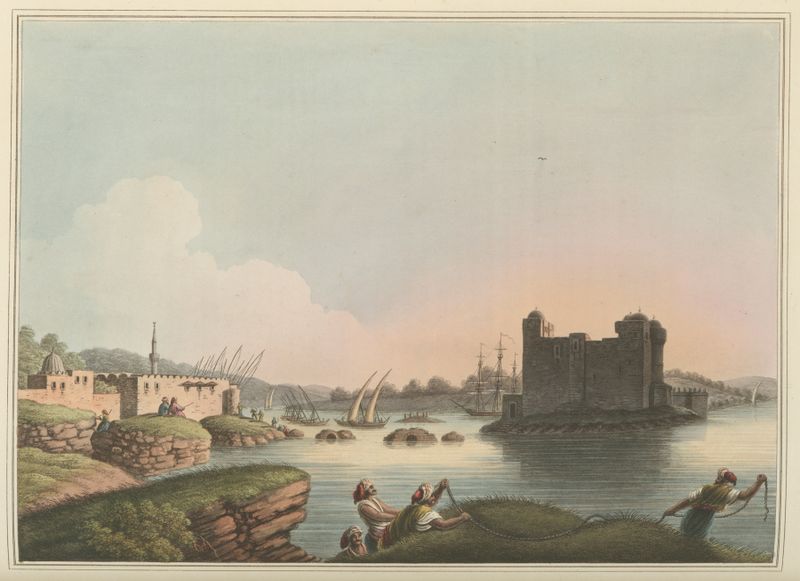
Port of Latachia
Luigi Mayer

Stadium at Ephesus
Luigi Mayer

Ancient Temples at Agrigentum
Luigi Mayer
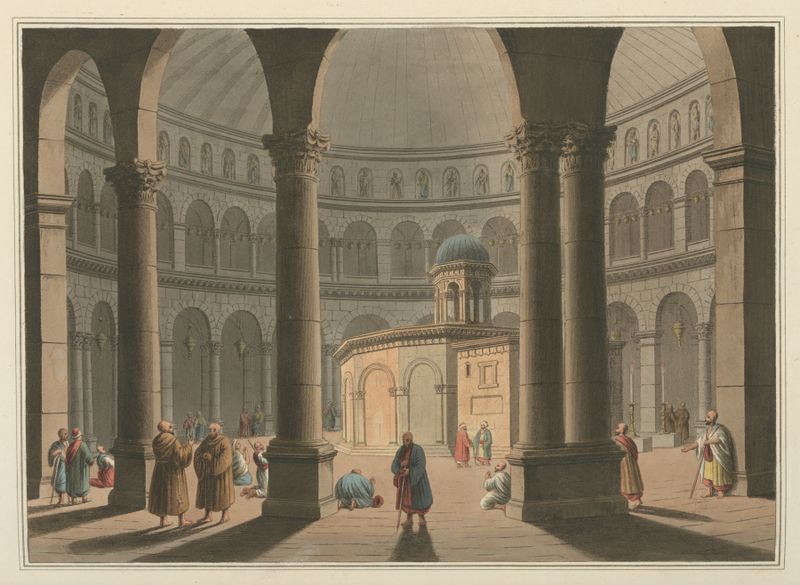
Church of the Holy Sepulchre
Luigi Mayer
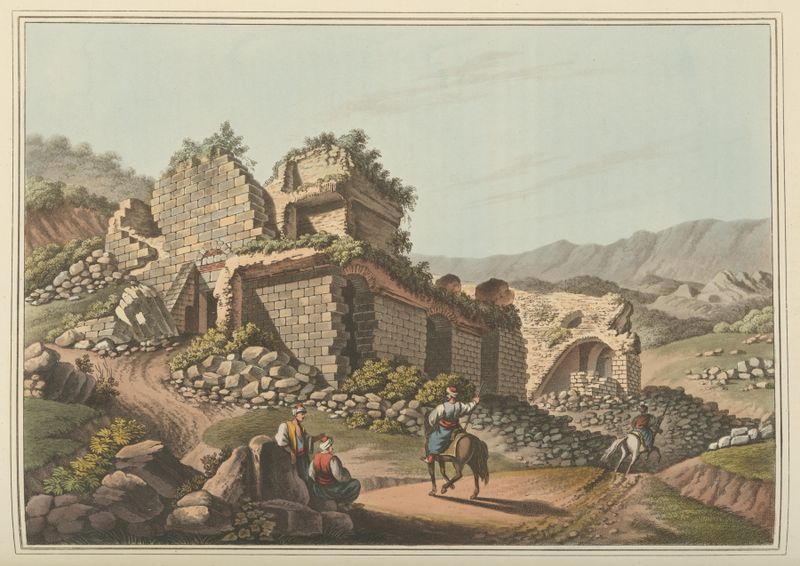
Theatre at Ephesus
Luigi Mayer
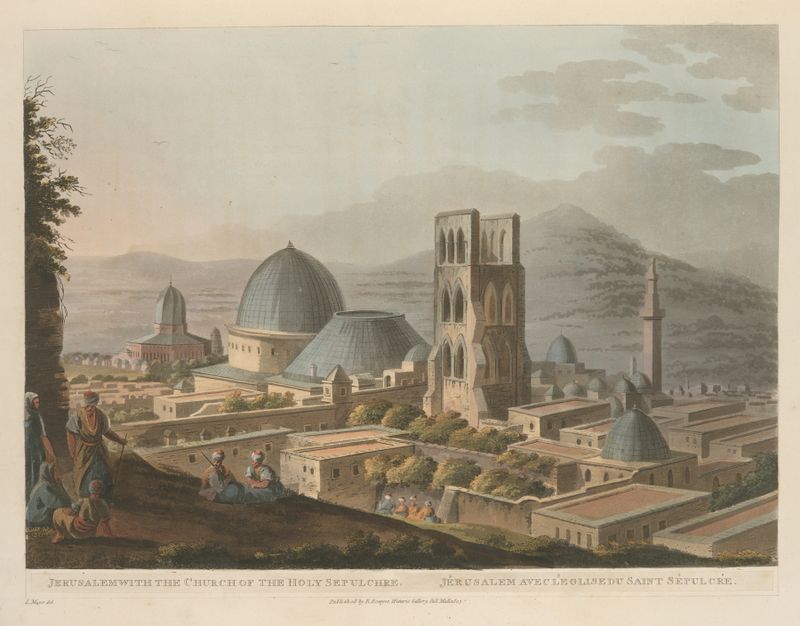
Jerusalem with the Church of the Holy Sepulchre
Luigi Mayer
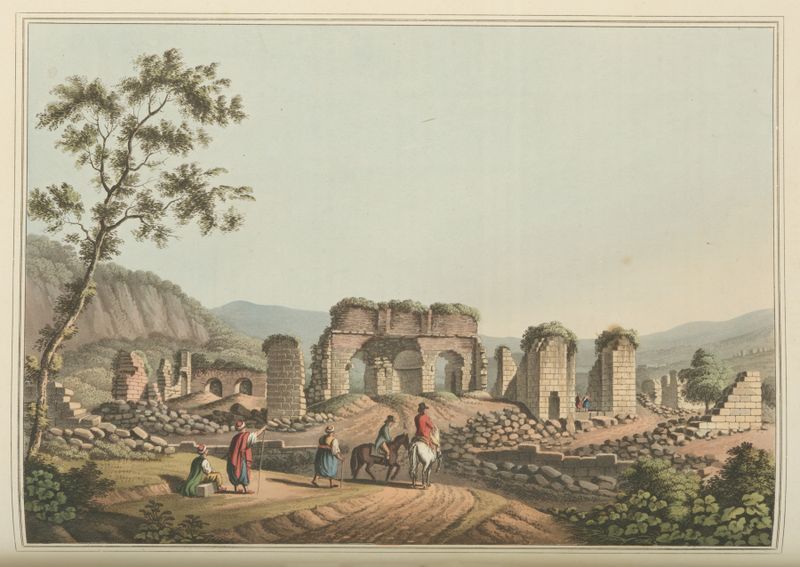
Ruins of the Temple of Diana at Ephesus
Luigi Mayer

Crater in the Island of Volcano
Luigi Mayer





