Tôtes — História e Análise
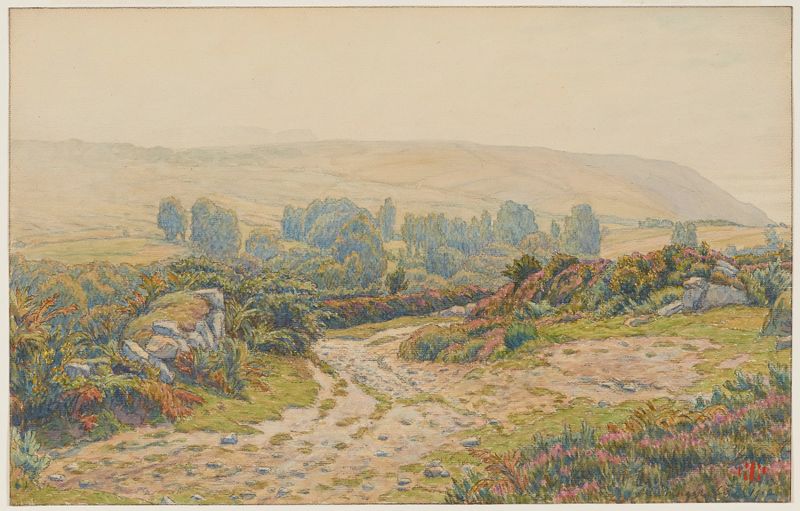
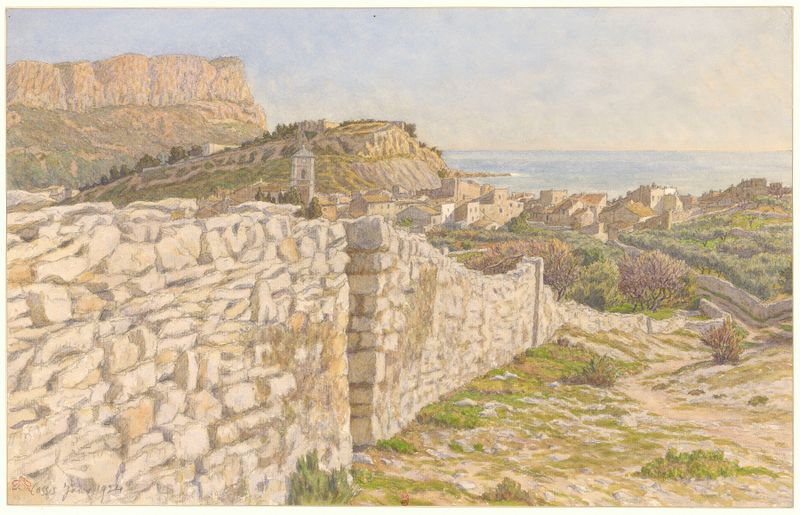
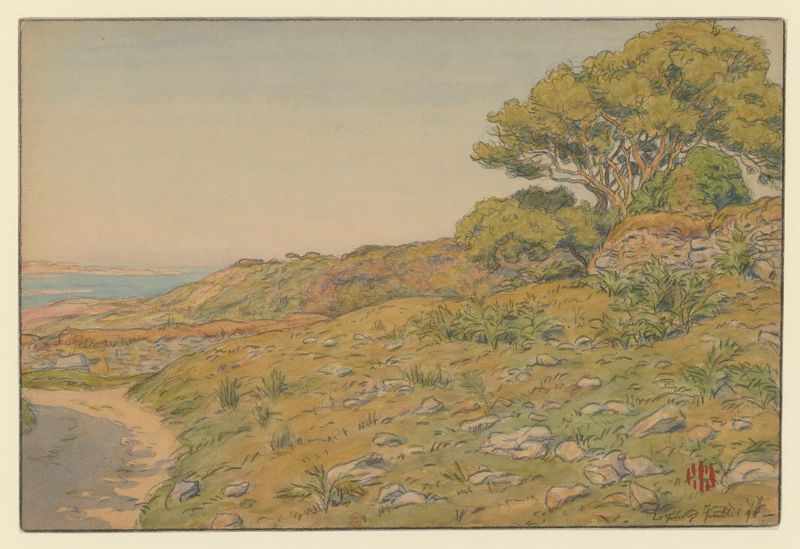
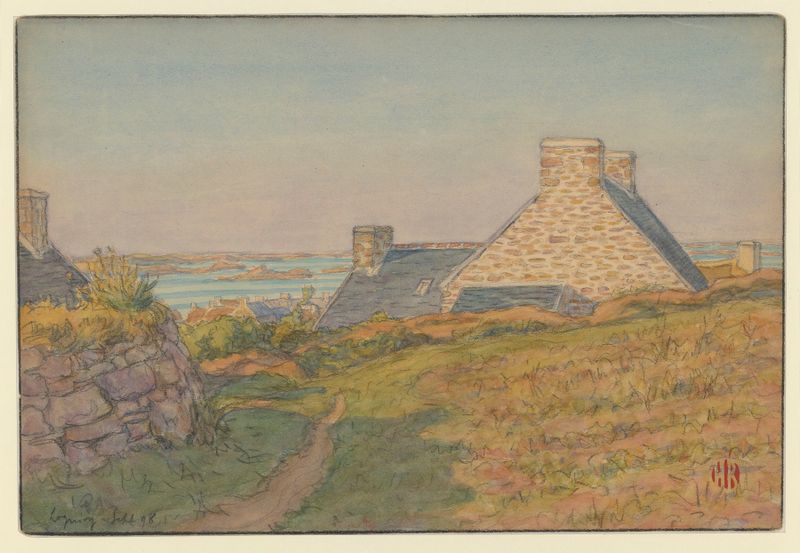
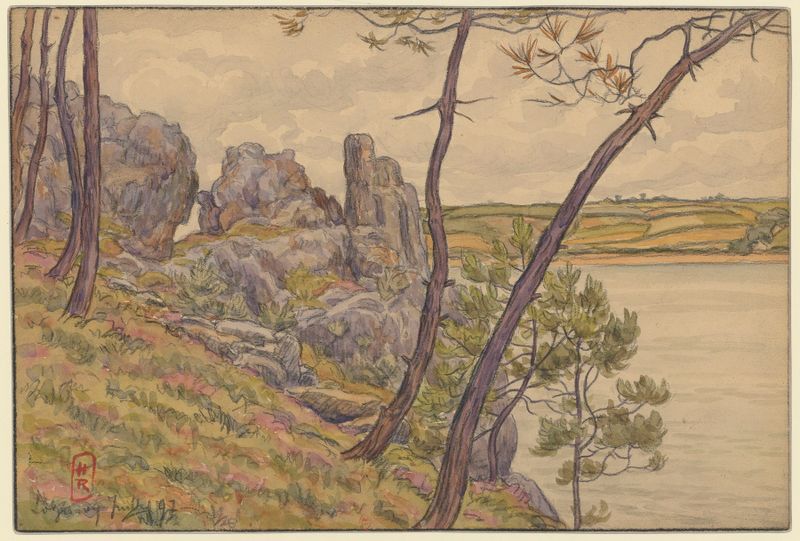
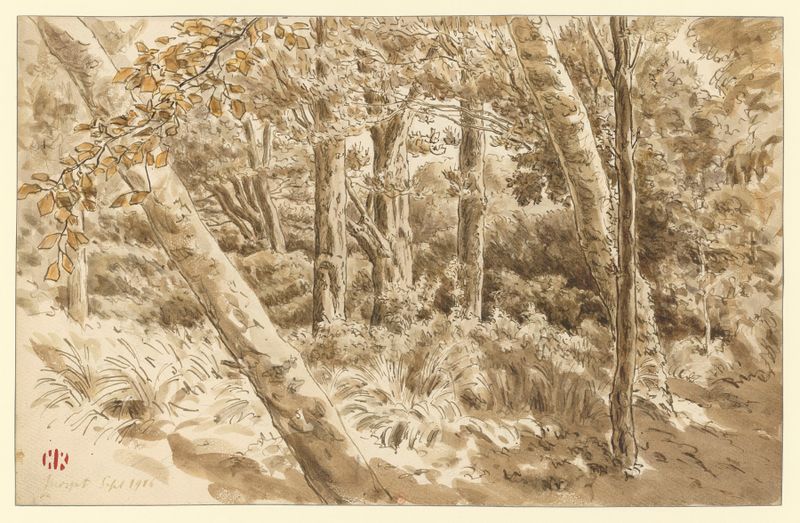
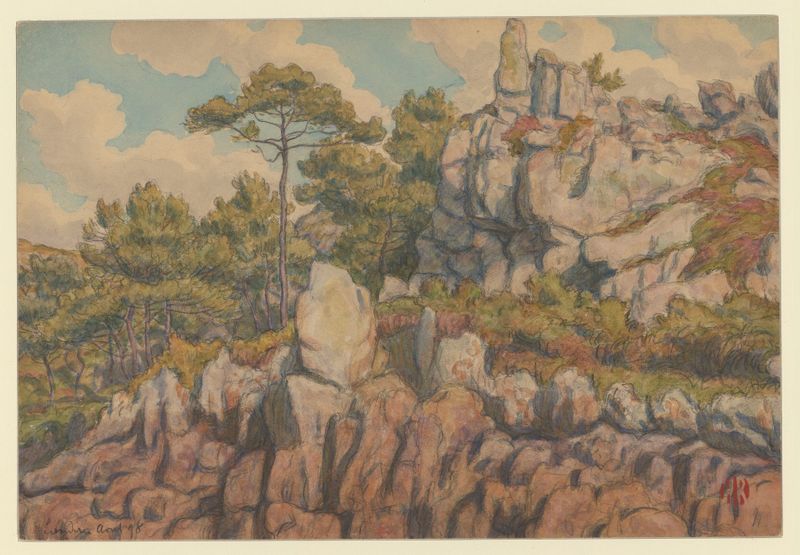
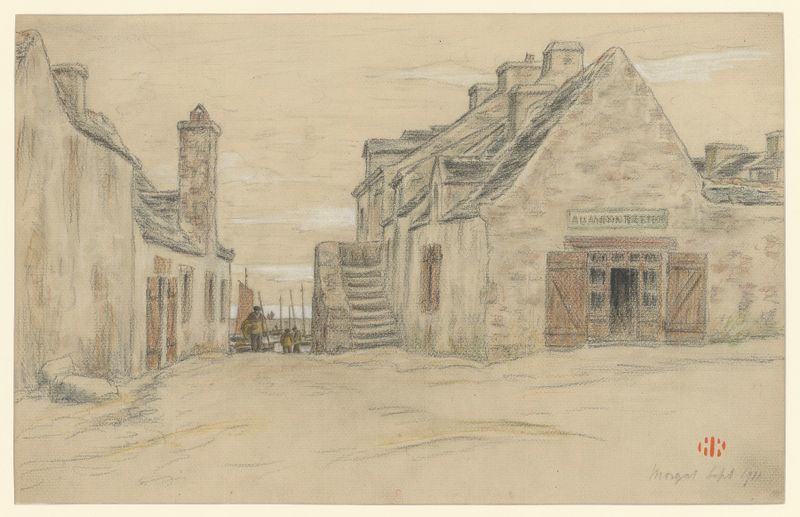
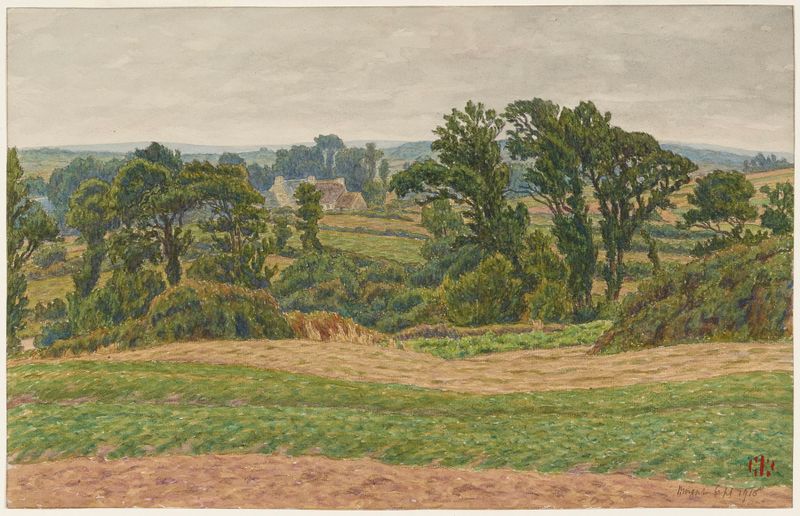
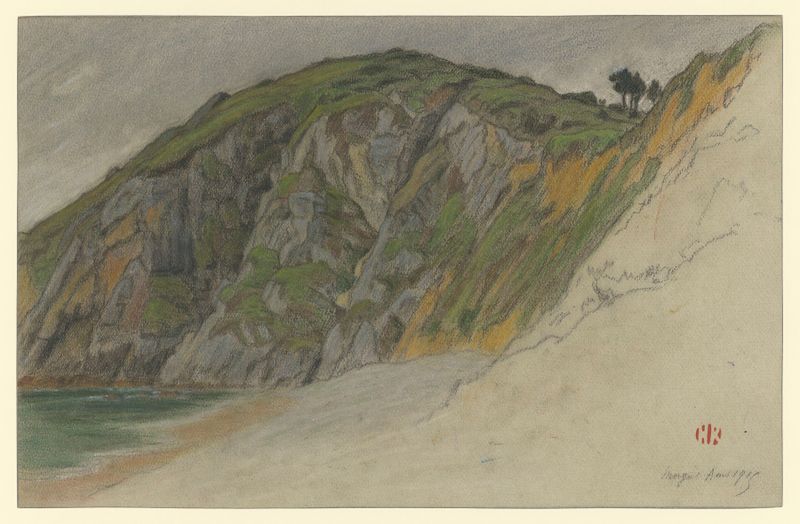
When did color learn to lie? In a world where shadows dance like phantoms, reality bends and distorts under the weight of hues and tones, whispering secrets that linger just out of reach. Focus on the delicate interplay of light and shadow that creates the essence of Tôtes. The soft greens and blues caress the viewer's eyes, drawing them into a dreamlike landscape. Notice how the strokes of paint vary in intensity, allowing the colors to breathe and shift, evoking the tranquility of water reflecting a fleeting sky.
The composition flows rhythmically, guiding your gaze across the canvas, where subtle variations hint at the passage of time and fleeting moments. There are hidden meanings beneath the serene exterior; the contrast between the vibrant colors and the muted shadows speaks to the duality of existence. While the vividness suggests life and vitality, the shadows remind us of loss and the ephemeral nature of beauty. These elements combine to create an emotional tension, inviting contemplation on what lies beneath the surface—a reminder that even in the most beautiful scenes, darkness is never far away. Henri Rivière painted Tôtes in 1925 during a period marked by a shift towards modernism in art.
At this time, he was deeply engaged with the natural world, often drawing inspiration from his surroundings in Normandy. This painting reflects his ongoing exploration of color and light, as well as the influence of post-impressionist techniques that sought to capture the feeling of a moment rather than its strict details. As art evolved, so did his vision, intertwining the physical and the emotional in his landscapes.