Tunaberg — História e Análise
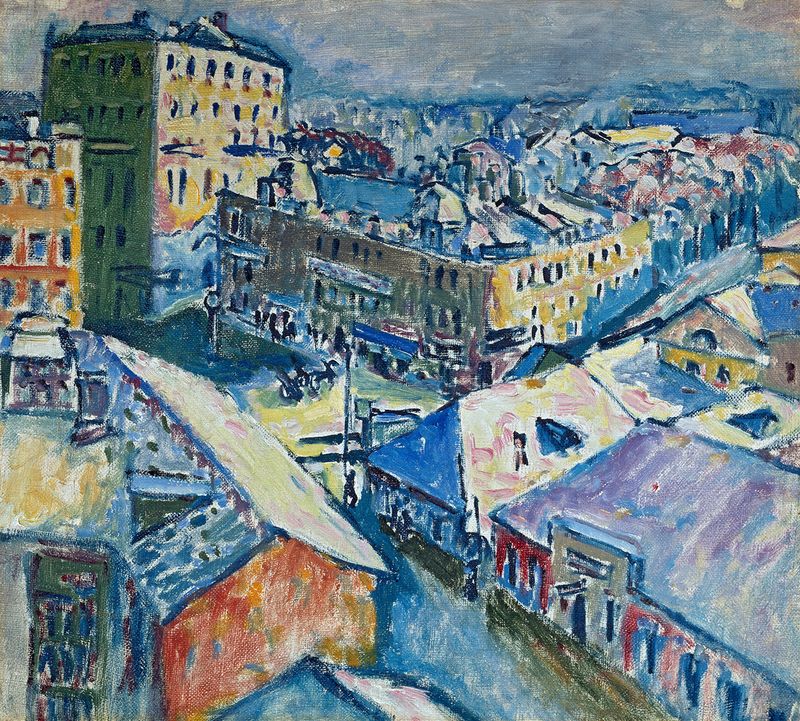
What if beauty was never meant to be finished? In the fluid strokes and delicate layers of Tunaberg, we are invited to ponder the essence of transcendence itself. Look closely at the subtle gradation of colors that dance across the canvas, particularly in the upper left corner where a soft azure mingles with hints of gold. The composition draws the eye in a gentle spiral, leading from the textured foreground—rich with earthy hues—upward towards an ethereal horizon. This interplay of natural elements evokes a sense of harmony, while the sharp contrast of light and shadow reveals Boberg’s mastery of atmospheric perspective. Beneath the surface, layers of meaning unfold.
The sweeping curves may represent the undulating landscape, but they also suggest the passage of time, forever in flux, yet strikingly beautiful in its impermanence. The painting balances between the tangible and the ethereal, challenging viewers to reflect on the relationship between the seen and the unseen. The serenity of the scene hints at an inner longing, a search for something greater that lies just beyond the horizon. Created in the midst of a world grappling with the shadows of war, Tunaberg emerged from Boberg's studio between 1915 and 1924, during a period of personal and artistic exploration.
Living in Sweden, he sought solace in nature as a reaction to the tumult around him, striving to encapsulate an ideal that echoed through the burgeoning movements of modernism. In this work, he captures not only a landscape but a profound yearning for transcendence that resonates across time and space.
Mais obras de Ferdinand Boberg
Ver tudo →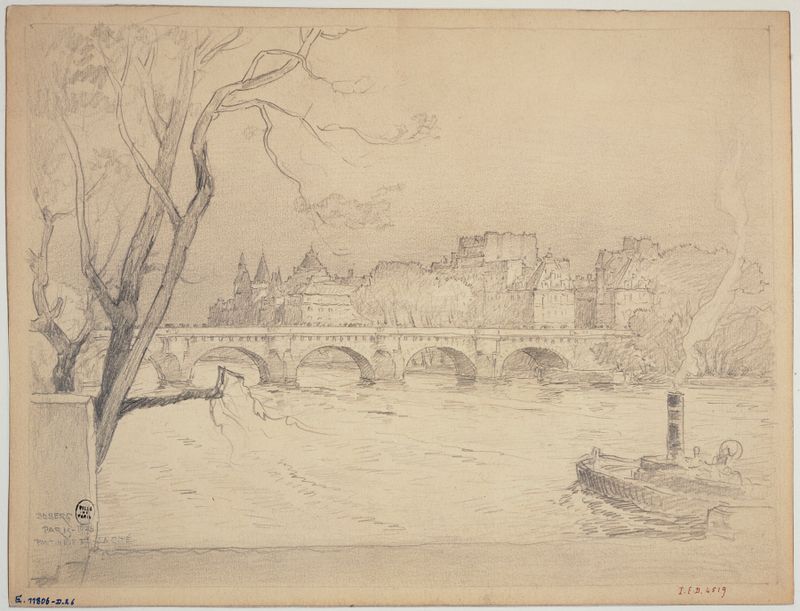
Le Pont-Neuf et la Cité
Ferdinand Boberg
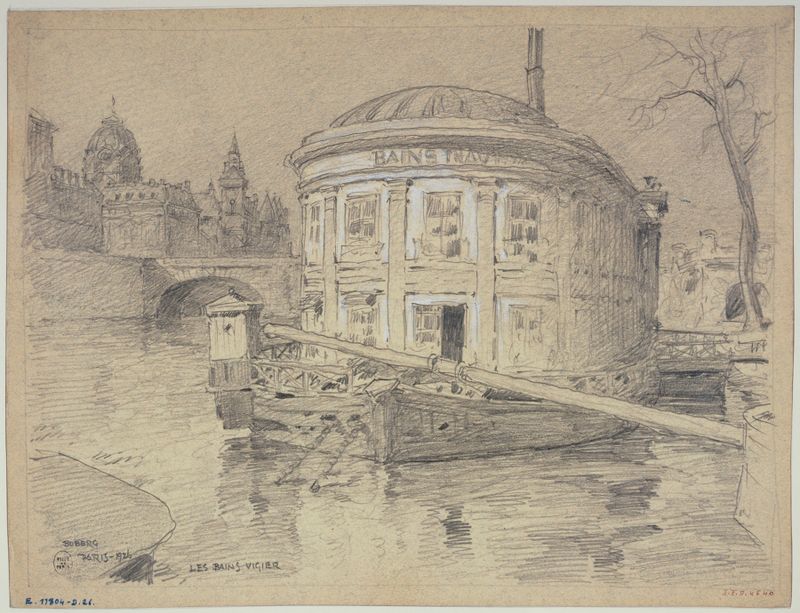
Les bains Vigier au Pont-Neuf
Ferdinand Boberg
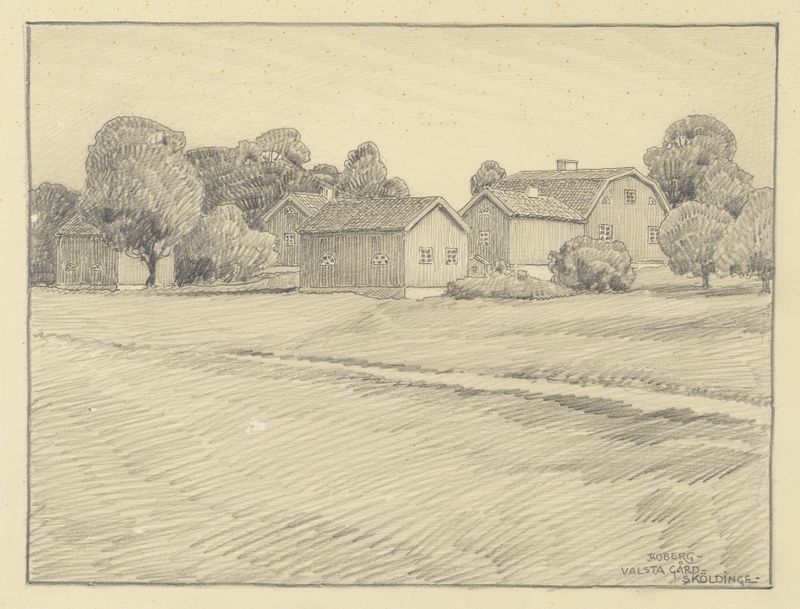
Valsta Gård
Ferdinand Boberg
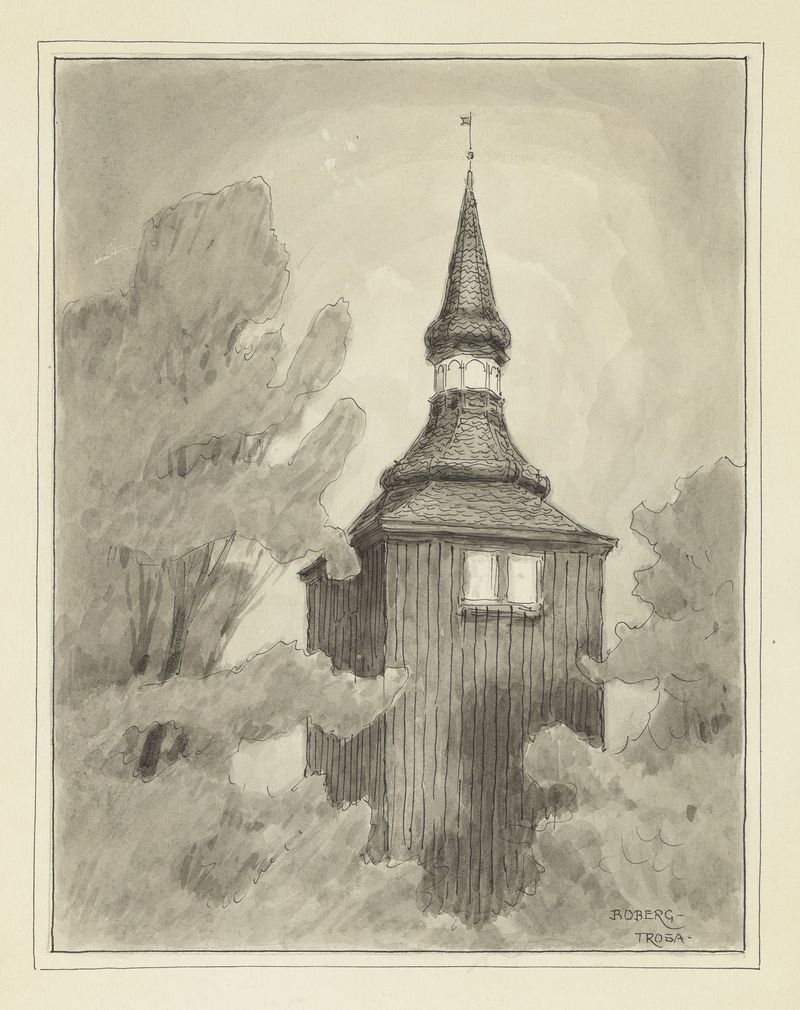
Trosa
Ferdinand Boberg
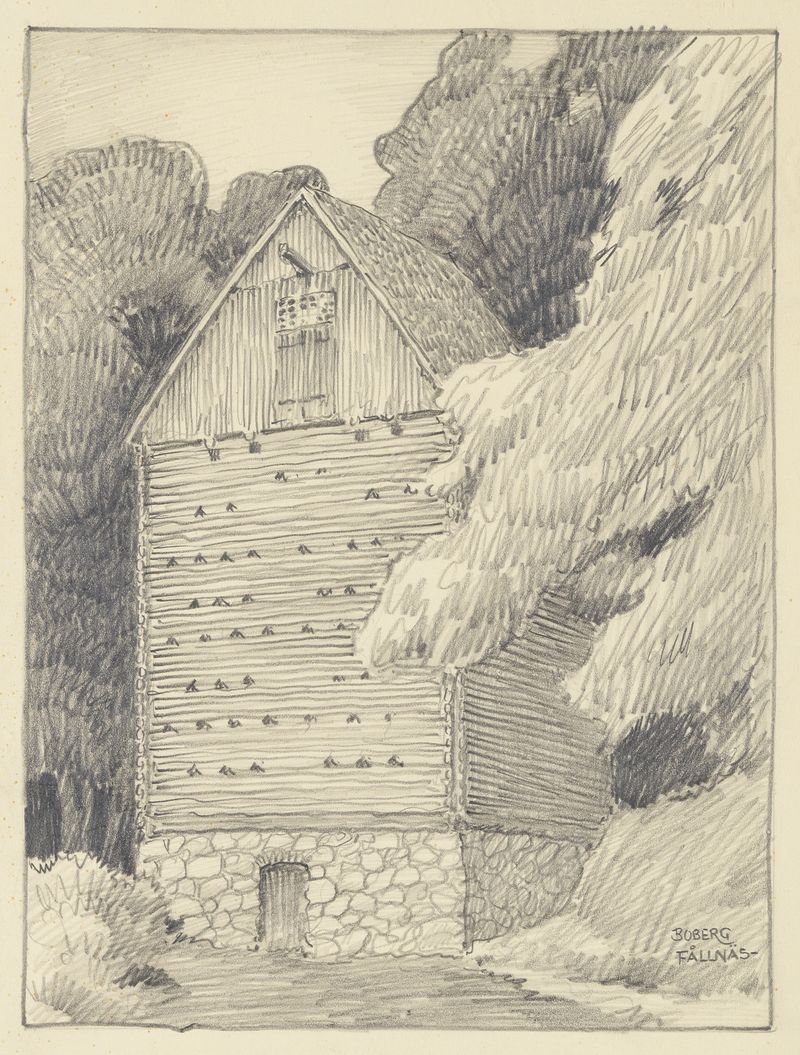
Fållnäs
Ferdinand Boberg
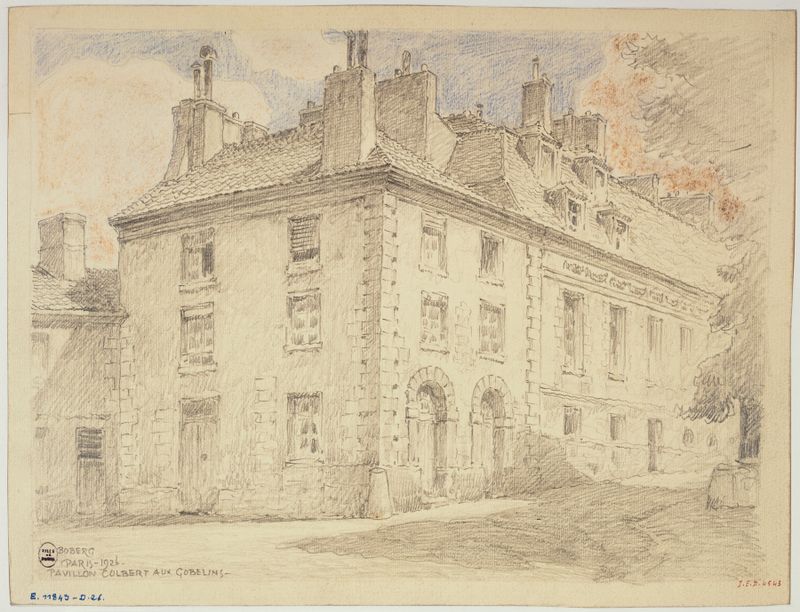
Le pavillon Colbert aux Gobelins
Ferdinand Boberg
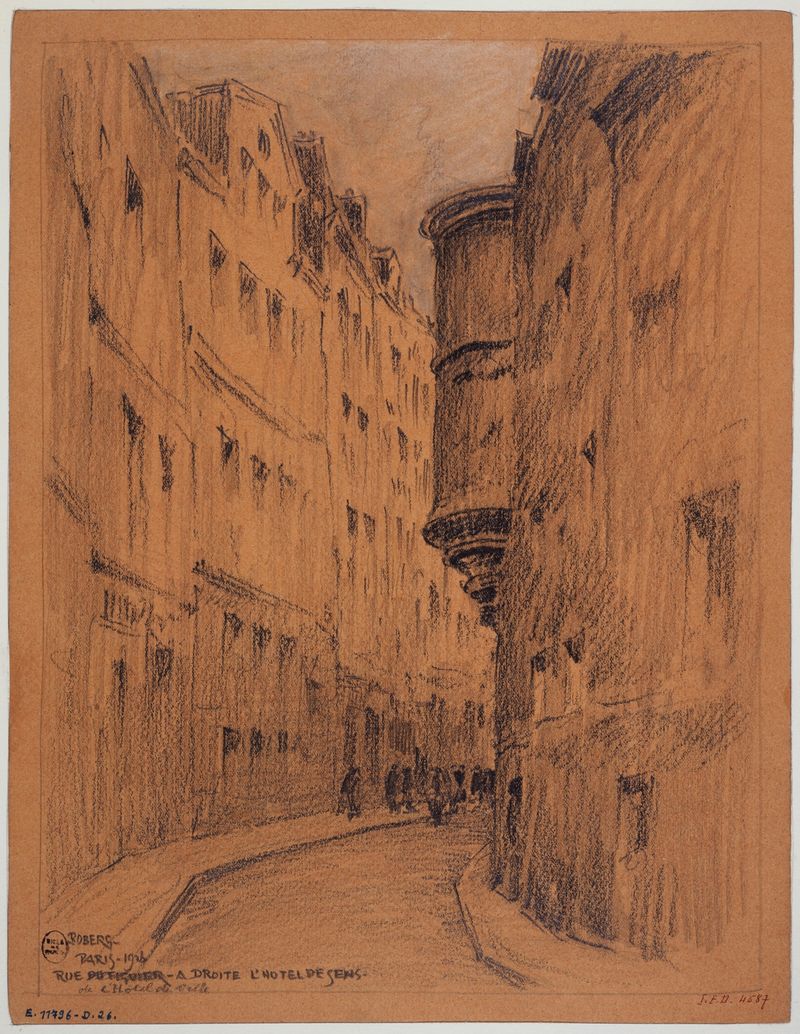
Rue de l’Hôtel de Ville; l’hôtel de Sens
Ferdinand Boberg
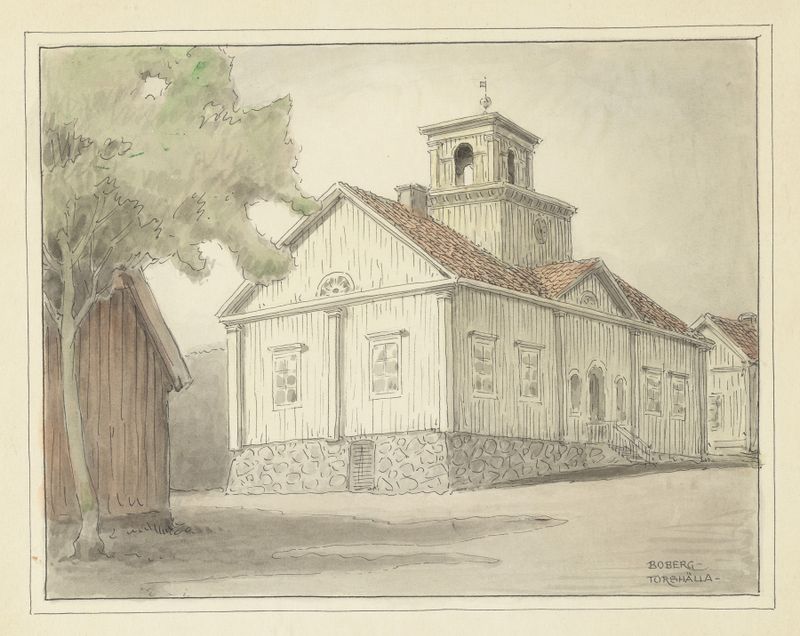
Torshälla
Ferdinand Boberg
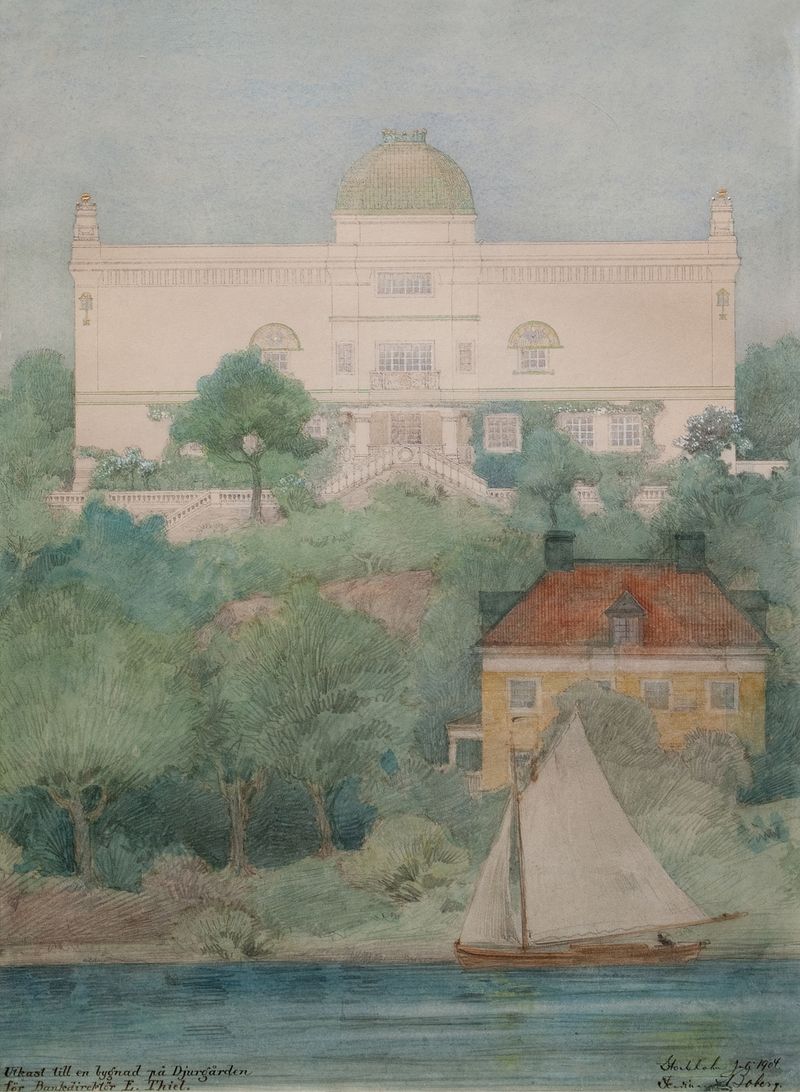
Sketch for a building for Thiel’s Gallery
Ferdinand Boberg
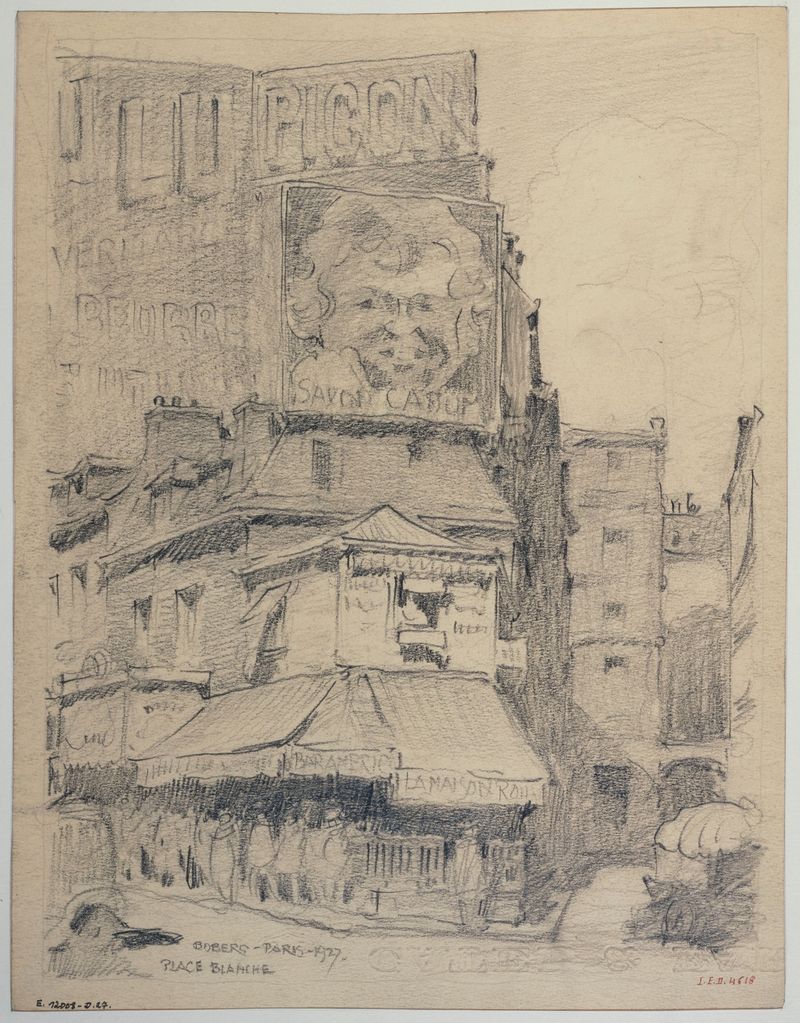
La place Blanche
Ferdinand Boberg