
Under the Cherry Blossoms (Hana no En), Illustration to Chapter 8 of the Tale of Genji (Genji monogatari) — História e Análise
Nos pétalas cintilantes das flores de cerejeira reside um eco de dor, uma beleza efémera que sussurra sobre amor e perda. Olhe de perto as delicadas figuras aninhadas sob as árvores em flor; a paisagem se desdobra em um suave lavrado de cores pastel, cada pincelada capturando a natureza efémera da vida. Note como o artista emprega padrões intrincados nas vestes, revelando um mundo imerso em elegância e momentos transitórios. Os suaves rosas e brancos das flores criam um contraste sereno contra os tons terrosos apagados, convidando o espectador a um espaço contemplativo onde as memórias permanecem como pétalas ao vento. No entanto, em meio a esta cena tranquila, uma tensão mais profunda borbulha.
As expressões delicadas das figuras insinuam emoções não ditas, talvez anseio ou melancolia, como se estivessem agudamente cientes da impermanência que as rodeia. As flores de cerejeira, símbolos tanto de beleza quanto de mortalidade, servem como um lembrete pungente das alegrias fugazes da vida. Cada pétala que se afasta ecoa uma memória—luto entrelaçado com nostalgia, um ciclo de lembrança que continua além da tela. No início do século XVI, durante o período Muromachi, o artista se viu cercado por uma cultura profundamente enamorada pela literatura e pelas nuances estéticas da vida.
Tosa Mitsunobu pintou Sob as Flores de Cerejeira em uma época em que o Conto de Genji era reverenciado, refletindo a fusão da arte visual e da narrativa. Esta obra captura a essência de uma era em que a transitoriedade e a beleza eram observadas com atenção, um momento preservado mesmo enquanto o tempo buscava apagá-lo.
Mais obras de Tosa Mitsunobu
Ver tudo →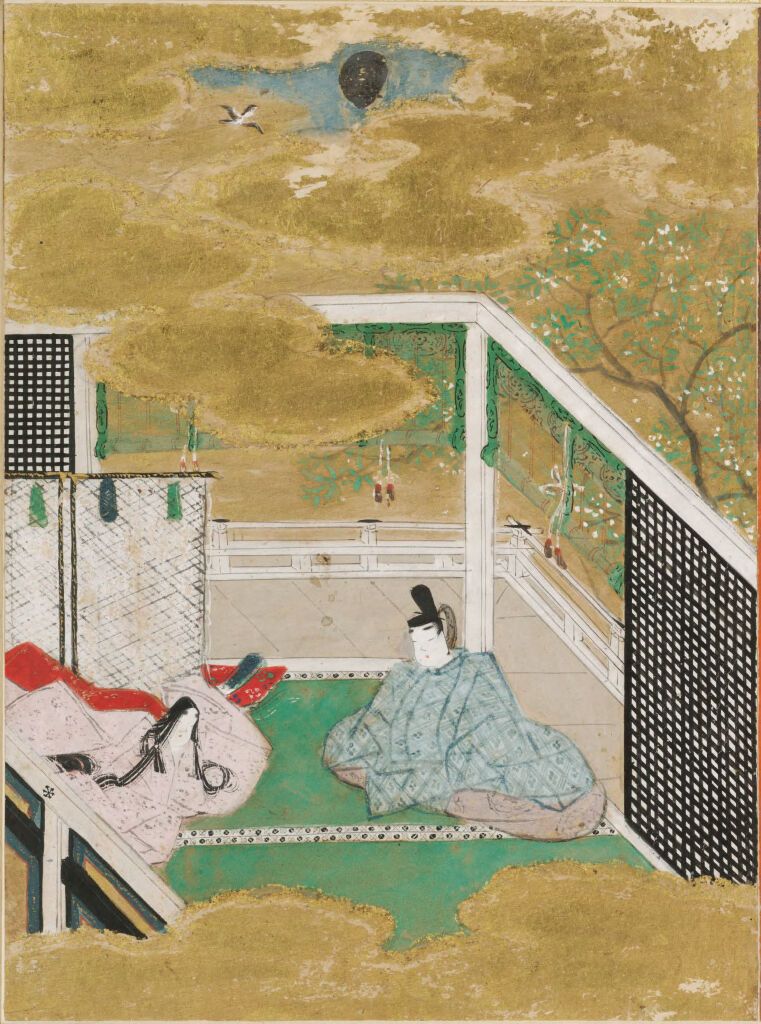
Falling Flowers (Hanachirusato), Illustration to Chapter 11 of the Tale of Genji (Genji monogatari)
Tosa Mitsunobu
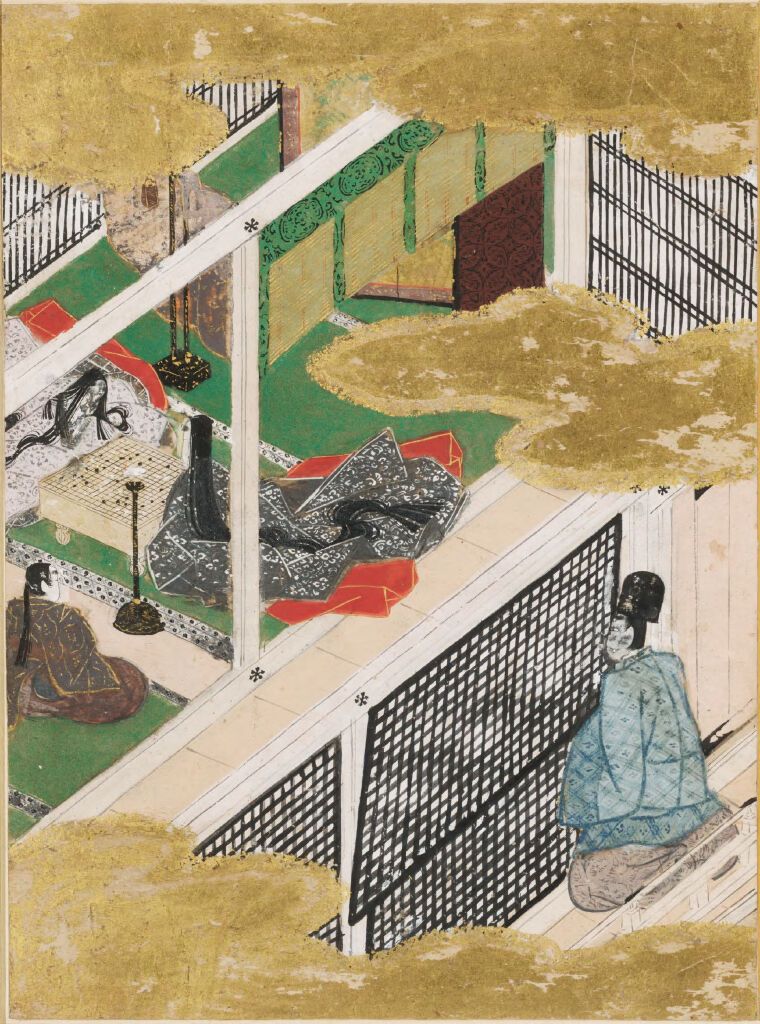
The Cicada Shell (Utsusemi), Illustration to Chapter 3 of the Tale of Genji (Genji monogatari)
Tosa Mitsunobu
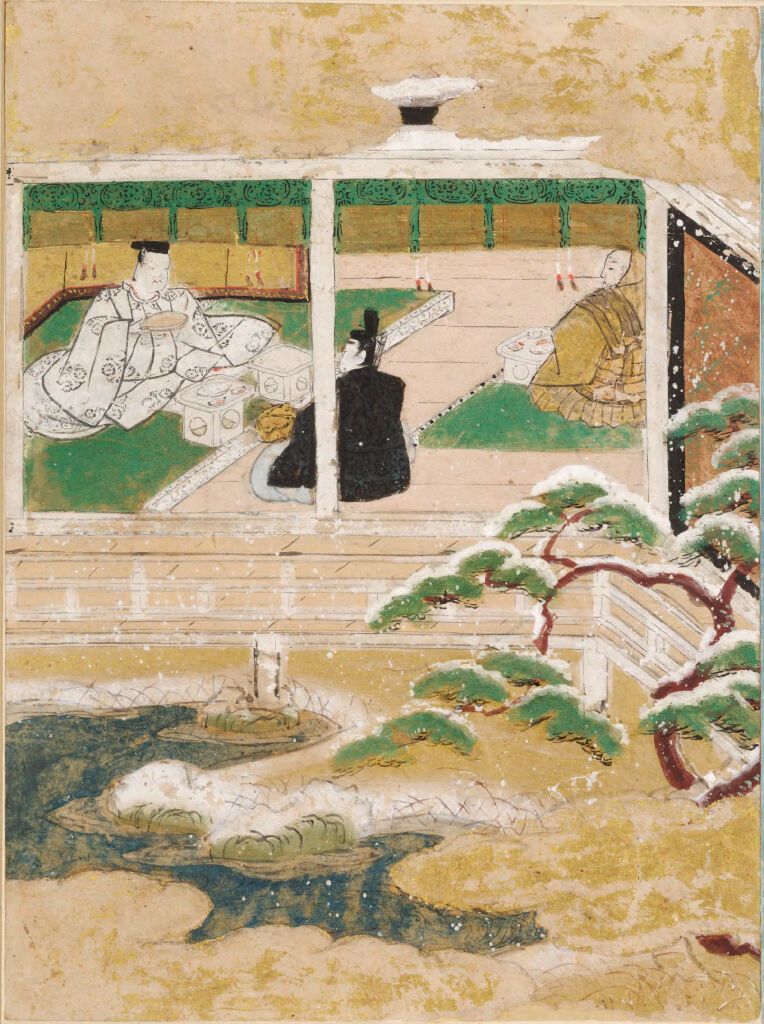
The Seer (Maboroshi), Illustration to Chapter 41 of the Tale of Genji (Genji monogatari)
Tosa Mitsunobu
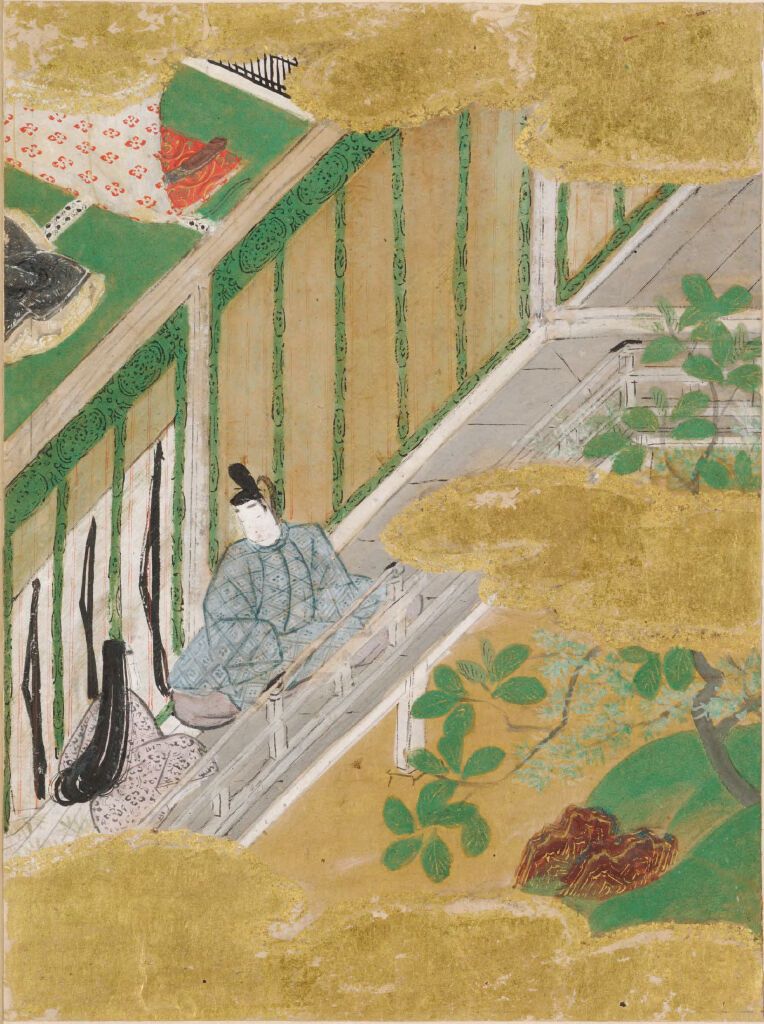
The Oak Tree (Kashiwagi), Illustration to Chapter 36 of the Tale of Genji (Genji monogatari)
Tosa Mitsunobu
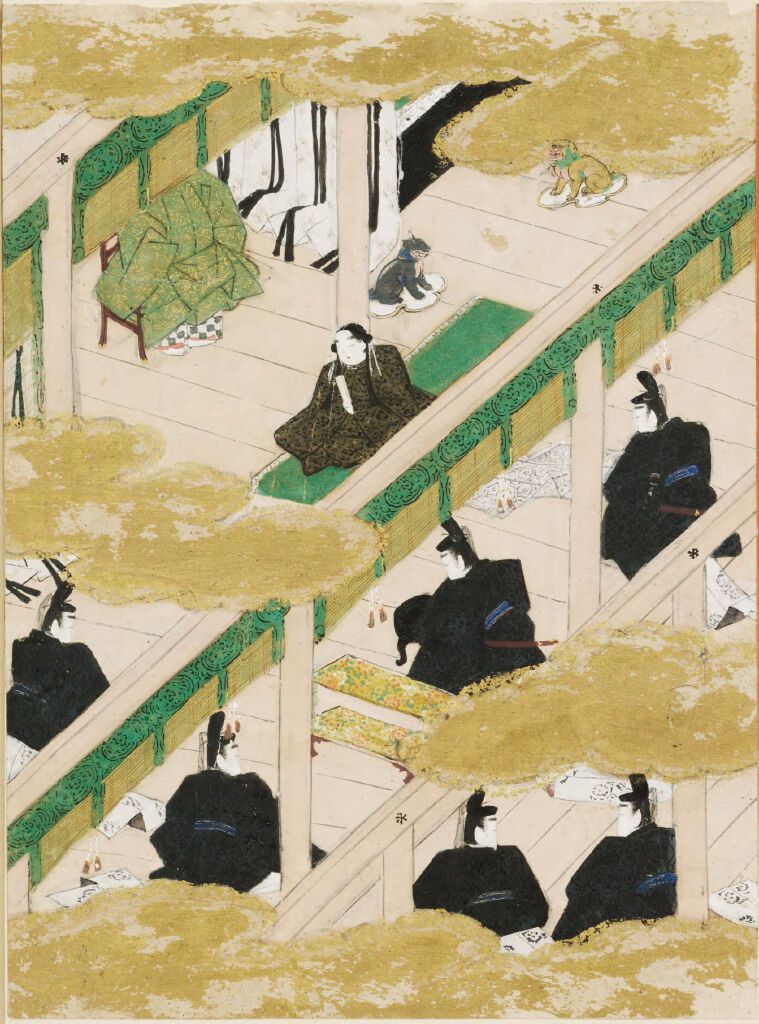
The Paulownia Pavilion (Kiritsubo), Illustration to Chapter 1 of the Tale of Genji (Genji monogatari)
Tosa Mitsunobu
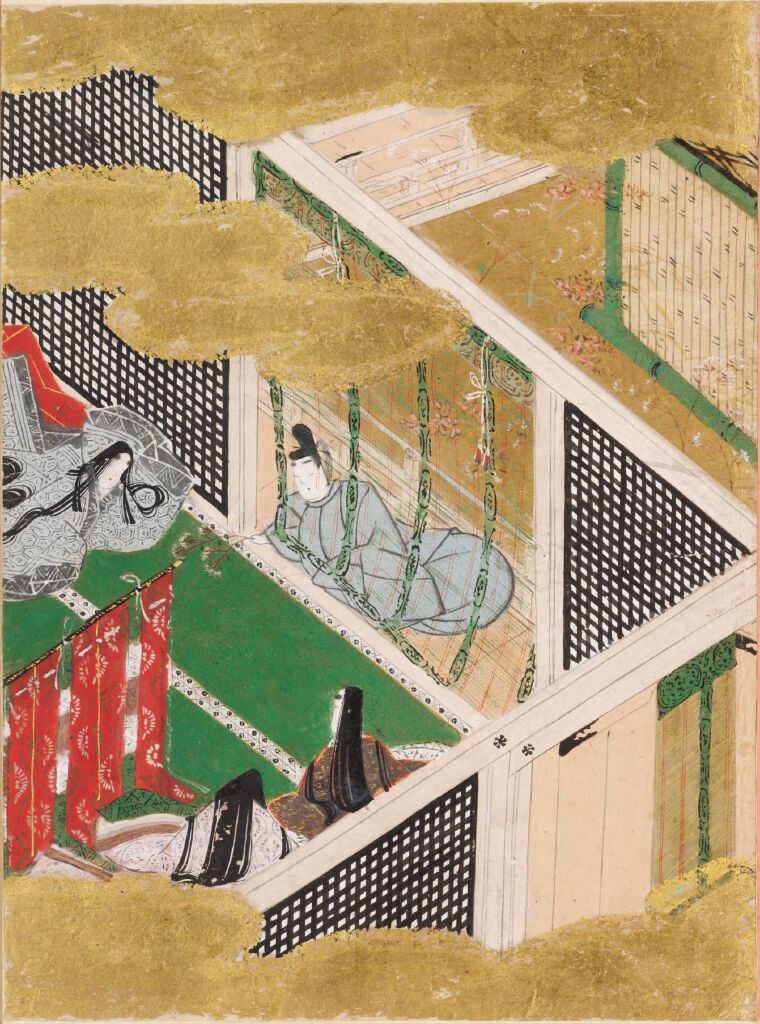
Thoroughwort Flowers (Fujibakama), Illustration to Chapter 30 of the Tale of Genji (Genji monogatari)
Tosa Mitsunobu

The Pilgrimage to Sumiyoshi (Miotsukushi), Illustration to Chapter 14 of the Tale of Genji (Genji monogatari)
Tosa Mitsunobu
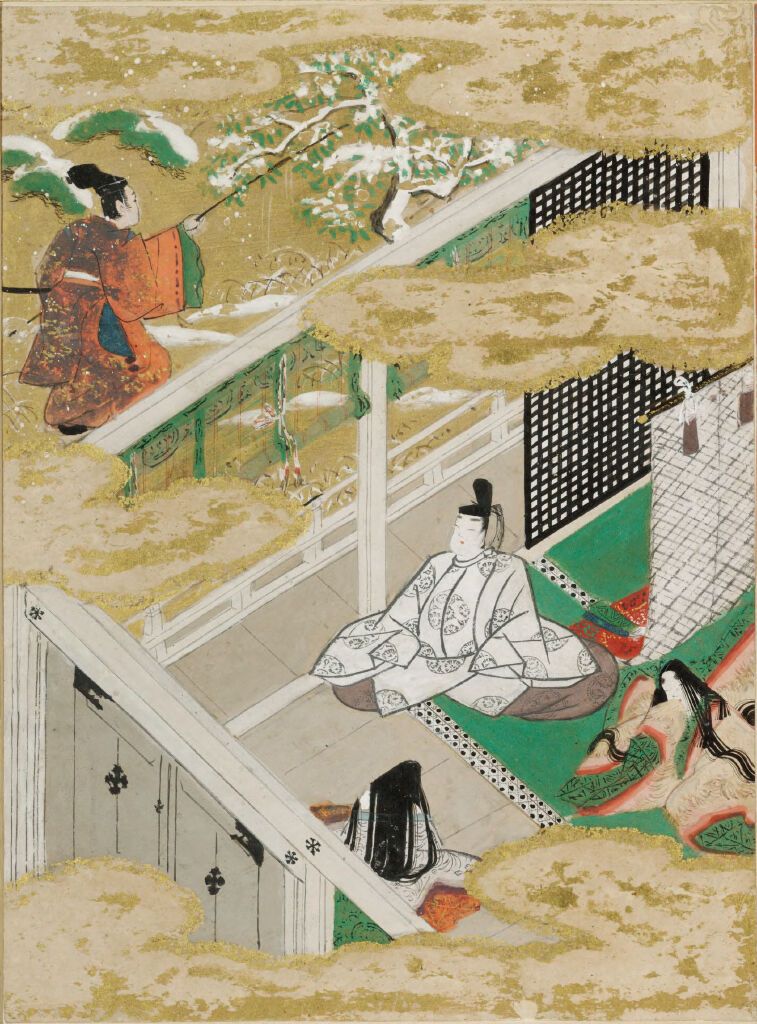
The Safflower (Suetsumuhana), Illustration to Chapter 6 of the Tale of Genji (Genji monogatari)
Tosa Mitsunobu
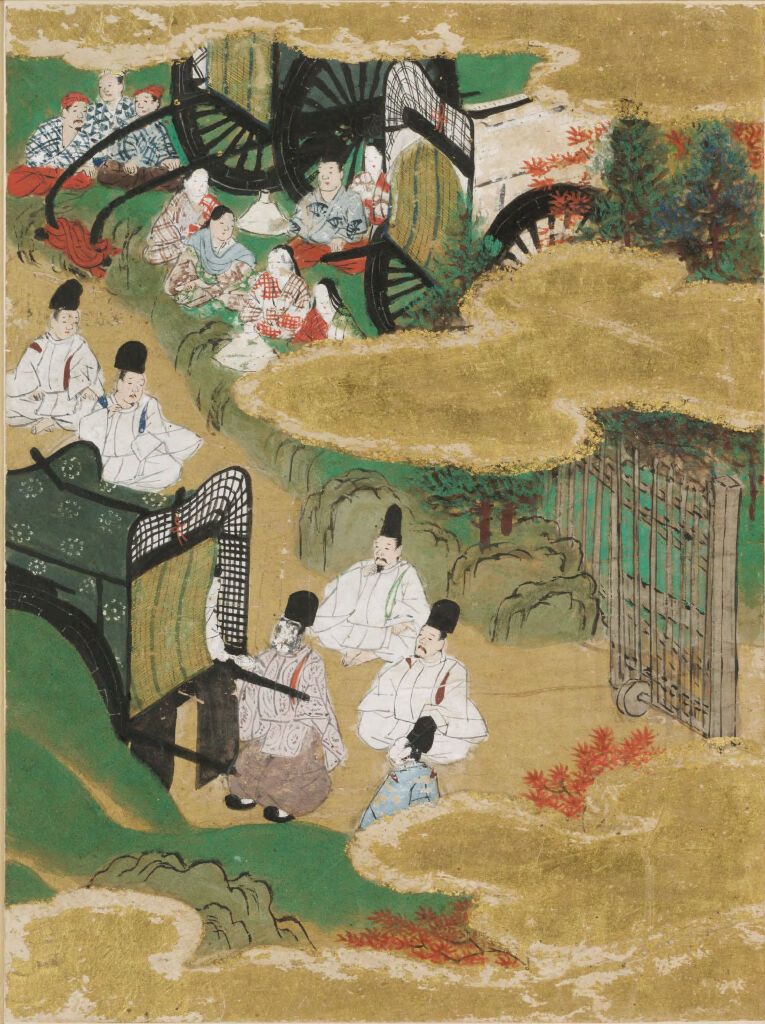
At the Pass (Sekiya), Illustration to Chapter 16 of the Tale of Genji (Genji monogatari)
Tosa Mitsunobu
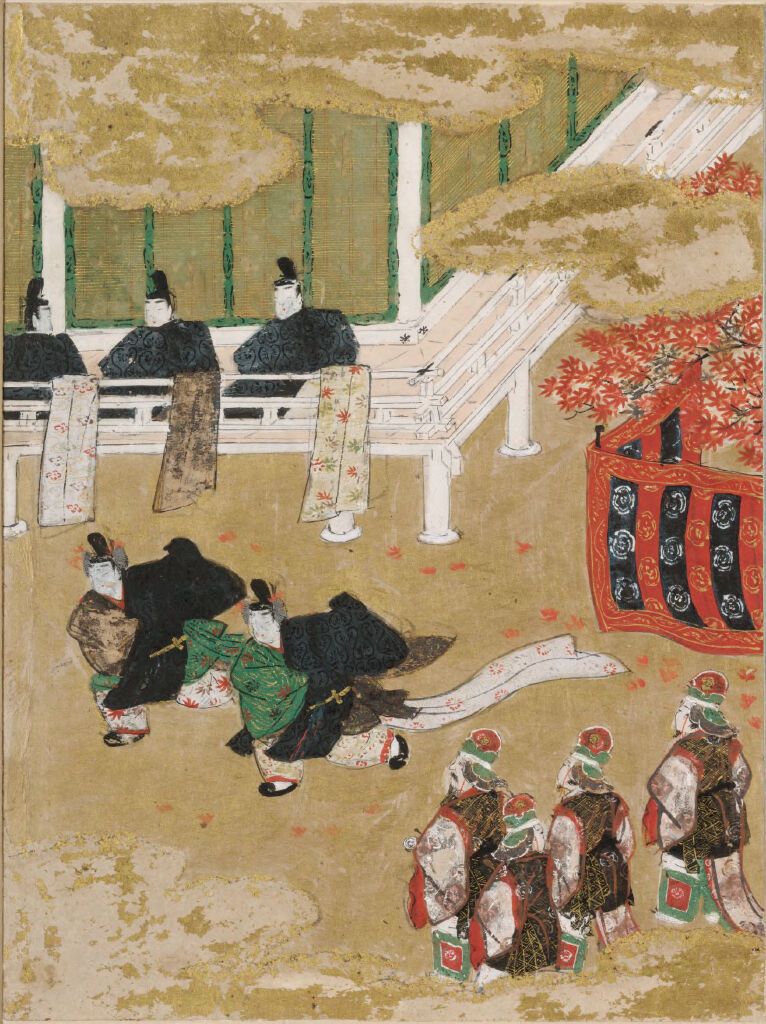
Beneath the Autumn Leaves (Momiji no Ga), Illustration to Chapter 7 of the Tale of Genji (Genji monogatari)
Tosa Mitsunobu
Mais arte de Ilustração
Ver tudo →Falling Flowers (Hanachirusato), Illustration to Chapter 11 of the Tale of Genji (Genji monogatari)
Tosa Mitsunobu
The Cicada Shell (Utsusemi), Illustration to Chapter 3 of the Tale of Genji (Genji monogatari)
Tosa Mitsunobu
The Seer (Maboroshi), Illustration to Chapter 41 of the Tale of Genji (Genji monogatari)
Tosa Mitsunobu
The Oak Tree (Kashiwagi), Illustration to Chapter 36 of the Tale of Genji (Genji monogatari)
Tosa Mitsunobu
The Paulownia Pavilion (Kiritsubo), Illustration to Chapter 1 of the Tale of Genji (Genji monogatari)
Tosa Mitsunobu
Thoroughwort Flowers (Fujibakama), Illustration to Chapter 30 of the Tale of Genji (Genji monogatari)
Tosa Mitsunobu