
Valley and Hillside — História e Análise
In Valley and Hillside, the vibrant interplay of hues serves as a poignant reminder of nature's intricate beauty, inviting contemplation and reflection. Look to the foreground, where the lush greens of the valley bloom with life, their texture almost palpable under the brushstrokes of varying shades. Notice how the muted browns and yellows climb the hillside, leading the viewer's eye into the distance, where the sky meets the land. The composition is balanced yet dynamic, with the horizon establishing a gentle division that evokes both tranquility and tension.
The subtle gradations of color sweep across the canvas, capturing the fleeting moments of dusk when the world appears to hold its breath. Within this serene landscape lies a quiet dialogue between vitality and stillness. The vibrant valley, alive with color, contrasts sharply with the solemnity of the distant hillside. This interplay suggests a deeper connection between the viewer and the natural world—an invitation to reflect on the dualities of life, growth, and decay.
The silent embrace of nature becomes a space for introspection, a moment where one can sense the pulse of existence hidden beneath the surface. In 1889, Winslow Homer painted Valley and Hillside during a period marked by his exploration of rural themes and landscapes. Residing in Maine, he was deeply influenced by the surrounding scenery, capturing the essence of American life through his evocative representations of nature. At this time, the art world was shifting, with a growing appreciation for realism and a focus on the emotional power of color, elements that are masterfully woven into this work.
Mais obras de Winslow Homer
Ver tudo →
The Gulf Stream
Winslow Homer
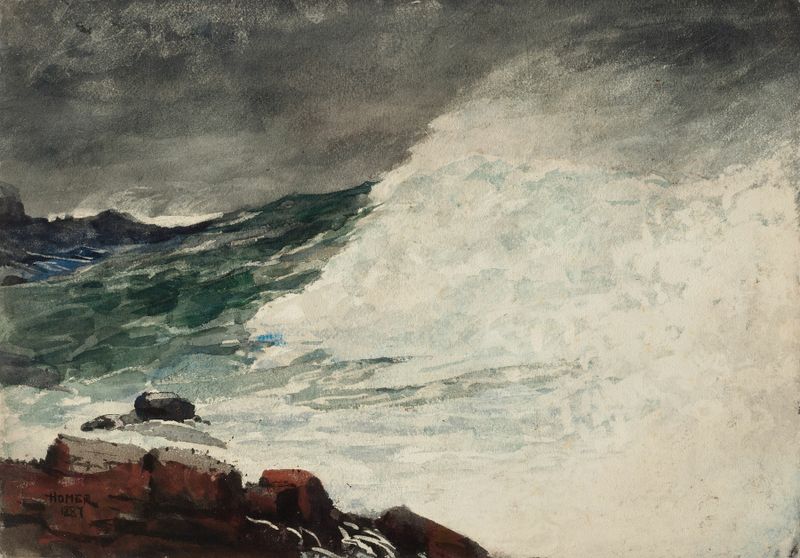
Prout’s Neck, Breaking Wave
Winslow Homer
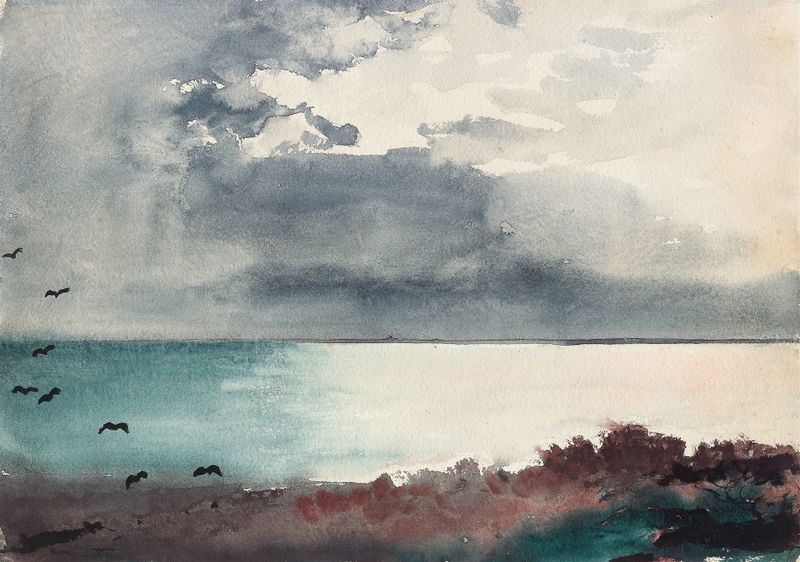
Breaking Storm, Coast of Maine
Winslow Homer
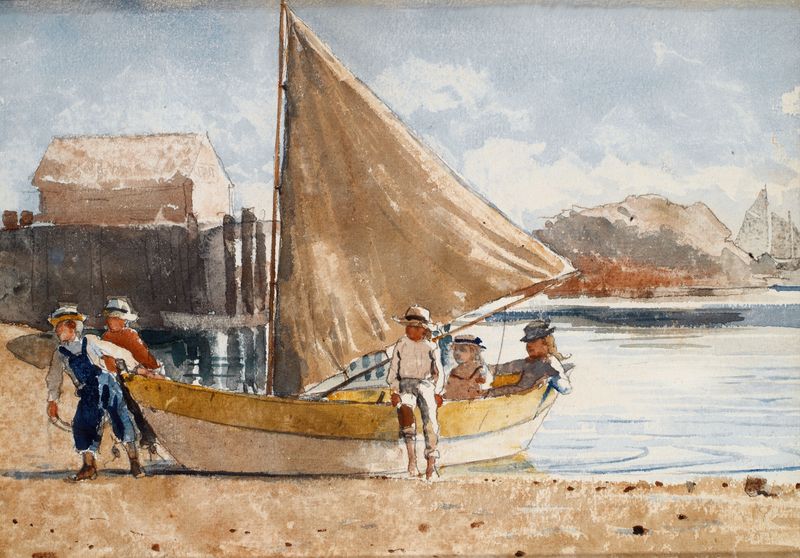
Summertime
Winslow Homer
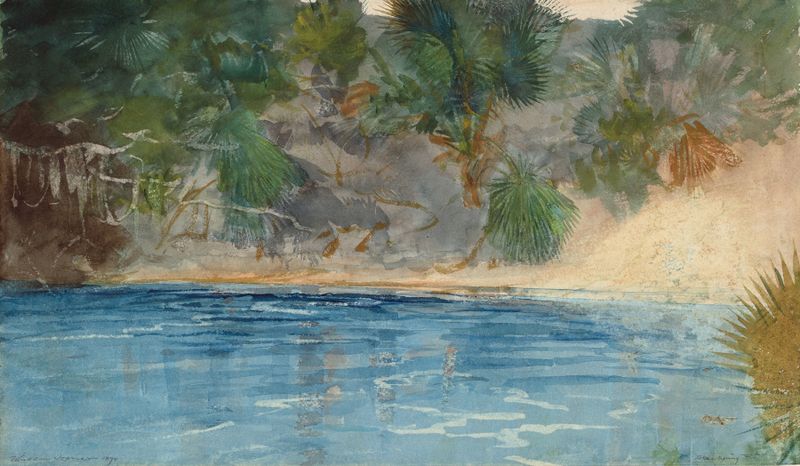
Blue Spring, Florida
Winslow Homer
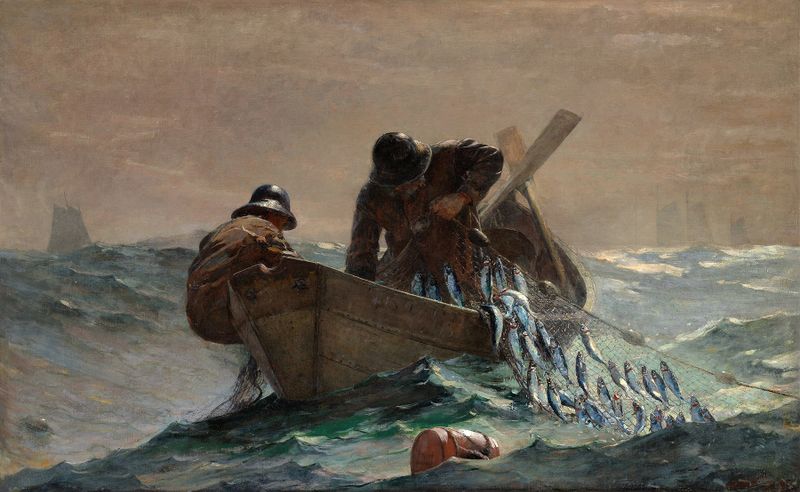
The Herring Net
Winslow Homer
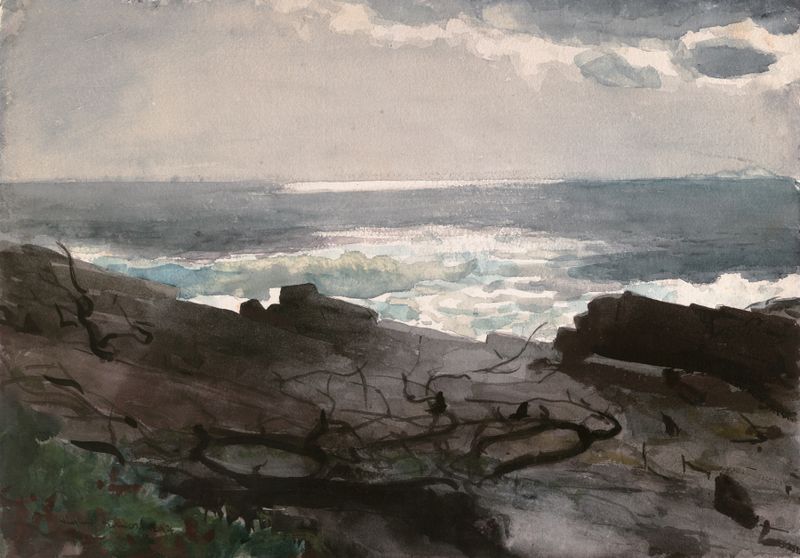
Sunshine and Shadow, Prout’s Neck
Winslow Homer
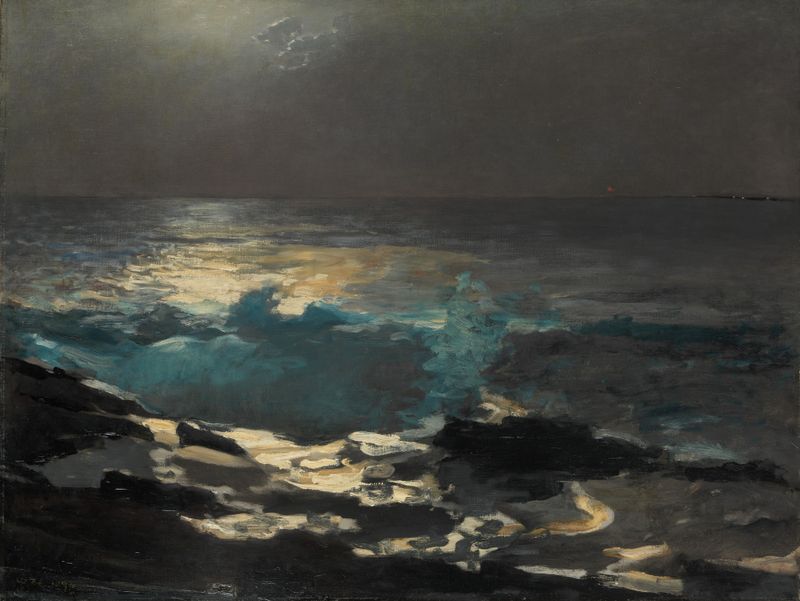
Moonlight, Wood Island Light
Winslow Homer
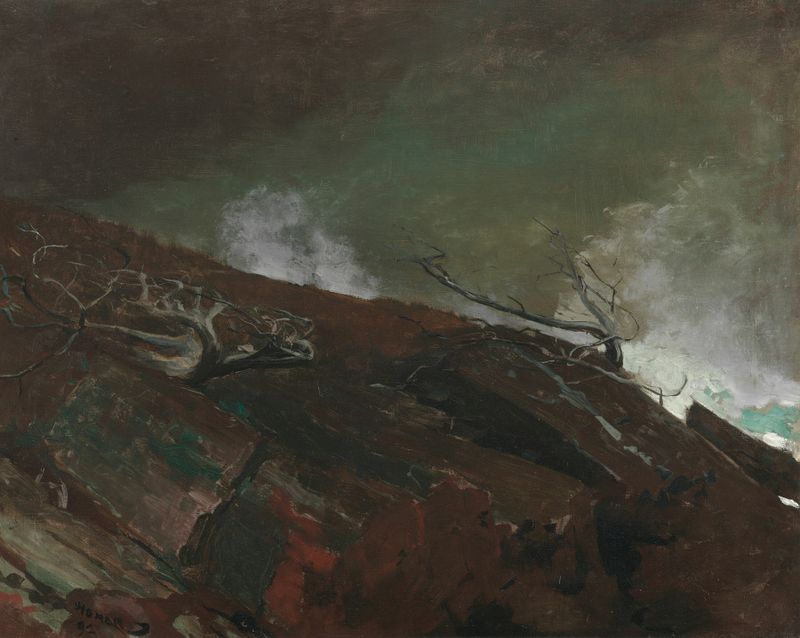
Coast of Maine
Winslow Homer
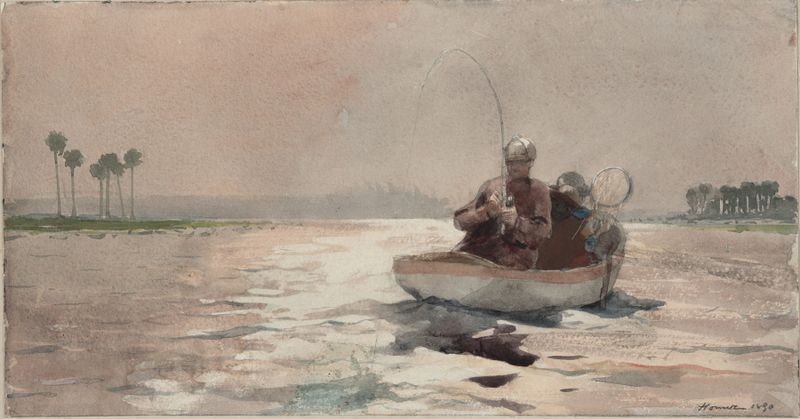
Bass Fishing – Florida
Winslow Homer





