
Venice — História e Análise
This simple truth resonates deeply in the heart of all artistic expression, compelling us to delve beyond the surface and discover the essence that lies beneath. Look to the left at the fluid strokes of blue, where the serene canal reflects the warm hues of a setting sun. Notice how the contrasting colors dance vibrantly, capturing the viewer’s attention while invoking a sense of tranquility. The composition's delicate balance between light and shadow paints Venice not just as a place, but as a mood — one of nostalgia and fleeting beauty, beckoning us to linger just a moment longer. In the gentle ripples of the water, we find a metaphor for impermanence, each wave whispering the transient nature of life.
The soft, golden light indicates the waning day, prompting contemplation on time and memory. As boats drift quietly, they symbolize the journey of existence, navigating through both calm and turbulent waters, and inviting us to reflect on our own paths. Painted in 1903 during a period of immense transition for both the artist and the art world, this work captures Moran's fascination with the interplay of light and landscape. At this time, he was deeply influenced by the plein air movement and the advent of Impressionism, which sought truth and beauty in nature.
In this vibrant portrayal of Venice, he immortalizes a city that has long captivated artists, while simultaneously exploring the emotional depths of human experience.
Mais obras de Thomas Moran
Ver tudo →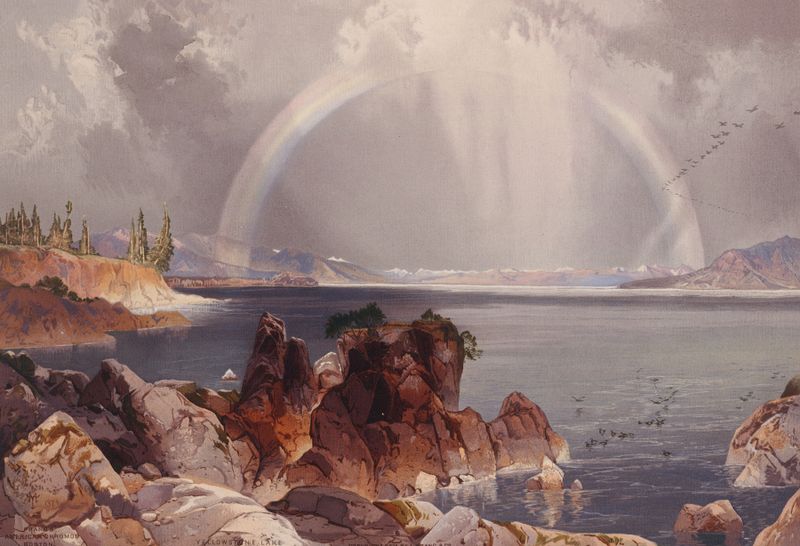
Yellowstone Lake
Thomas Moran

Grand Canyon of the Colorado River
Thomas Moran

Grand Canyon, Colorado River
Thomas Moran

The Towers of Tower Falls, Yellowstone
Thomas Moran
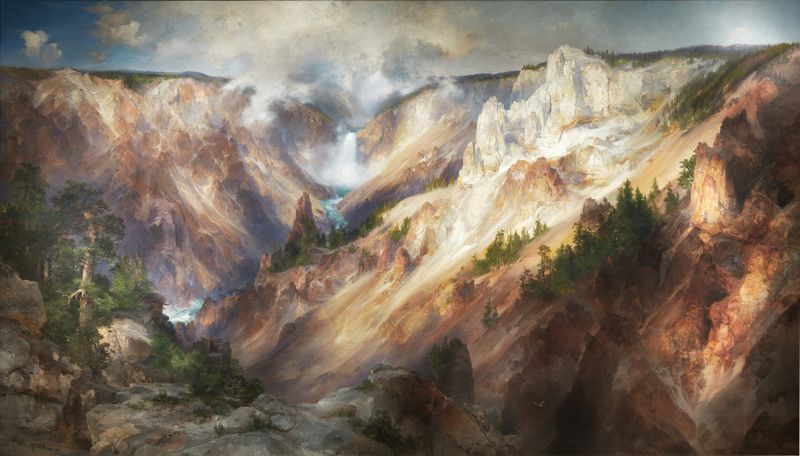
The Grand Canyon Of The Yellowstone
Thomas Moran

Mountain of the Holy Cross
Thomas Moran

Cliffs Of The Upper Colorado River, Wyoming Territory
Thomas Moran
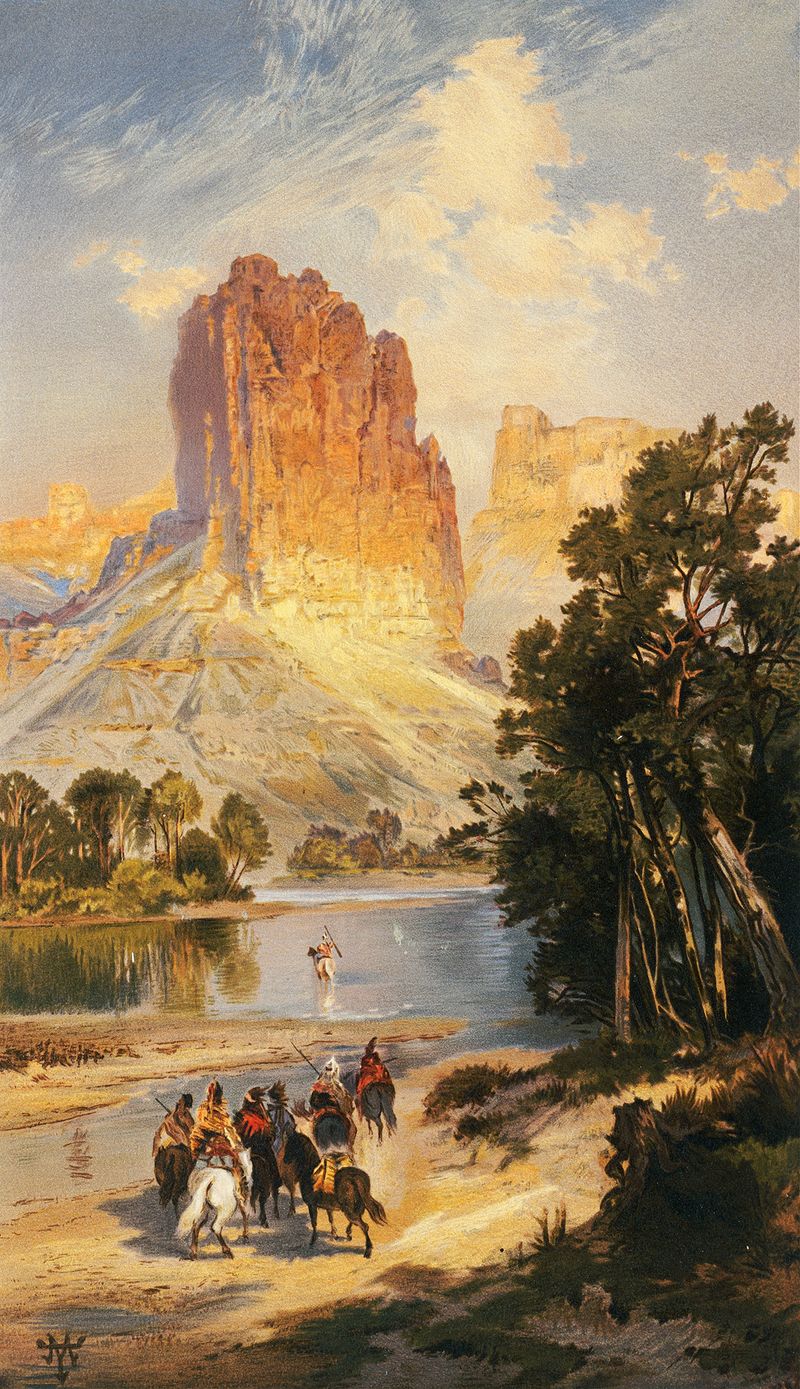
Cliffs of the Upper Colorado River, Wyoming Territory
Thomas Moran

Mammoth Hot Springs, Yellowstone
Thomas Moran
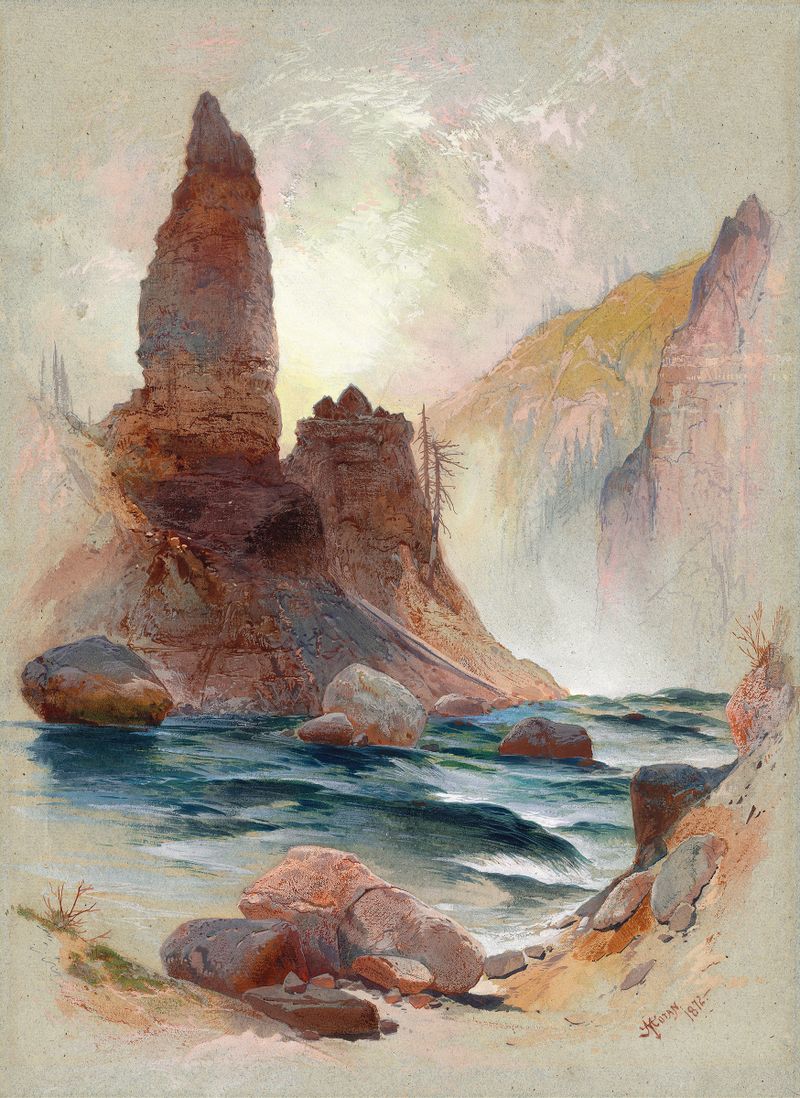
Tower at Tower Falls, Yellowstone
Thomas Moran





