
Venise, La Giudecca Au Crépuscule — História e Análise
It is a reminder that violence, whether tumultuous or soothing, can transform landscapes into narratives that echo the human experience. Such is the essence captured in the delicate hues of twilight. Look to the horizon, where the sun dips beneath the water, awash in a tapestry of oranges and blues. Notice how the soft light caresses the facades of Venetian buildings, each stroke revealing a story hidden in their weathered surfaces.
The turbulence of the paint speaks to the restless waters, reflecting an unsettling beauty that suggests both peace and impending storm. As your gaze wanders, take in the contrast between the tranquility of the setting sun and the churning tide below, foreshadowing the chaos of life in a place often romanticized. Delve deeper into the work and discover the emotional undercurrents that pulse beneath its serene exterior. The juxtaposition of light and shadow evokes a sense of unease, as if the very essence of Venice is on the brink of transformation.
Hidden within the vibrant palette is a reminder of fragility; even the most picturesque scenes can conceal the violent dance of nature’s forces—an eternal struggle between serenity and disruption, life and decay. Ziem painted this work between 1860 and 1890, a time when the allure of Venice captivated many artists and travelers. Living in Paris and deeply influenced by the Impressionists, he sought to capture the city's fleeting beauty amidst a rapidly changing world. This period marked a shift in artistic expression, paralleling the rise of industrialization, which often led to the chaos that would forever alter the landscapes of Europe.
Mais obras de Félix Ziem
Ver tudo →
Venise
Félix Ziem
Coucher De Soleil À Venise
Félix Ziem
Constantinople
Félix Ziem
La place Saint-Marc, inondation de 1863
Félix Ziem
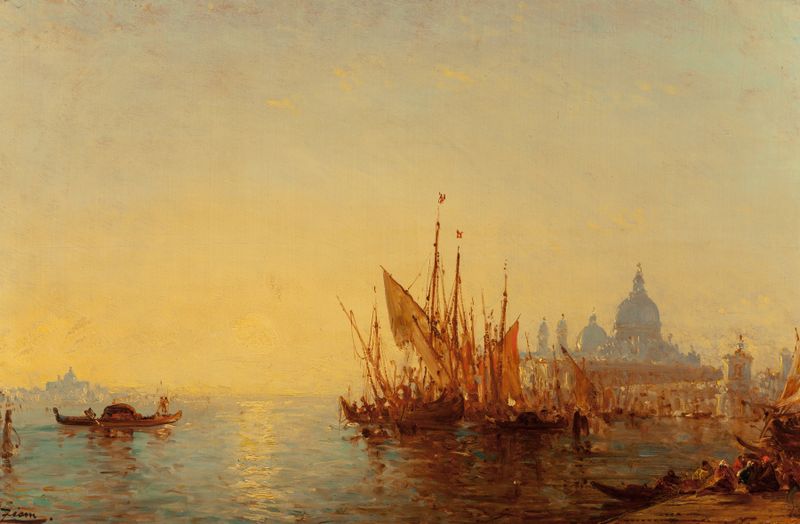
Bacino di San Marco
Félix Ziem
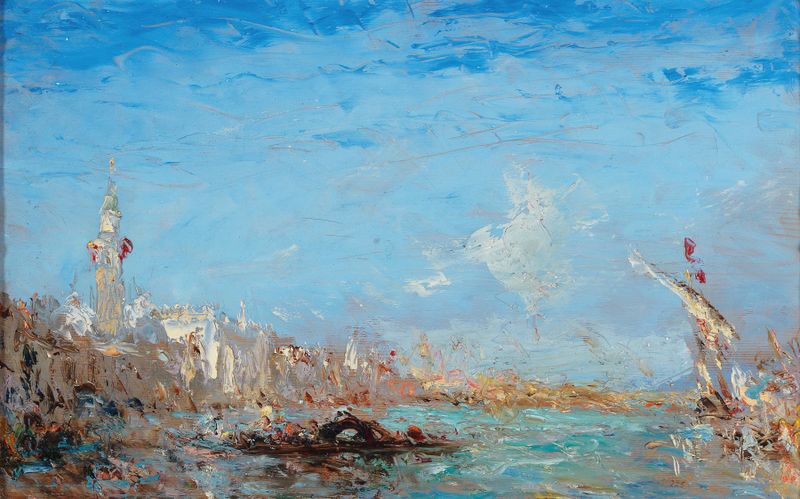
Canal Grande
Félix Ziem
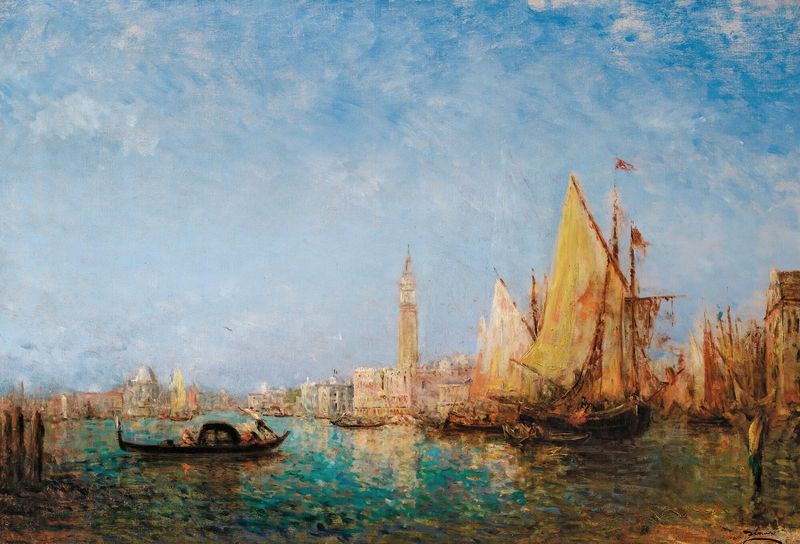
Le Palais Du Doge, Venise
Félix Ziem
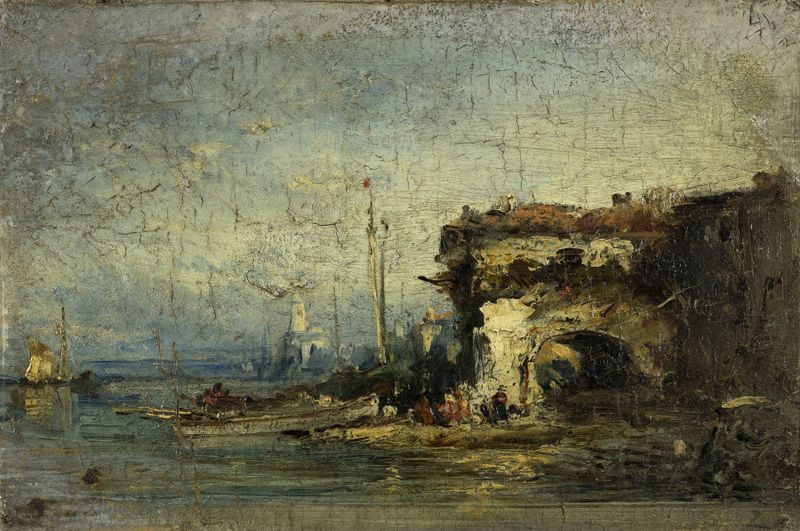
Vue d’Italie; la vieille porte
Félix Ziem
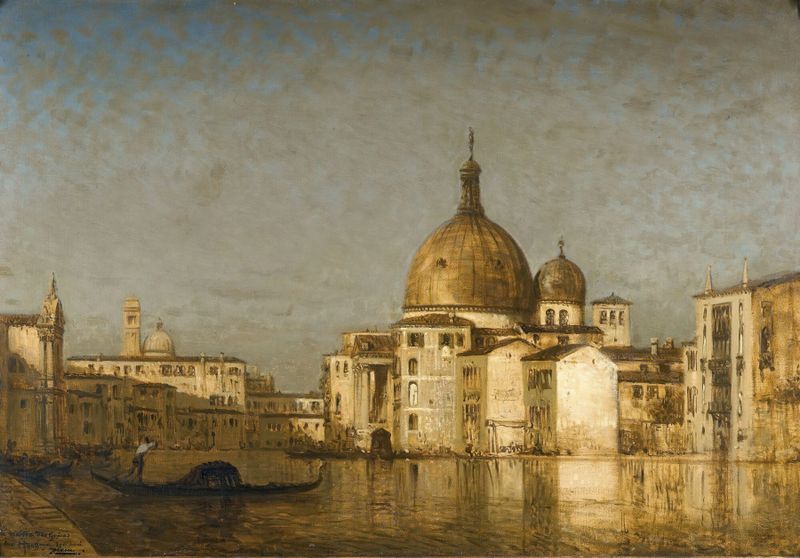
San Simeone Piccolo Au-Delà Du Grand Canal, Venis
Félix Ziem
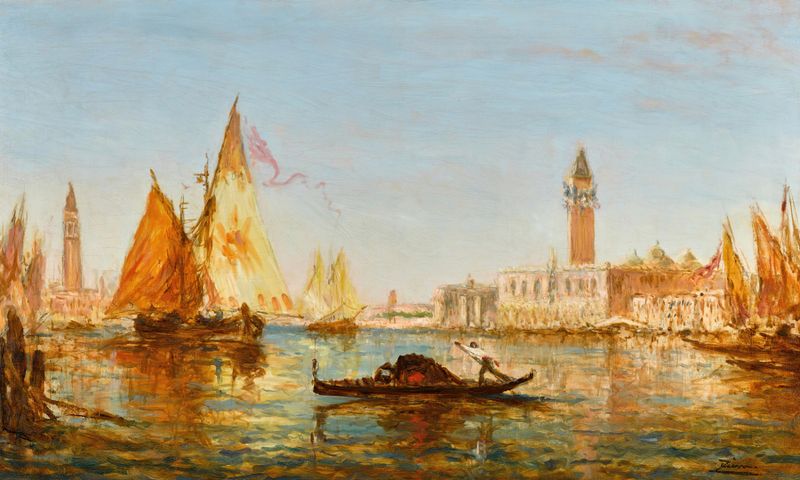
Venise, gondole et voiliers devant le Palais des doges et San Giorgio Maggiore
Félix Ziem





