
Venise, Trabaccolo À La Voile Jaune — História e Análise
In Venise, Trabaccolo À La Voile Jaune, the viewer is invited to witness a moment where water and sky blend, revealing the delicate dance of light and reflection that transforms Venice into a dreamscape. Look closely at the bottom of the painting, where the water mirrors the rich hues of the sky. Notice how the yellow sail of the trabaccolo stands out against the cool blues and greens, creating a vibrant focal point. The brushwork is fluid yet deliberate, with soft strokes capturing the ripples of the water and the luminescent sky.
Each wave seems to pulse with life, and the reflections ripple outward, harmonizing the composition and drawing the eye towards the horizon. Beneath the surface, the contrast between the vibrant yellow of the sail and the tranquil tones of the aquatic scene hints at the duality of existence—both vibrant and serene. The interplay of light and shadow demands attention, suggesting a fleeting moment caught in time, where the essence of Venice is distilled into color and form. This painting speaks to the ever-changing nature of the city, a constant cycle of reflection, movement, and stillness. Félix Ziem created this piece between 1870 and 1890, during a period of significant transformation in both his life and the art world.
Living and working in Paris, he found inspiration in the picturesque landscapes of Venice, which was already celebrated in European art. This era saw the rise of Impressionism, yet Ziem maintained a distinctive style that bridged traditional techniques with the burgeoning avant-garde, capturing the ethereal beauty of the Venetian waterways.
Mais obras de Félix Ziem
Ver tudo →
Venise
Félix Ziem
Coucher De Soleil À Venise
Félix Ziem
Constantinople
Félix Ziem
La place Saint-Marc, inondation de 1863
Félix Ziem
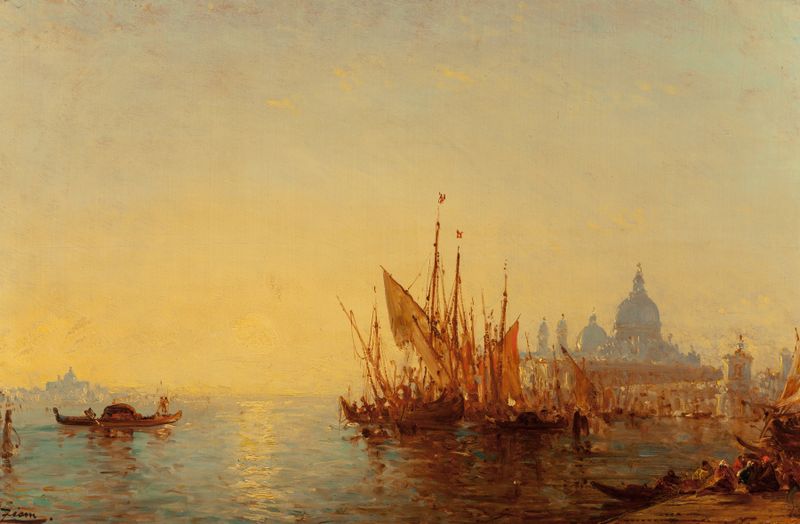
Bacino di San Marco
Félix Ziem
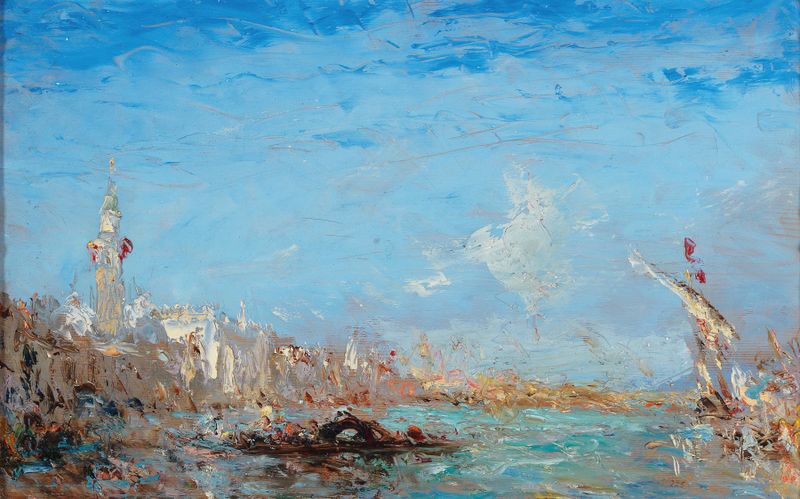
Canal Grande
Félix Ziem
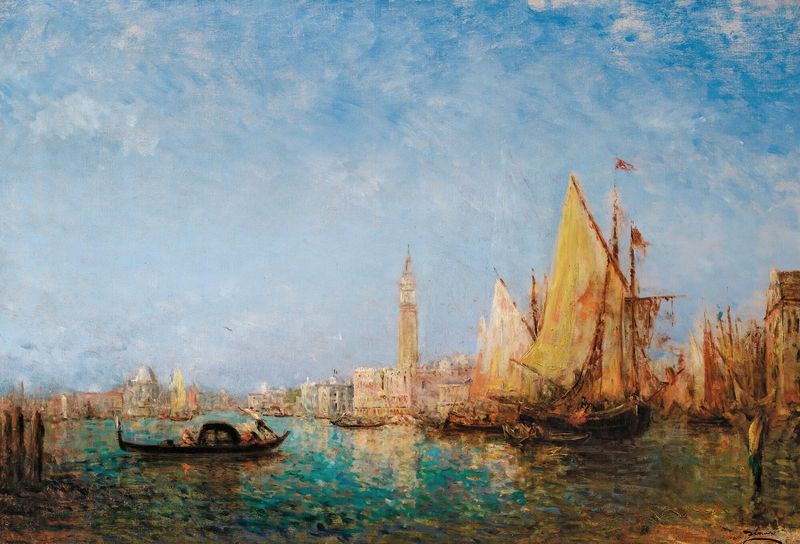
Le Palais Du Doge, Venise
Félix Ziem
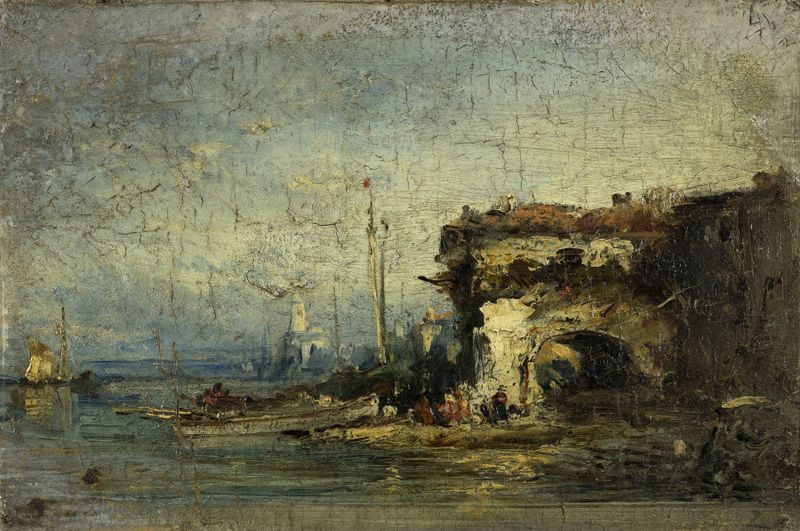
Vue d’Italie; la vieille porte
Félix Ziem
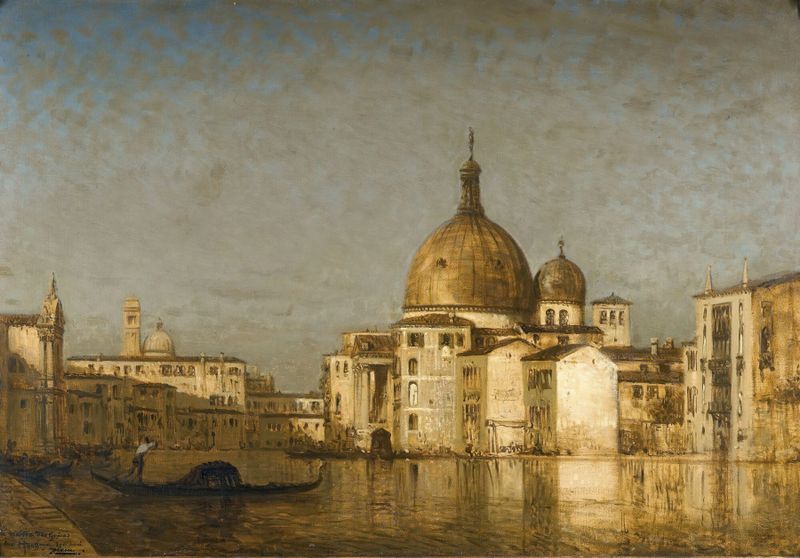
San Simeone Piccolo Au-Delà Du Grand Canal, Venis
Félix Ziem
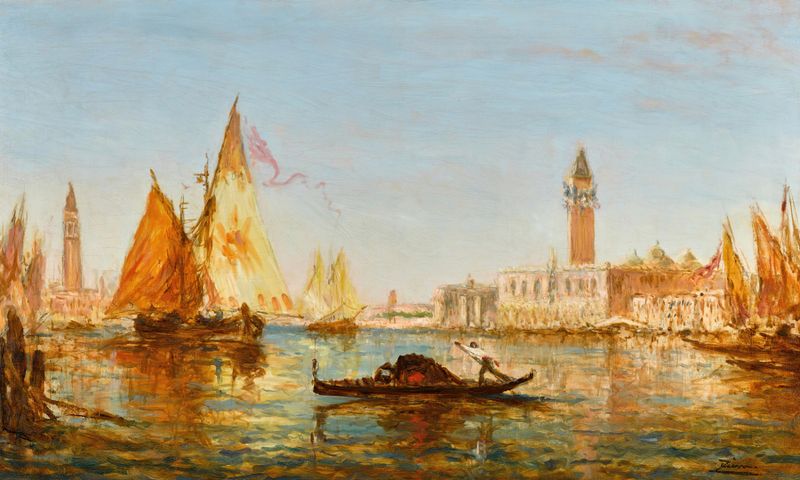
Venise, gondole et voiliers devant le Palais des doges et San Giorgio Maggiore
Félix Ziem





