
Verschneiter Waldweg — História e Análise
What secret hides in the quiet of the canvas? In Verschneiter Waldweg, a winter path invites the viewer into a world where hope lingers beneath the weight of snow. Look to the center of the painting, where a winding trail beckons, framed by towering trees blanketed in white. Notice how the cool blues and whites contrast with the warm earth tones peeking through at the edges, creating a delicate balance between the chill of winter and the promise of life below. The soft brushstrokes evoke a sense of movement, as if the scene breathes with each passing moment, drawing you deeper into its stillness. Yet, it is in the subtle details where true significance lies.
The light filtering through the branches hints at the sun’s reluctant return, suggesting renewal amid the starkness of winter. Each snow-laden branch seems to cradle memories of warmth, whispering of resilience and rebirth. This duality of harshness and hope invites contemplation, urging us to reflect on our own journeys through darkness towards brighter days. Max Slevogt created this evocative work in 1917, during a time when Europe was ensnared in the turmoil of World War I.
Living in Germany, the artist was grappling with personal and societal upheaval, yet sought solace in the landscapes around him. This painting captures not just a winter’s day, but a moment of introspection, embodying the yearning for peace amidst chaos.
Mais obras de Max Slevogt
Ver tudo →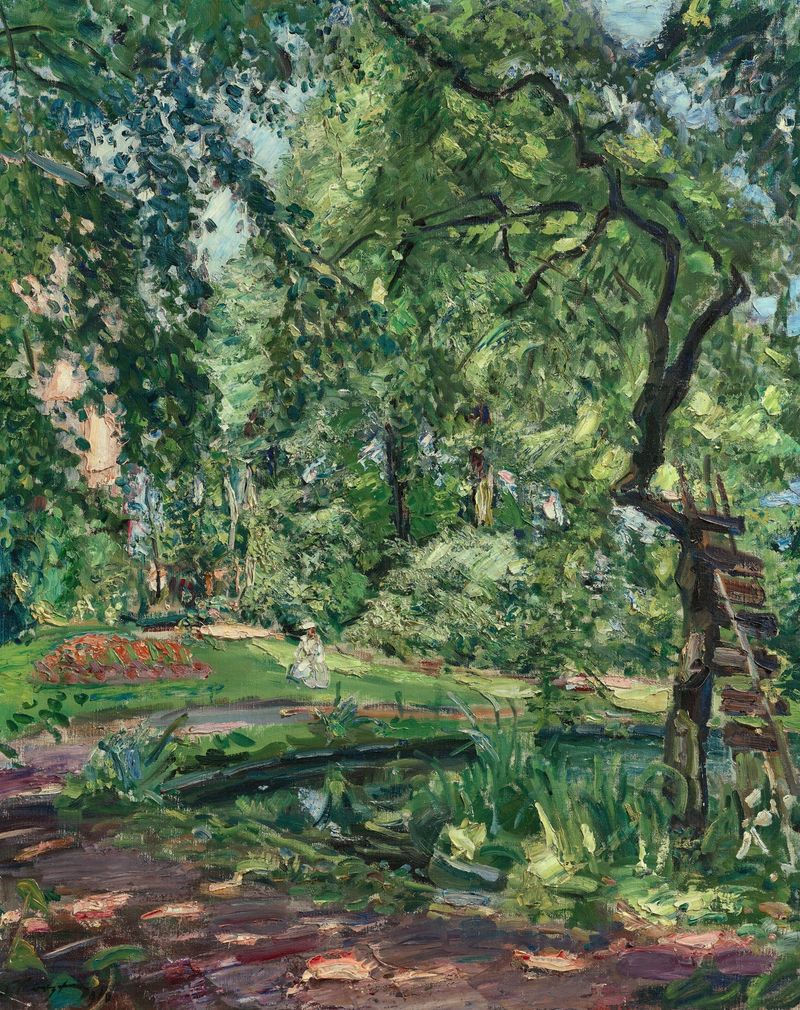
Garten in Godramstein mit verwachsenem Baum und Weiher
Max Slevogt
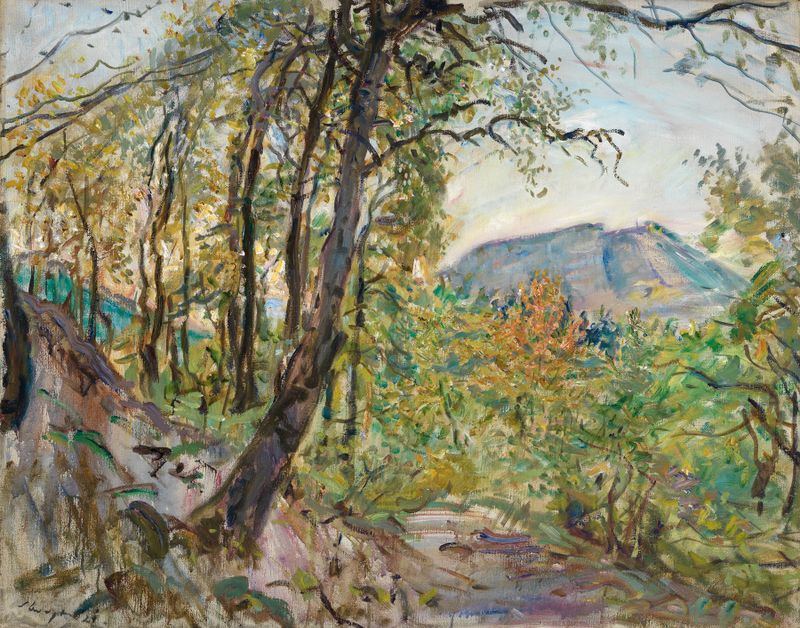
Pfälzische Landschaft
Max Slevogt
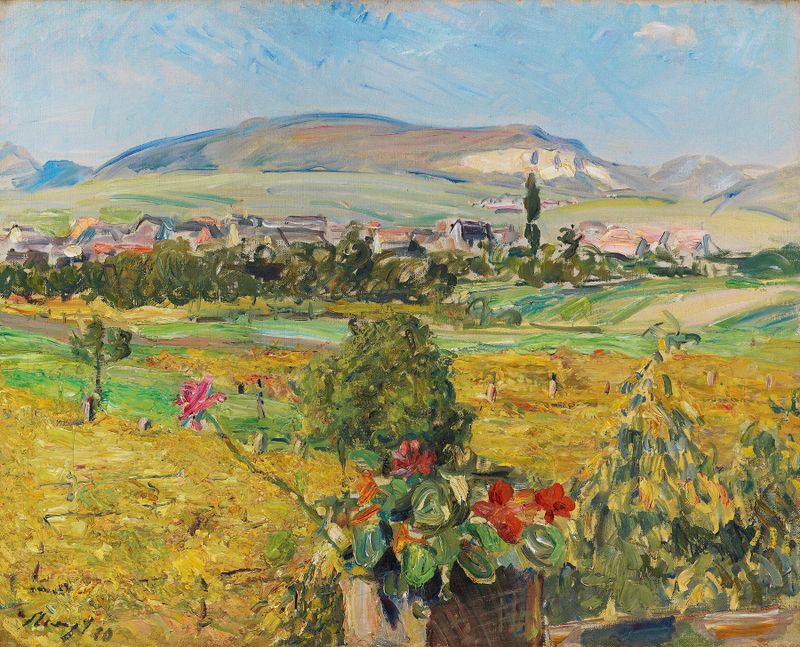
Pfälzer Landschaft
Max Slevogt

Kinder am Weiher (Garten in Godramstein)
Max Slevogt
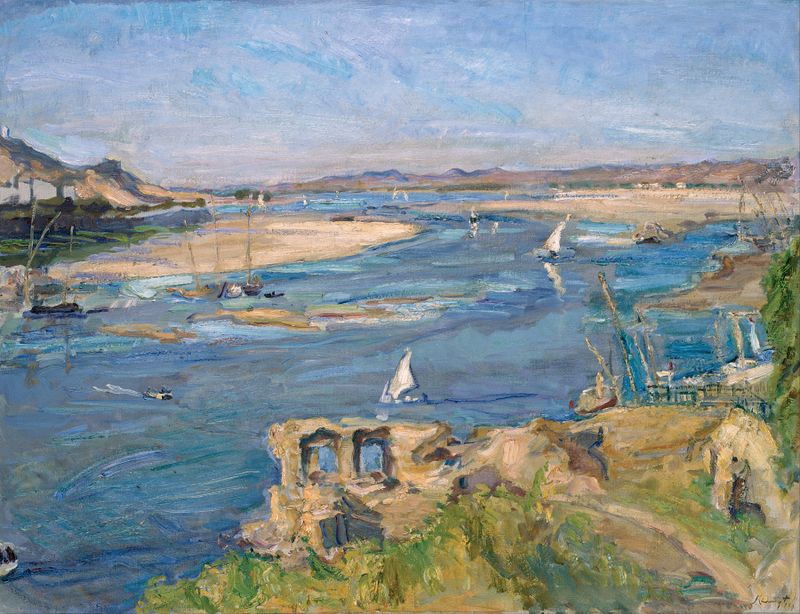
The Nile near Aswan
Max Slevogt
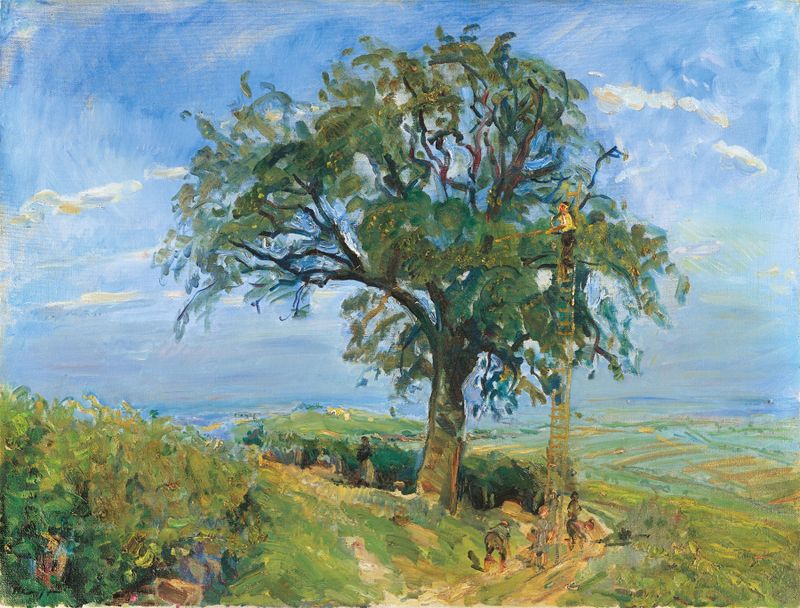
Fruit harvest in the Palatinate (The pear tree)
Max Slevogt
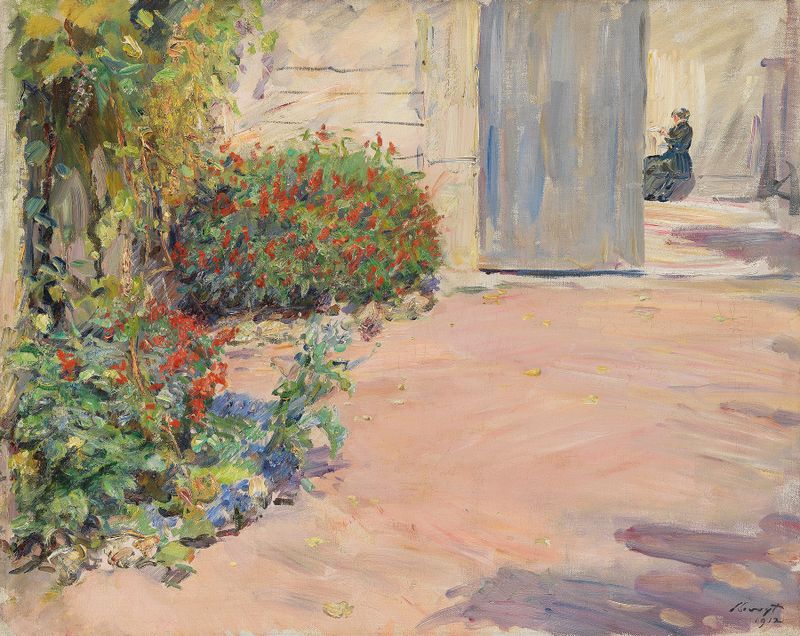
Gartenweg zum Sommerhaus (Godramstein)
Max Slevogt

Grape harvest at Neukastel
Max Slevogt
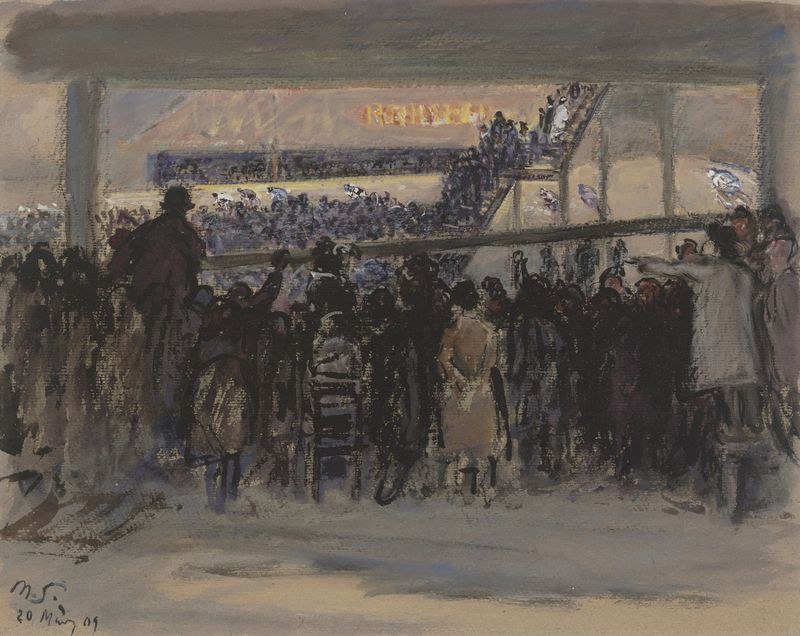
Berliner Sechstagerennen
Max Slevogt
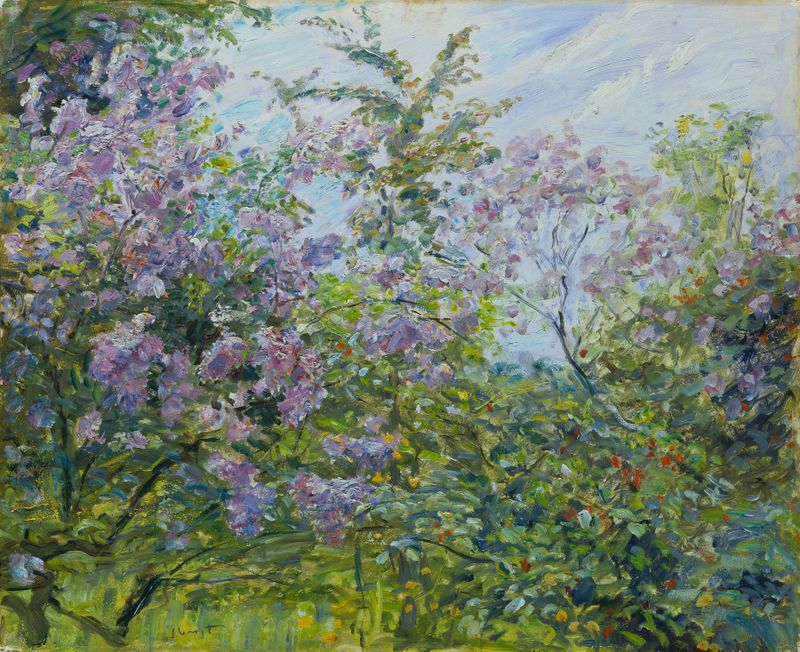
Blossoming Lilac
Max Slevogt





