View Across the Thames for Greenwich Park — História e Análise
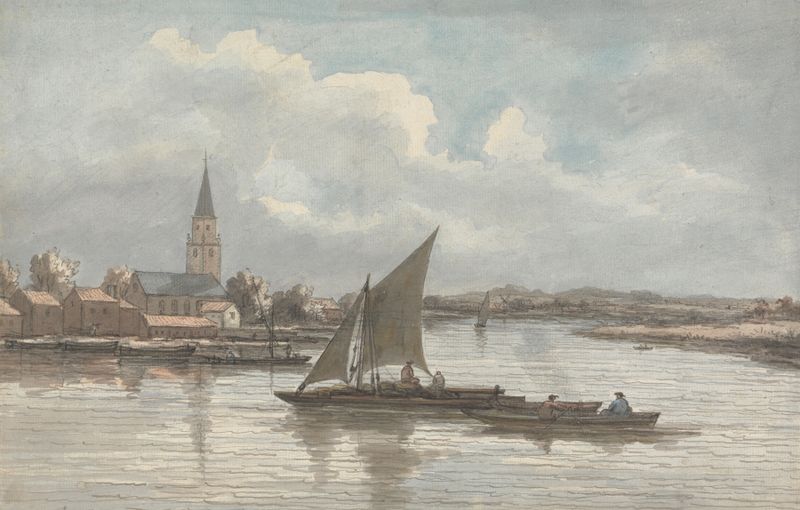
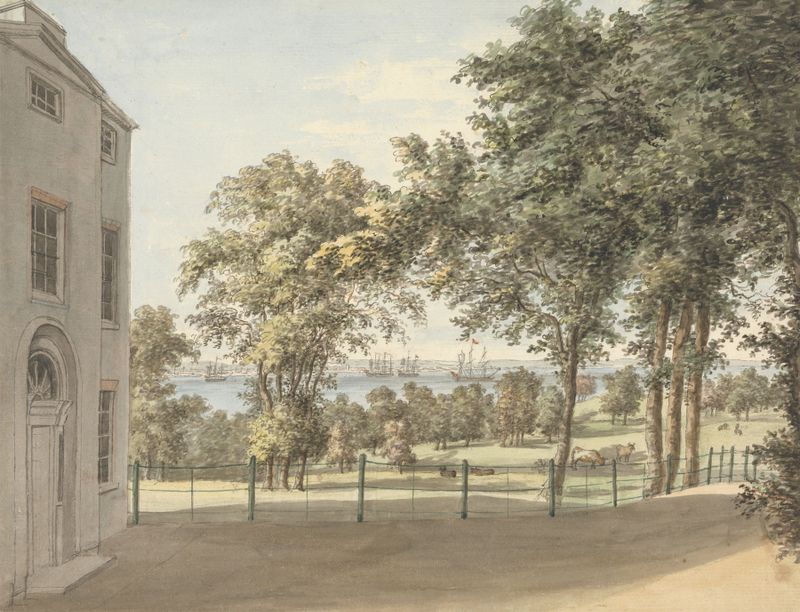
What if silence could speak through light? In View Across the Thames for Greenwich Park, a profound stillness envelops the landscape, inviting the viewer to experience the ecstasy of nature’s beauty as it unfolds in gentle hues. Look to the foreground at the ribbon of the Thames, where the water glimmers under the soft caress of the sun. The light dances playfully on the surface, creating a mirror of the heavens above, while trees frame the scene on either side, their verdant green contrasting with the soft blues and warm earth tones of the distant horizon. Sherlock's deft brushwork captures the tranquility of the moment, highlighting the interplay of light and shadow which invokes a sense of harmony and serenity. Beneath the calm surface lies a deeper narrative of contrast.
The idyllic scene belies the bustling city life just beyond the frame, a reminder of the world’s dualities—nature’s peace juxtaposed against urban chaos. The subtle shifts in color from vibrant greens to muted browns evoke a sense of nostalgia, as if the painting encapsulates a fleeting moment, forever suspended between ecstasy and longing. Each brushstroke tells a story of longing, a yearning for connection with both nature and the past. William P.
Sherlock painted this work in 1795 during a period of transition in British art, as Romanticism began to emerge, championing emotion and individualism. At the time, he was influenced by the picturesque movement and sought to capture the beauty of the natural landscape, which resonated deeply amid the industrial changes occurring in society. His focus on light and atmosphere marked a significant evolution in the portrayal of landscapes, laying the groundwork for future artistic explorations.