
View of Frankfurt with the Old Bridge from Sachsenhausen — História e Análise
Could beauty survive in a century of chaos? In 1858, Courbet crafted a scene that invites reflection on nature's resilience amid human turbulence. His work serves as a portal, revealing a moment of awakening where the natural world triumphs over industrial encroachment. Look to the right at the bustling Old Bridge, its stone archways framed by lush greenery, contrasting the urban sprawl that crawls into view. Your gaze travels across the river, where soft ripples mirror the gentle hues of the sky, a blend of warm oranges and cool blues, evoking a serene dawn.
The brushstrokes are alive, fluid yet deliberate, guiding our eyes to the textured foliage that breathes life into the scene. Yet, beneath the picturesque beauty lies an undercurrent of tension. The juxtaposition of nature and human architecture raises questions about permanence and decay. The bridge stands as a testament to human skill, but its solidity is overshadowed by the ephemeral quality of the surrounding landscape.
This duality reflects the struggle between progress and preservation, evoking a sense of urgency for harmony amidst advancing chaos. In 1858, Courbet painted this view while living in France, a time when the Realism movement was reshaping artistic expression. The artist sought to depict not just the beauty of the world, but its truths—grappling with the realities of society and the environment. As industrialization began to alter landscapes, his work became a poignant statement on the importance of acknowledging what is at risk of being lost.
Mais obras de Gustave Courbet
Ver tudo →
Marine
Gustave Courbet
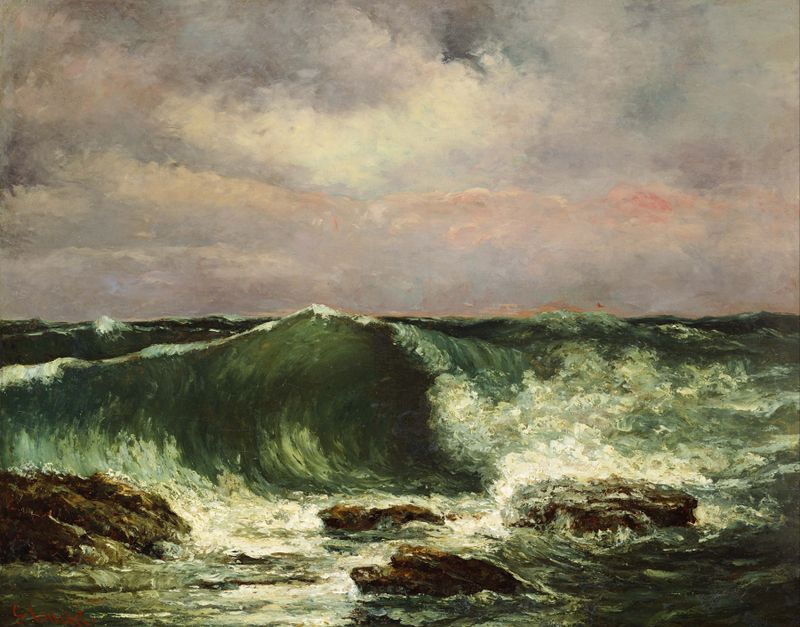
Waves
Gustave Courbet

Étretat; Les Falaises
Gustave Courbet
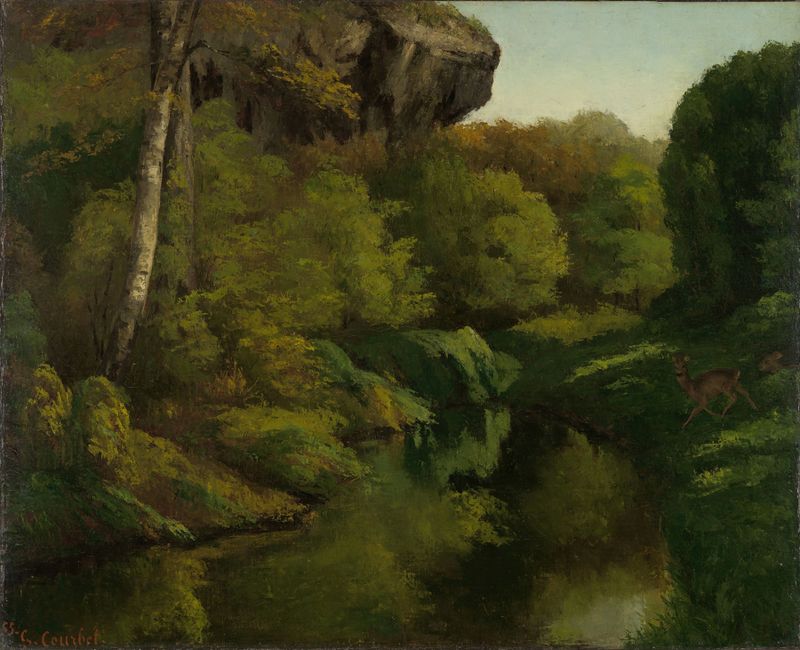
View in the Forest of Fontainebleau
Gustave Courbet
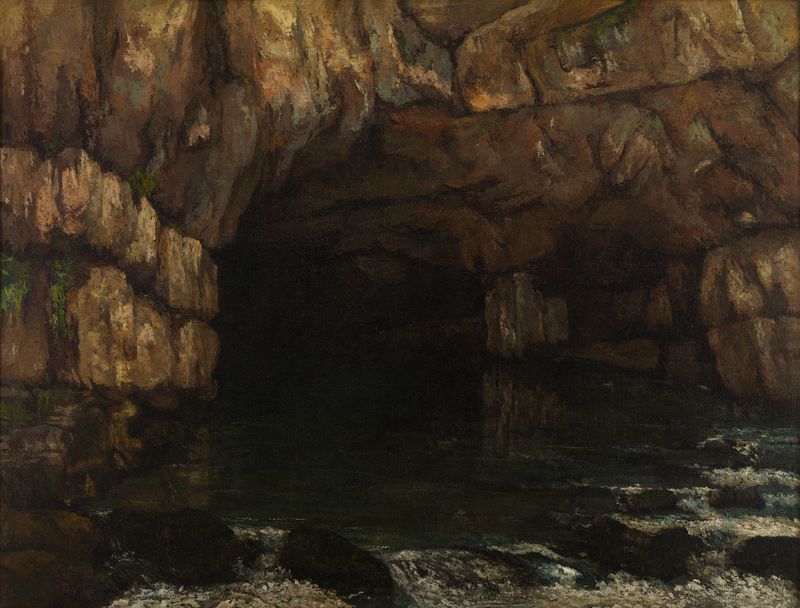
La source de la Loue (The Source of the Loue)
Gustave Courbet

Low Tide at Trouville
Gustave Courbet
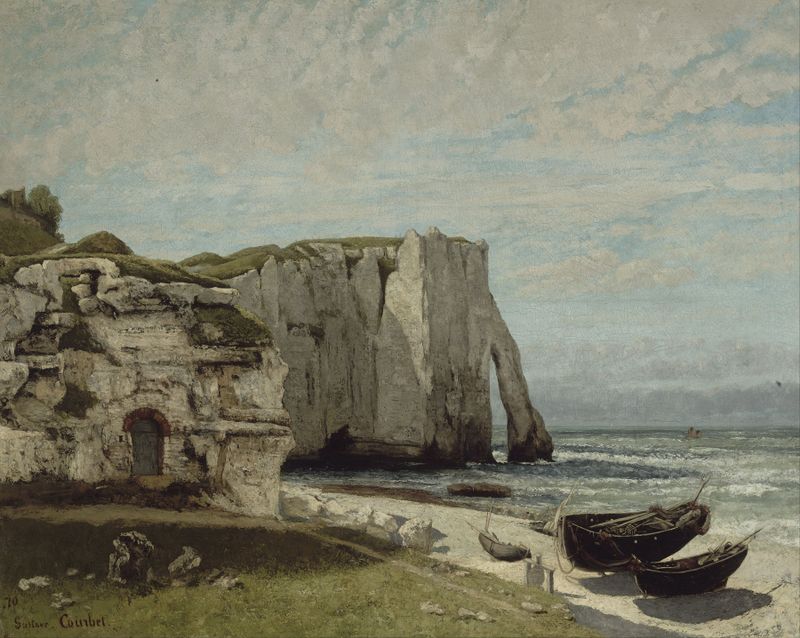
The Etretat Cliffs after the Storm
Gustave Courbet
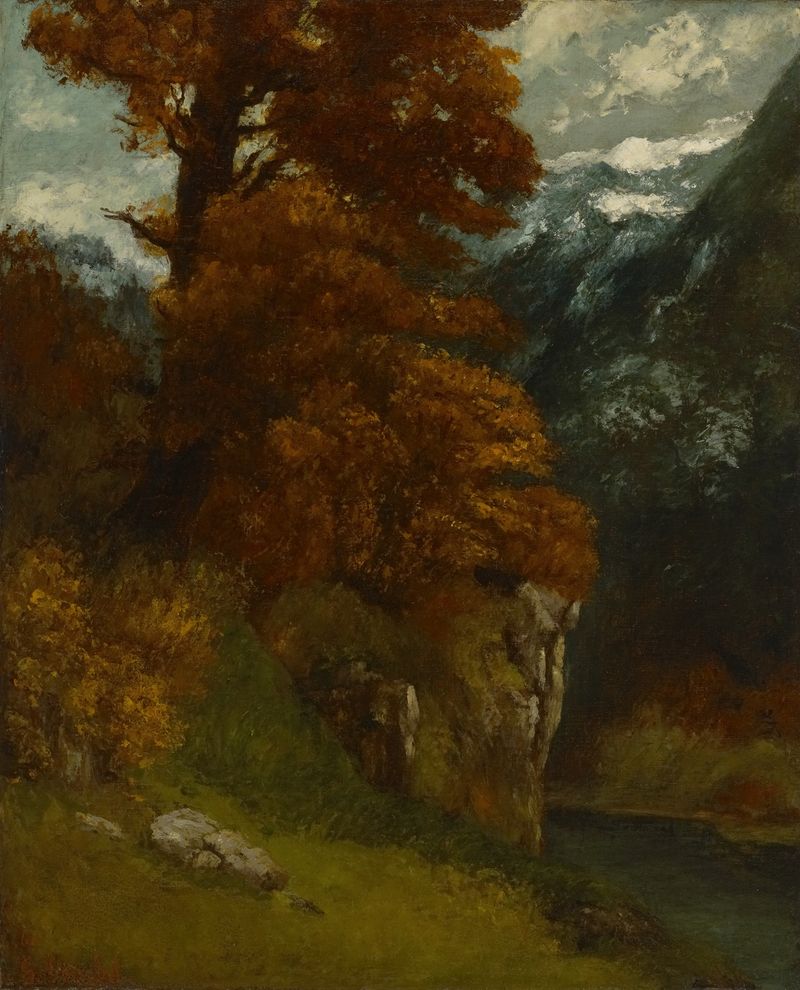
The Glen at Ornans (Bords du Doubs; Effet d’Automne)
Gustave Courbet
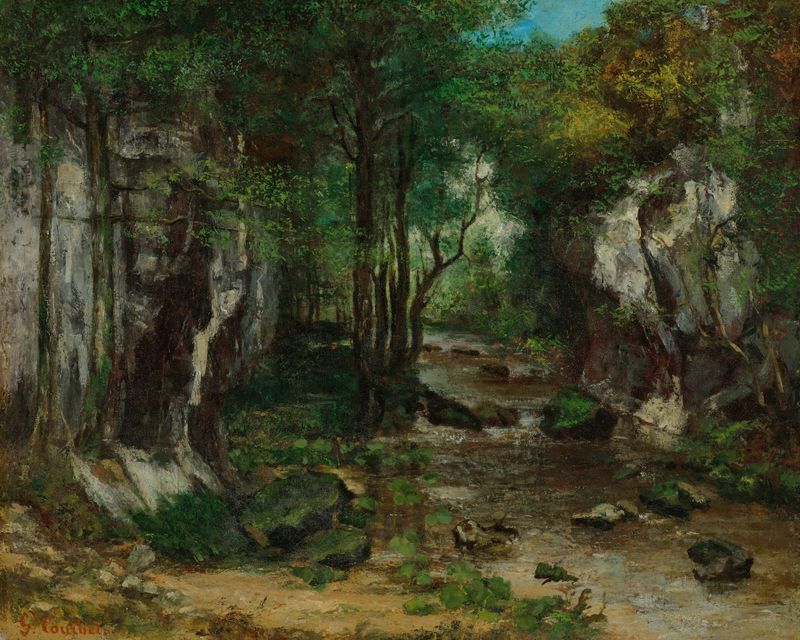
Le Ruisseau de Puits Noir
Gustave Courbet
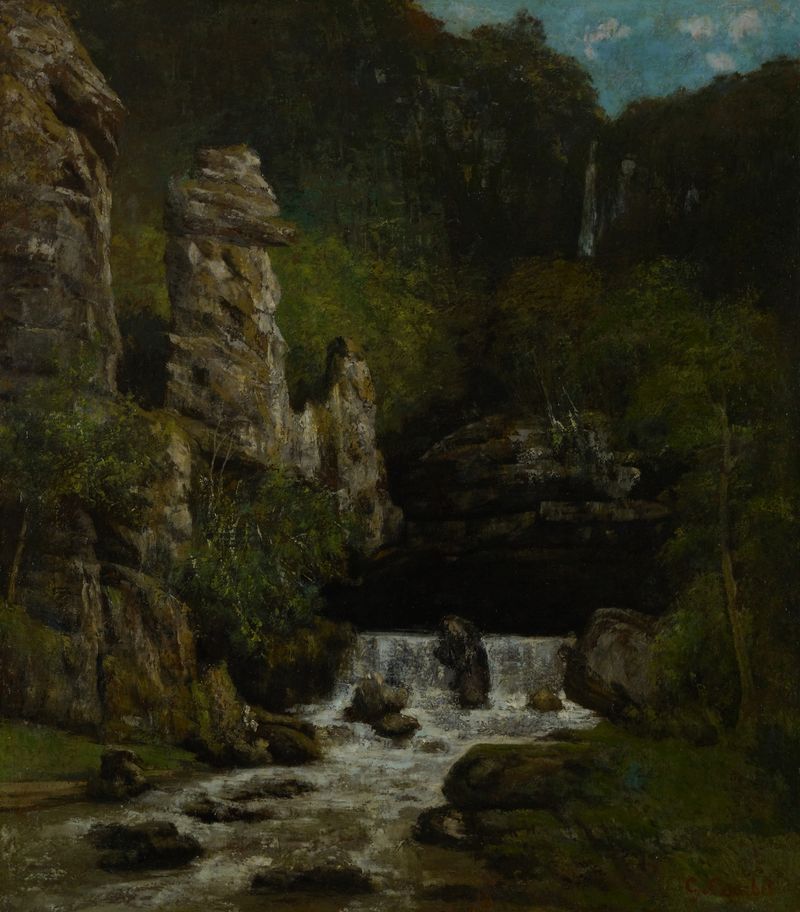
Landscape with a Waterfall
Gustave Courbet





