
Village Church seen from the Dunes — História e Análise
In the intricate strokes of Jan van Goyen’s Village Church seen from the Dunes, violence lurks beneath the tranquil surface, revealing the duality of existence within this serene landscape. Look to the left at the church steeple, standing resolutely against the expansive sky, a contrast to the soft, rolling dunes that cradle it. The muted palette of ochres and soft greens creates a sense of calm, while wisps of cloud swirl above, hinting at an impending storm. Notice how the light delicately dances across the dunes, illuminating the gentle contours and casting shadows that elongate and fracture, creating a sense of tension beneath the serene facade. As you delve deeper into the composition, consider the juxtaposition of the church's stability with the shifting sands.
The stillness of the structure embodies faith and permanence, while the dunes evoke the relentless passage of time and decay. This interplay suggests an underlying narrative of conflict between man’s aspirations for salvation and nature’s inevitable power to erode those dreams, embodying the violence of existence masked by idyllic beauty. In 1646, van Goyen painted this work during a time of personal struggle, navigating the complexities of his artistic career in a world shaped by religious strife and societal change. Living in the Netherlands, he faced the fluctuating fortunes of the art market while capturing the essence of daily life against a backdrop of evolving landscapes, where the peaceful coexistence of nature and human endeavor could feel precariously balanced.
Mais obras de Jan van Goyen
Ver tudo →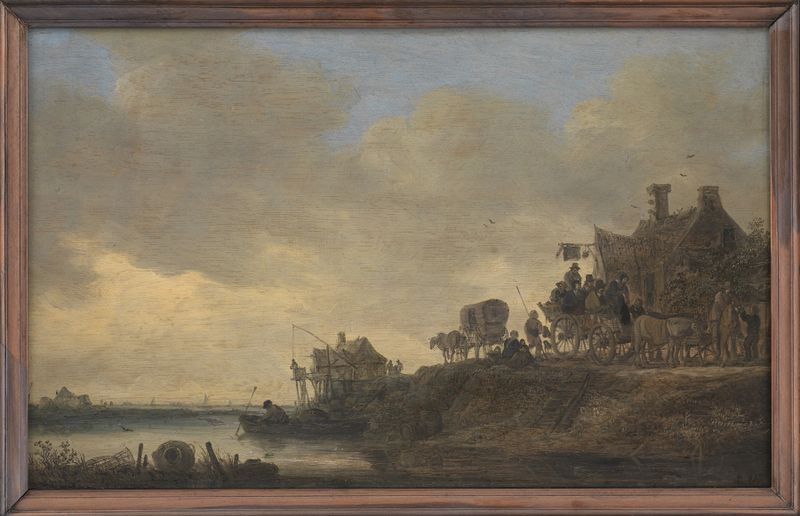
River Scene with the ‘Swan’ Tavern
Jan van Goyen

The Valkhof in Nijmegen
Jan van Goyen
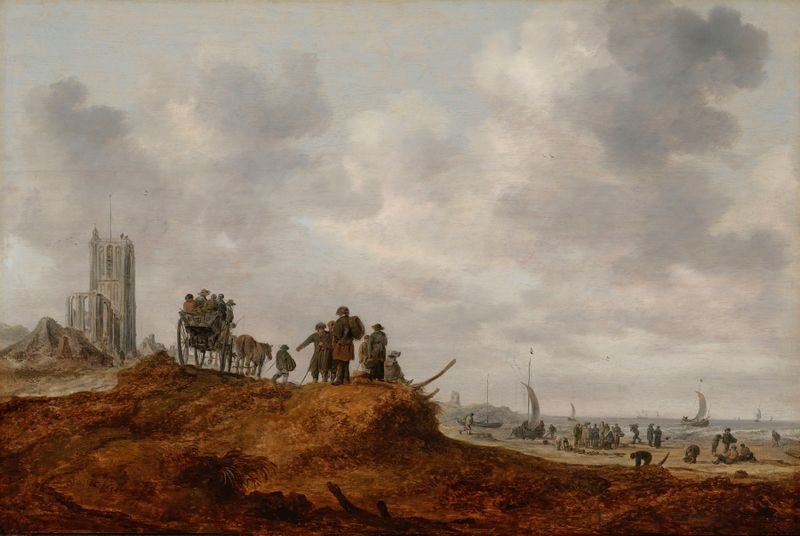
The Old Church at Egmond aan Zee
Jan van Goyen
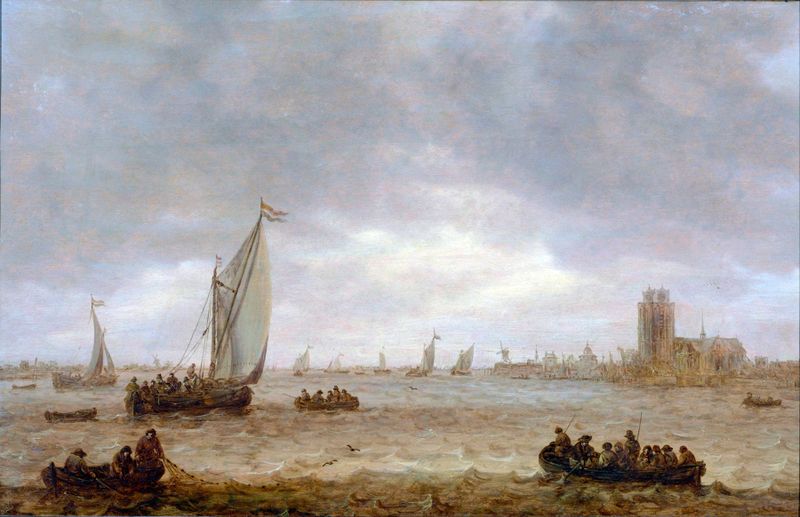
Mouth of the Meuse
Jan van Goyen

River Landscape with the Pellecussen Gate near Utrecht
Jan van Goyen
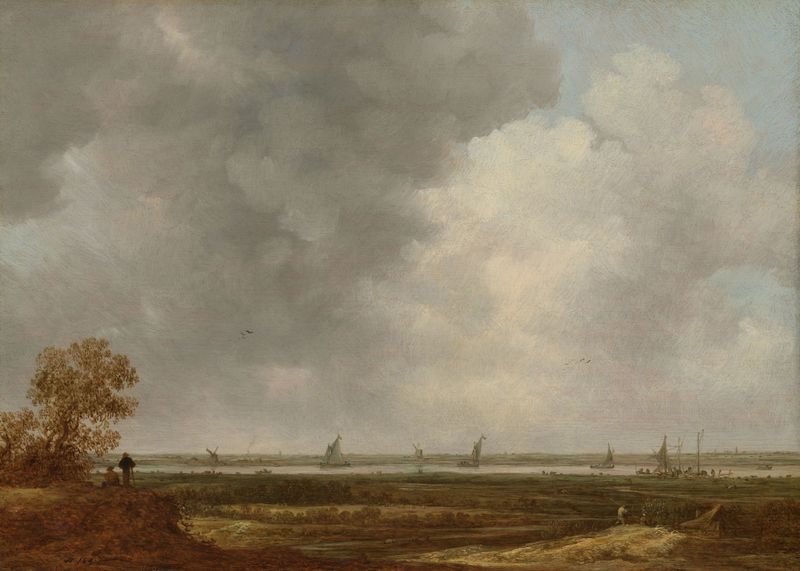
Panoramic View of a River with Low-lying Meadows
Jan van Goyen
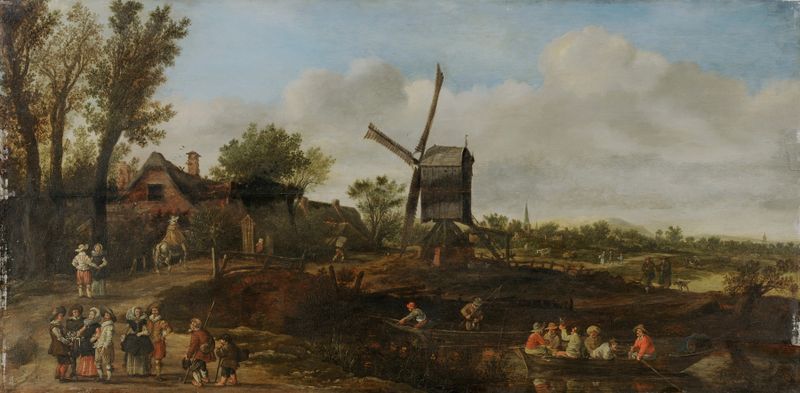
Dutch Landscape
Jan van Goyen
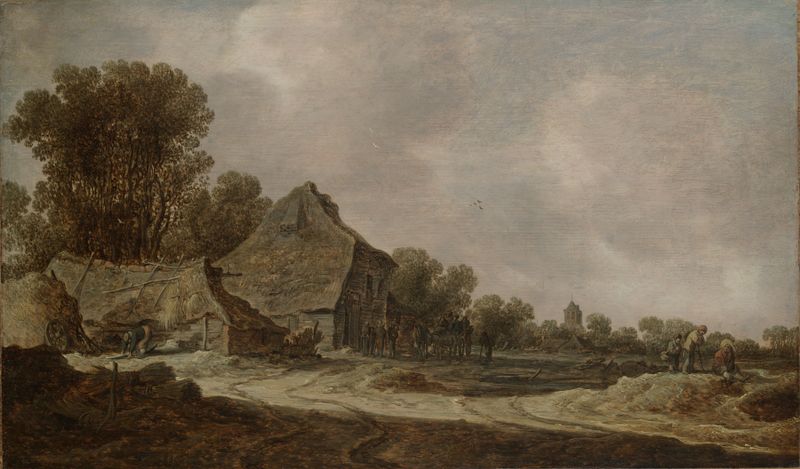
A Sandy Road with Thatched Cottages
Jan van Goyen
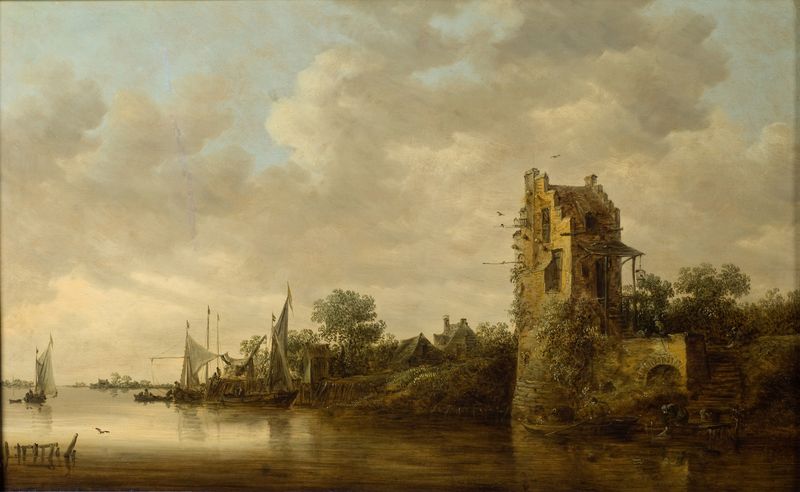
Riverside with an Old Tower
Jan van Goyen
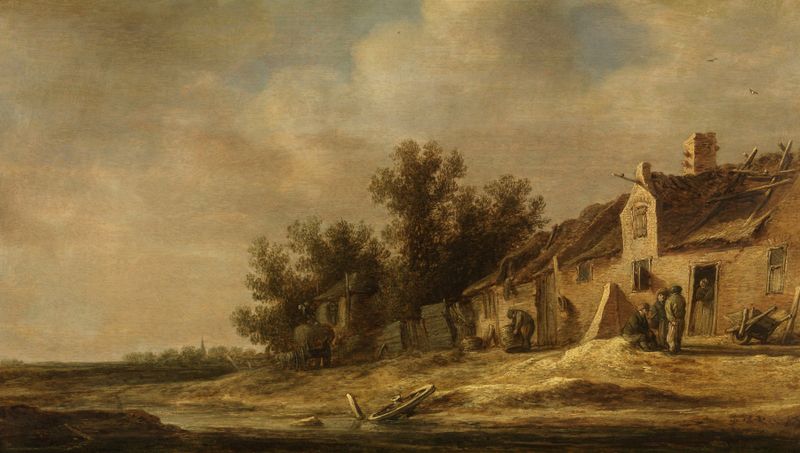
Landscape
Jan van Goyen





