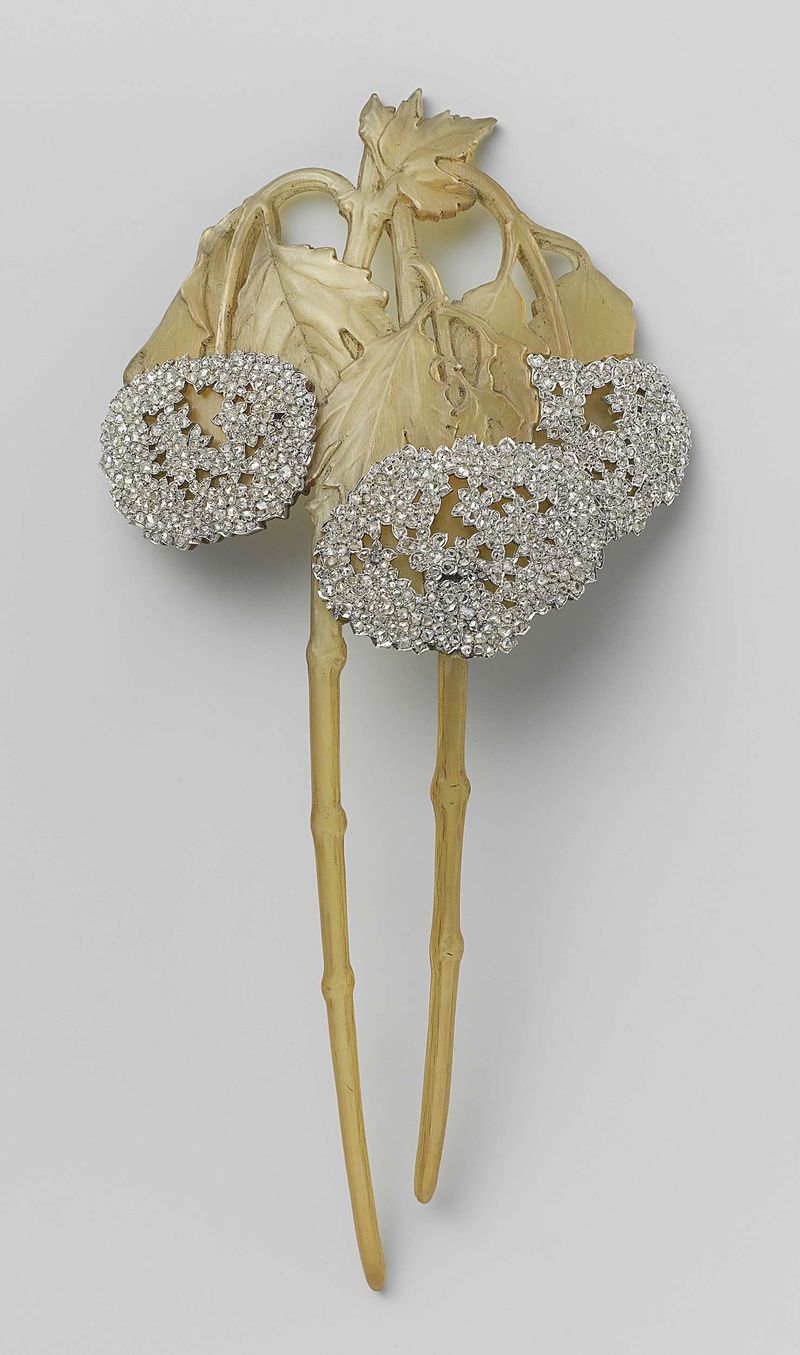
Watch with Palmette — História e Análise
When did color learn to lie? The vibrant hues that dance across the canvas whisper secrets, masking truths that lie just beneath their surface. Look to the center at the striking palmette motif, where intricate details intertwine with bursts of deep jewel tones. Notice how the delicate brushstrokes create a sense of movement, as if the design could unfurl into life at any moment. The contrasting shadows deepen the colors, provoking a tension that pulls the viewer closer, inviting them to unravel the layers of meaning entwined within the piece. In the interplay of light and dark, emotional complexities arise.
The exuberance of the colors is offset by an underlying fear, a hesitance that suggests something is lurking beneath the surface. As one observes the carefully crafted details, a narrative of vulnerability emerges, as if the artwork is an invitation to confront one’s own shadows. Created between 1820 and 1840, this piece reflects a time of artistic experimentation and exploration. The artist, whose identity remains cloaked in mystery, was part of a wider movement that sought to challenge traditional forms and embrace more expressive techniques.
This period saw a burgeoning fascination with decorative art, and Watch with Palmette stands as a testament to the complexities that arise when beauty and fear intertwine.
Mais obras de Unknown Artist
Ver tudo →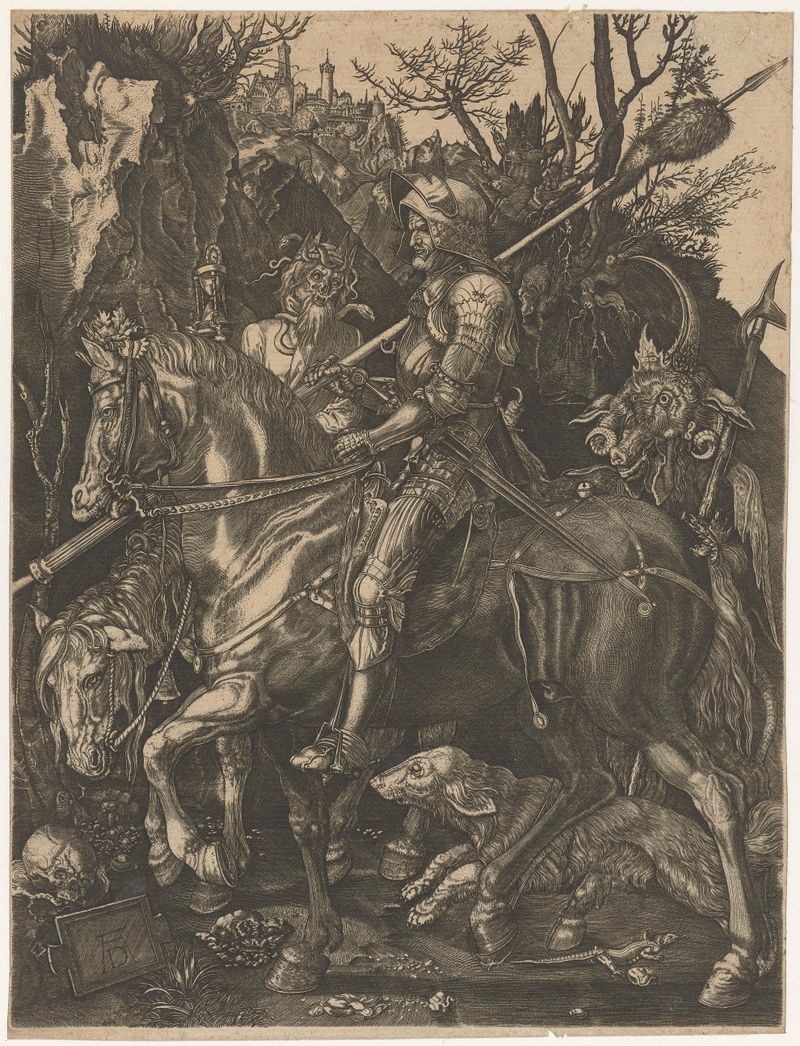
Ridder, Dood en Duivel
Unknown Artist
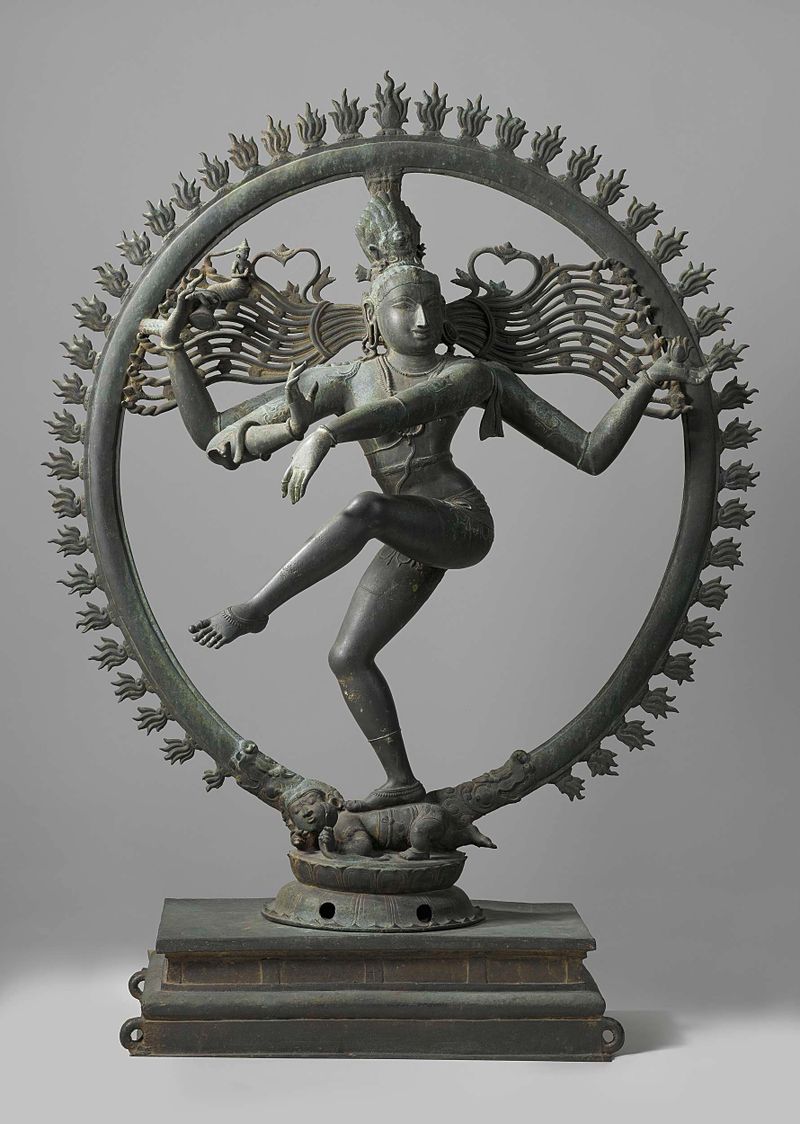
Shiva Nataraja
Unknown Artist

Portrait of Elizabeth I, Queen of England
Unknown Artist
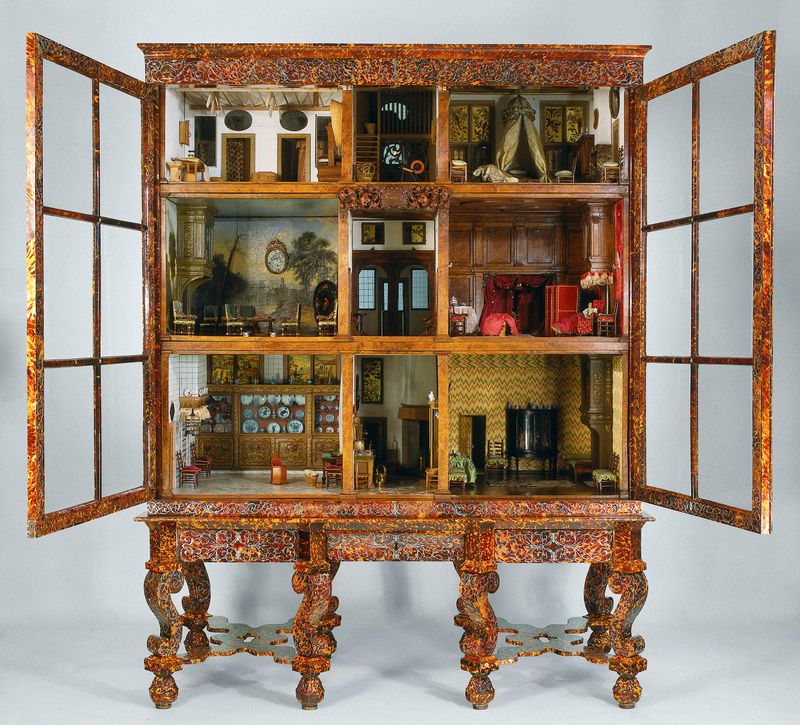
Dolls’ house of Petronella Oortman
Unknown Artist
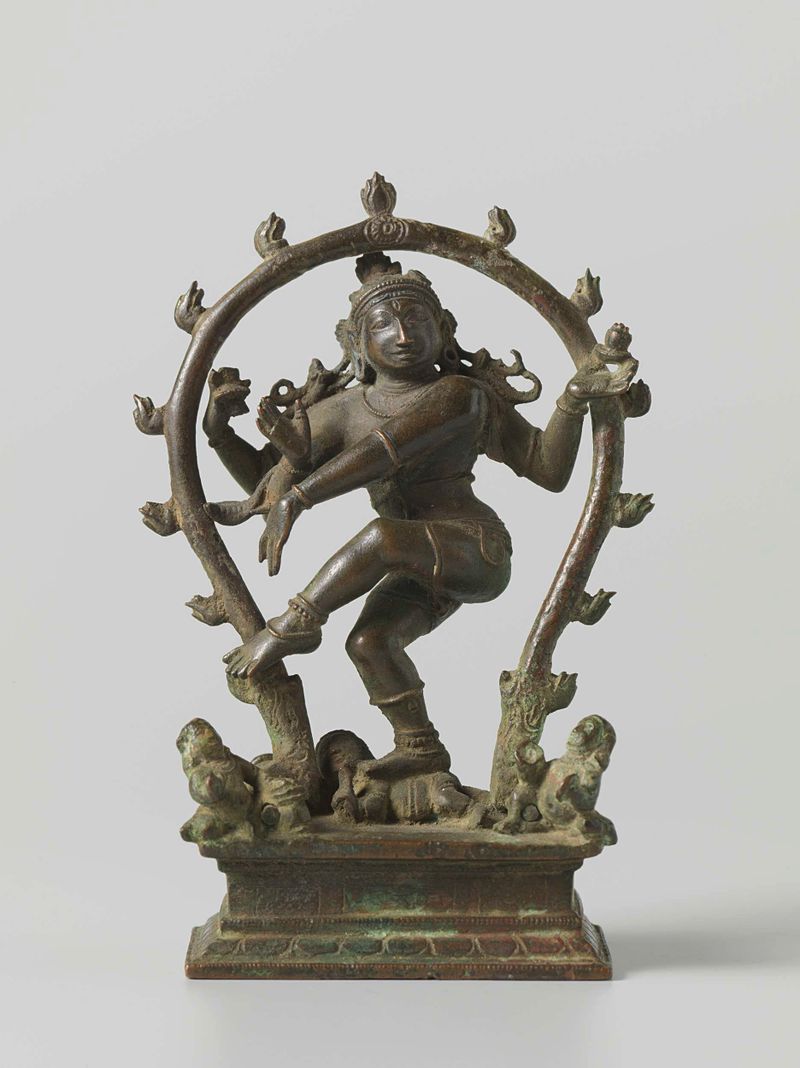
Shiva Nataraja
Unknown Artist

The Tale of Genji
Unknown Artist

The Tale of Genji
Unknown Artist
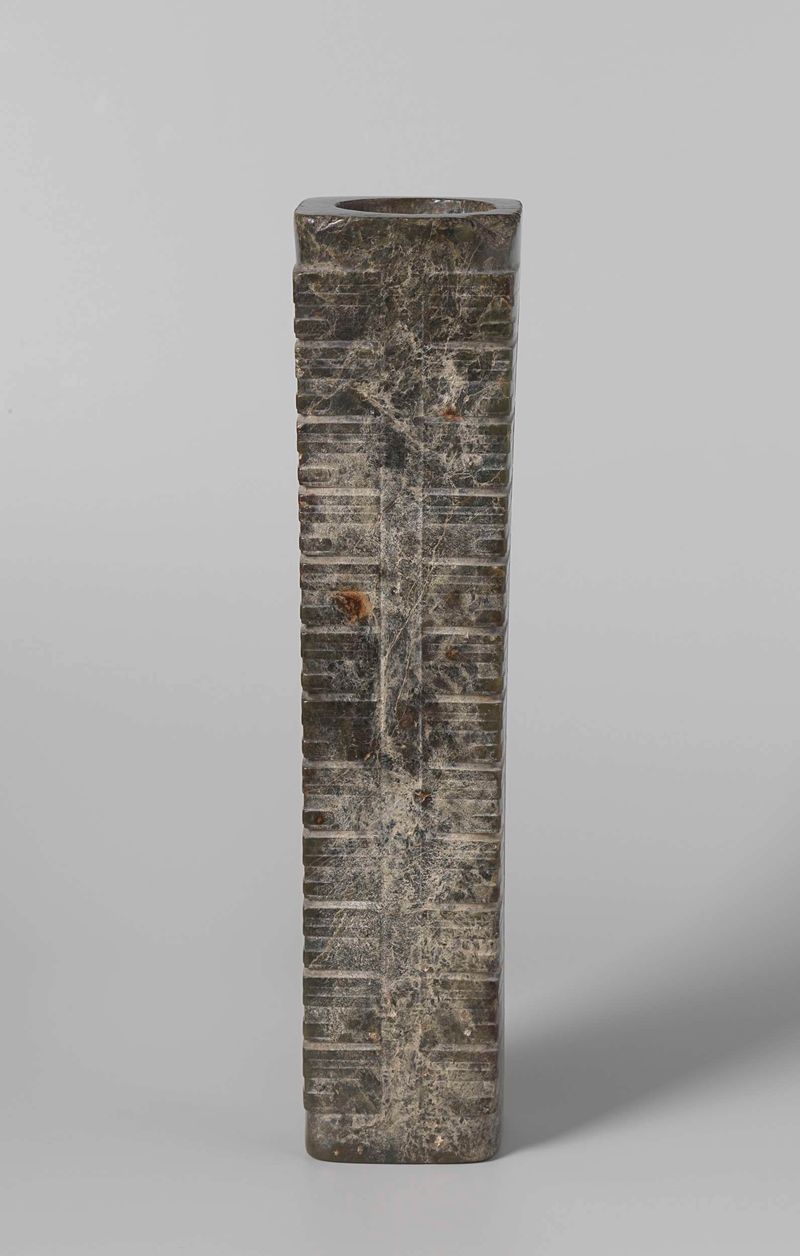
Cong
Unknown Artist
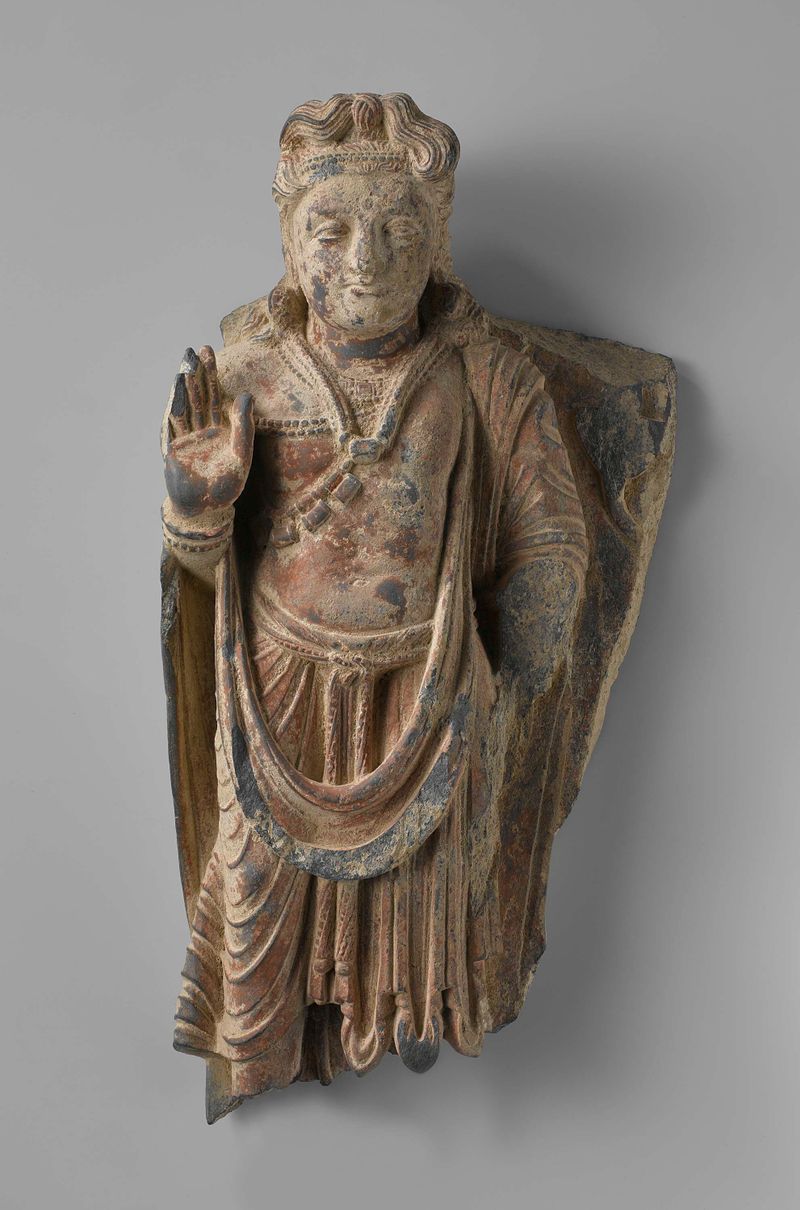
The bodhisattva Maitreya
Unknown Artist
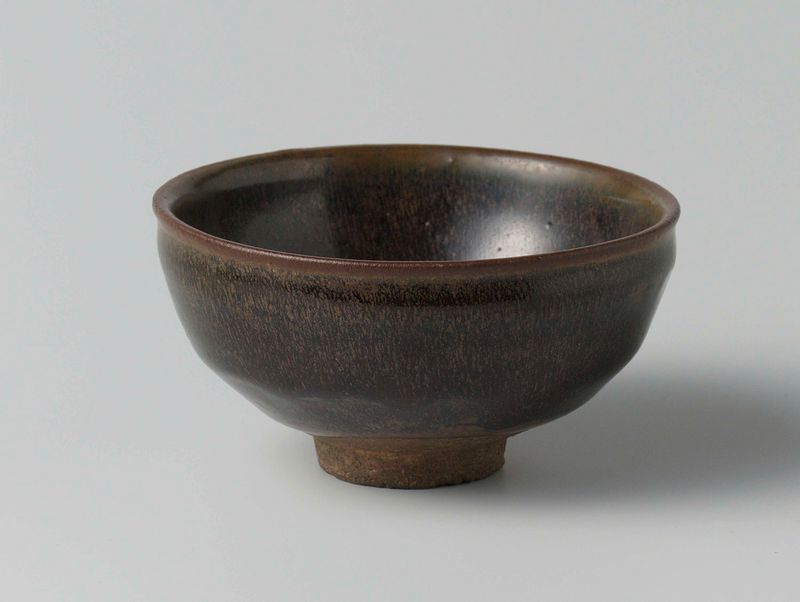
Teabowl with a 'hare's fur' glaze
Unknown Artist