Westfalian Peasant Homestead in Autumn — História e Análise
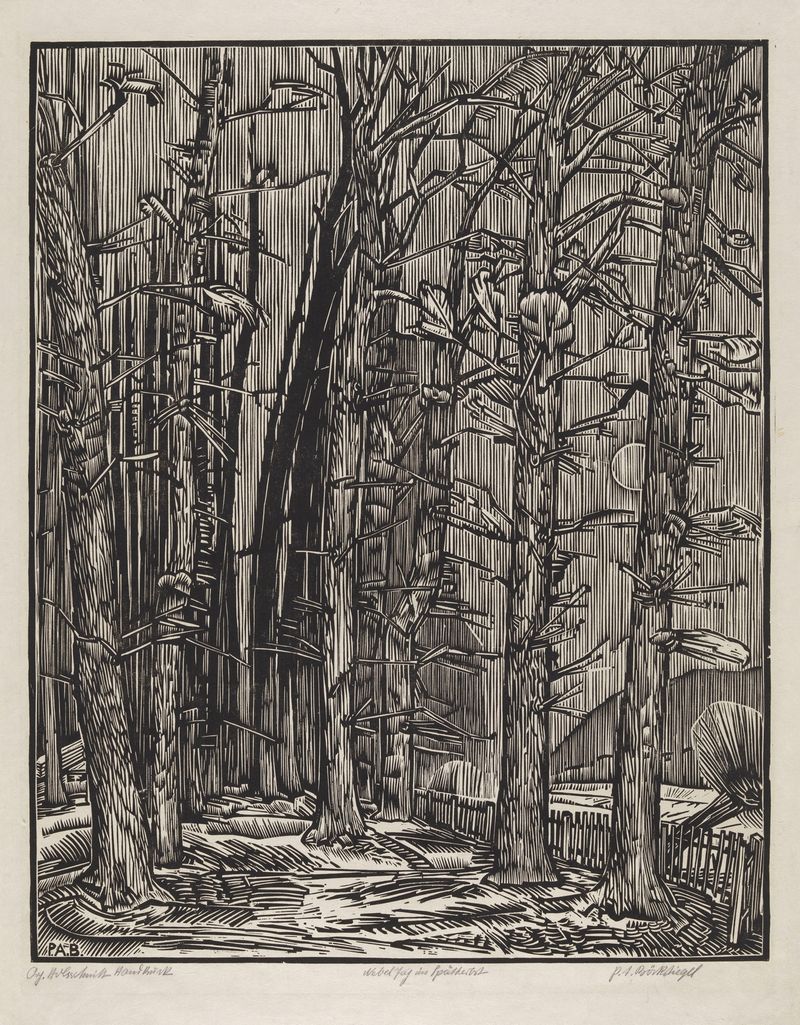
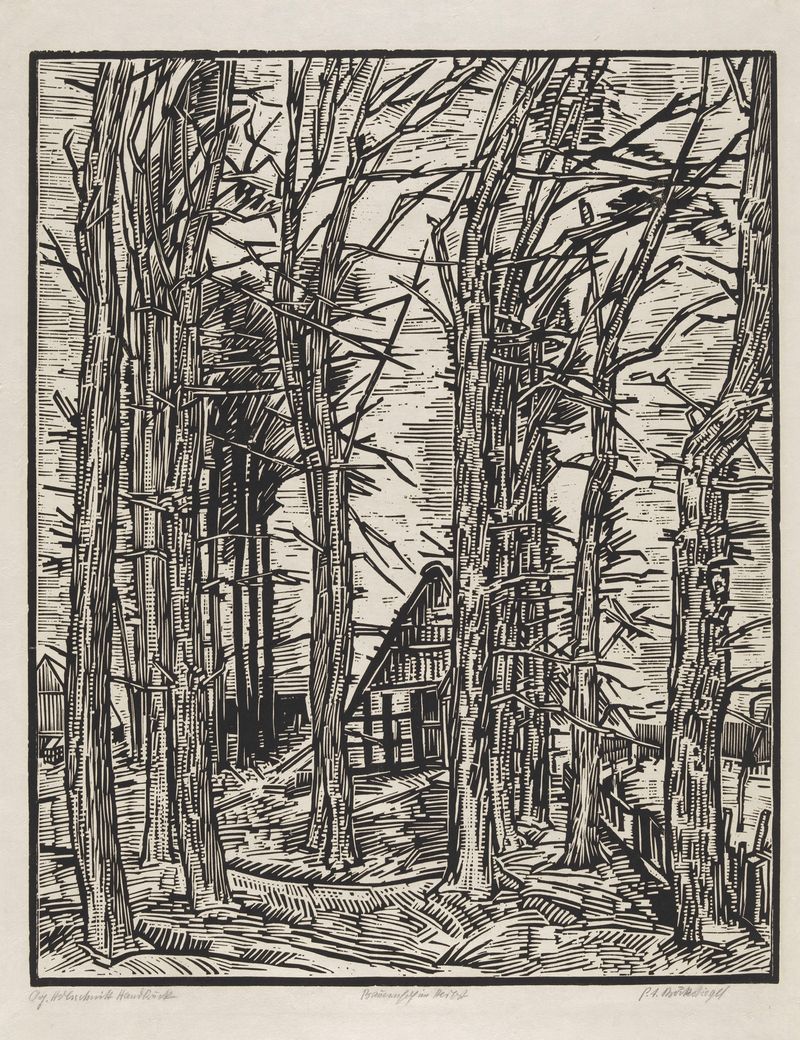
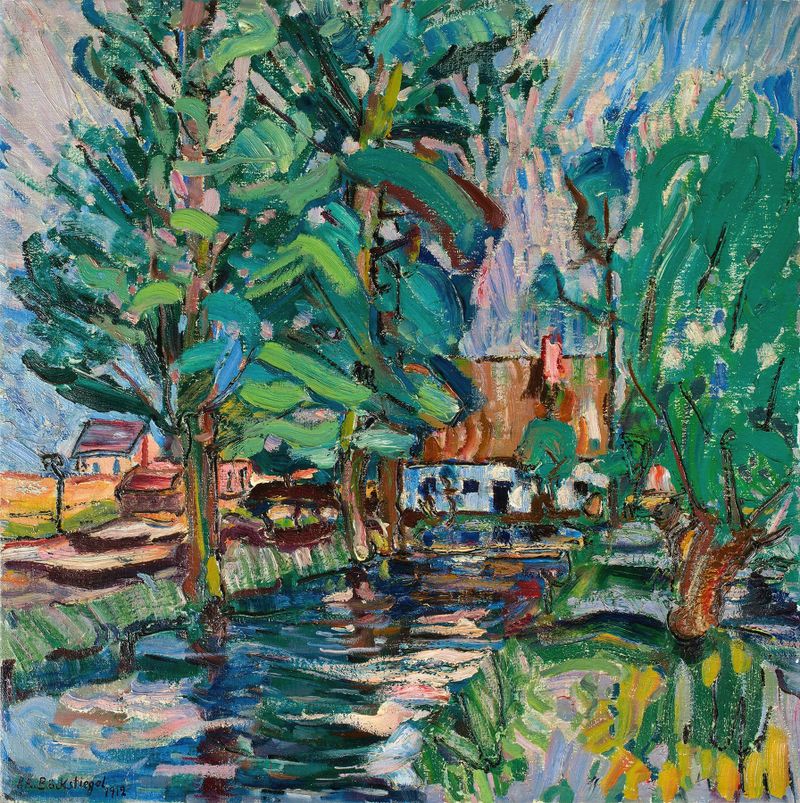
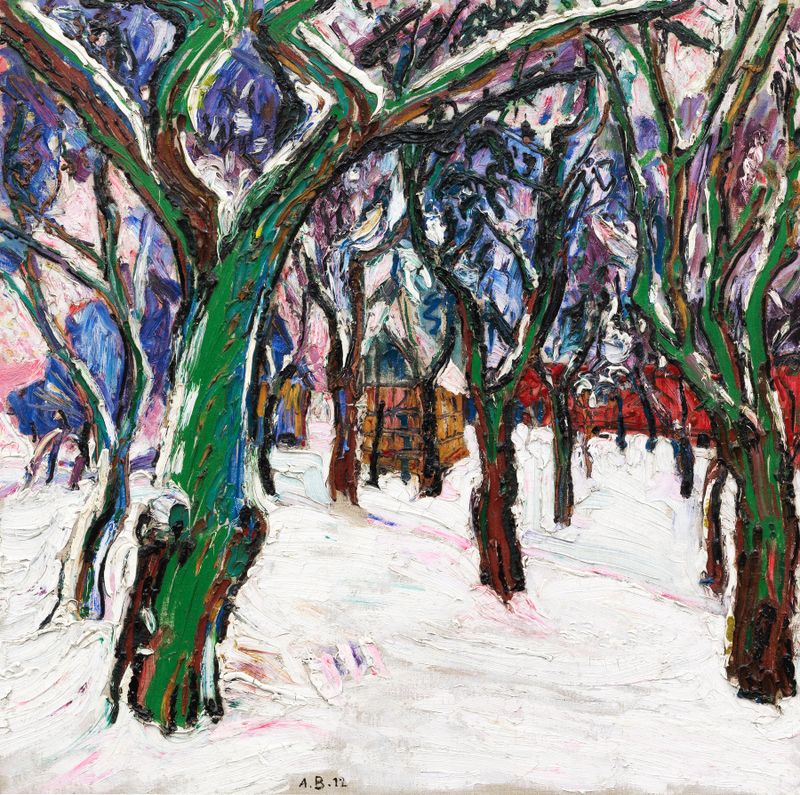
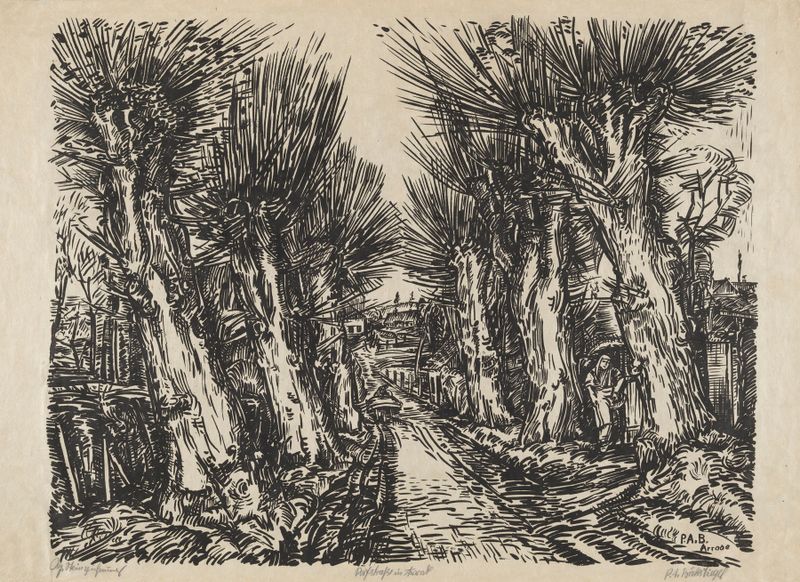
What if beauty was never meant to be finished? In the heart of a rural landscape, the tranquility of a homestead belies the undercurrents of turmoil and madness that shape its existence. Focus on the left, where the faint golden hues of autumn leaves dance against the deepening shadows of the homestead. The earthy browns and greens of the structure blend seamlessly into the landscape, while flickers of sunlight reveal textures in the soil and thatch, inviting the viewer to explore layers of life within. Notice how the brushstrokes exhibit both precision and chaos, striking a balance that mirrors the organic rhythm of nature—intimate yet tumultuous. Within this seemingly idyllic scene, the interplay of light and shadow speaks to a deeper yearning.
The homestead stands as a symbol of stability, yet it is surrounded by the quiet chaos of autumn's decay, representing the fragility of rural life. The vivid colors evoke nostalgia, contrasting the inevitable approach of winter—a reminder of the cyclical madness that underpins existence. Each detail, from the weathered wooden beams to the scattered leaves, hints at stories untold, inviting contemplation on the nature of beauty amidst disorder. In 1919, Böckstiegel painted this work while grappling with the aftermath of World War I, a time when the world was reeling from loss and change.
The artist, deeply influenced by German Expressionism, sought to convey emotional truths through landscapes that reflected both personal and societal turmoil. This piece emerged as a testament to resilience, capturing the essence of beauty intertwined with the madness of a post-war world.