
Windham Village — História e Análise
When did color learn to lie? In a world where hues can both soothe and deceive, the fragility of our perceptions finds its expression in unexpected places. Look to the soft gradient of greens and golds that blanket the landscape. The gentle strokes blend seamlessly, guiding the eye toward the distant horizon where the sky meets the earth. Notice how the light dances across the surface of the water, reflecting an inviting calmness that belies the turmoil of change lurking beneath.
The composition, with its delicate balance of foreground and background, strikes a relationship between the viewer and the peaceful village, inviting contemplation. Yet, beneath this pastoral beauty lies a tension. The stillness of the scene contrasts sharply with the inevitable passage of time and the fragility of life. Subtle brushwork captures the movement of the trees, whispering secrets of the winds that sway their branches.
Each element carries the weight of nostalgia, hinting at a world caught between permanence and transience, urging the viewer to reflect on what is fleeting and what remains. In the early 20th century, during a period of significant change in American art, the painter created this work amidst the emergence of modernism. He embraced impressionistic techniques, influenced by his peers and the evolving landscape of American life. Living in Connecticut during this time, he found beauty in both the familiar and the transient, encapsulating the essence of a village just as the world around it began to shift dramatically.
Mais obras de Julian Alden Weir
Ver tudo →
My Back Yard no. 1
Julian Alden Weir
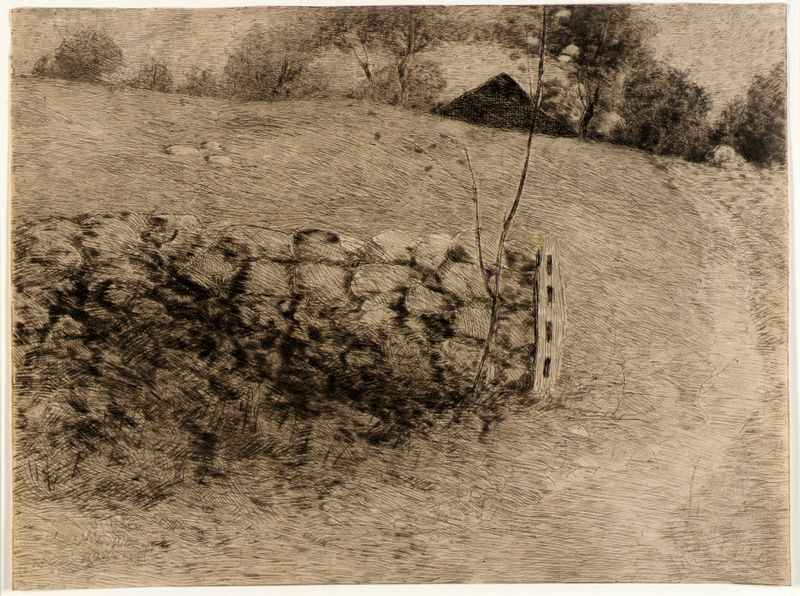
The Barn Lot
Julian Alden Weir

The Webb Farm
Julian Alden Weir
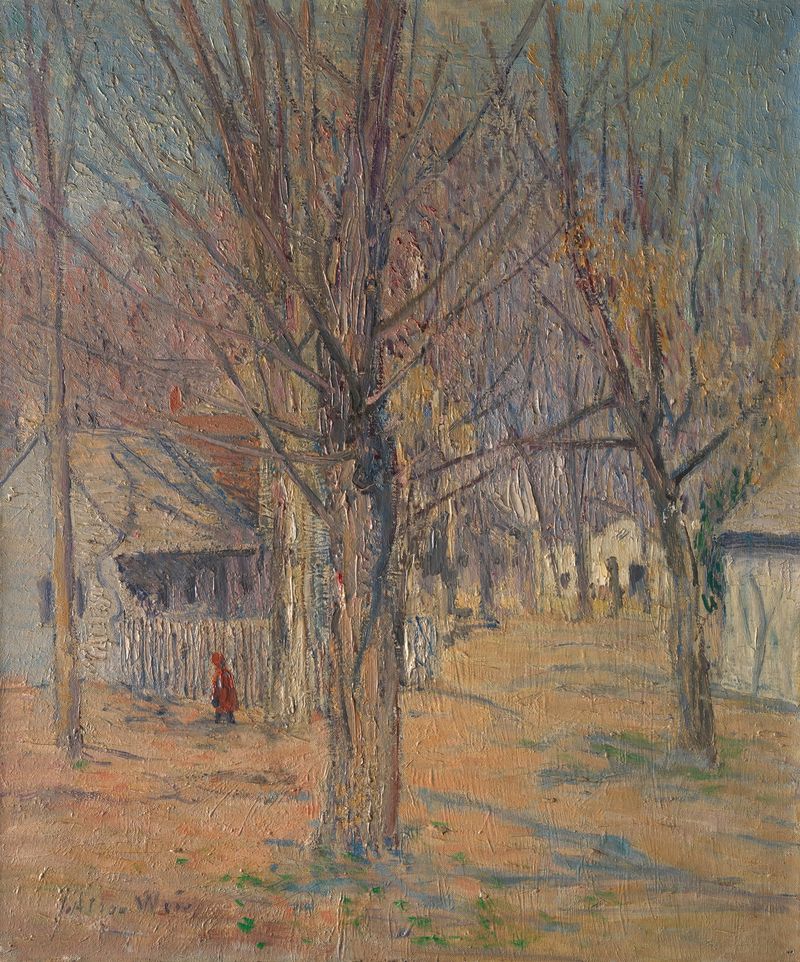
Connecticut Village (Going to School)
Julian Alden Weir

The Stone Bridge
Julian Alden Weir

The Webb Farm 2
Julian Alden Weir
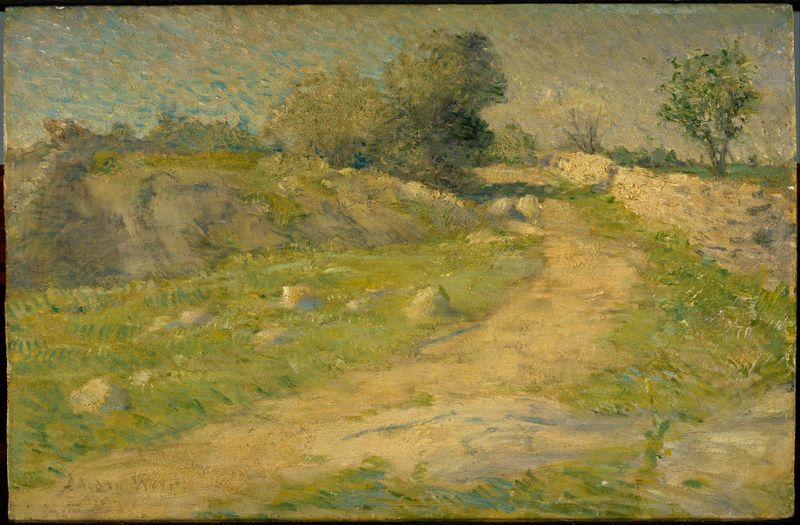
The Lane
Julian Alden Weir
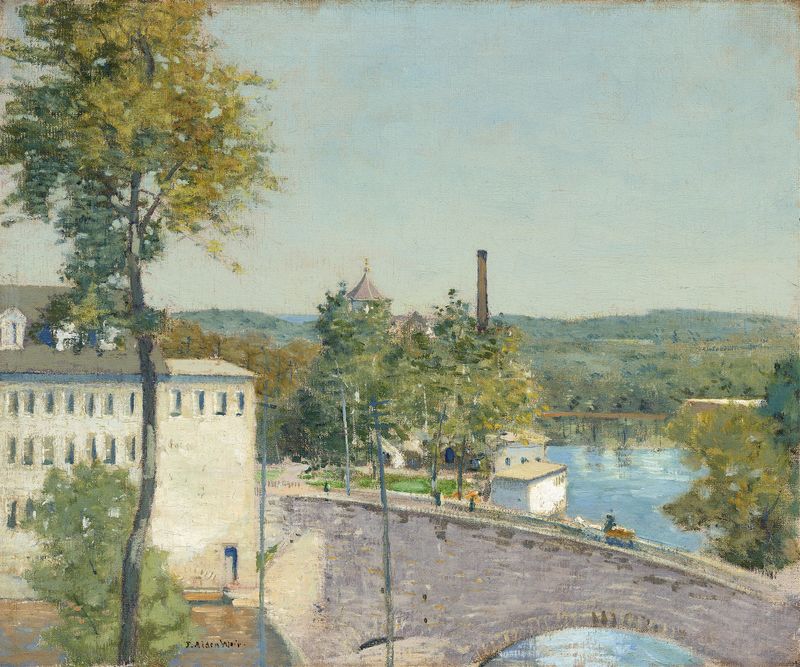
U.S. Thread Company Mills,Willimantic,Connecticut
Julian Alden Weir

Neighboring Farm
Julian Alden Weir

Coon Alley
Julian Alden Weir





