
Zoo at Tennoji — História e Análise
In the delicate balance between vibrancy and decay, we find a profound truth about existence, mirrored in the strokes of a brush. Look to the foreground, where the lush greenery, painted in shades of deep emerald and muted olive, invites your gaze. The intricate detailing of the foliage reveals a rugged beauty, each leaf capturing a subtle play of light that hints at both life and the threat of decay. Notice how the animals, positioned at the center, evoke a simultaneous sense of vitality and weariness, their forms steeped in rich earth tones that give them an almost haunting presence amidst the lush backdrop. Amidst the lively scene, a tension unfolds.
The juxtaposition of the vibrant flora against the animals’ melancholic expressions speaks to a deeper narrative of confinement and longing. There's a sense that the wild beauty of the zoo is a mere facade, hiding the poignant truth of captivity and the slow march of time. Each brushstroke seems to whisper of a past grandeur now tinged with the bittersweetness of decline. In 1947, Akamatsu Rinsaku painted this piece during a time of post-war recovery in Japan.
The country was grappling with the repercussions of conflict, while artists sought new forms of expression. Working in Osaka, Rinsaku was influenced by both traditional Japanese art and the Western styles of his contemporaries. This artwork not only reflects the complexities of its time but also serves as a contemplative look at the interplay of life and decay in a changing world.
Mais obras de Akamatsu Rinsaku
Ver tudo →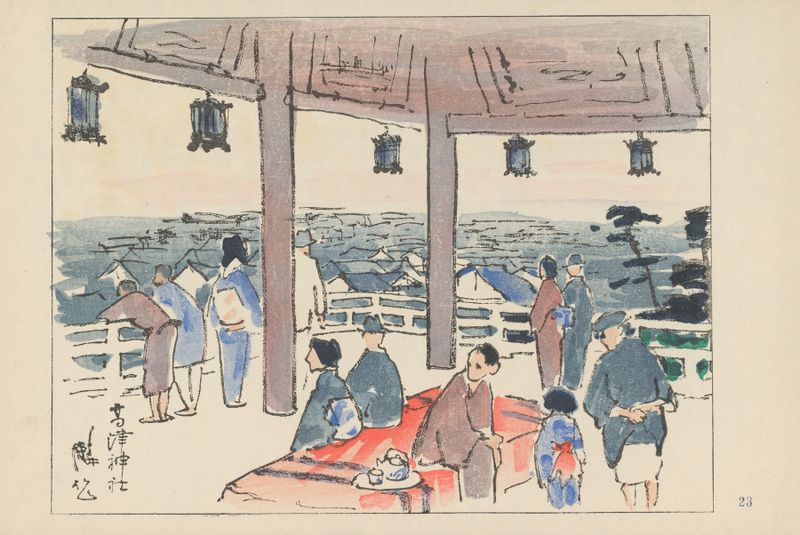
Kozu shrine dedicated to Nintoku Emperor
Akamatsu Rinsaku
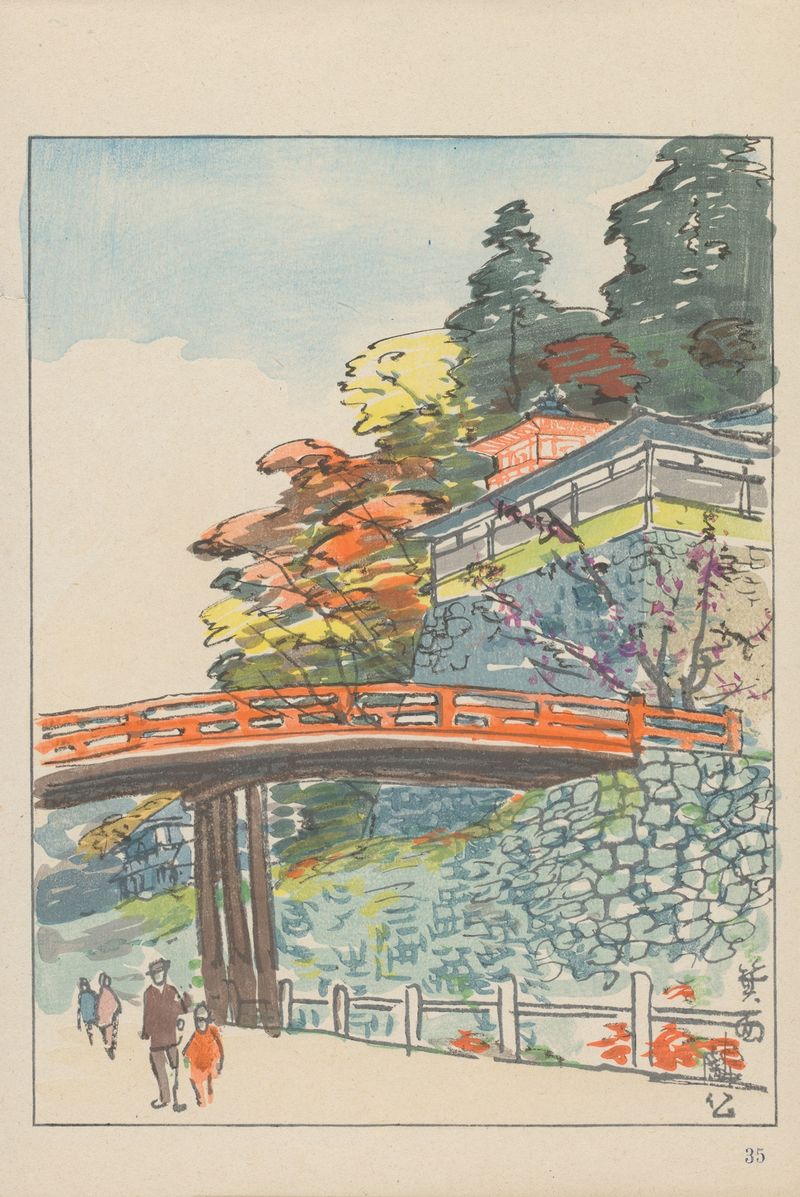
Minoo, National Park
Akamatsu Rinsaku
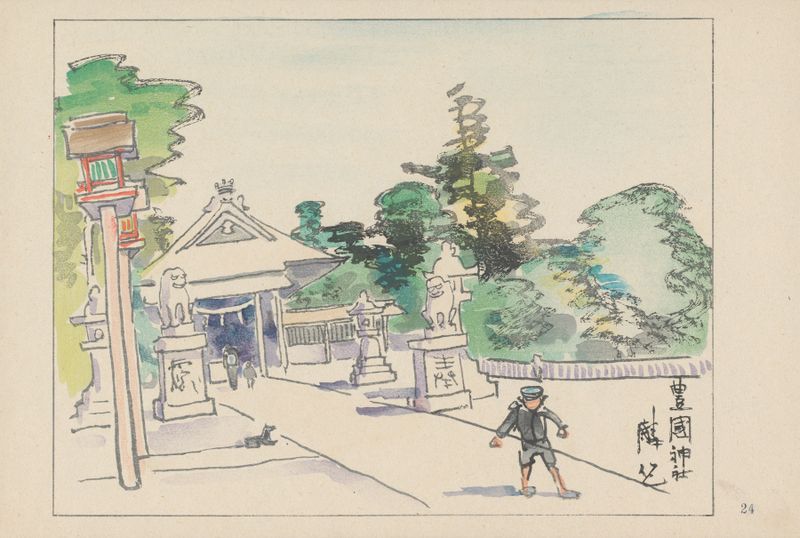
Toyokuni shrine dedicated to Toyotomi Hideyoshi
Akamatsu Rinsaku

Tsumura betsuin, the agency of Nishi-honganji
Akamatsu Rinsaku
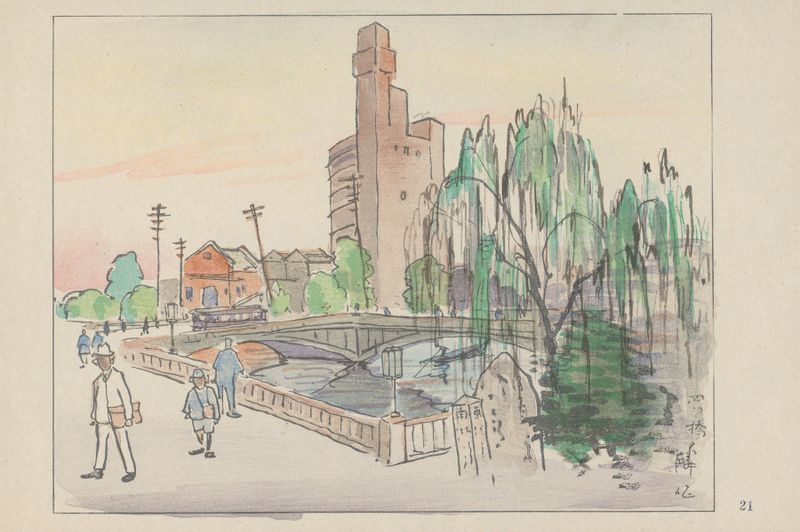
Yotsubashi, four joint bridges
Akamatsu Rinsaku
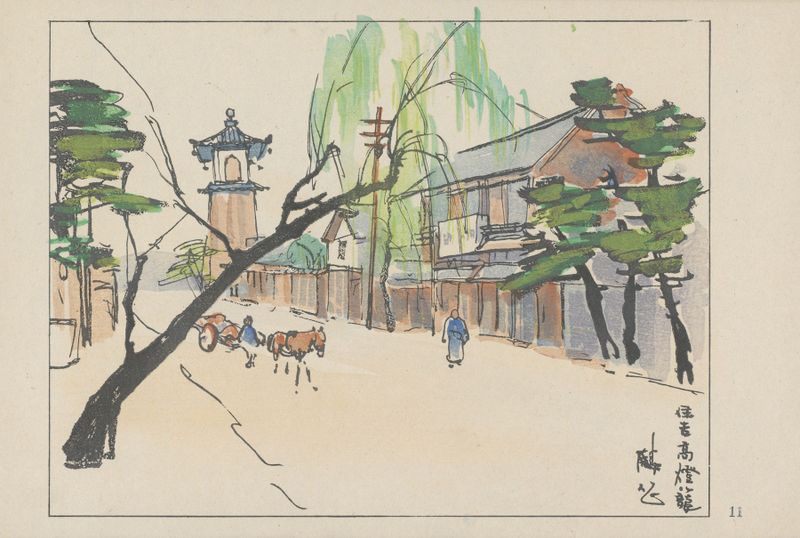
The high lanton at Sumiyoshi, a light house in older time
Akamatsu Rinsaku
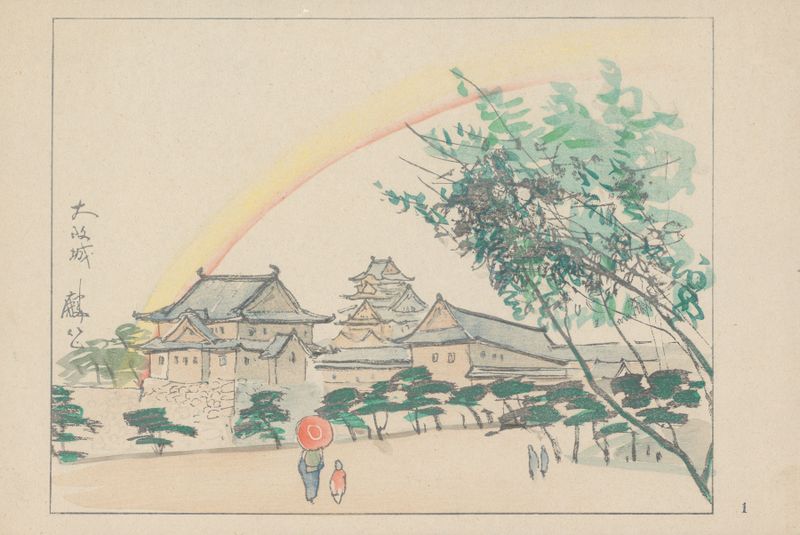
Osaka Castle, built by Toyotomi Hideyoshi in 1585 A.D
Akamatsu Rinsaku
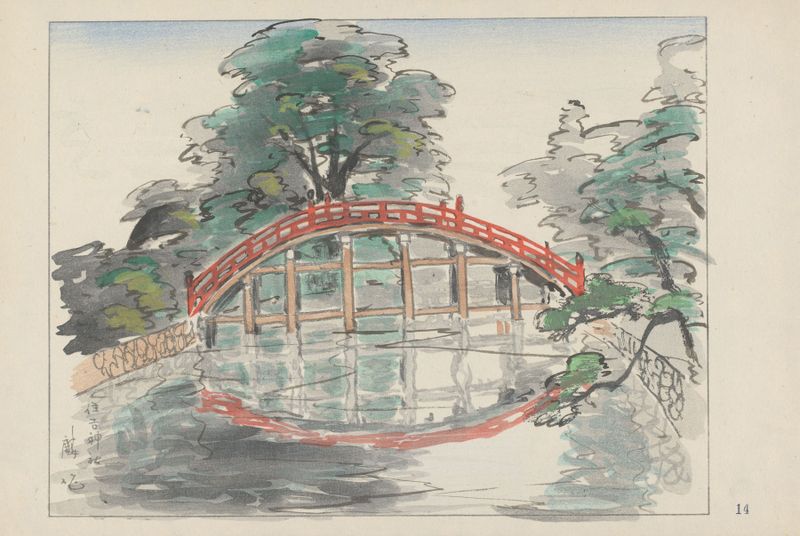
Sumiyoshi Shinto shrine
Akamatsu Rinsaku
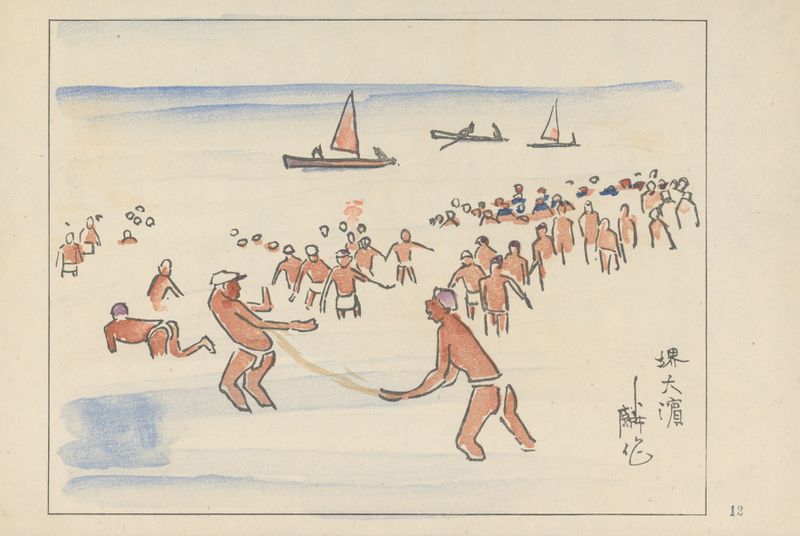
Sakai Ohama, swiming beach
Akamatsu Rinsaku

Kawaguchi, the estuary of Yodo river
Akamatsu Rinsaku





