French, 1694–1752
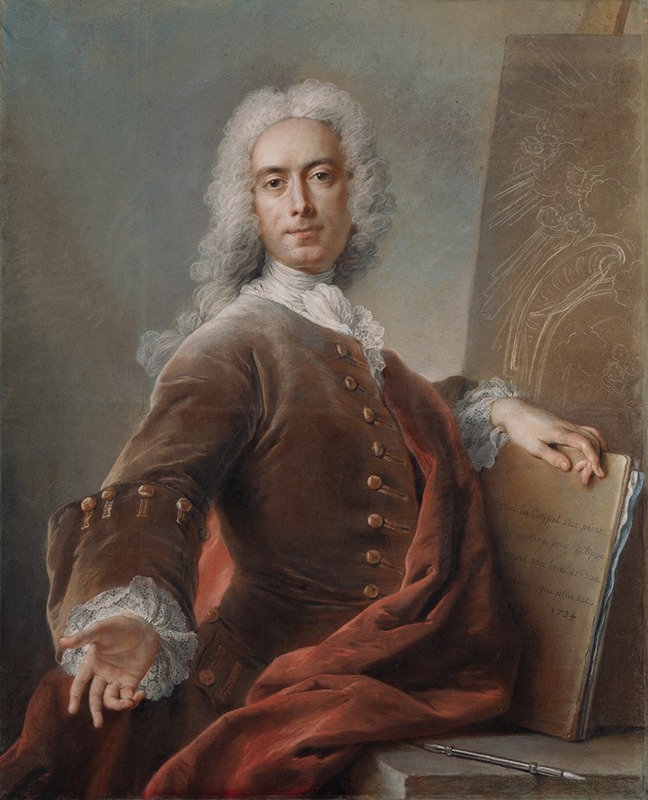
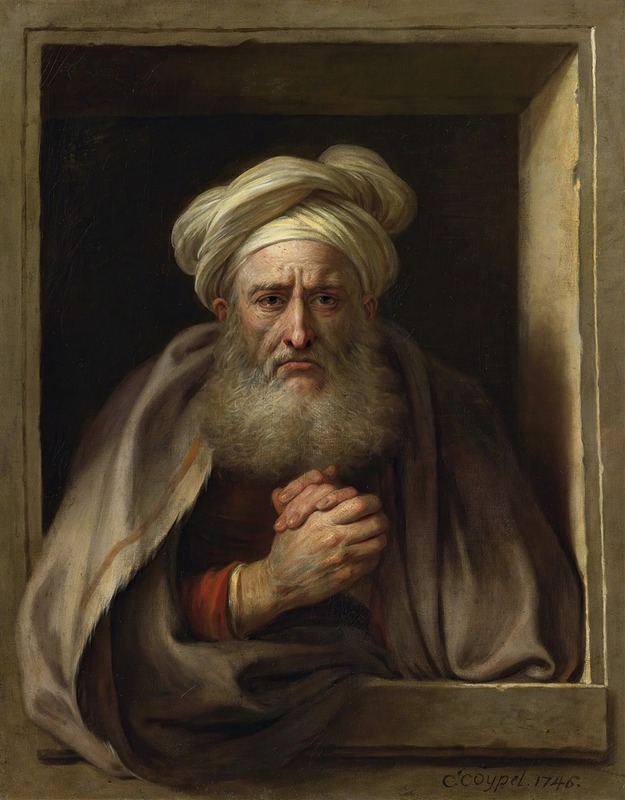
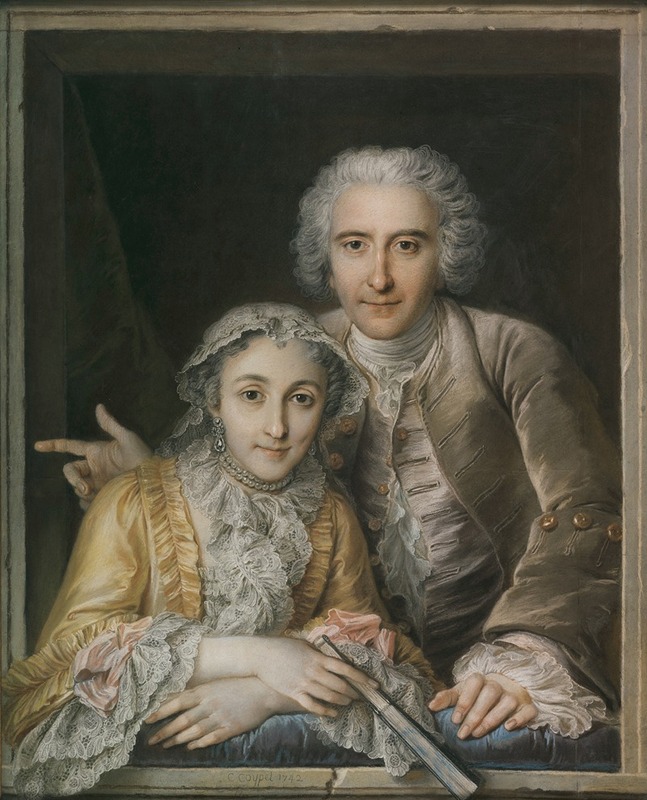
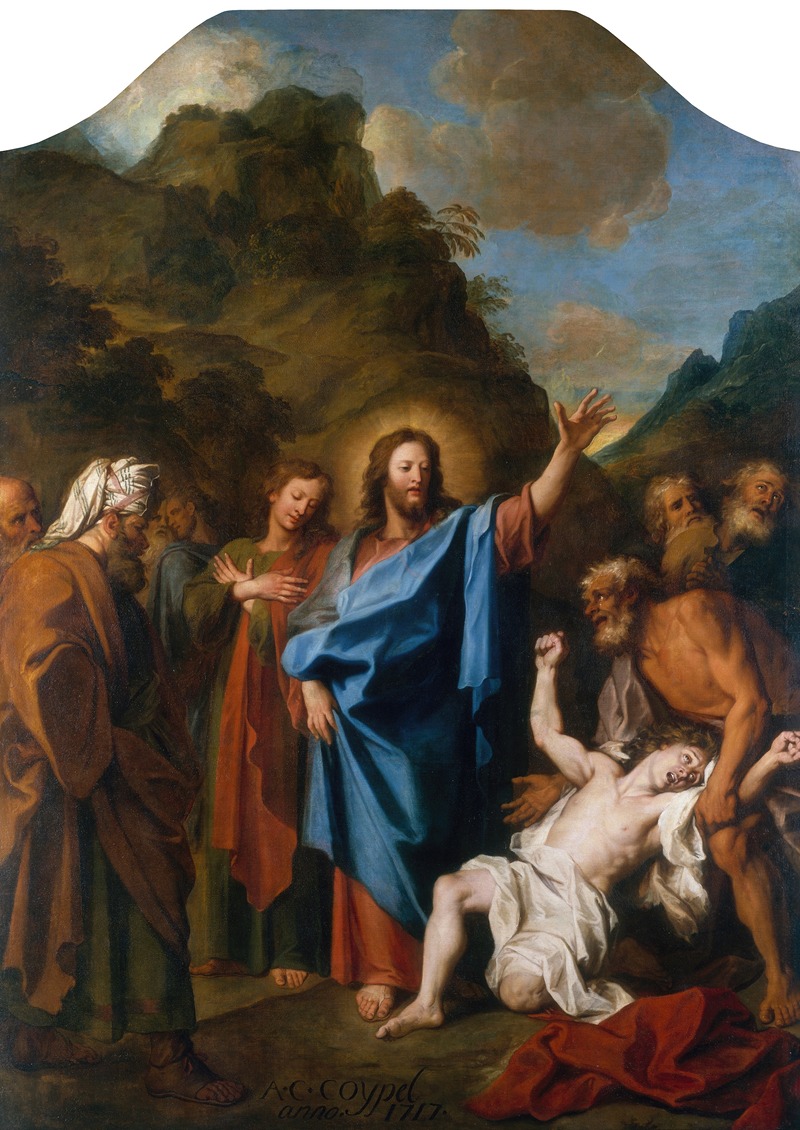
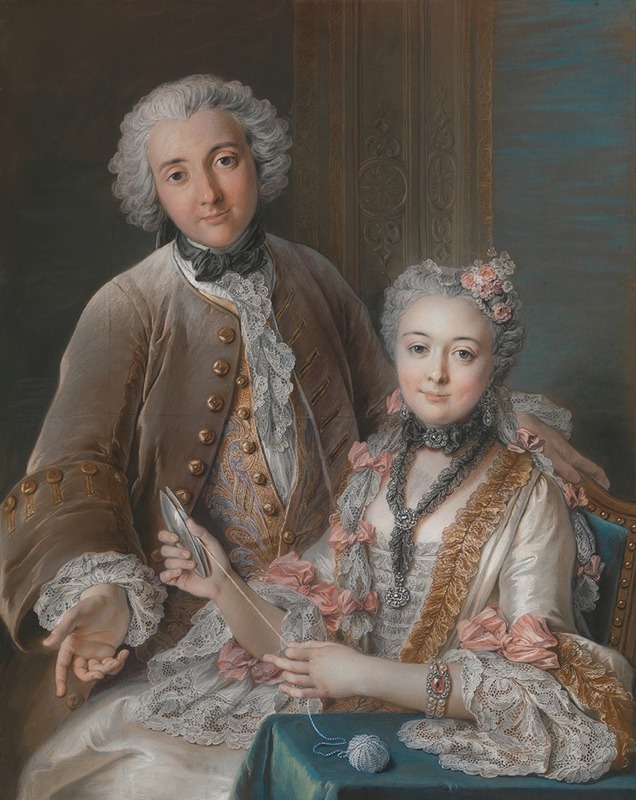
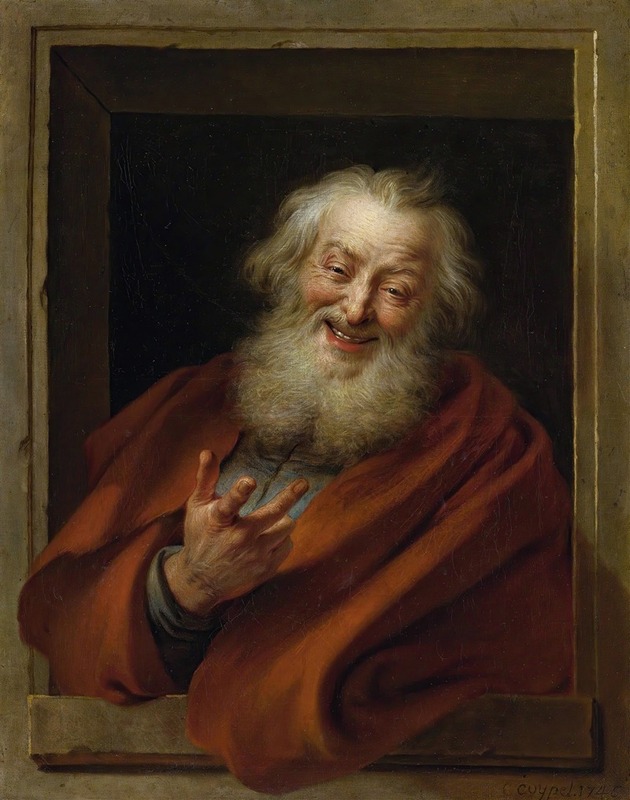
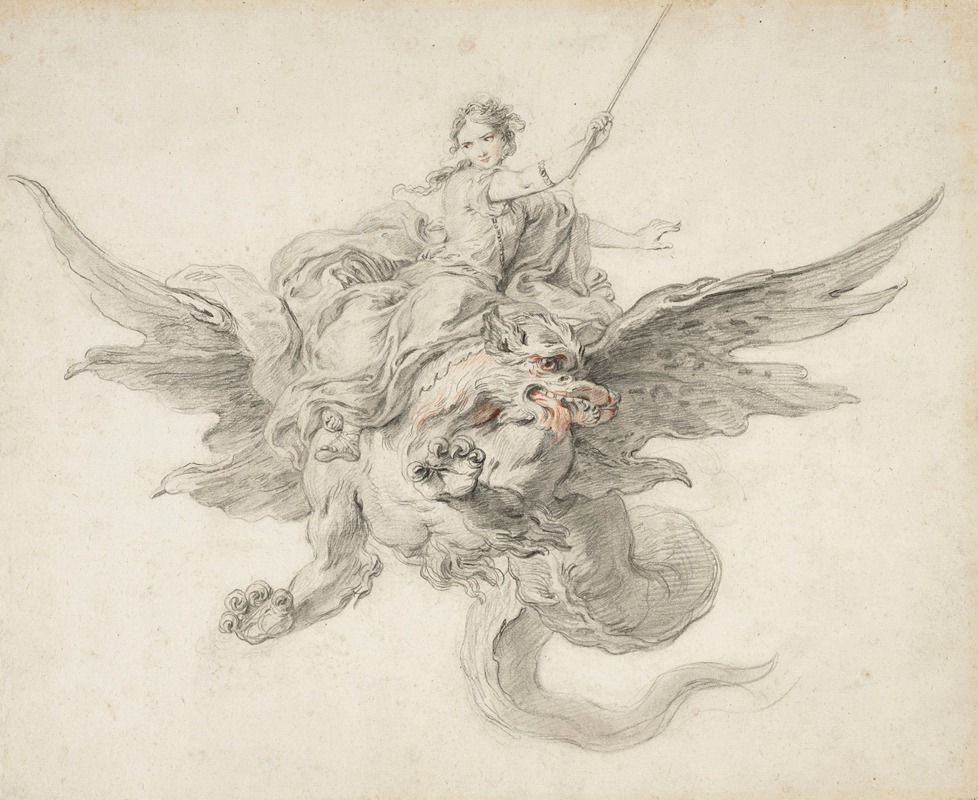
Charles-Antoine Coypel was a French Rococo painter, playwright, and art critic born in Paris in 1694. Coming from a celebrated dynasty of artists, he was the son of the court painter Antoine Coypel and the grandson of Noël Coypel, both influential figures in the French royal art world. Trained by his father from an early age, Coypel showed exceptional talent and was admitted to the Académie Royale de Peinture et de Sculpture at only twenty-one years old.
Coypel spent most of his life in the Louvre Palace, where his family maintained royal apartments and studios. Unlike many painters of his generation, he never traveled to Italy, yet he became one of the leading artistic figures at the court of Louis XV. In 1747, he was appointed Premier Peintre du Roi (First Painter to the King) and director of the Académie Royale, positions previously held by his father.
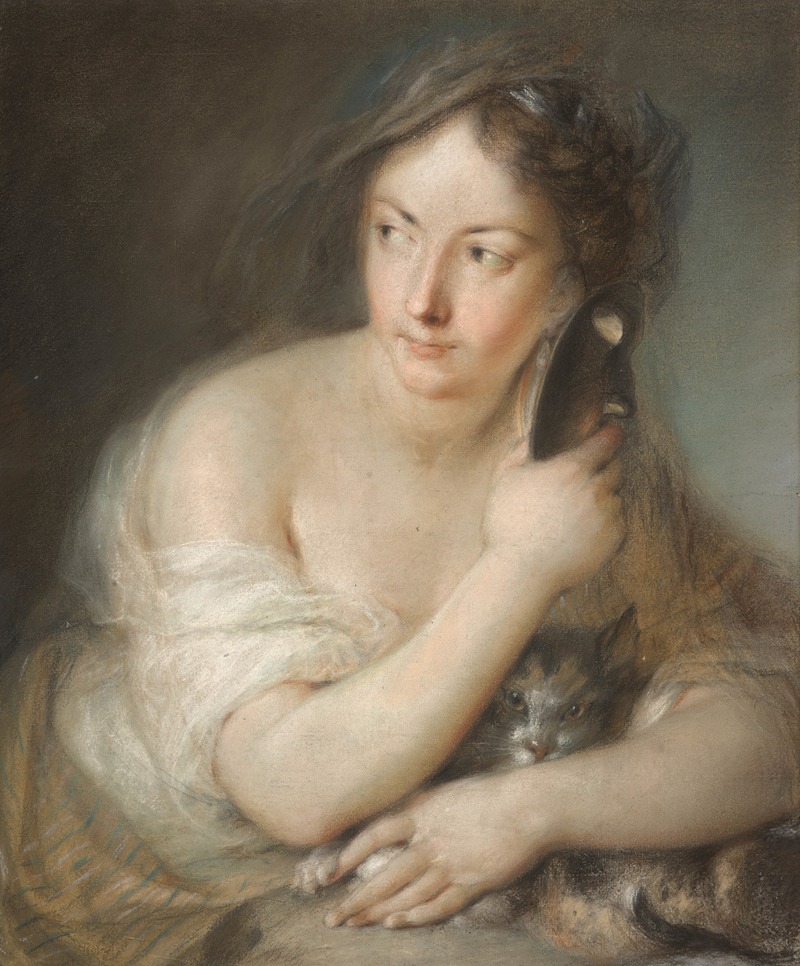
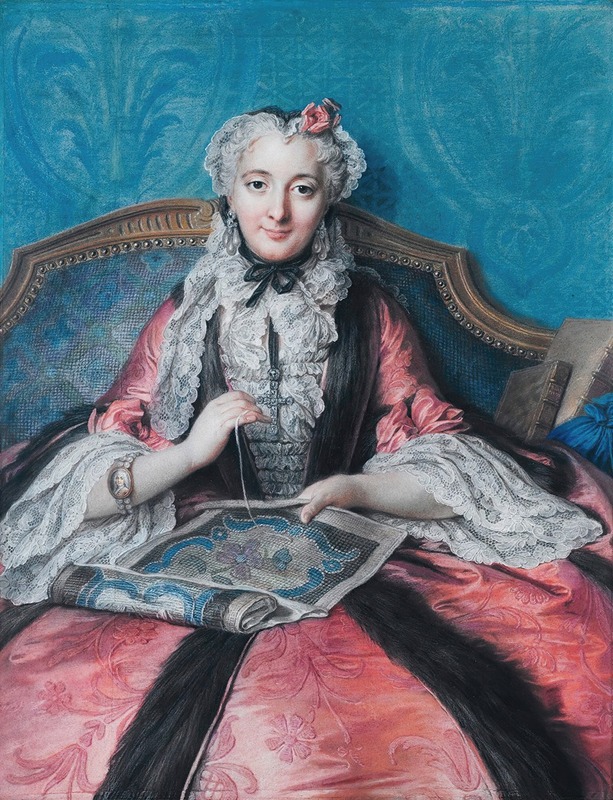
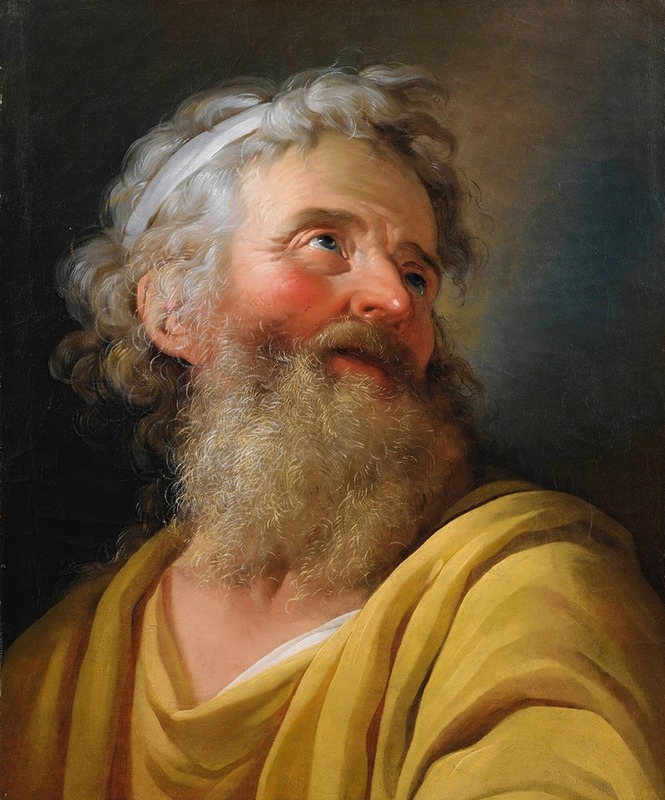
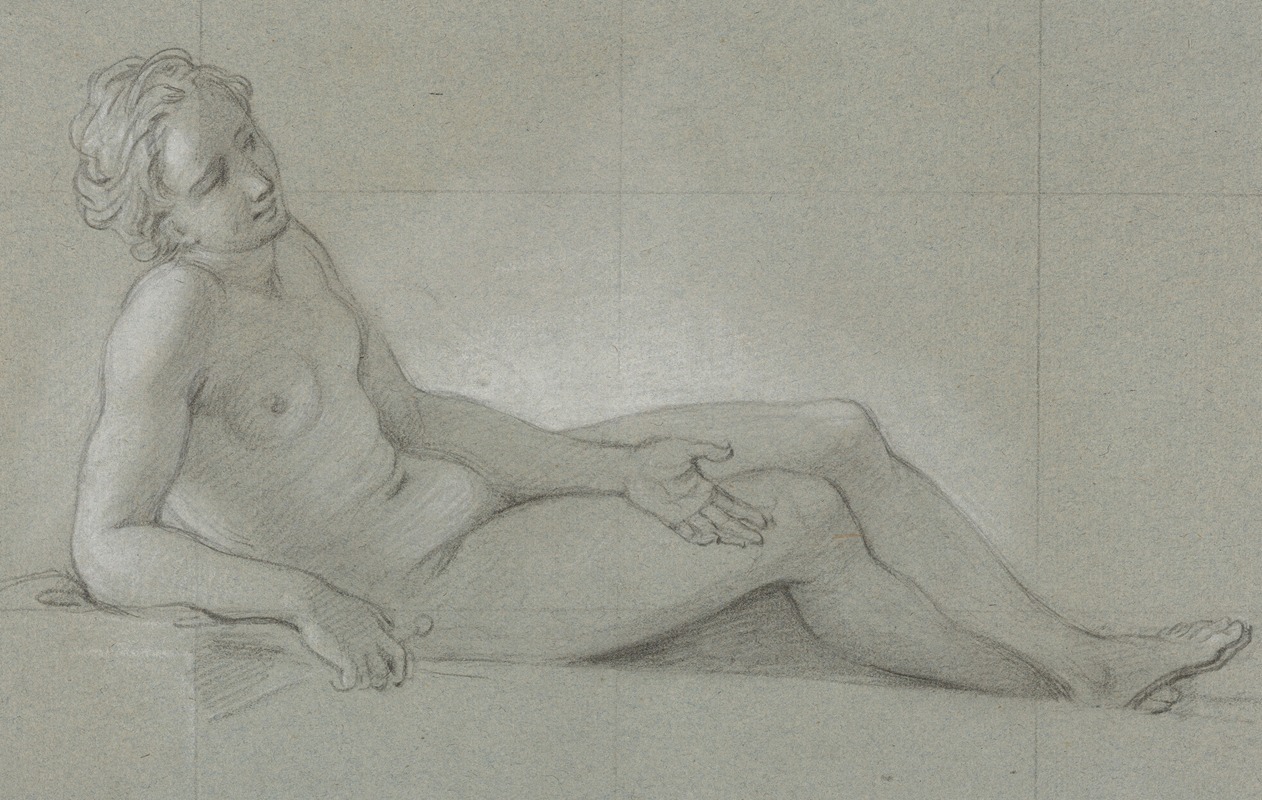
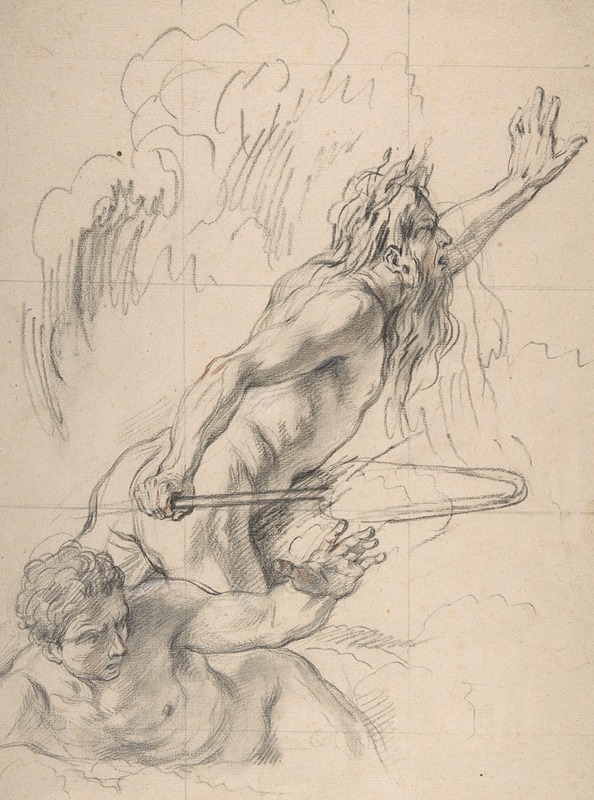
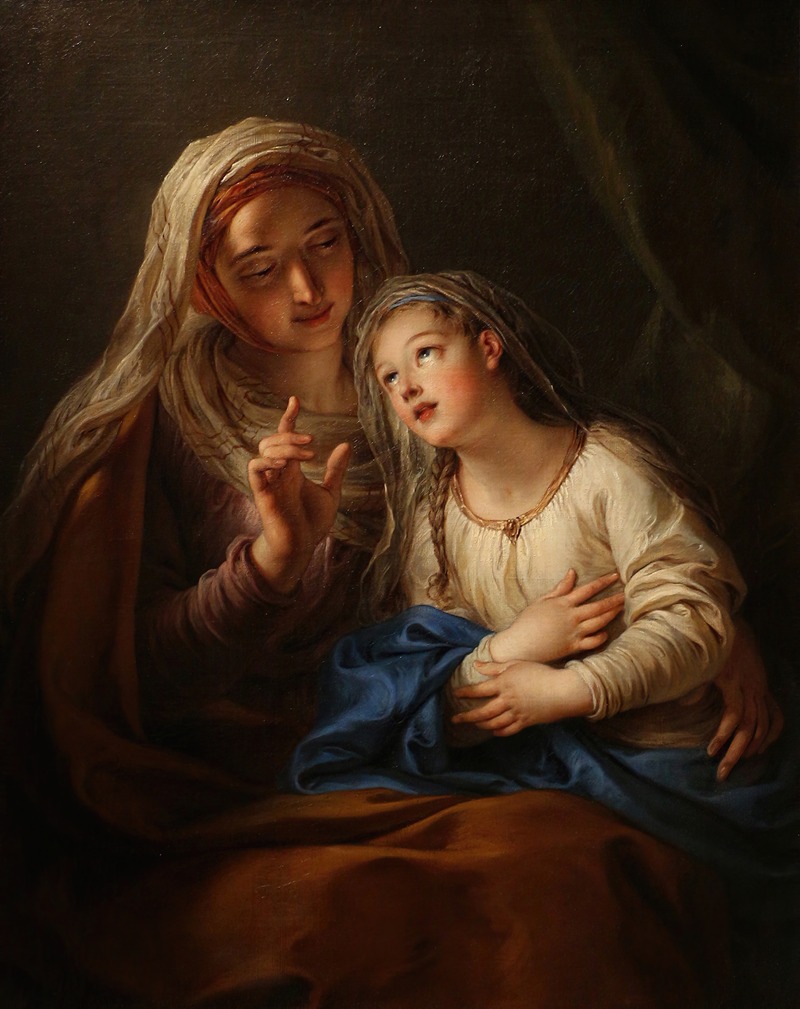
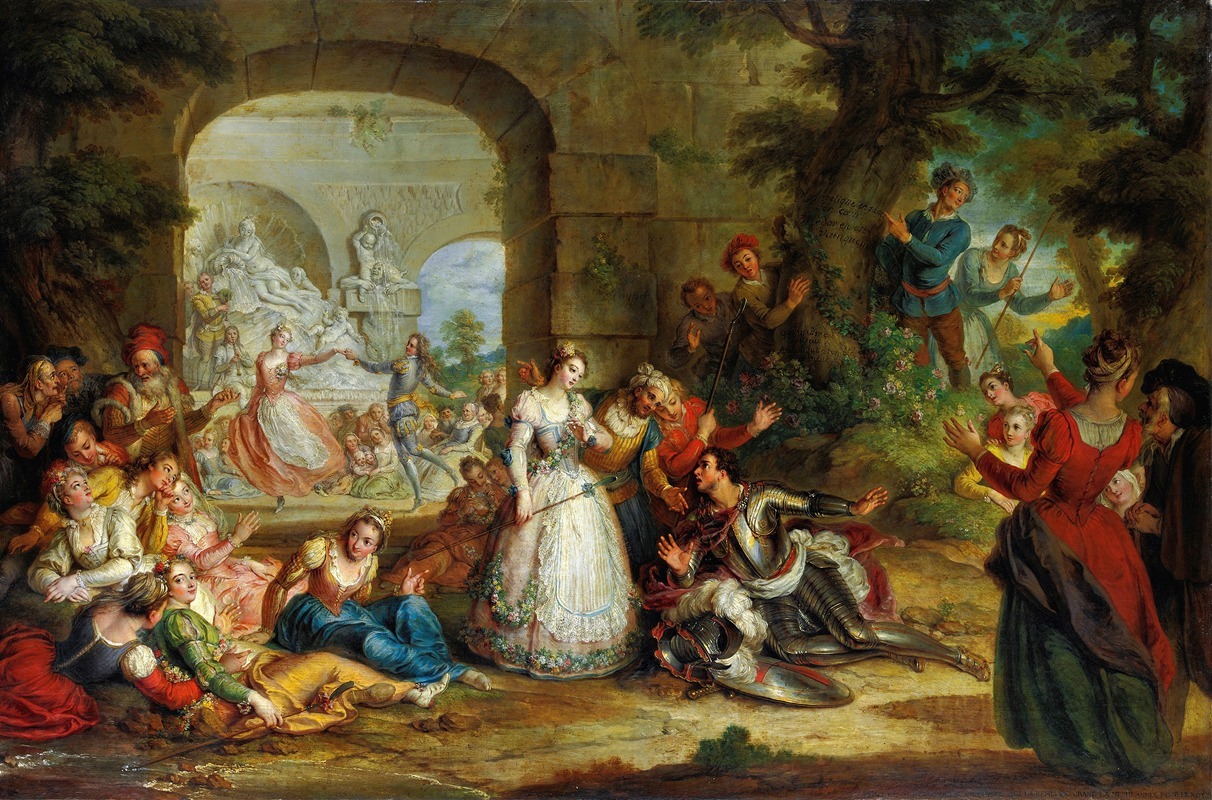
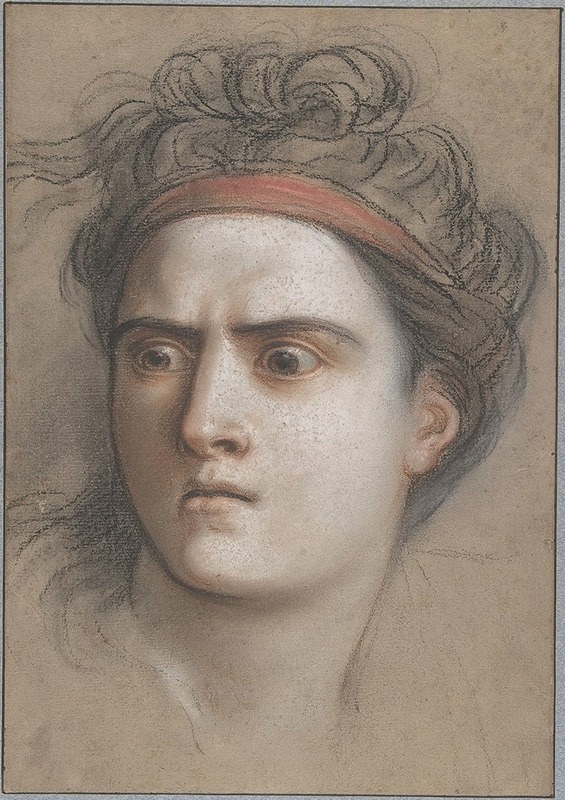
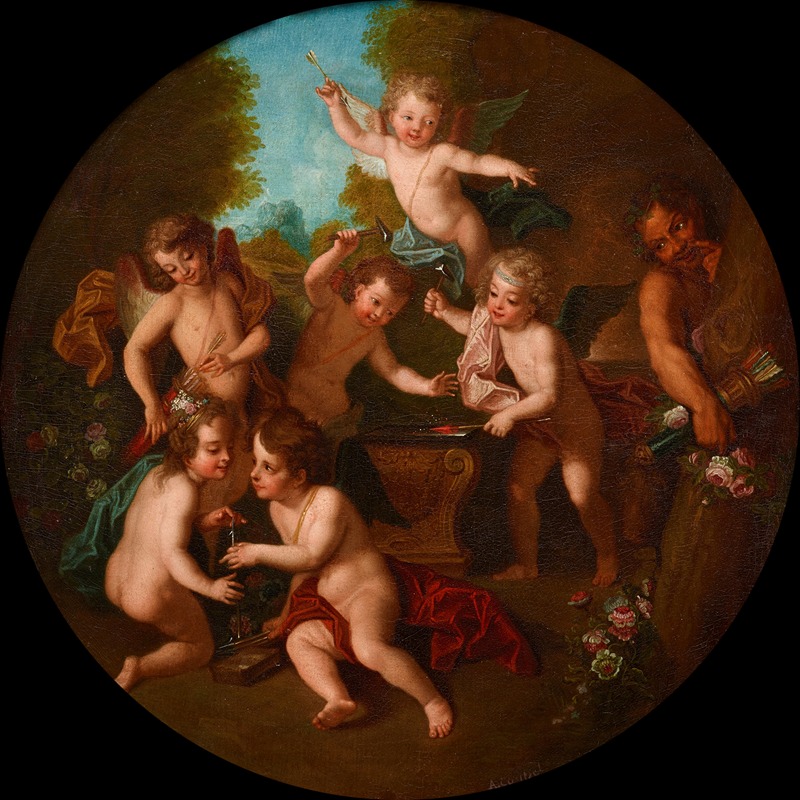
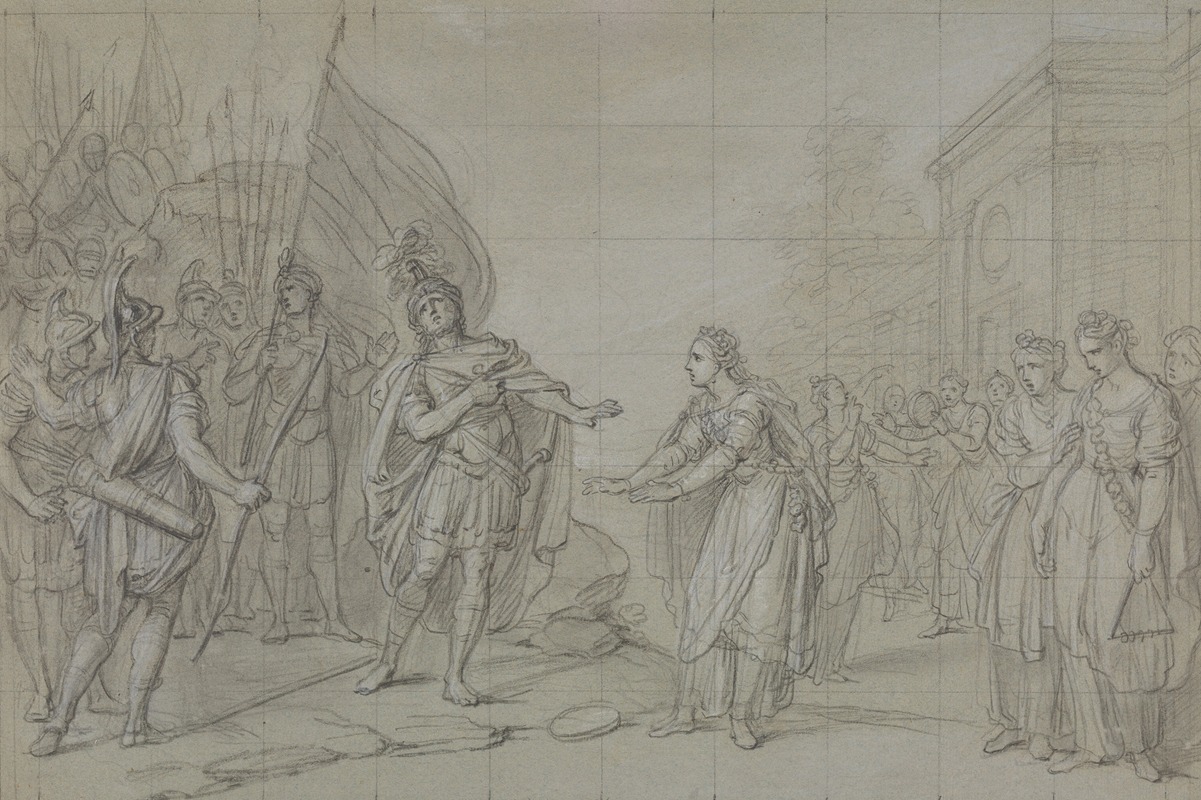
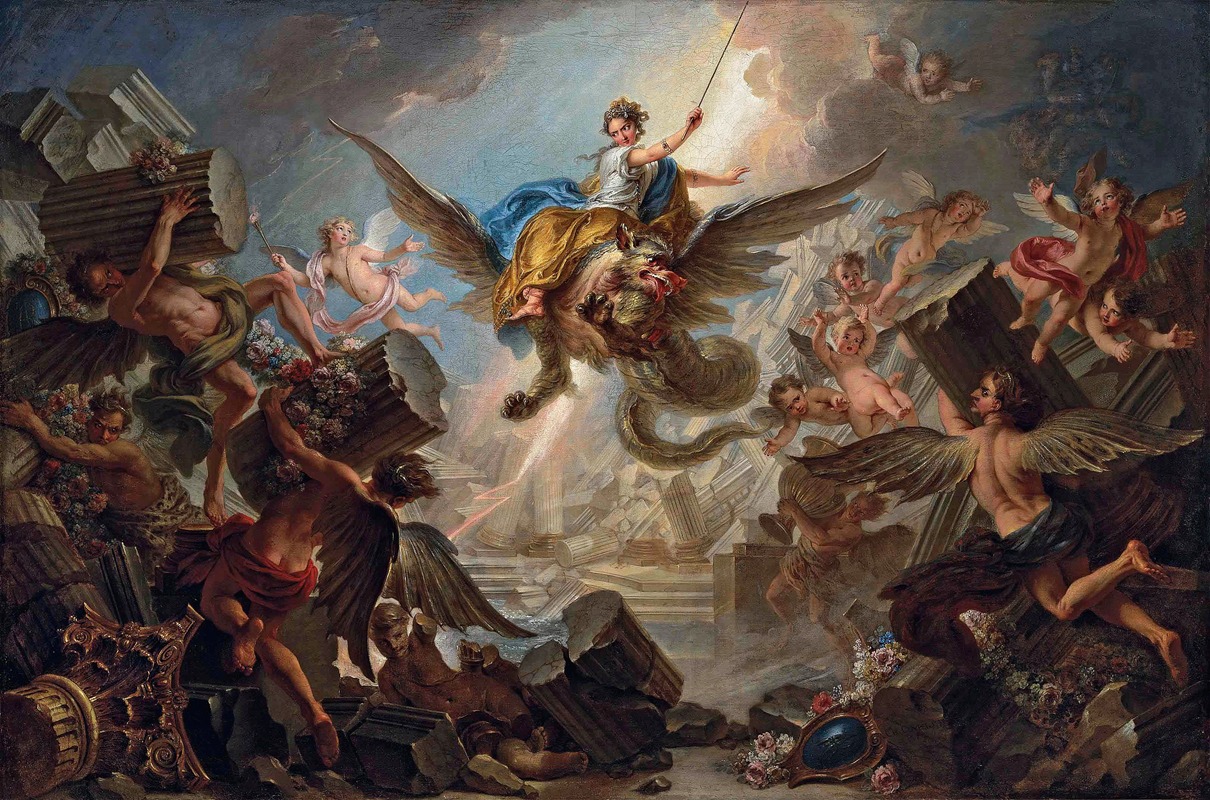
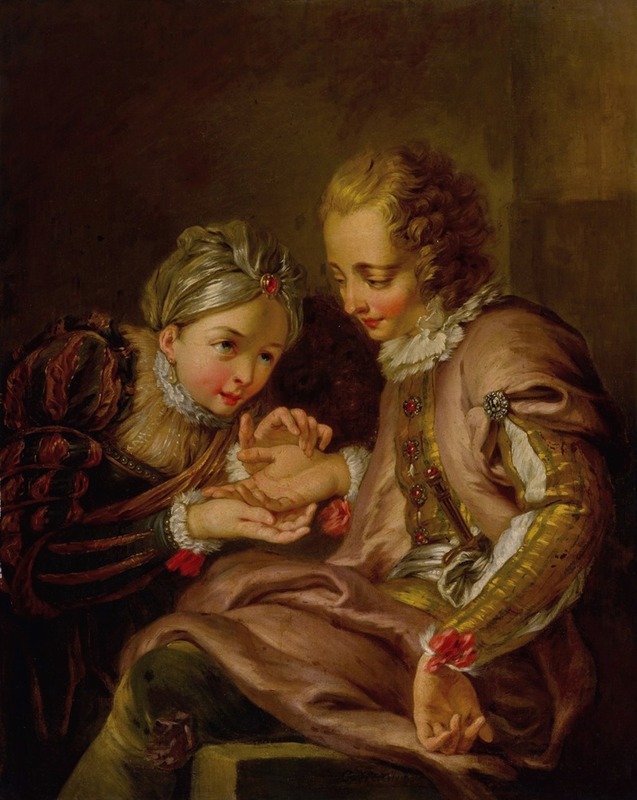
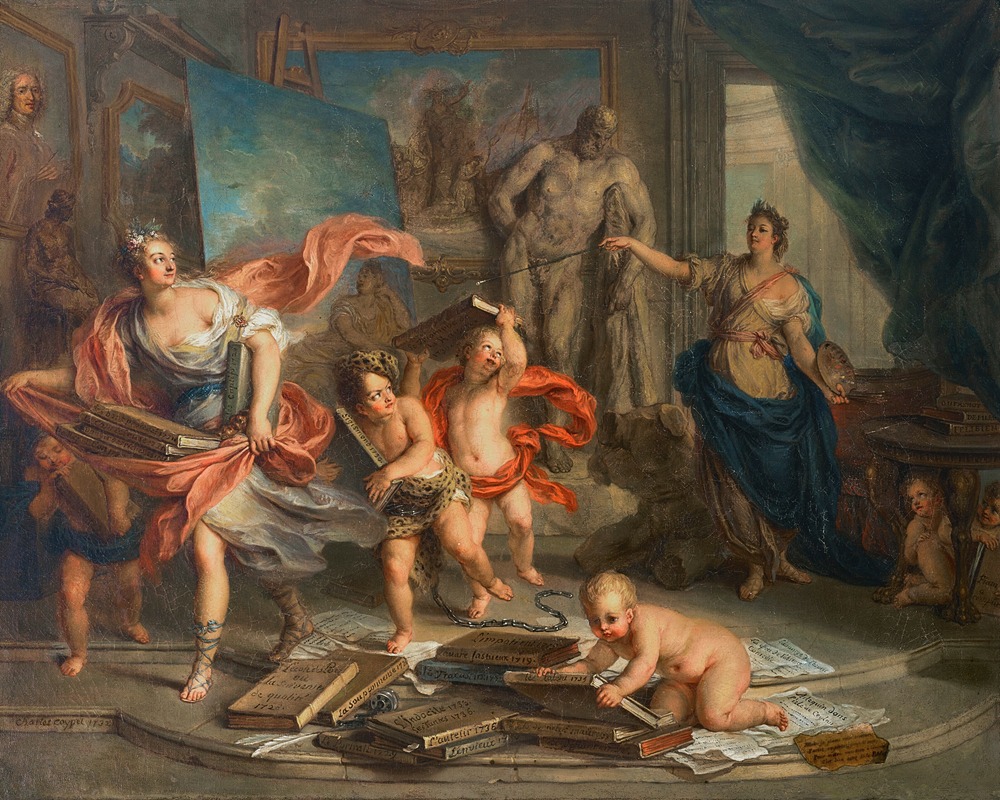
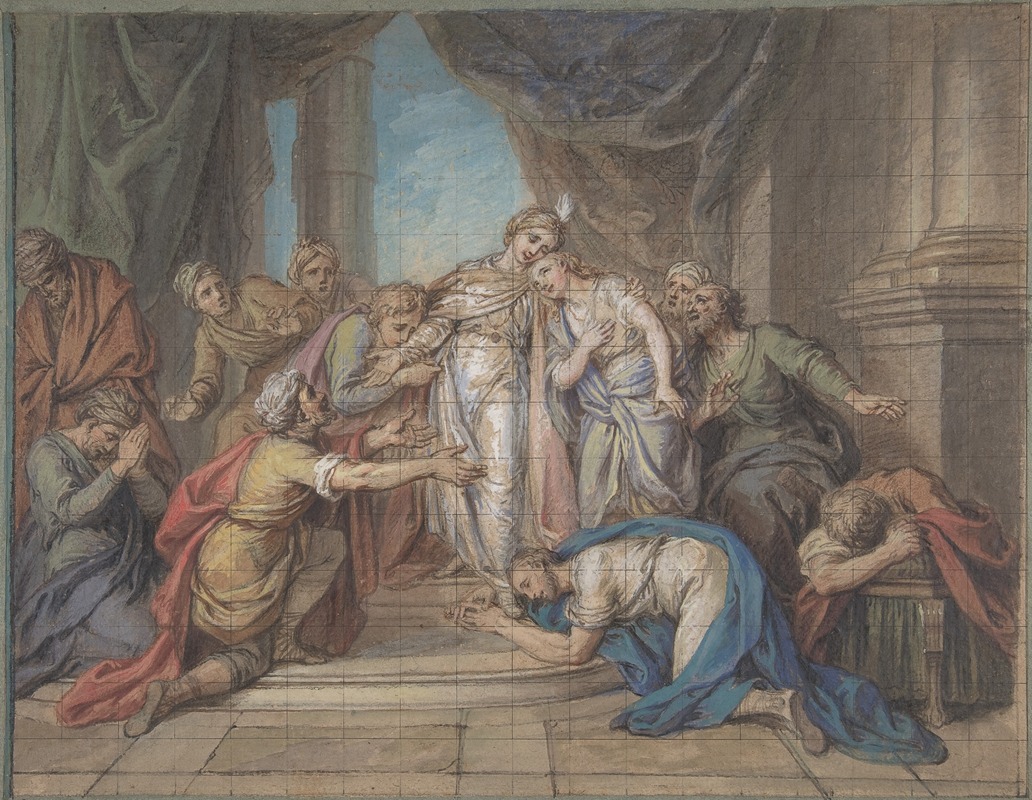
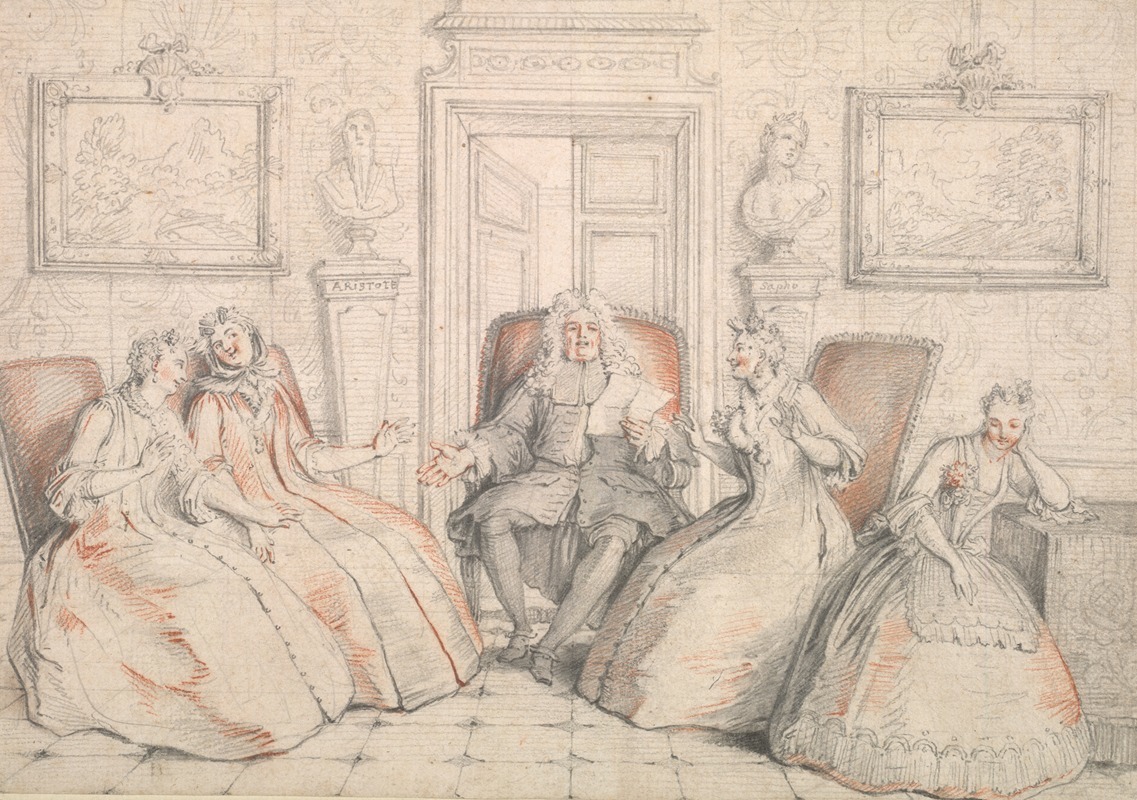
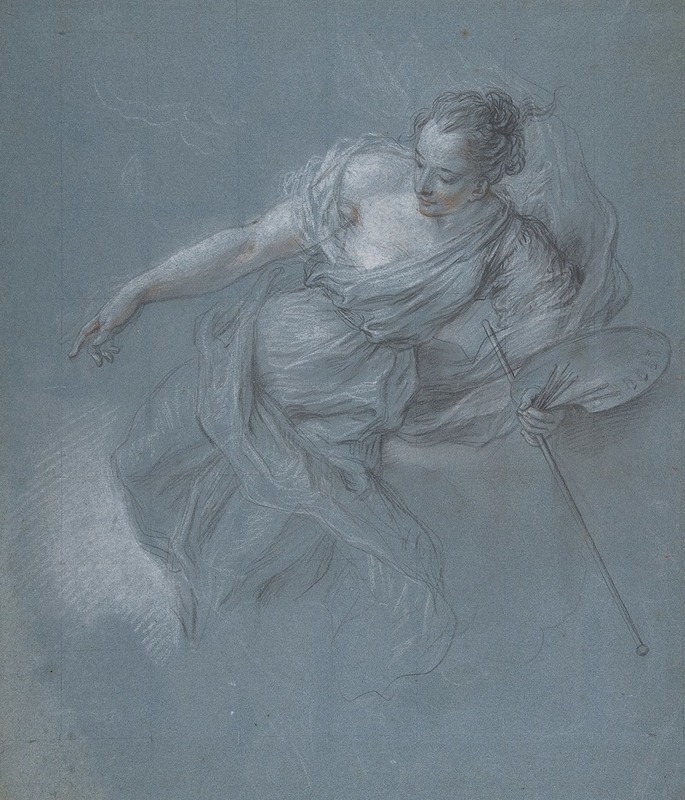
His painting style blended theatrical drama with elegant Rococo sensibility. He became especially famous for his tapestry designs for the Gobelins manufactory, particularly his celebrated series inspired by Don Quixote. Coypel was deeply influenced by theater and literature, producing around forty plays alongside his visual art career. His works often combined dynamic storytelling, rich color, and emotional intensity, qualities that made him one of the most distinctive French painters of the eighteenth century.
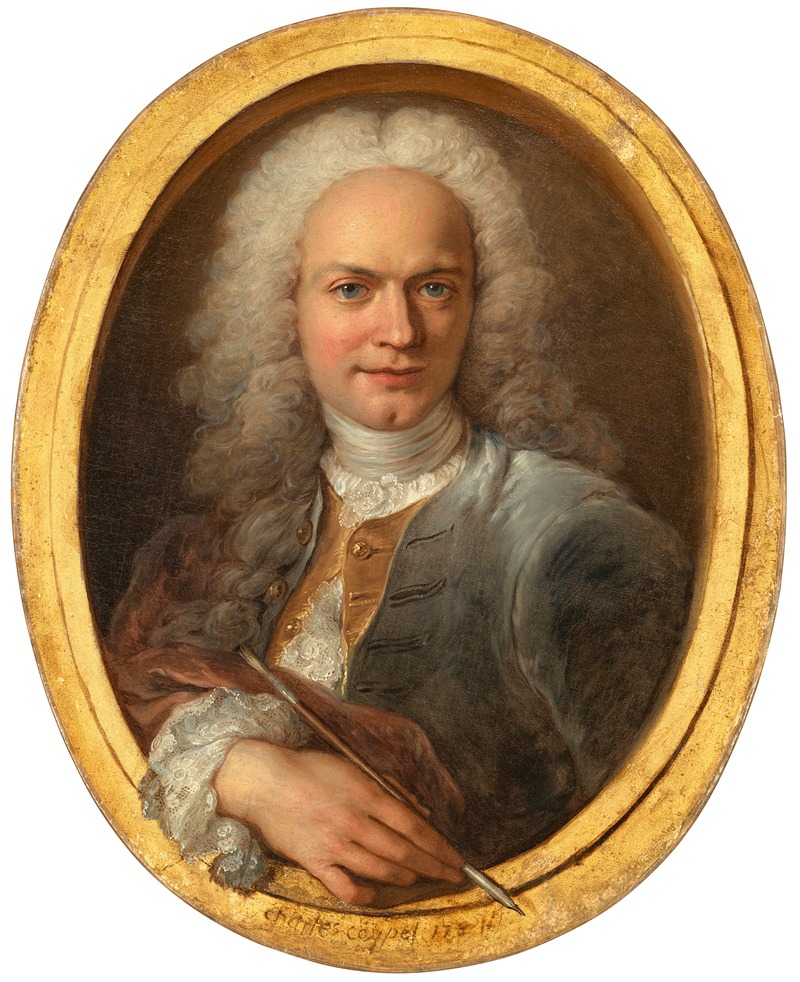
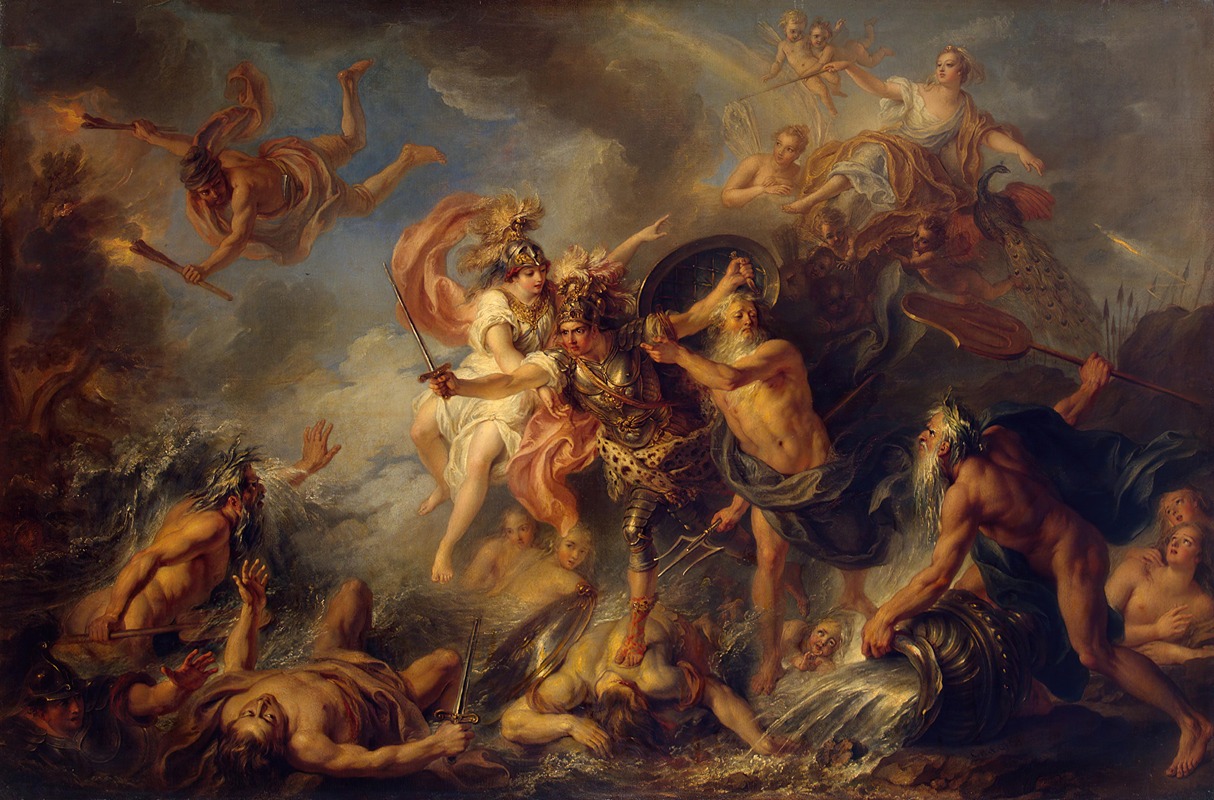
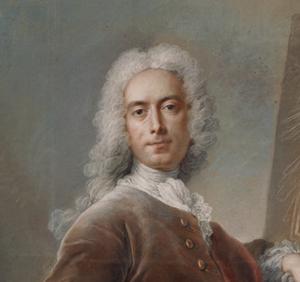
Among his best-known works are Jason and Medea, The Fury of Achilles, and several self-portraits now held in major museums such as the Getty Museum and the Hermitage. Though less internationally famous today than some of his contemporaries, Coypel played a major role in shaping French academic painting during the reign of Louis XV.
27 Произведения