Откройте для себя информацию об этом произведении
Adam en Eva — История и факты
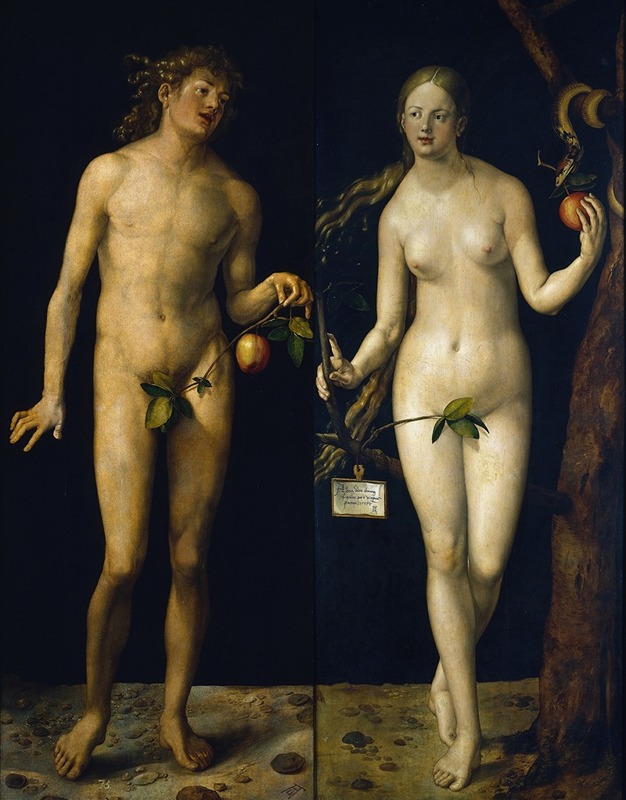
Where does light end, and longing begin? In Albrecht Dürer's Adam en Eva, the boundary between the two realms blurs, inviting a contemplative stillness that resonates deeply within the viewer's soul. Look closely at Adam and Eve, poised in serene symmetry. Focus on their bodies, elegantly entwined with the rich details of nature surrounding them; the lush foliage to the right and the sinuous serpent to the left draw your eyes into an intricate dance of innocence and temptation. The play of light across their skin highlights the idealized form of humanity, while the soft, muted palette of greens and browns enhances the tranquil atmosphere, creating a moment suspended in time. Yet beneath this charming surface lies a tension that speaks to the fragility of paradise.
The tree of knowledge looms, its fruit glistening like a siren’s call, hinting at doom. Eve's hand gently reaches for the apple, a gesture both inviting and foreboding, while Adam’s expression oscillates between protectiveness and vulnerability. This duality reflects the human experience — the push and pull of desire, the weight of choice, and the inevitability of loss. Dürer created this masterpiece in 1504 during a period of profound artistic innovation in Northern Europe.
As he navigated the changing landscape of the Renaissance, he sought to merge the meticulous detail of German art with classical ideals. This work emerged amidst his exploration of humanism and nature, capturing not only the beauty of the human form but also the complexities of the human condition.
Больше работ Albrecht Dürer
Melancholia
Albrecht Dürer

St. George and the dragon.
Albrecht Dürer

Adam and Eve (The Fall of Man)
Albrecht Dürer
Melencolia I (The Melancholy)
Albrecht Dürer
Adam And Eve
Albrecht Dürer
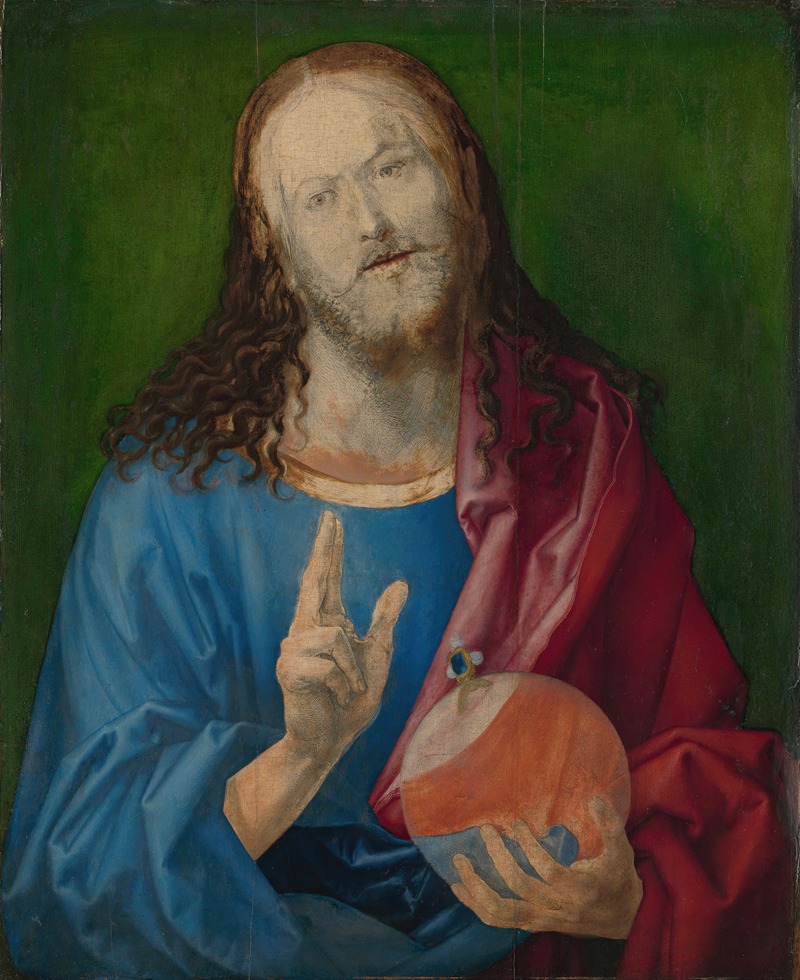
Salvator Mundi
Albrecht Dürer
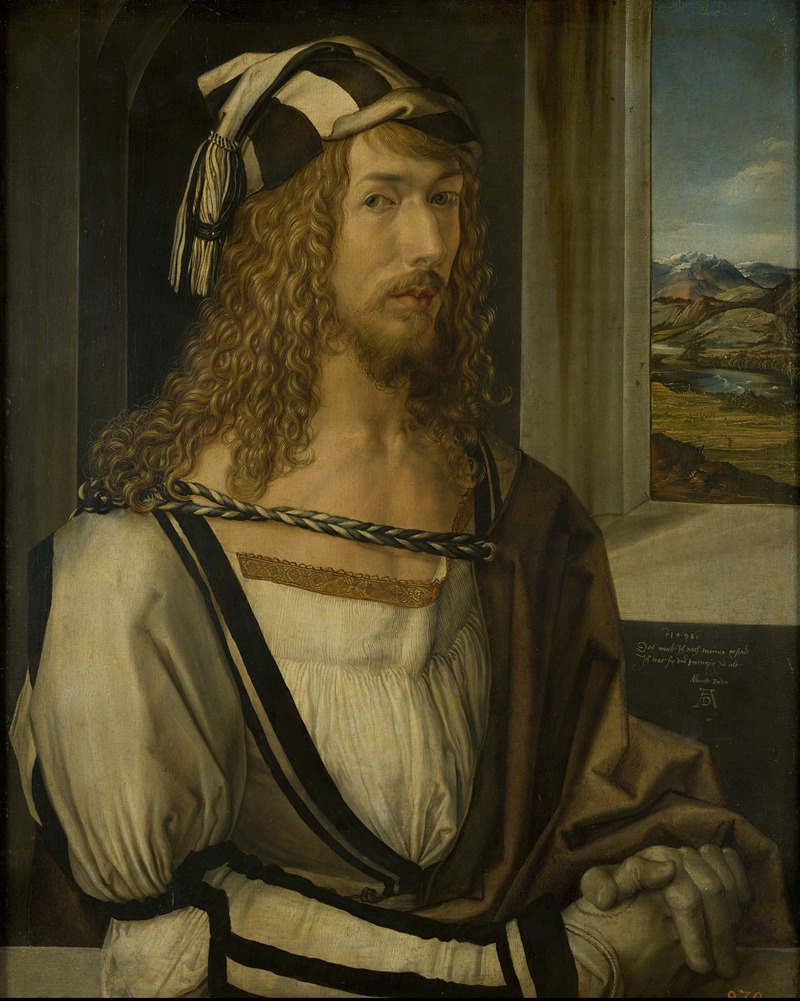
Self-portrait
Albrecht Dürer
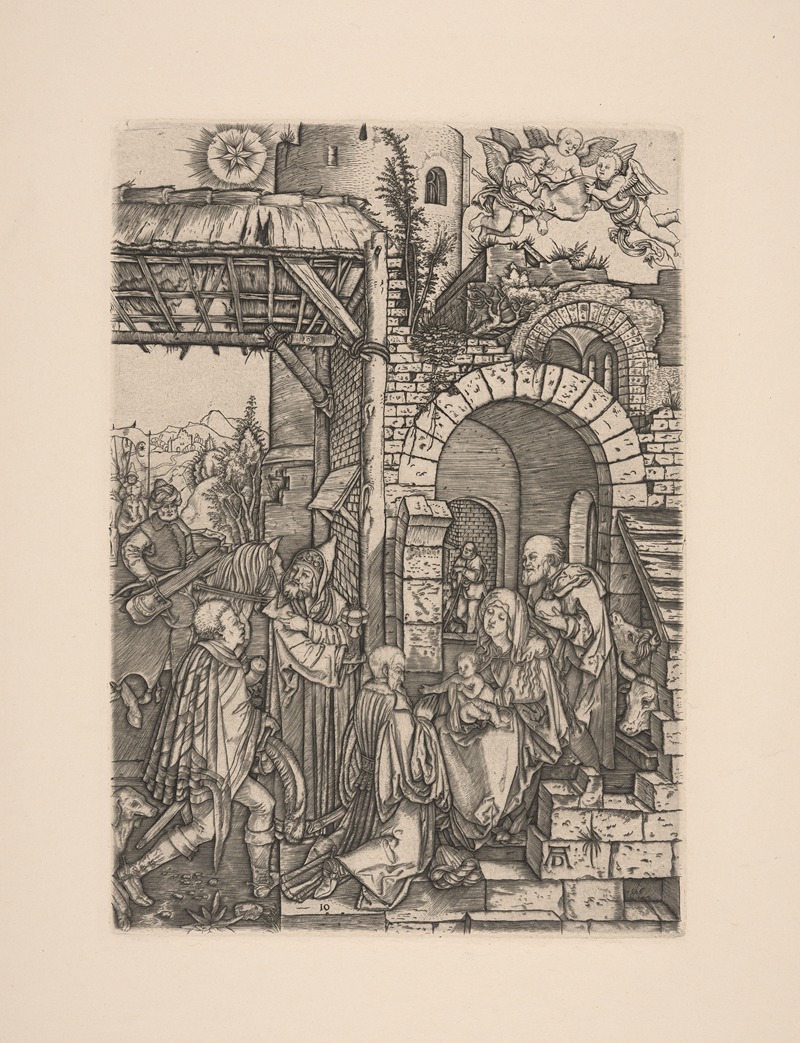
The Adoration of the Magi
Albrecht Dürer
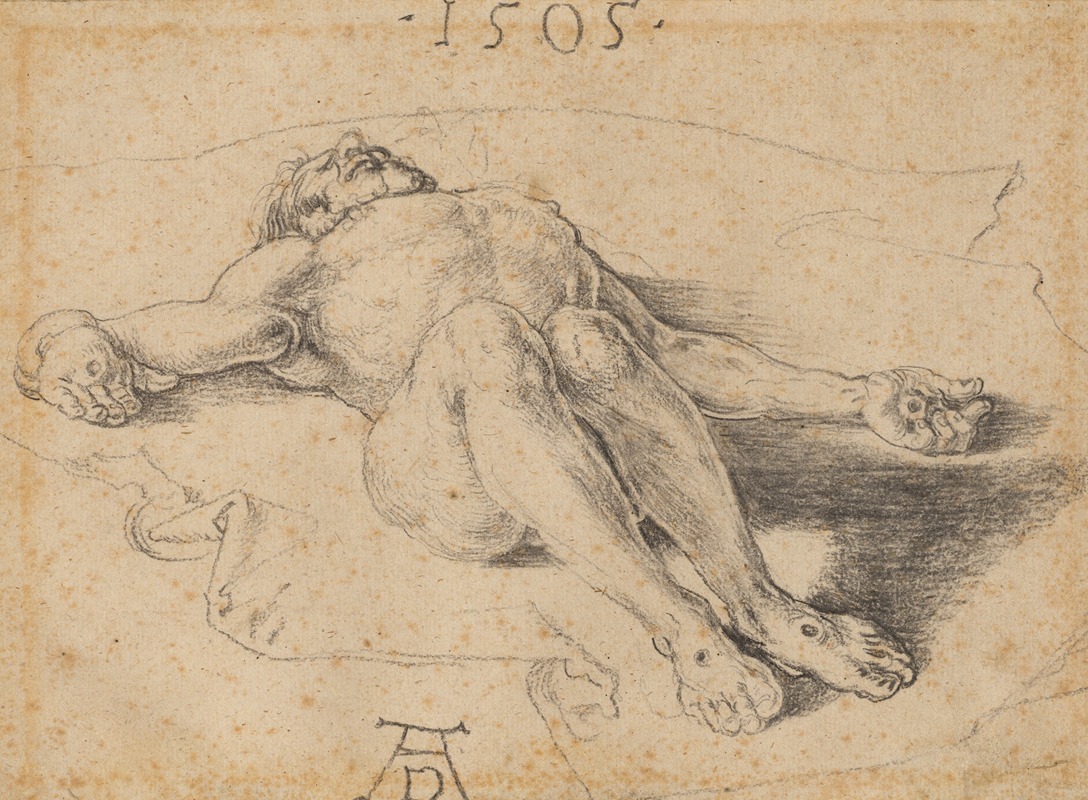
The Dead Christ
Albrecht Dürer
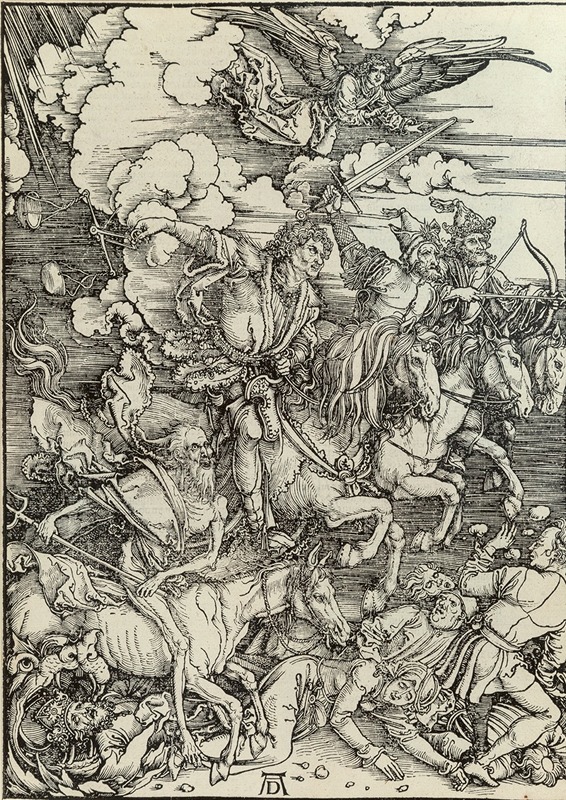
The Four Horsemen of the Apocalypse, from The Apocalypse
Albrecht Dürer