Откройте для себя информацию об этом произведении
Le Palais du Justice — История и факты
Who listens when art speaks of silence? In that stillness lies a profound sense of loss, an echo that reverberates through the ages. Look to the lower left, where the tranquil waters reflect the elegant architecture of the Palais du Justice. Notice how the soft, muted tones of blue and gray blend seamlessly into the evening sky, inviting the viewer to linger. The brushstrokes, delicate yet assertive, create a sense of depth, drawing your gaze upward toward the intricate details of the building's facade.
Each stroke is purposeful, revealing both architectural grandeur and the quietude surrounding it. As you explore further, observe the contrast between the solidity of the structure and the fluidity of the water. Herein lies the emotional core of the piece—an interplay between permanence and transience. The serene atmosphere hints at a past that is both tangible and ghostly, evoking feelings of nostalgia and reflection.
The absence of figures amplifies this sensation, allowing the viewer to contemplate not just the scene, but the void left by those who once occupied it. In 1896, while crafting this work, the artist found himself in Paris amidst a vibrant yet challenging art scene. The influence of Impressionism was waning, and a shift toward realism was emerging. Lepère’s choice to depict such a serene moment captured a fleeting beauty, reflecting his own struggles with loss and the passage of time in a rapidly modernizing world.
Больше работ Auguste Louis Lepère
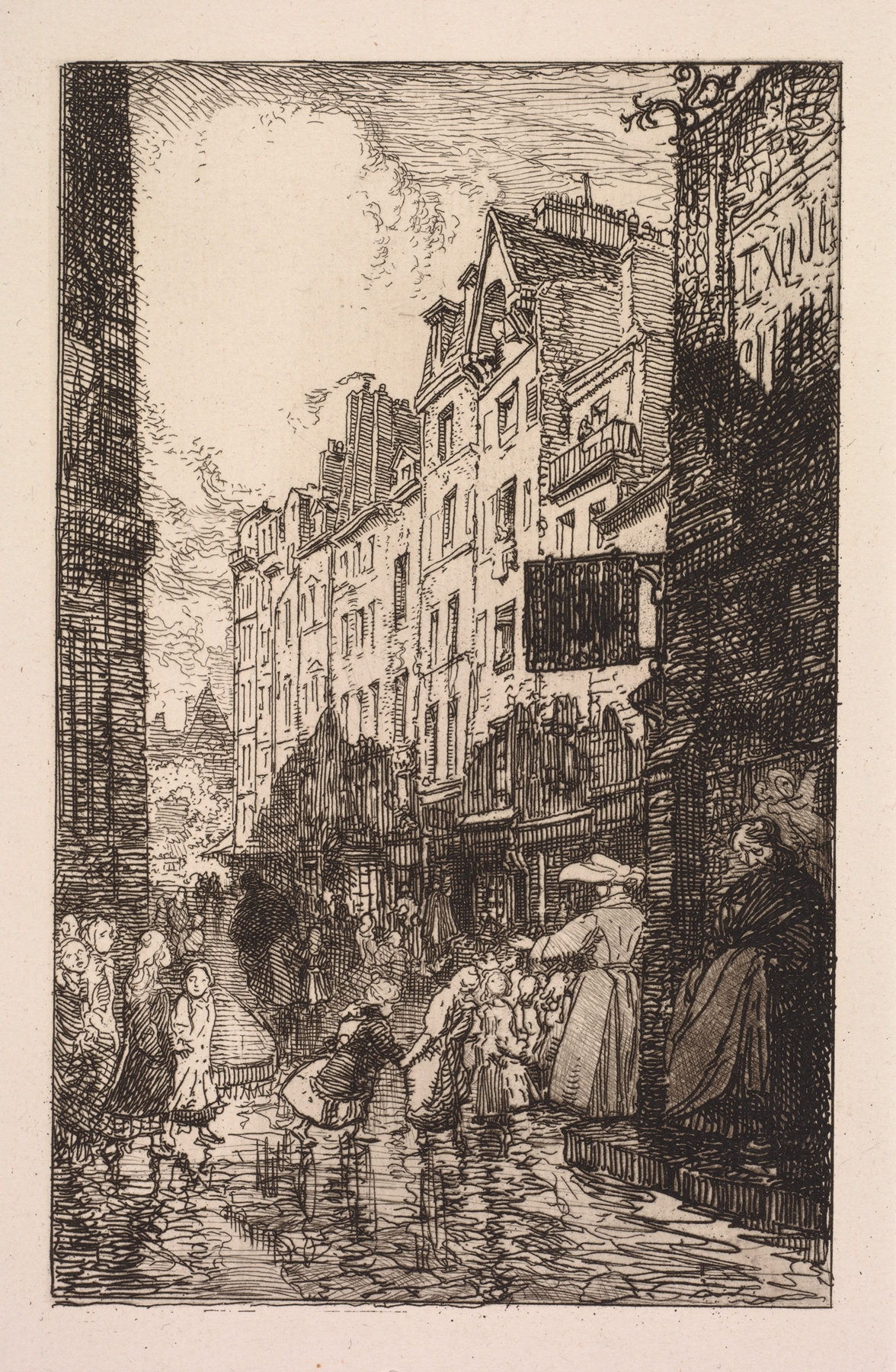
La Rue des Prêtres Saint-Séverin
Auguste Louis Lepère
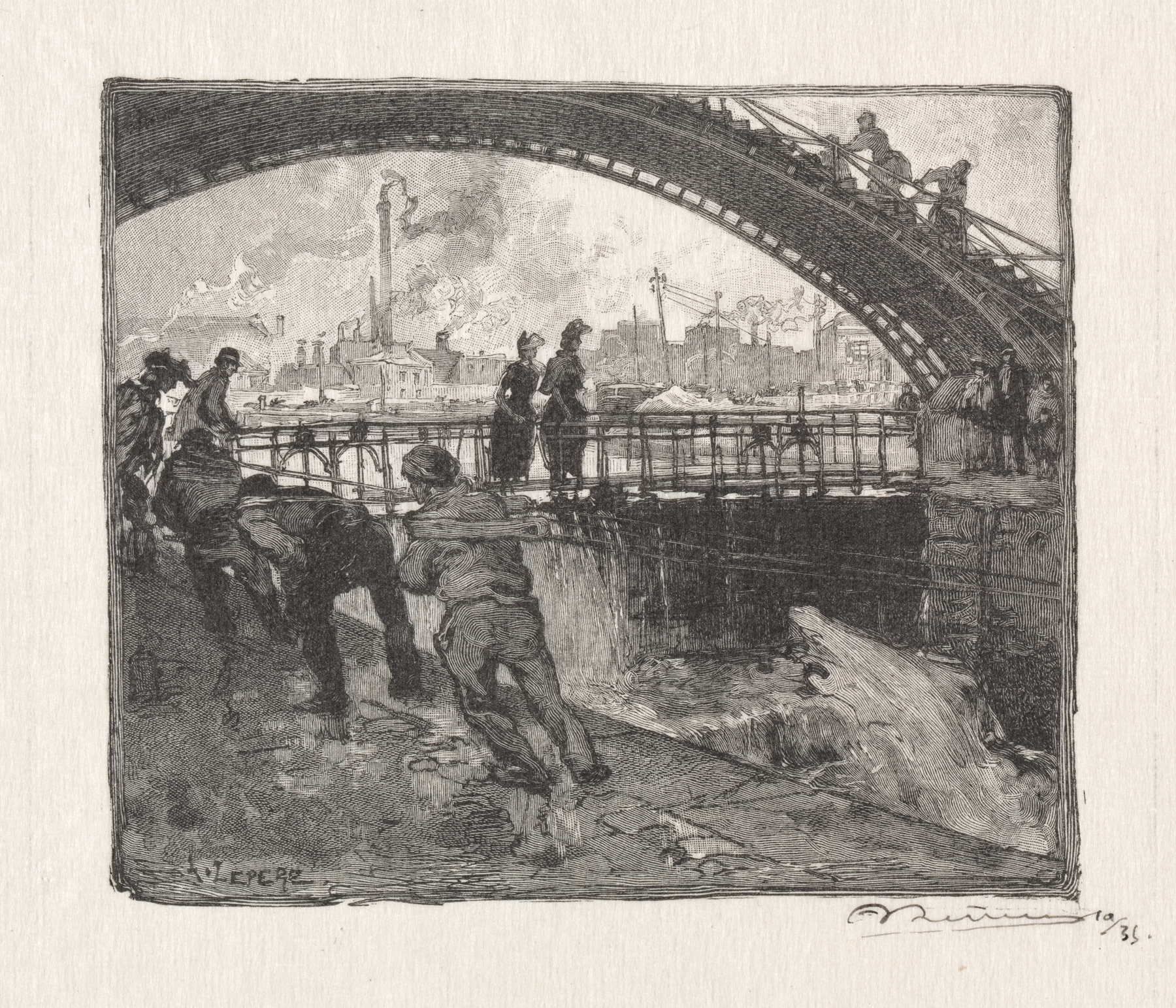
L’Ecluse du Canal St. Martin
Auguste Louis Lepère
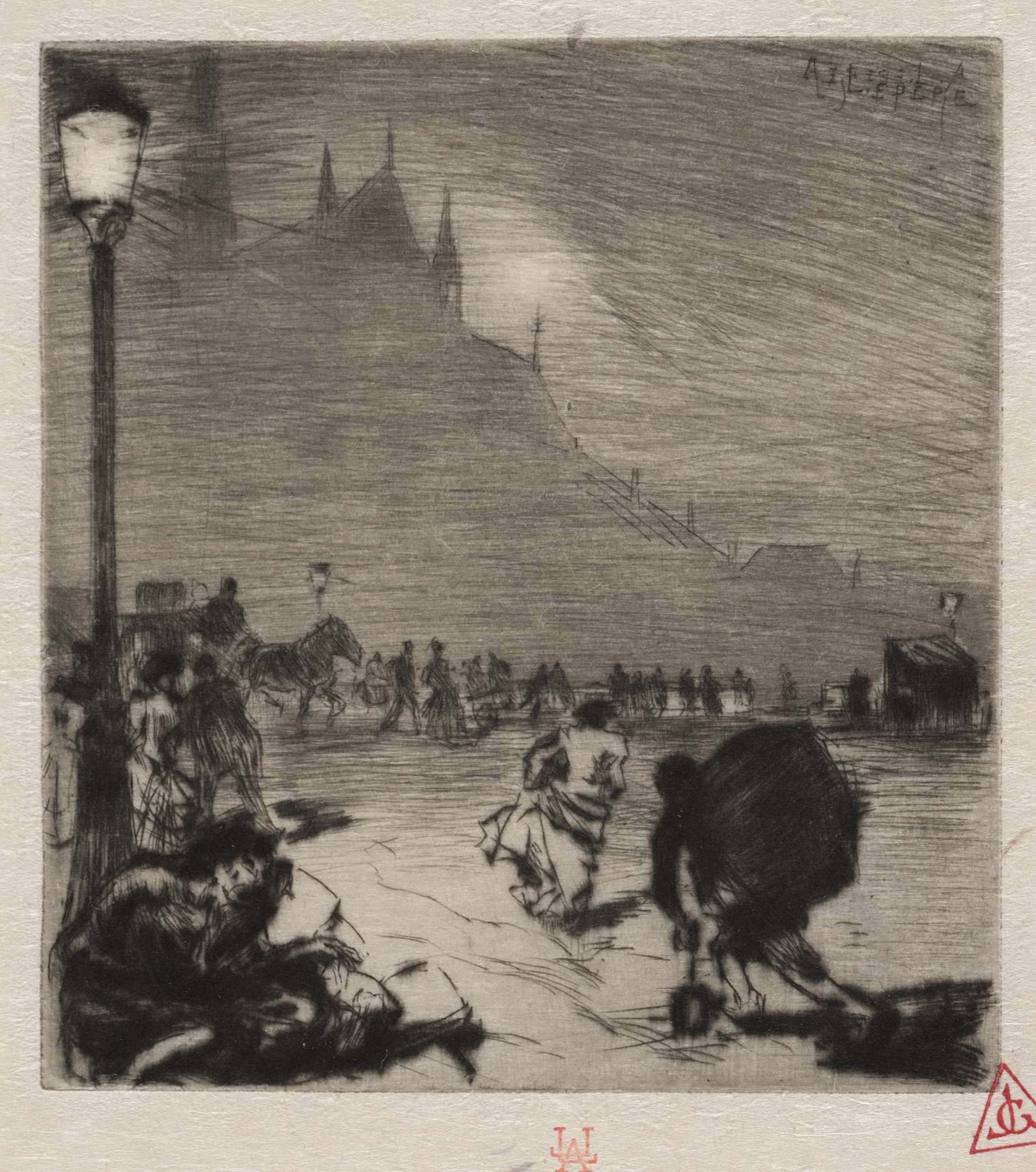
Au Coin du Pont-aux-Doubles
Auguste Louis Lepère
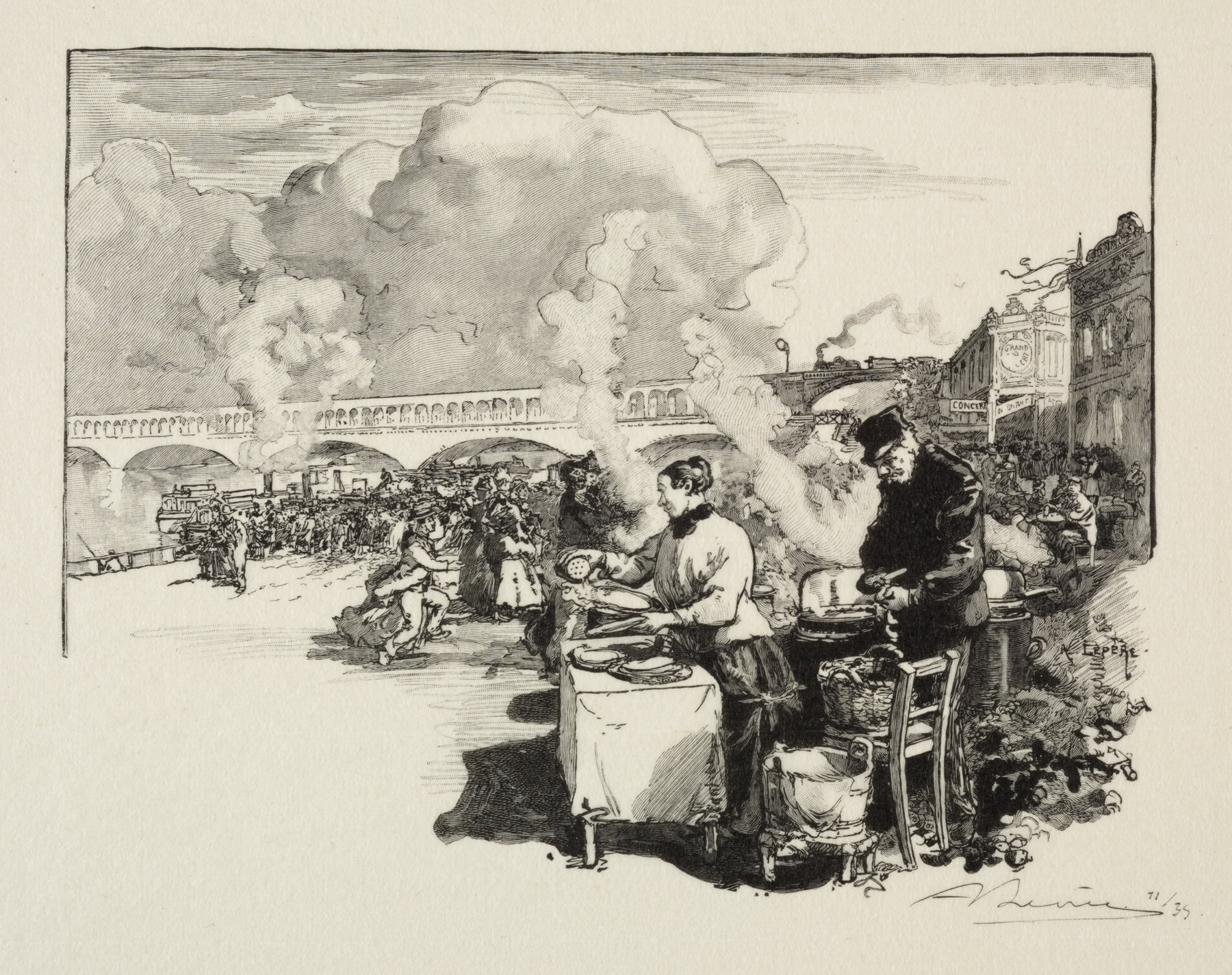
Debarcadère des bateaux-omnibus
Auguste Louis Lepère
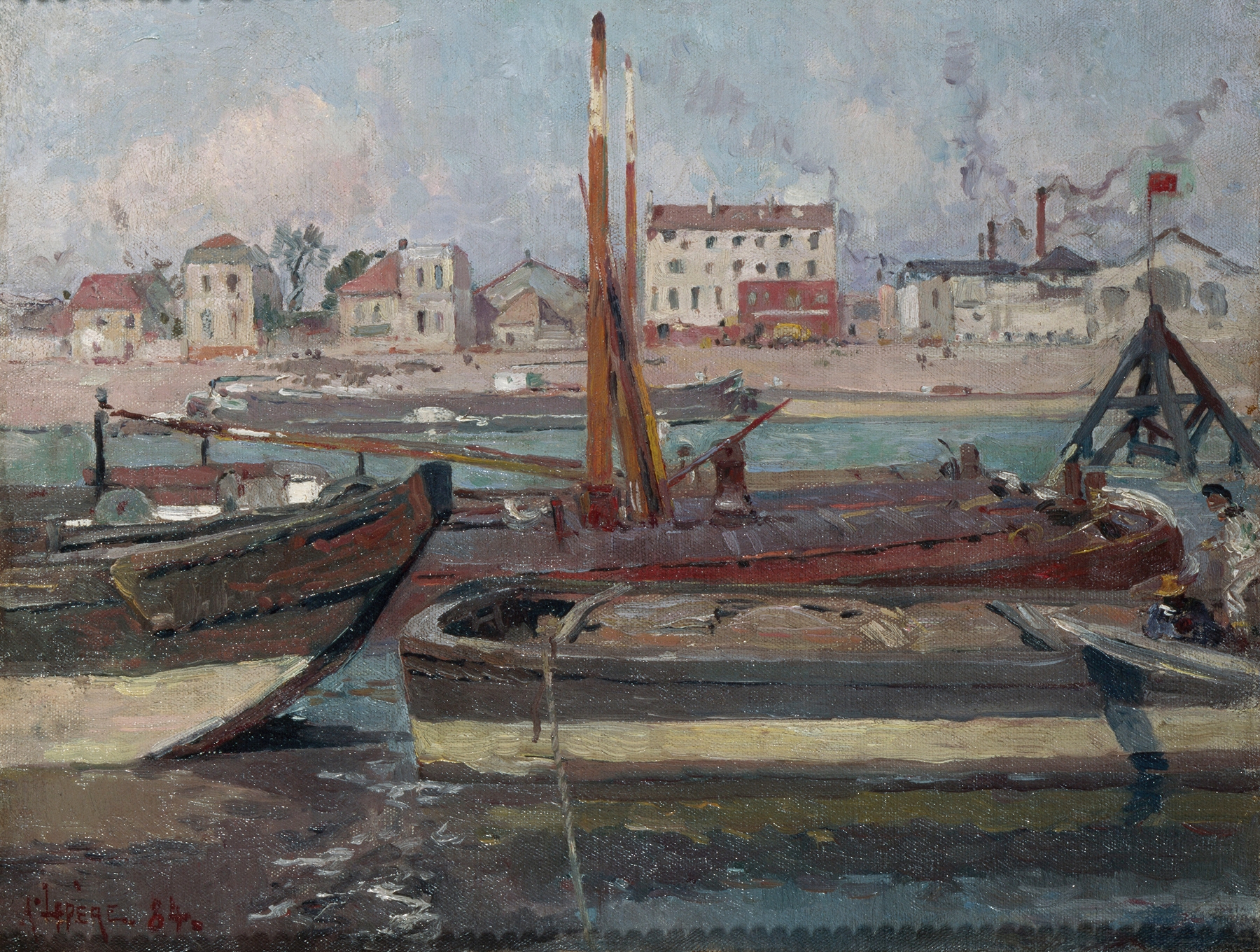
La Seine, au quai de la Rapée
Auguste Louis Lepère
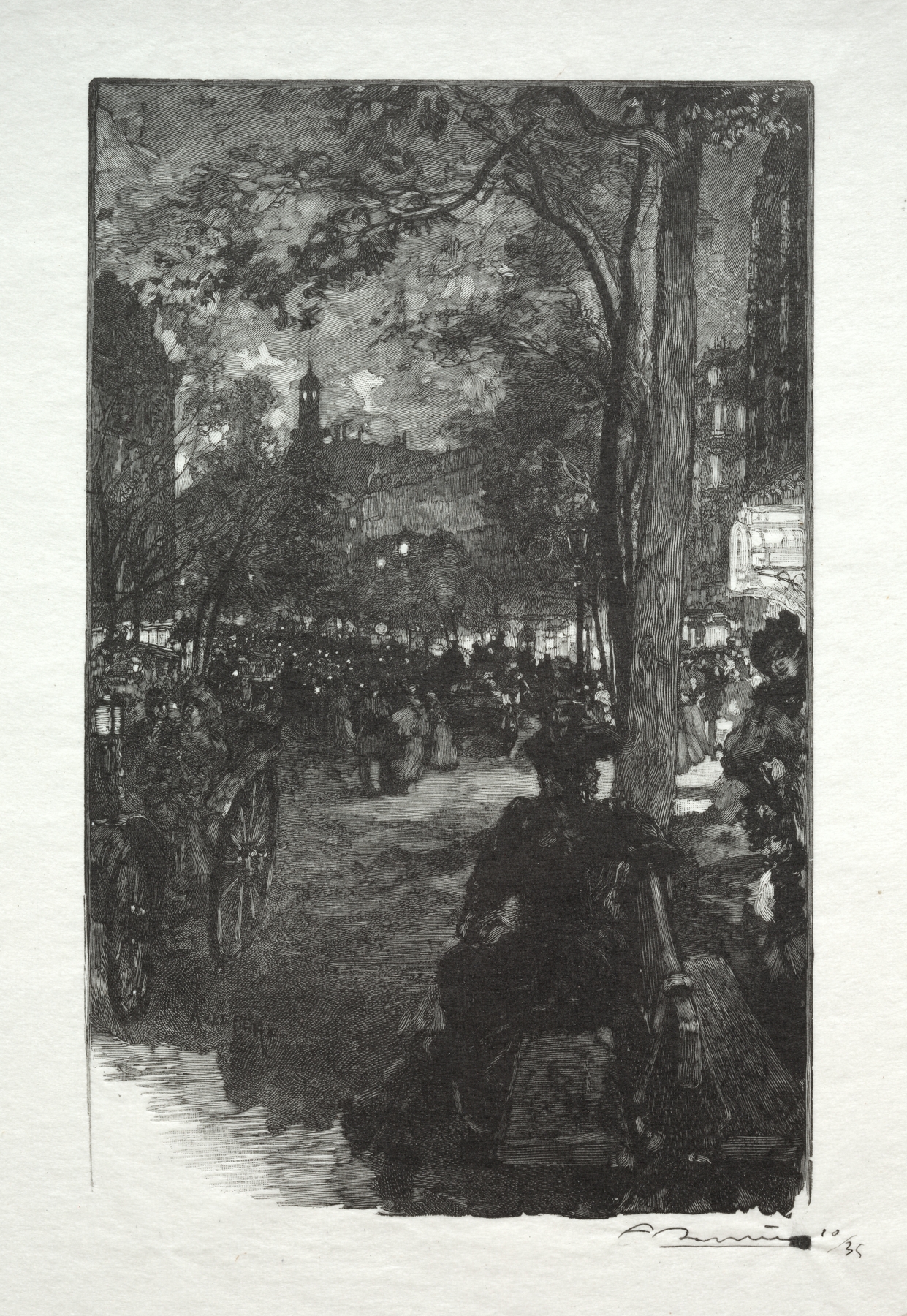
Le Boulevard Montmartre, le Soir
Auguste Louis Lepère

Une Chasse au Mont Gérard
Auguste Louis Lepère
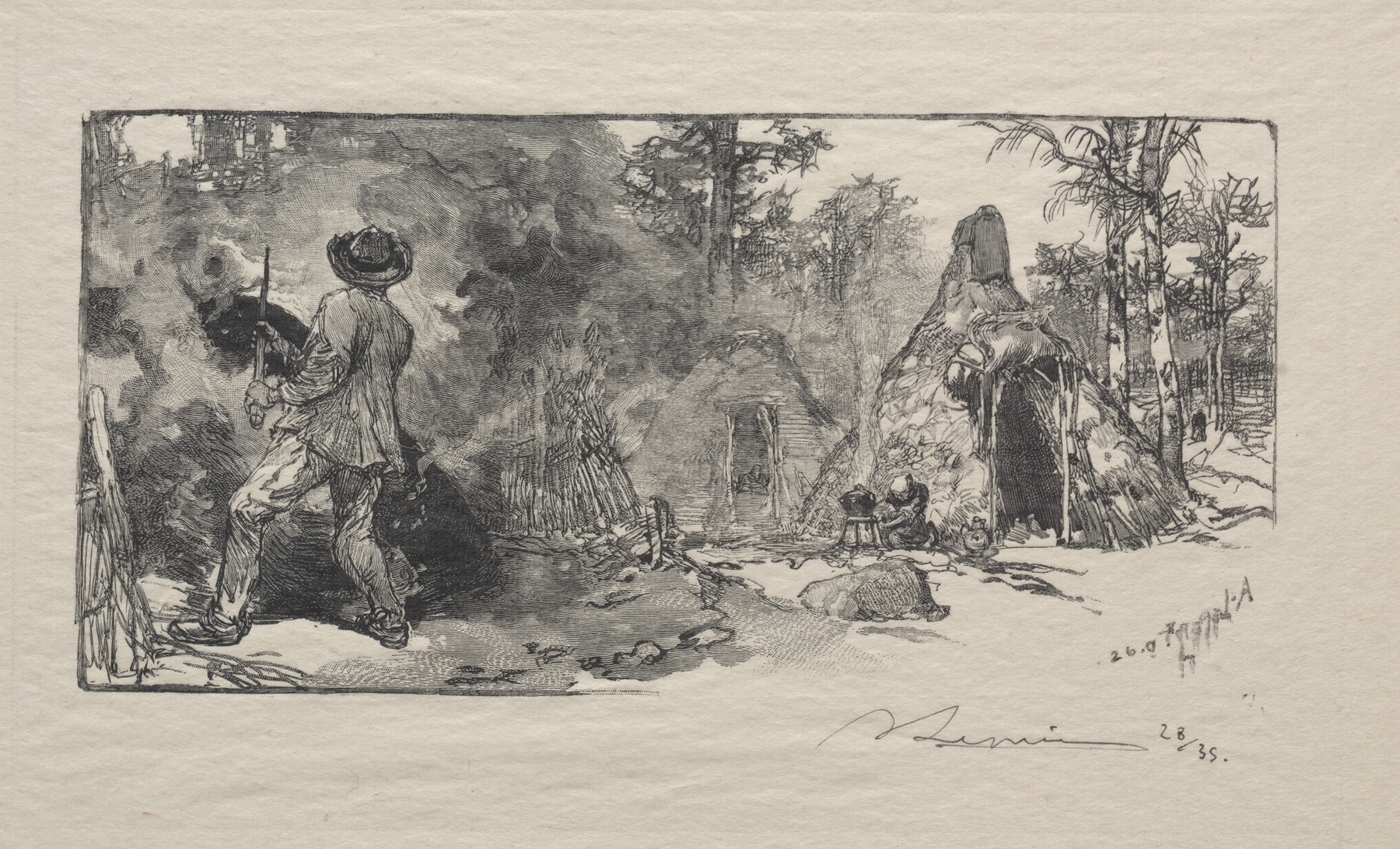
Les Charbonniere
Auguste Louis Lepère
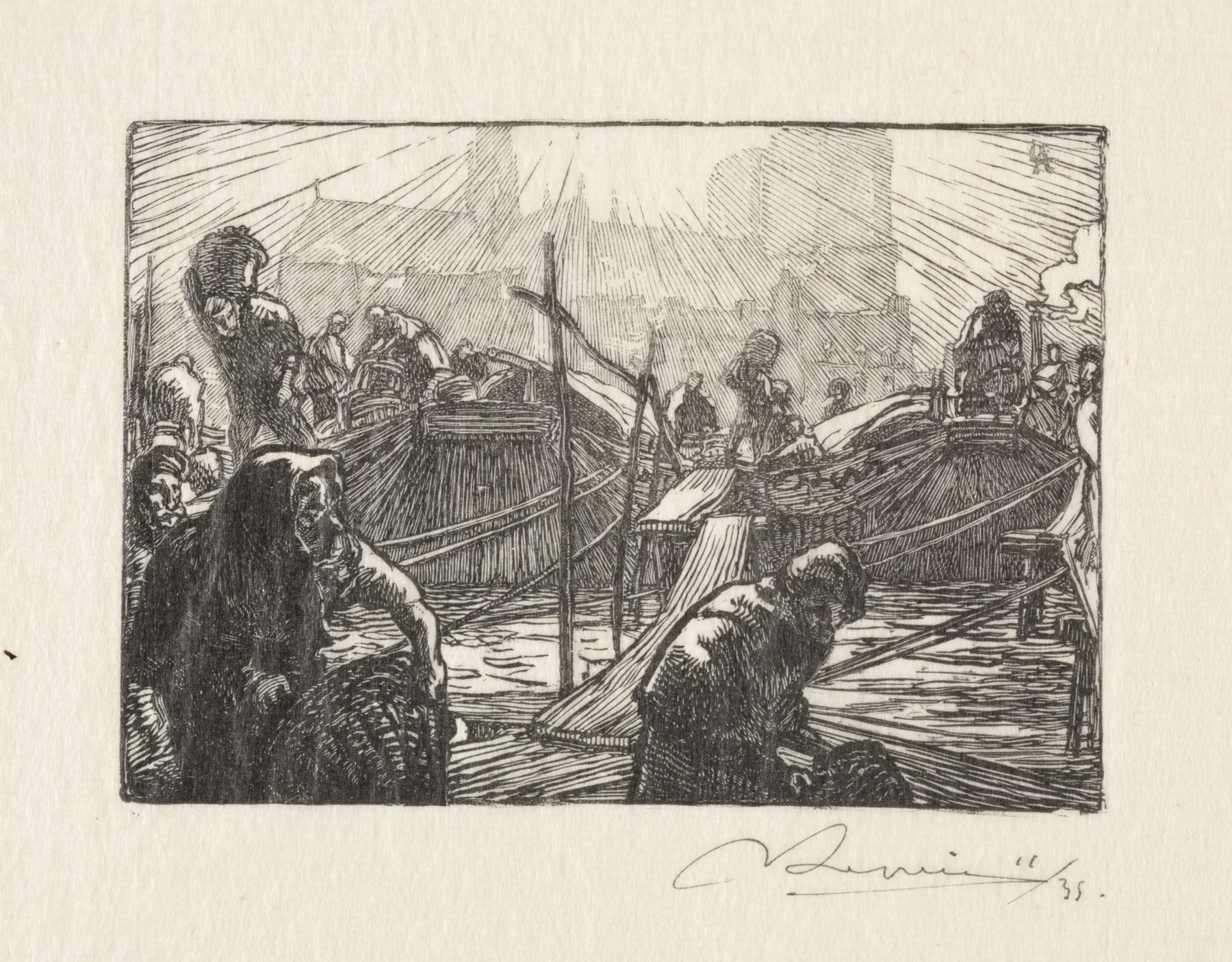
Notre Dame vue du Marché aux pommes
Auguste Louis Lepère
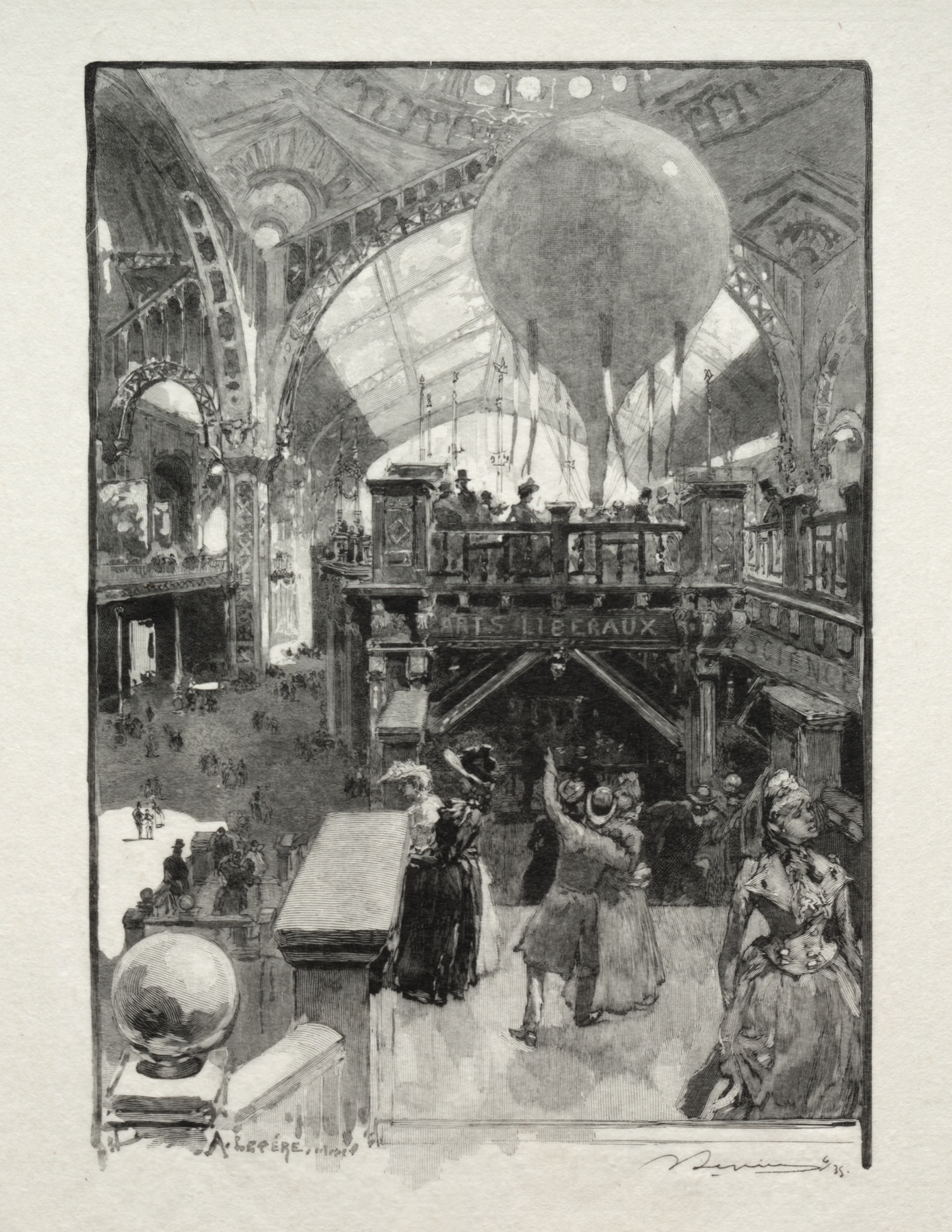
Le Palais des Arts Liberaux, Intèrieur
Auguste Louis Lepère