
Откройте для себя информацию об этом произведении
Romans of the Decadence — История и факты
The canvas doesn’t lie — it simply waits. In the intricate play of colors within this artwork, we are invited to explore the depths of decadence and moral decay. Look to the foreground, where a crowd of elegantly dressed figures sprawls in various poses, their lush garments drenched in hues of deep crimson and soft gold. Notice how the rich, vibrant colors illuminate not only the luxurious fabric but also the expressions of both desire and disillusionment etched on their faces.
Behind them, the shadowy remnants of ancient architecture loom, framing the scene with an air of forgotten grandeur that contrasts starkly with the frivolity of the figures. Delving deeper, observe the subtle juxtaposition of youth and age: the youthful bodies in indulgent revelry against the weary faces that suggest the weight of history and impending decline. Each character represents a facet of society, intertwined in a tapestry of hedonism that reflects a moralistic critique of decadence. The use of color amplifies this tension — the vibrant palette calls forth a visceral response while simultaneously inviting contemplation of the emptiness that often accompanies such splendor. In 1847, Couture created this masterwork amidst a period of artistic transition, where Romanticism was yielding to Realism.
Living and working in Paris, he sought to convey not only the superficial allure of beauty but also a deeper awareness of its transient nature, during a time when French society was grappling with the consequences of opulence and ethical decay.
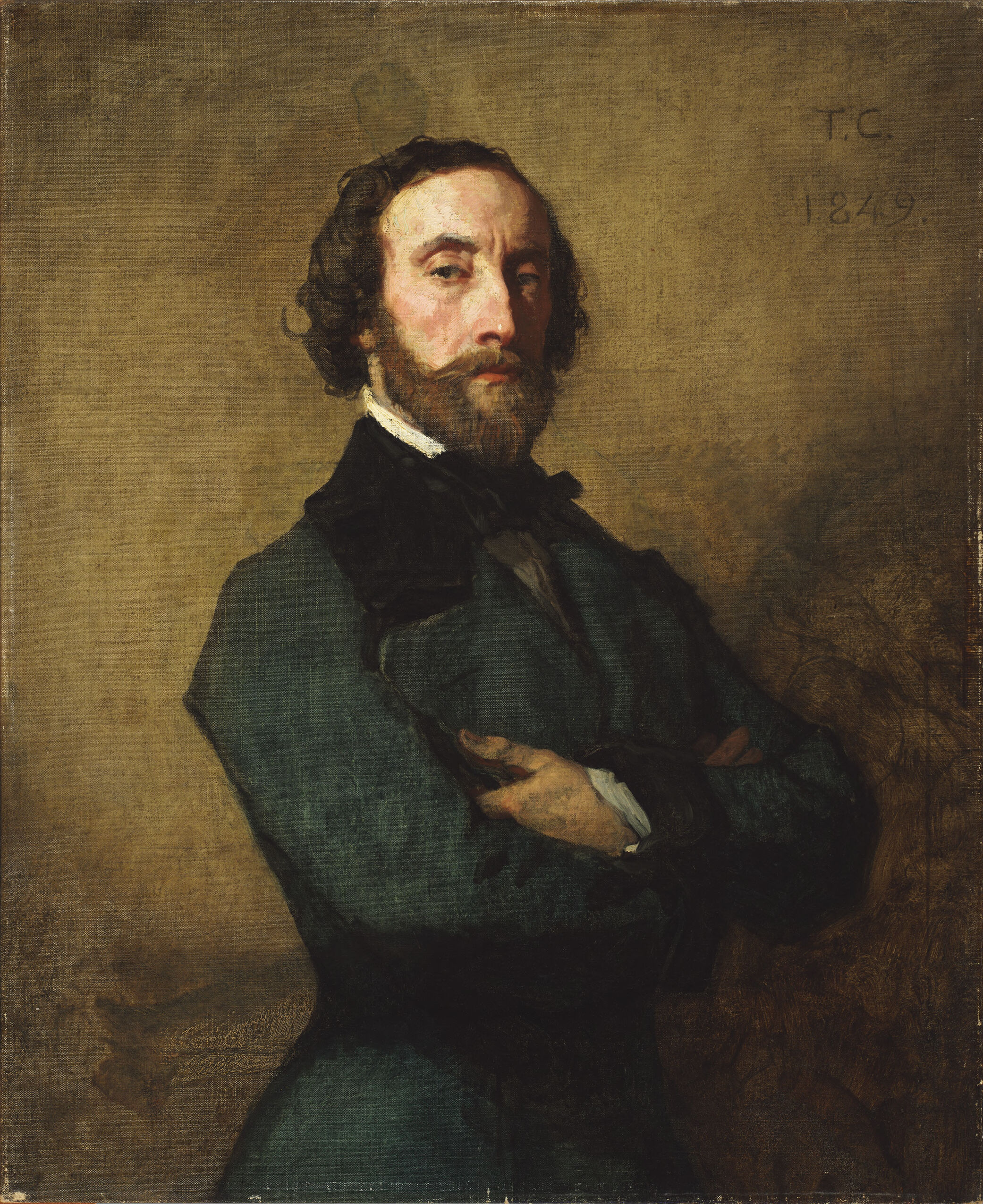
Больше работ Thomas Couture

Больше искусства Историческое
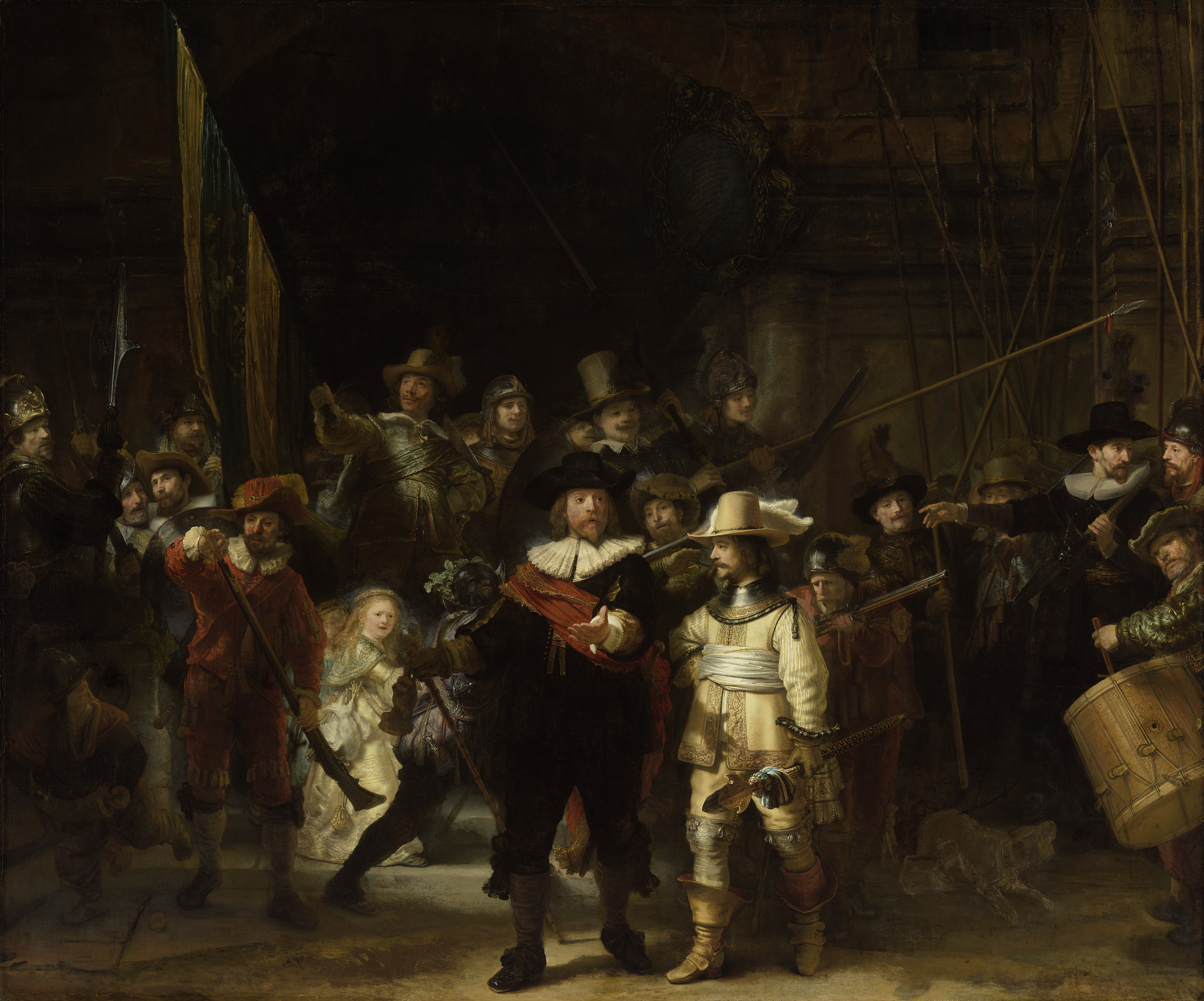
The Night Watch Militia Company of District II under the Command of Captain Frans Banninck Cocq
Rembrandt van Rijn
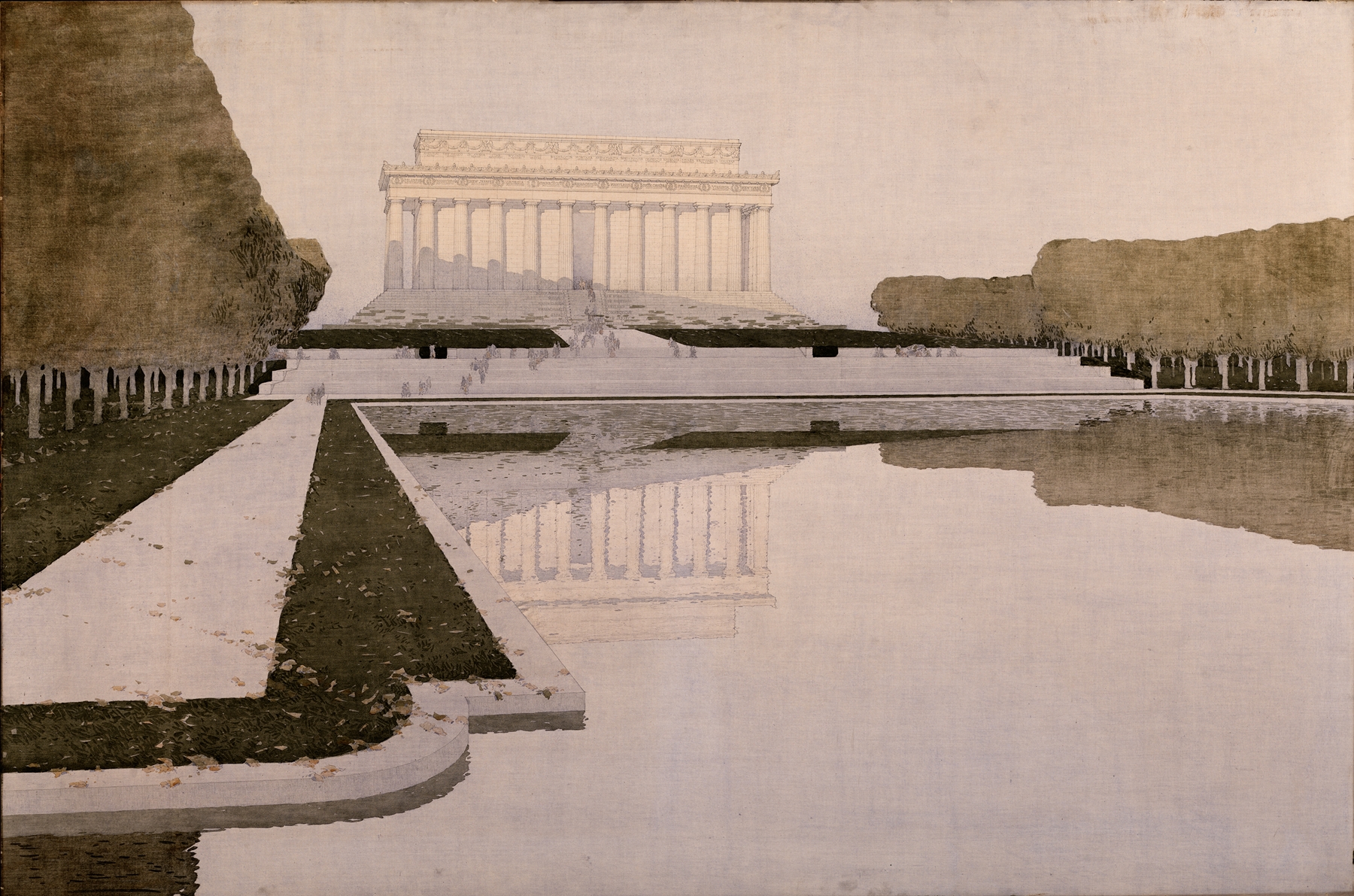
Lincoln Memorial
Henry Bacon
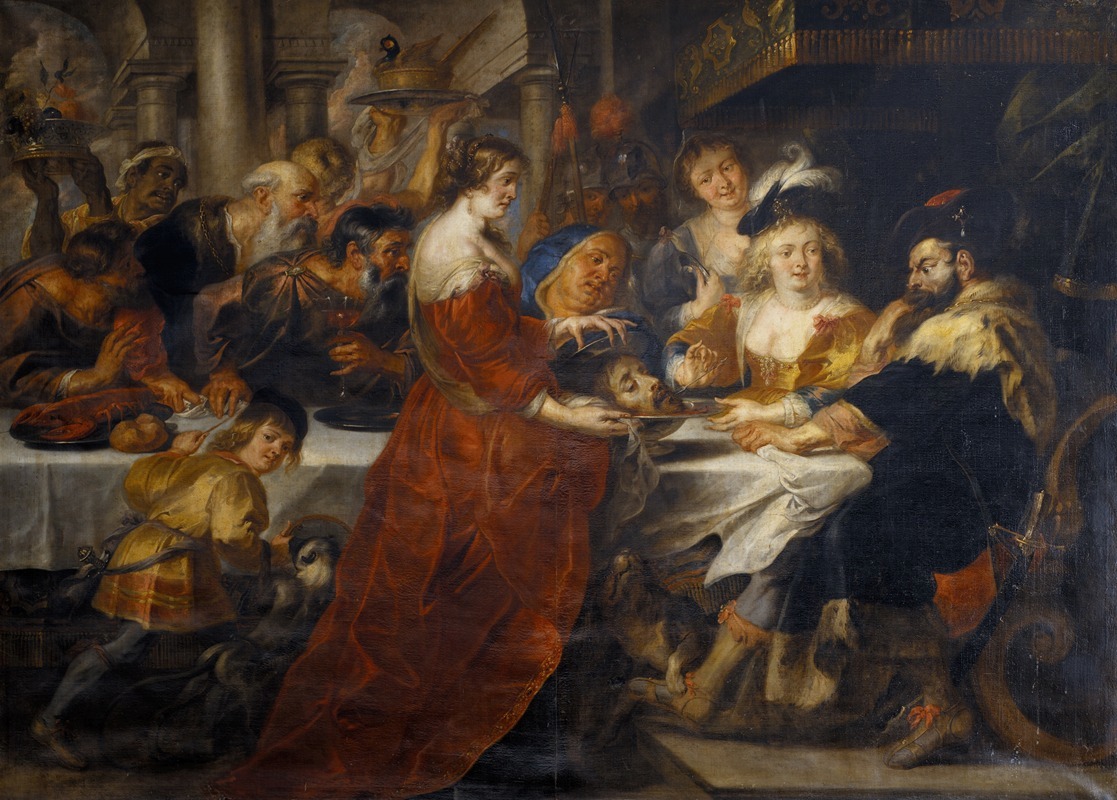
The Feast of Herod. Salome Bringing the Head of St John the Baptist on a Charger
Peter Paul Rubens
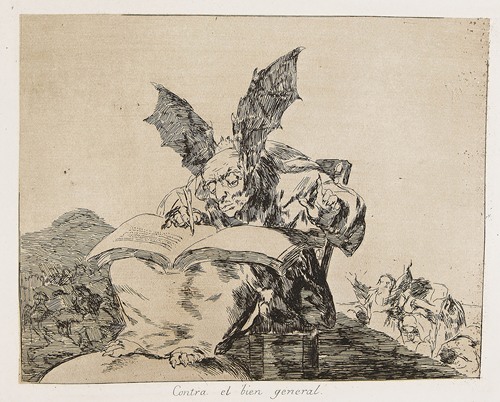
Los desastres de la guerra
Francisco de Goya
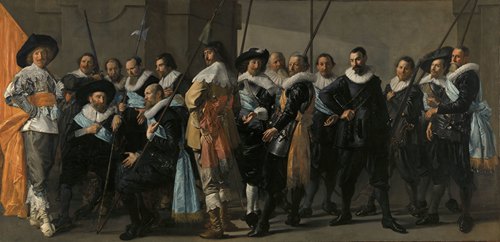
Militia Company of District XI under the Command of Captain Reynier Reael, Known as ‘The Meagre Company’
Frans Hals
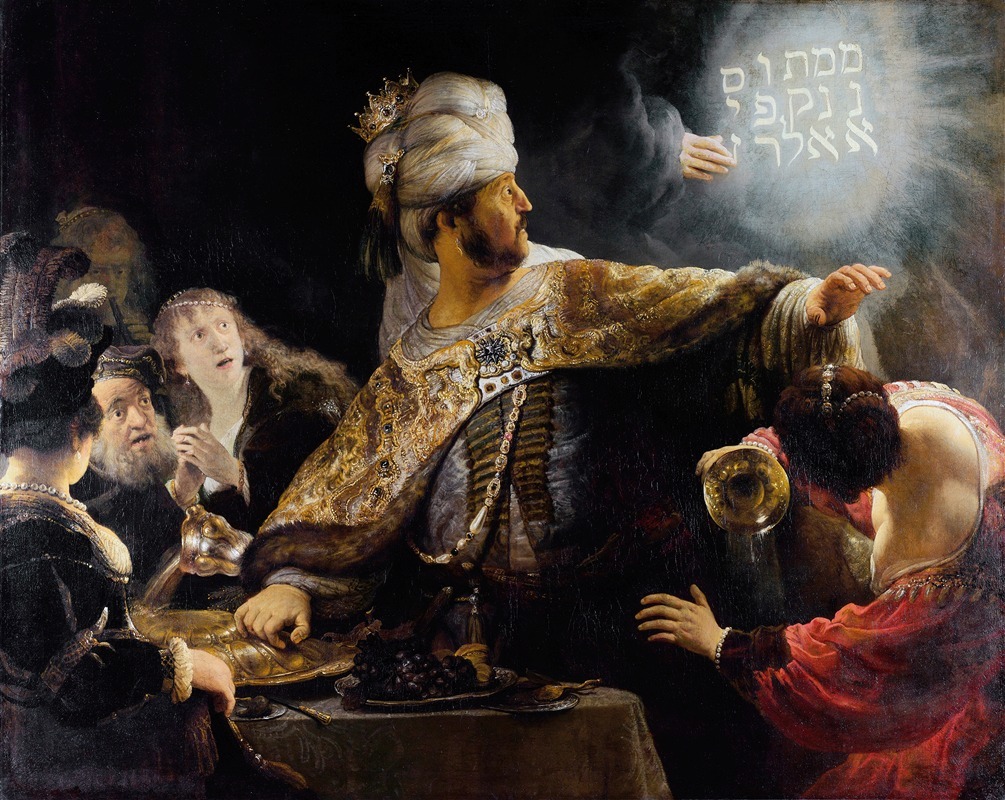
Belshazzar’s feast
Rembrandt van Rijn